
3U vs 4U vs 5U Badminton Rackets: Which Weight Should You Buy? (India)
3U, 4U and 5U describe racket weight — and it changes your power and speed. Here's which to choose, with India picks.
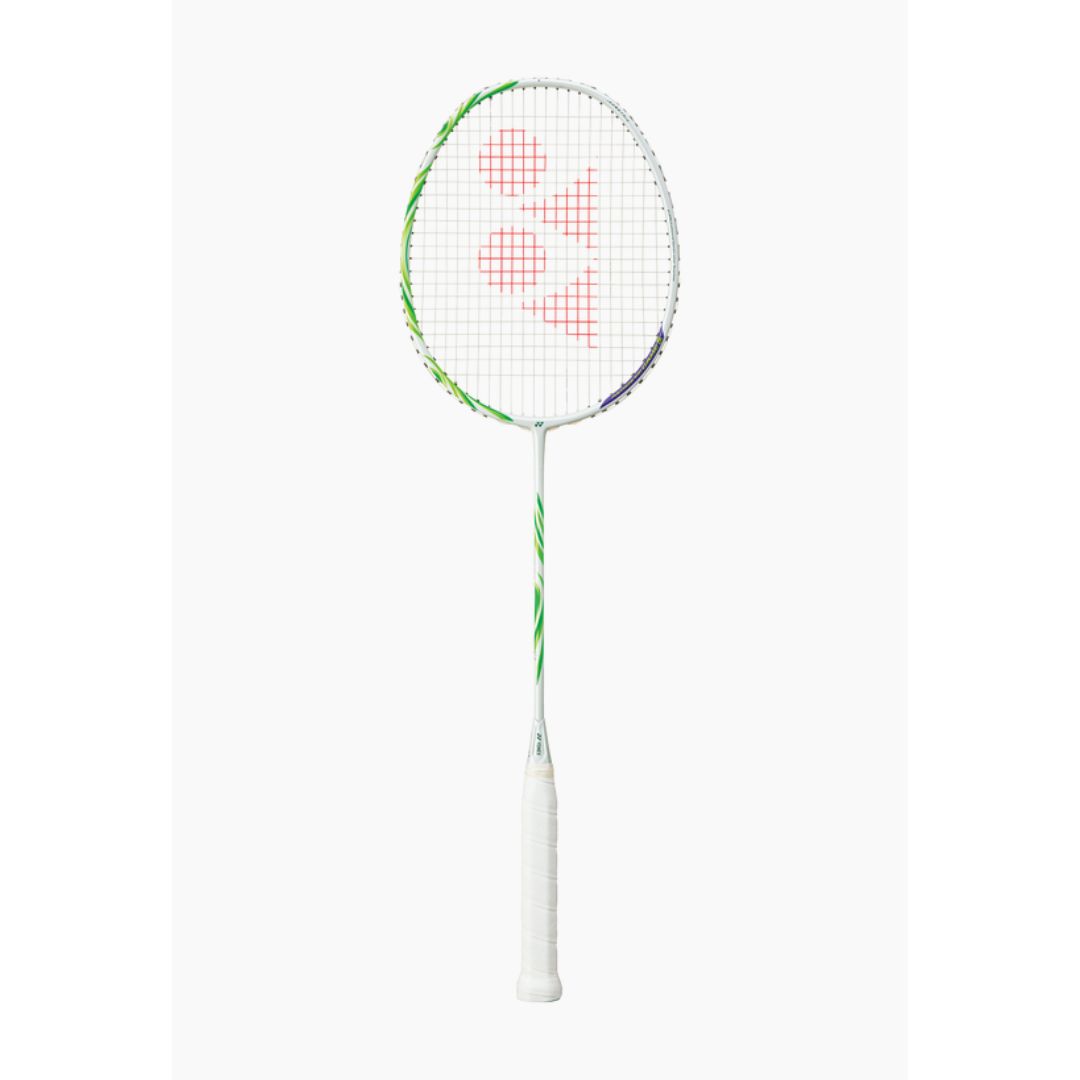
3U vs 4U vs 5U badminton rackets: which weight should you buy? (India)
If you have shopped for a badminton racket, you have seen the codes 3U, 4U and 5U — and they matter more than the paint job. These codes describe the racket's weight, which shapes how much power and how much speed you get. This guide explains 3U vs 4U vs 5U badminton racket weights so you can pick the right one for your game, with India-first picks in rupees.
What do 3U, 4U and 5U mean?
The U number is the unstrung weight class: a 3U racket weighs about 85–89.9g, a 4U about 80–84.9g, and a 5U about 75–79.9g. Counter-intuitively, the lower the number, the heavier the racket. A heavier 3U delivers more power and stability; a lighter 5U gives faster swings and quicker reactions.
Power vs speed: which suits your game?
A 3U racket carries more mass into the shuttle, so singles players who love to smash and have strong wrists often prefer it for that deep, heavy hitting — a head-heavy performance frame like the Yonex Astrox 100 VA Game rewards an attacking style. A 5U racket is the fastest to swing, ideal for fast-paced doubles, defensive players, juniors and anyone returning from injury. The 4U sits in the middle and is the world's most popular weight because it balances power and speed.
What should beginners buy?
Most beginners are best served by a 4U or 5U racket: lighter is easier on the wrist and more forgiving while you build technique, and you can move to 3U later as your strength improves. Value-friendly, lightweight frames such as the Cosco CB-885, Cosco CB-110 and Cosco CB 86 Twin are sensible starting points before you invest in a premium racket. Whatever the weight, match the grip size to your hand and keep a spare overgrip handy.
Balance point and string tension
Weight is only part of the story — balance matters too. Head-heavy rackets add power and pair naturally with a 3U frame for attackers, while head-light or even-balance rackets swing faster for control and defence. Beginners should also keep string tension moderate (around 22–24 lbs) for a larger sweet spot and more forgiveness; higher tensions suit advanced players chasing control. Match the grip size to your hand and add an overgrip for a secure, sweat-proof hold in India's humidity.
Shop the gear
- Cosco CB-885 Badminton Racket — ₹414 · budget beginner
- Cosco CB-110 Badminton Racket — ₹640 · lightweight starter
- Cosco CB 86 Twin Badminton Racket — ₹702 · value pair
- Yonex Astrox 100 VA Game — ₹6,999 · attacking performance
Related reading
- How to Choose a Badminton Racket: Weight, Balance and Flex Explained
- Head-Heavy vs Head-Light Badminton Rackets: Which Should You Buy?
- Best Badminton Rackets for Beginners in India
Frequently asked questions
What does 3U, 4U and 5U mean on a badminton racket?
It's the unstrung weight class: 3U is about 85–89.9g, 4U about 80–84.9g and 5U about 75–79.9g. A lower number means a heavier racket.
Is 3U or 4U better for beginners?
Most beginners do better with a lighter 4U or 5U racket — it's easier on the wrist and more forgiving. You can move to 3U as your strength and technique improve.
Does a heavier racket give more power?
Generally yes. A heavier 3U carries more mass into the shuttle for power and stability, while lighter rackets swing faster for quicker reactions and defence.


