
Badminton Season 2026-27 in India: Pre-Season Racket, String and Shoe Checklist
Indoor badminton season runs September to February across Indian clubs and academies. Here is the pre-season checklist to work through now — string, grip, shuttles, shoes and spares.
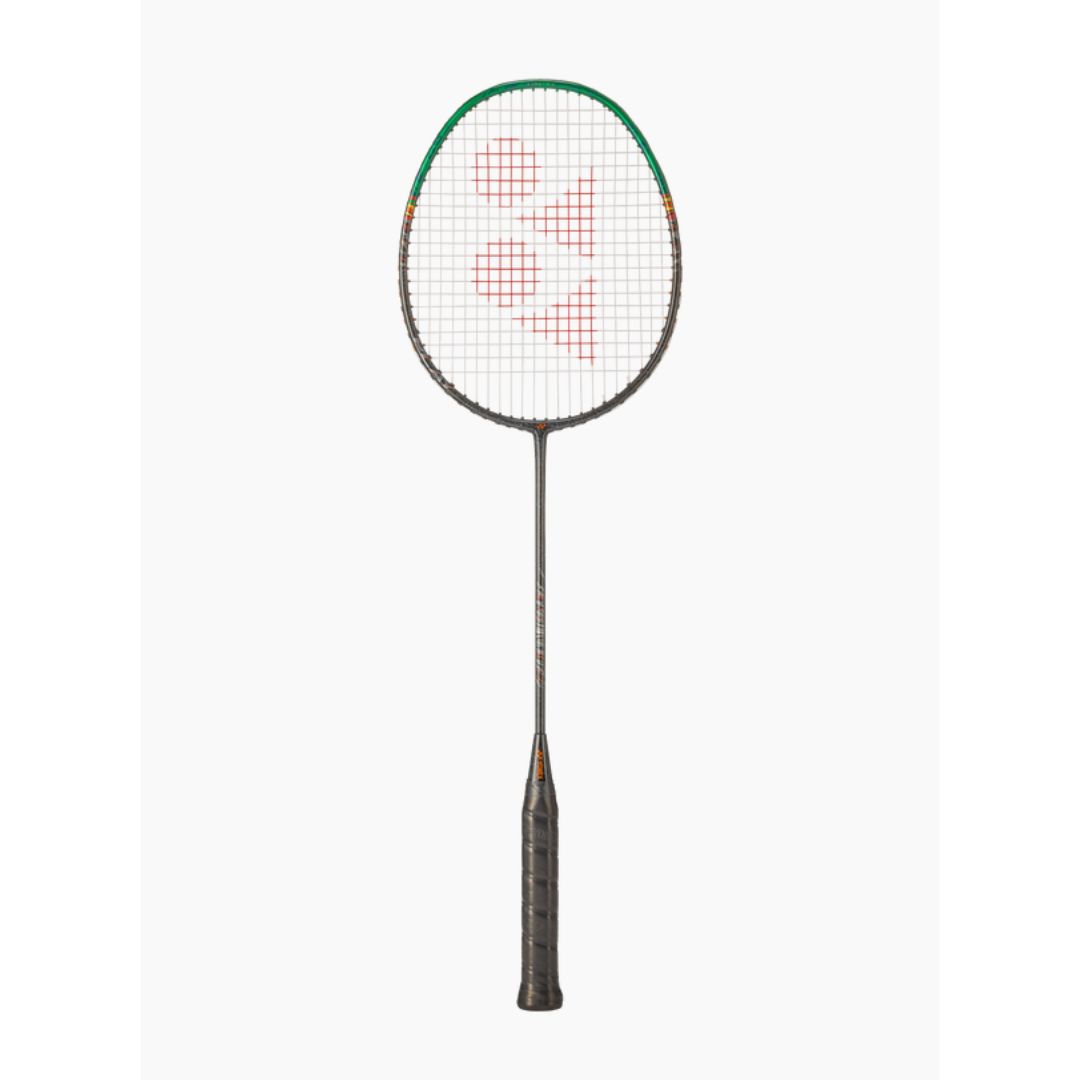
Badminton season 2026-27 in India: what to do before the first session
Badminton season in India is an indoor season. From September, once the monsoon eases and hall bookings open up, club leagues, academy batches, district events and the inter-school and inter-college circuit all restart together. That gives you a short pre-season window in late August — and a racket that has sat in a bag since April is almost never ready for it.
This is a practical pre-season checklist. Work through it in an evening, and you start the season with a racket that plays the way it should rather than discovering the problem two points into a league match.
1. Restring first — string is the cheapest upgrade in badminton
Badminton string loses tension continuously, whether you play or not. A racket strung in March and stored through a humid Indian monsoon will have dropped several pounds and gone noticeably mushy. You feel it as a lack of control on the drop rather than a lack of power.
For most club players, a durable multifilament in the 24-27 lb range is the right starting point. The Yonex Exbolt 68 String at ₹969 is a 0.68 mm string that trades a little repulsion for durability, which suits players who break strings on mishits. The Li-Ning No. 7 Badminton String at ₹399 is the budget option for players who restring often and would rather do it three times a season than stretch one job across a year.
Go up in tension only if you are consistently hitting the sweet spot. Higher tension narrows the margin for error; it does not add power for a developing player.
Should you restring or replace the racket?
Replace the frame if it has a hairline crack at the T-joint or grommet line, if the paint is lifting at a stress point, or if the racket is more than a few seasons old and you have outgrown its weight. Otherwise restring — a ₹399 to ₹969 job on a sound frame beats a ₹4,000 replacement.
2. Decide whether this is the season you upgrade the racket
If you are moving from a starter aluminium frame to a full graphite one, pre-season is the time to do it, so you have a few sessions to adapt before matches count.
The Yonex Astrox 99 Play Racket at ₹3,999 is the accessible entry into the Astrox line — head-heavy in feel and aimed at players who want more on the smash. The Victor Badminton Racket TK-66 at ₹4,599 sits in Victor's Thruster attacking family, while the Victor Badminton Racket Nano 7 at ₹3,999 is the more neutral, easier-swinging option for doubles players who want faster hands at the net.
One rule: do not buy a heavier, head-heavier racket than you can control for three games. Fatigue-driven technique changes cause more shoulder and wrist problems than any single smash does.
3. Grip, shuttles and the small stuff
Replace the overgrip before the first session — an old grip that has gone slick is the most common cause of the racket rotating on an overhead. Keep two spares in the bag.
Stock shuttles now rather than in match week. Feather shuttles are speed-graded and need a sealed tube stored away from heat; nylon shuttles last far longer and are the sensible choice for practice sessions in hot halls. Most club players run feather for matches and nylon for drills.
4. Check your shoes before your first competitive match
Badminton is a lateral, stop-start sport played on polished indoor surfaces, and grip is the entire safety system. Court-specific shoes with gum rubber non-marking soles are not an optional upgrade — running shoes have the wrong sole profile and offer no lateral stability.
The Nivia Jury Badminton Shoes at ₹2,999 sit in the popular club bracket. Whatever you play in, run the sole check described in the FAQ below before the season rather than after a slip.
5. Bag audit: what should be in there in September
- Two rackets, both freshly strung at the same tension
- Two spare overgrips and a small towel grip if you sweat heavily
- One tube of match shuttles, one tube of practice shuttles
- Court shoes with usable tread, plus a spare pair of socks
- A basic support or tape if you have a known niggle, and a water bottle
Do this once in late August and the rest of the season is just playing.
Shop the gear
- Yonex Astrox 99 Play Racket — ₹3,999
- Victor Badminton Racket TK-66 — ₹4,599
- Victor Badminton Racket Nano 7 — ₹3,999
- Yonex Exbolt 68 String — ₹969
- Li-Ning No. 7 Badminton String (Assorted Colors) — ₹399
- Nivia Jury Badminton Shoes — ₹2,999
Related reading
- Table Tennis League Season 2026-27 in India: A Club Player's Gear Checklist
- Sports Shoe Insoles in India: Do You Actually Need Aftermarket Arch Support?
- Wrist Supports for Sport in India: When You Need One and How to Choose
Frequently asked questions
When does badminton season start in India?
Most club, district and academy badminton in India runs an indoor season from roughly September to February, once the monsoon has passed and hall bookings free up. Inter-school and inter-college tournaments cluster in the same window, and state ranking events are usually spread across it. That makes late August the natural time to restring, replace grips and check your shoes.
How often should I restring my badminton racket?
The old rule of thumb is to restring as many times a year as you play per week — twice a week means roughly two restrings a year. In practice, restring when the string bed feels dead, when the strings have shifted out of line repeatedly, or when a broken string leaves you playing on a frame that has sat under uneven tension. Fresh string at ₹399 to ₹969 is the cheapest performance upgrade in badminton.
What should I check on my badminton shoes before the season?
Press the sole flat and look for polished, glassy patches on the forefoot and the outside edge of the heel — that is where grip goes first. Then check the midsole for compression creases and the upper for splits near the little toe. Non-marking gum soles wear smooth well before the shoe looks worn out, and a smooth sole on a polished wooden court is a genuine injury risk.


