Best Swim Caps: Silicone vs Latex (India Buying Guide)
Silicone or latex? A clear comparison of swim cap materials for fit, warmth and durability, with value picks for Indian swimmers.
Best swim caps in India: silicone vs latex explained
A swim cap is a small buy that makes a real difference — less drag, hair kept out of your face, and a little warmth in cold pools. But the first decision when picking the best swim cap is the material: silicone vs latex. They feel and perform quite differently, and the right one depends on your hair, how often you swim, and your budget.
Silicone vs latex: the quick verdict
| Factor | Silicone | Latex |
|---|---|---|
| Durability | Long-lasting | Wears faster |
| Comfort | Softer, less hair-pull | Thinner, can tug |
| Warmth | Warmer | Cooler, breathable |
| Price | Higher | Cheaper |
| Allergies | Latex-free | Not for latex allergies |
Who should choose silicone
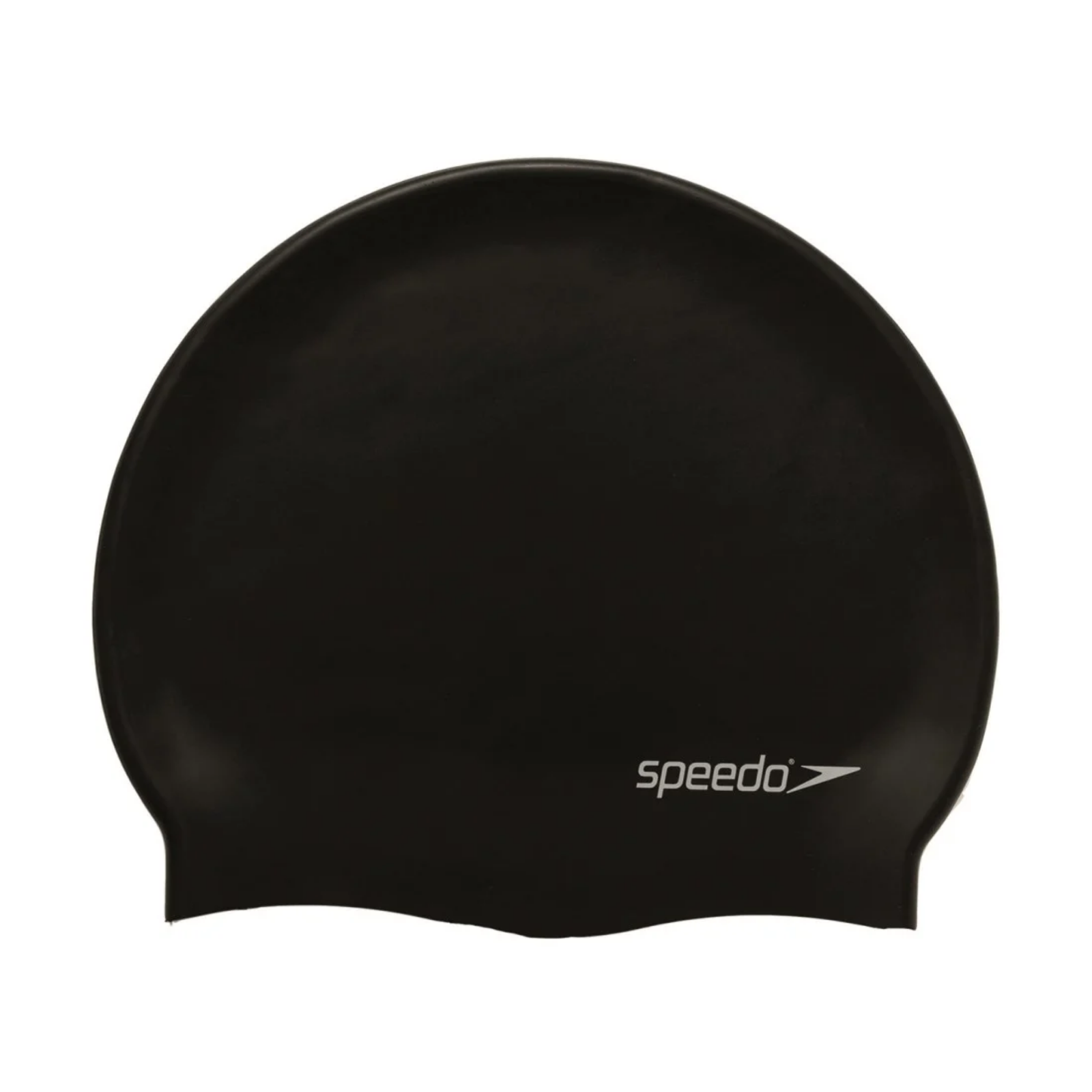
Silicone is the modern default for most swimmers. It is thicker, more durable, gentler on hair and warmer in cool water, and it slides on without the snagging latex can cause. A Speedo Flat Silicone Swimming Cap (₹423) is a dependable, well-fitting silicone cap that lasts season after season, while the Puls8 Sealux Swimming Cap (₹199) is a great-value silicone option if you want the benefits without spending much. Anyone with a latex allergy should choose silicone, full stop.
Who should choose latex
Latex caps are thinner, cooler and cheaper. They breathe better in warm outdoor pools and are easy on the wallet if you lose caps often or buy for a whole family. The trade-off is durability — they tear more easily and pull hair more — so they suit occasional swimmers and budget buyers. A simple, affordable cap like the Cockatoo Swimming Cap (₹179) is an easy starter for casual pool sessions.
Getting the fit and care right
A good cap should feel snug but not painful, covering your hairline with no gaps at the edges. To put one on, stretch it with both hands and pull from forehead to nape. Long hair? Tuck it in or tie it low first. Rinse the cap in fresh water after every swim, dry it flat and dust silicone caps lightly with talc to stop them sticking to themselves in storage. A torn or stretched-out cap drags and lets water in, so replace it once it loses its shape. And remember a cap is not goggles — pair it with a well-sealing pair like the Burn Swimming Goggle (₹499) for a complete, comfortable setup that keeps both water and chlorine sting at bay.
The bottom line
Sizing, kids and the two-cap trick
Most adult caps are one-size-stretchy, but children's heads vary, so look for junior sizing for younger swimmers to avoid a cap that rolls up or pinches. Long-haired swimmers sometimes use the two-cap method favoured by competitive swimmers — a latex cap underneath for grip and a silicone cap on top for a smooth, secure outer layer that cuts drag and stops goggle straps slipping. Buy a spare regardless of material; caps are cheap, easy to misplace at the pool, and the one time you forget yours is the day you most want it.
For most swimmers, a silicone cap is the better long-term buy — comfortable, warm and durable. Choose latex only if you want the cheapest option or swim mainly in warm outdoor pools, and never if you have a latex allergy.
Shop the gear
- Cockatoo Swimming Cap — ₹179
₹199 - Puls8 Sealux Swimming Cap — ₹199
- Speedo Flat Silicone Swimming Cap — ₹423
₹529 - Burn Swimming Goggle — ₹499
₹999
Related reading
Frequently asked questions
Is a silicone or latex swim cap better?
Silicone is better for most swimmers: it is more durable, warmer, gentler on hair and latex-free. Latex is thinner, cooler and cheaper, suiting warm outdoor pools and budget buyers, but it tears and tugs more.
Do swim caps keep your hair dry?
No cap keeps hair completely dry, but a snug silicone cap with no gaps at the hairline keeps most water out and reduces drag. Tuck long hair in or tie it low before pulling the cap on for the best seal.
Can I wear a swim cap with a latex allergy?
Yes — choose a silicone cap, which is latex-free. Avoid latex caps entirely if you have a latex allergy.