
Li-Ning Ultra III Badminton Shoes Review & Buying Guide (India)
A ₹2,999 court shoe with a non-marking sole and a wide toe box. Who the Li-Ning Ultra III suits, how it fits, and when to spend more.
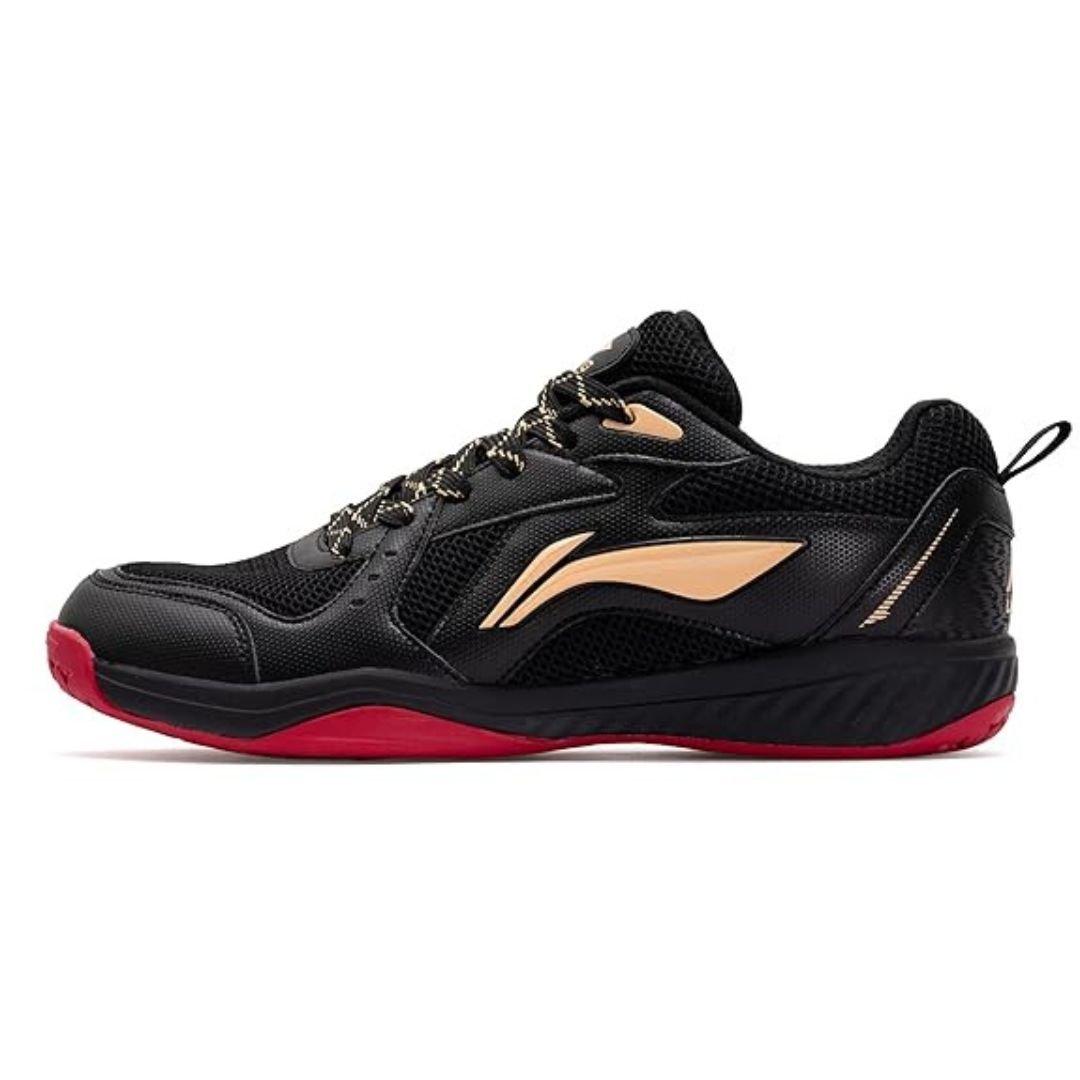
Li-Ning Ultra III badminton shoes review and buying guide (India)
The Li-Ning Ultra III is one of the most-bought sub-₹3,000 badminton shoes in India, and it sits at a useful spot in the range: proper court shoe construction and a non-marking sole, without the ₹6,000–9,000 price of a tournament-level model. It is listed at ₹2,999, down from ₹4,390: Lining Ultra III Badminton Shoes.
Short verdict: an excellent second pair of shoes for a club player, and a very good first proper pair for anyone currently playing badminton in running shoes. Not the shoe for a heavy, high-mileage player who trains five days a week.
What you get
- Sole: improved non-marking rubber outsole — the requirement for almost every indoor wooden and synthetic court in India, and the reason running shoes get you turned away.
- Cushioning: Li-Ning's "power mode" bounce cushioning in the midsole, aimed at rebound off the lunge rather than plush softness.
- Upper: breathable mesh with a wider toe box than most badminton shoes at this price, which matters in Indian sizing where a lot of players run wide.
- Stability: a stiffened sole platform to resist rolling on lateral pushes.
Are Li-Ning Ultra III shoes good for beginners?
Yes, and this is the shoe's strongest case. The two things that actually injure new badminton players are running-shoe soles slipping on court and inadequate lateral support during the lunge. The Ultra III fixes both. The cushioning is firm rather than soft, which feels less comfortable for the first two sessions and considerably better by the fifth, because you want feedback from the floor, not isolation from it.
If you currently play in running shoes, this is the single highest-value upgrade available to you at under ₹3,000.
Li-Ning Ultra III sizing: what to know before you order
The most consistent piece of feedback on this model in India is that the size chart is not reliable, and buyers frequently report a fit that runs slightly narrow in length even though the toe box is wide. Practical advice:
- Measure your foot in centimetres, heel to longest toe, in the evening when your foot is at its largest.
- Add 5–10 mm of headroom. Badminton is a forward-lunging sport and a toe hitting the front of the shoe on every lunge will cost you a toenail.
- If you are between sizes, size up. Thin badminton socks are easier to swap than the shoe.
- Wide-footed players generally get on well with this model — the mesh upper gives at the forefoot in a way stiffer synthetic uppers do not.
Who should buy something else
- Heavy or high-mileage players. If you train four or five sessions a week, the midsole will pack down within eight to ten months. Budget for a shoe with a denser midsole instead.
- Players who need pronation control. This is a neutral court shoe. If you have flat feet and known overpronation, look for a model with a firmer medial post.
- Outdoor and cement-court players. Non-marking gum rubber is designed for indoor surfaces and wears fast on abrasive concrete.
How long do Li-Ning Ultra III shoes last?
For a recreational player at two or three sessions a week on indoor courts, expect roughly 12–18 months before the cushioning flattens and the outsole grip pattern smooths out. Grip goes before the upper does. A useful test: if you can feel yourself sliding on a hard stop that used to be planted, the shoe is done, regardless of how it looks.
Building out the rest of the kit
The shoe is the expensive part; the rest is small money that makes a large difference:
- Li-Ning GP-24 Overgrip, pack of 6 at ₹499 — the cheapest way to stop a racket slipping in Indian humidity. Change it more often than you think.
- Li-Ning No. 7 Badminton String at ₹399 — a durable multi-purpose string for club players who break strings and would rather not restring monthly.
- Li-Ning Raider Max Badminton Kit Bag at ₹999 — enough space for two rackets plus shoes, and keeping shoes out of the racket compartment matters more than it sounds.
- Li-Ning Hot Shot Triple Zipper Kit Bag at ₹1,289 for players carrying more.
Verdict
At ₹2,999 the Ultra III is not trying to be a tournament shoe and does not pretend otherwise. What it does is deliver correct court-shoe geometry, a non-marking sole and enough lateral support for club-level play at a price most Indian players will actually pay. For a first proper badminton shoe, or a rotation pair to extend the life of an expensive one, it is a straightforward recommendation.
Shop the gear
- Lining Ultra III Badminton Shoes — ₹2,999
- Li-Ning GP-24 Overgrip (Pack of 6) — ₹499
- Li-Ning No. 7 Badminton String — ₹399
- Li-Ning Raider Max Badminton Kit Bag — ₹999
- Li-Ning Hot Shot Triple Zipper Badminton Kit Bag — ₹1,289
Related reading
- How to Choose Badminton Shoes: A Buying Guide for India
- Badminton Shoes for Flat Feet and Wide Feet in India: Fit Problems and Fixes
- Indoor Badminton Season 2026-27: Non-Marking Court Shoes and Grip Checklist
Frequently asked questions
Are Li-Ning Ultra III badminton shoes good for beginners?
Yes. They provide the two things beginners most need — a non-marking rubber outsole with proper court grip and lateral support through the lunge — at ₹2,999. If you currently play badminton in running shoes, this is the highest-value upgrade available under ₹3,000.
Do Li-Ning Ultra III shoes run true to size?
Indian buyers frequently report that the size chart is unreliable and the shoe can feel short in length even though the toe box is comparatively wide. Measure your foot in centimetres in the evening, allow 5–10 mm of toe room, and size up if you are between sizes.
How long do Li-Ning Ultra III badminton shoes last?
For a recreational player using them two or three times a week on indoor courts, expect roughly 12 to 18 months. The outsole grip usually degrades before the upper fails, so replace them when you start sliding on hard stops rather than waiting for visible damage.


