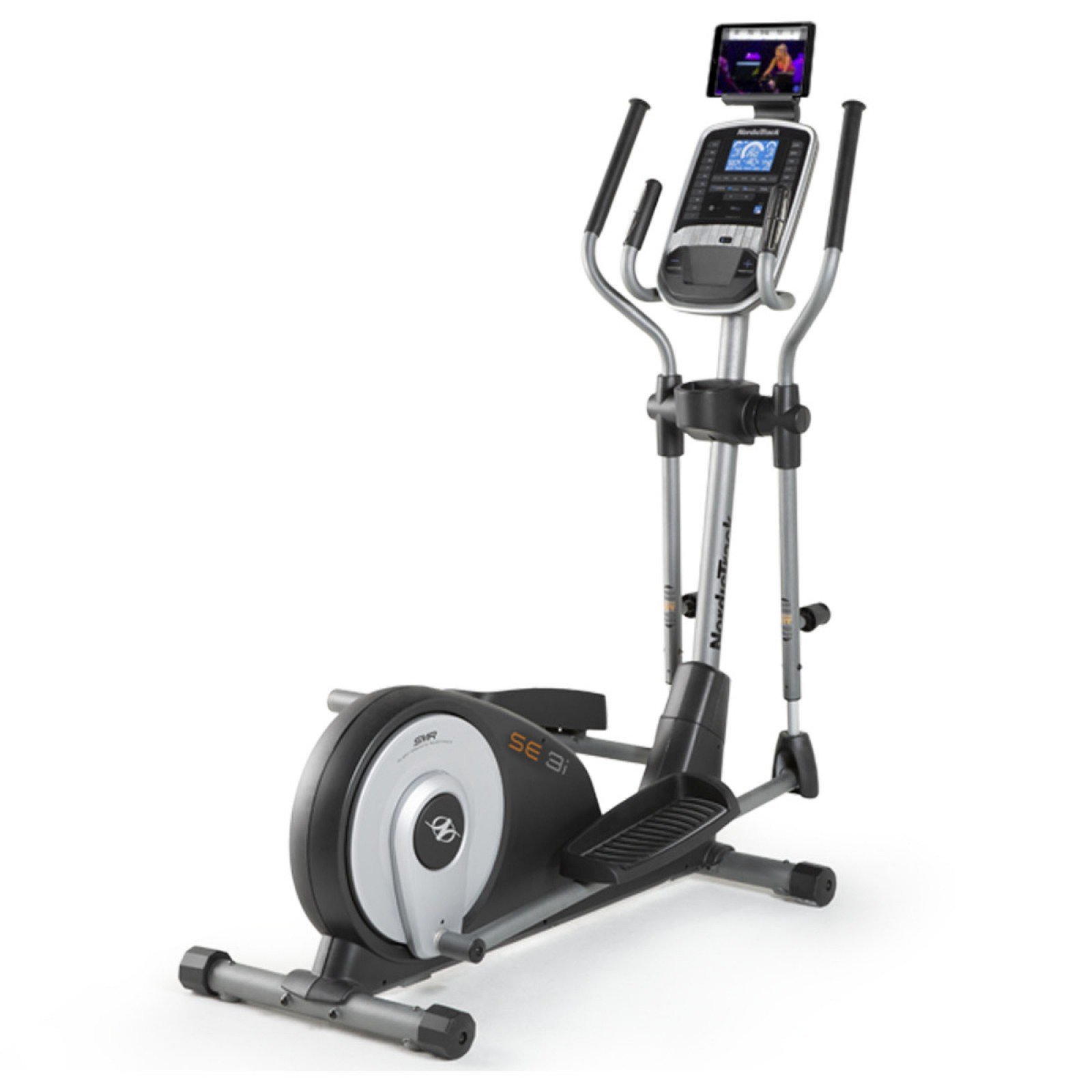
Recumbent vs Upright Exercise Bikes: Which Should You Buy? (India)
Recumbent or upright? A practical comparison of posture, joint load, intensity and price for Indian home gyms.
Recumbent vs upright exercise bikes: which should you buy in India?
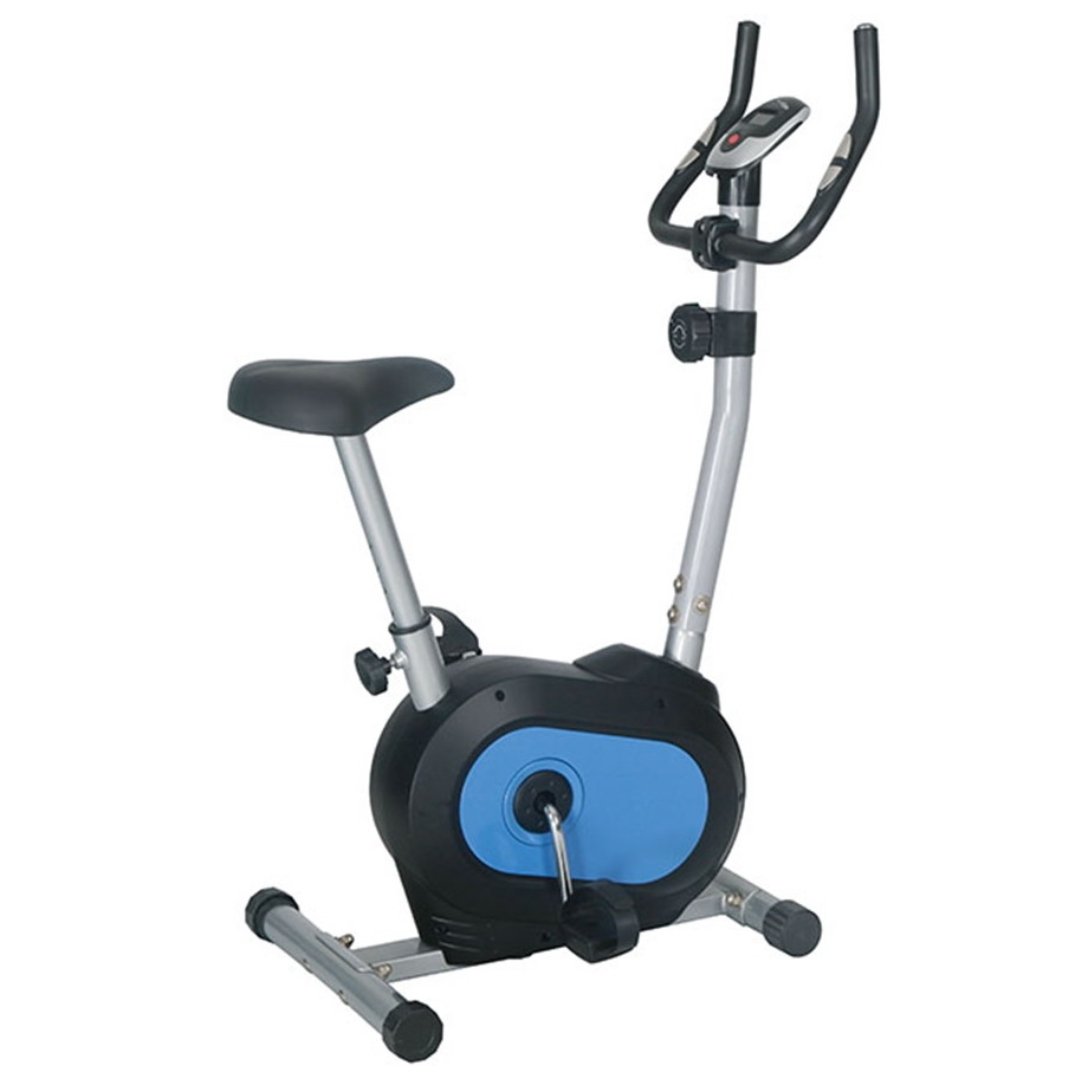
The recumbent vs upright exercise bike question usually gets answered badly, because the two machines are not competing for the same job. An upright bike puts you in a cycling posture over the pedals. A recumbent bike sits you in a reclined bucket seat with a backrest and the pedals out in front. Both give you cardio; only one of them will keep you coming back, and which one depends entirely on your back, your knees and how hard you actually intend to work.
What is the difference between a recumbent and an upright bike?
| Upright bike | Recumbent bike | |
|---|---|---|
| Posture | Seated over pedals, saddle | Reclined, full backrest |
| Joint load | Moderate; some wrist and lower-back load | Lowest; back supported |
| Intensity ceiling | High — you can stand and sprint | Moderate — seated only |
| Floor space | Smaller footprint | Longer, needs more room |
| Typical India price | From ₹15,999 | From ₹27,999 |
Broadly: an upright bike burns more per hour at the same perceived effort because your core and glutes work harder to hold position. A recumbent bike lets you ride longer without discomfort, which for most beginners is worth more than a 20% calorie difference on paper.
Who should buy an upright exercise bike?
If you have no back or knee complaints, want interval sessions, and have a small flat, an upright is the sensible buy. The Cosco CEB22U (₹15,999) is the entry point — magnetic resistance, small footprint, fine for 30-minute sessions. Step up to the Cosco CEB77U (₹21,999) if you are heavier, taller, or plan to ride five days a week; the heavier flywheel makes the pedal stroke noticeably smoother.
Who should buy a recumbent exercise bike?
Buy recumbent if you have lower-back pain, knee arthritis, are returning from injury, are over 55, or are simply starting from a low base and need the workout to be pleasant. The Cosco Recumbent Bike CEB-70R (₹27,999) covers the basics well. The ProForm USA 310 CSX (₹29,999) adds built-in workout programs and a better console, which matters more than people expect — structure is what stops a bike becoming a clothes rack.
None of this is medical advice. If you are managing an injury or a heart condition, talk to your doctor before starting a new cardio programme.
Is a recumbent bike good for weight loss?
Yes, if you use it. Weight loss follows total energy expenditure and diet, not machine type. A recumbent ridden four times a week beats an upright ridden twice.
How much space do you need?
Budget roughly 1.2m × 0.6m for an upright and 1.6m × 0.7m for a recumbent, plus half a metre behind for getting on and off. Measure before you order — these do not fit under a bed.
Buying checklist
- Resistance type: magnetic, not friction pads. Quieter and near maintenance-free.
- Flywheel weight: heavier is smoother. Under 5kg feels choppy.
- User weight limit: check it, and leave 15kg of headroom.
- Seat adjustment: vertical and fore-aft on uprights; sliding rail on recumbents.
- Warranty: frame and motor/console terms differ; read both.
Shop the gear
- Cosco CEB22U Upright Bike — ₹15,999
- Cosco CEB77U Upright Bike — ₹21,999
- Cosco Recumbent Bike CEB-70R — ₹27,999
- ProForm USA 310 CSX Exercise Recumbent Bike — ₹29,999
Related reading
- Best Exercise Bikes for Home in India: A Practical Buying Guide
- Spin Bikes Are Booming in Indian Homes: Your Indoor Cycling Gear Guide
- Monsoon Indoor Cardio at Home: A Gear Guide for India
Frequently asked questions
Is a recumbent or upright bike better for beginners?
A recumbent bike is easier to start on because the backrest removes lower-back and wrist strain. An upright bike is better if you want higher-intensity intervals and have limited floor space.
Do recumbent bikes burn fewer calories?
Slightly, at the same duration and perceived effort, because your core and upper body do less work. In practice the difference is small compared to how consistently you ride.
What is a reasonable budget for a home exercise bike in India?
Upright bikes start around ₹15,999 and recumbent bikes around ₹27,999. Below that, flywheels are light and consoles unreliable.