The Home Fitness Boom: Building a Gym That Lasts
Home gyms are everywhere in India right now — but a lot of that equipment won't survive a year of real use. Here's how to buy for the long haul.

The home fitness boom in India is real — but not all of that equipment is built to last
Home gyms have gone from a pandemic-era workaround to a permanent fixture in a lot of Indian homes — a corner of a spare room, a balcony, or a repurposed store room now doubles as a training space for people who've decided commuting to a gym isn't worth the time. The gear market has scaled to match that demand, which is mostly good news, but it's also created a flood of equipment priced to move rather than built to survive years of actual use. If you're setting up a home gym you intend to keep using in three years, not three months, here's what separates the two.
Why so much home gym equipment fails early
The most common failure points in budget home gym gear aren't dramatic — they're small things that compound. Upholstery on a cheap bench splits at the seams after a few months of sweat and sitting down hard. Bike flywheels and resistance mechanisms on entry-level exercise bikes wear unevenly and start clicking or slipping within a year. Welds on adjustable benches and racks that looked fine in photos turn out to flex under real load. None of this shows up in a five-minute showroom test — it shows up in month eight, which is exactly why "durable" is worth paying for upfront rather than learning the hard way.
What actually signals durability before you buy
A few things are worth checking before any bench, bike or bar purchase: a stated maximum user weight that's comfortably above your own (a bench rated close to your bodyweight has no real safety margin), a steel gauge and welded — not bolted — frame construction where possible, and a warranty period that the brand is willing to put in writing rather than a vague "quality guaranteed" line. Commercial or semi-commercial branded equipment, even at a higher price point, is usually built to a genuinely different tolerance than consumer-grade budget lines, because it has to survive multiple users a day in a gym setting rather than occasional home use.
The equipment worth spending more on
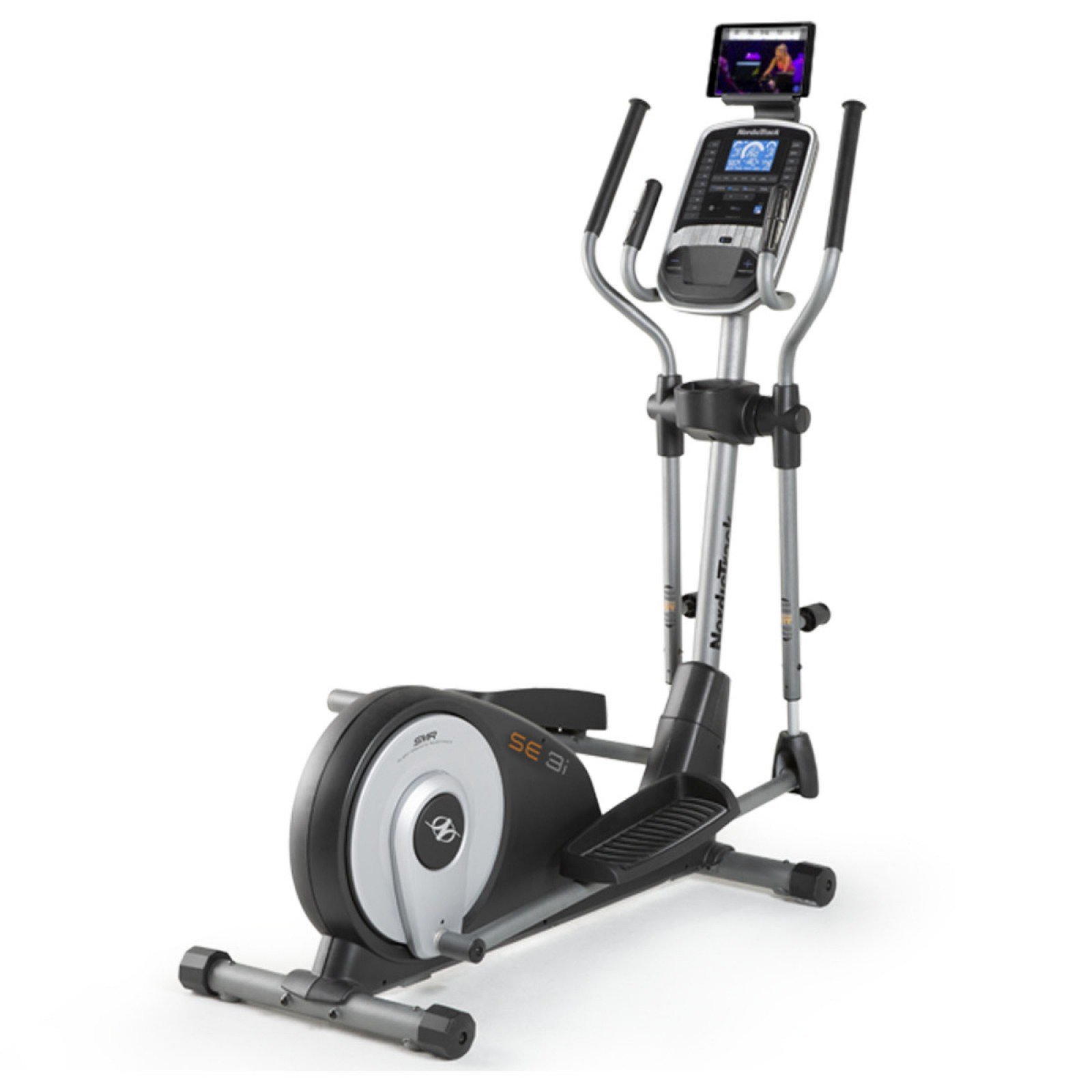
Benches and cardio machines with moving parts — bikes, rowers, ellipticals — are where build quality matters most, because they see repeated mechanical stress that a static item like a yoga mat or a set of fixed dumbbells simply doesn't. A flat bench built on a commercial frame, like the Body-Solid USA Flat Bench GFB350, is the kind of purchase that's genuinely cheaper over five years than replacing a wobbly ₹4,000 bench twice in that time. The same logic applies to an upright or recumbent exercise bike — a Horizon or ProForm-branded machine with a proper drive mechanism tends to stay smooth and quiet years longer than a no-name equivalent at a similar price.
Where you can safely spend less
Not everything needs the premium treatment. Fixed-weight dumbbells, kettlebells, resistance bands, skipping ropes and yoga mats have no moving mechanical parts to wear out, so a budget option here is usually fine as long as the materials feel solid in hand — check for cracking rubber coatings or thin, flexible plastic on dumbbell heads as an early warning sign, but there's little reason to overspend on these categories the way there is on machines.
Setting a realistic budget for a gym that lasts
A durable home gym doesn't have to mean spending everything at once. A sensible approach is to buy the mechanical, load-bearing pieces — a bench, a bike, a rack if you're going that route — from a properly built line even if it costs more, and fill in the rest with budget-friendly free weights and accessories. That mix gets you genuine longevity where it matters and keeps the total spend reasonable, rather than either overspending across the board or under-building on the pieces that actually take the daily wear.
Shop the gear
- Body-Solid USA Flat Bench GFB350 — ₹18749
- Horizon 5.0U Upright Bike — ₹67893
- ProForm USA 310 CSX Exercise Recumbent Bike — ₹29999
- Adidas Performance AB Bench — ₹8999
Related reading
- Building a Home Gym in India Under ₹50,000: What to Buy First
- Compact Home Gym Setups Are Booming in India (2026): What Actually Fits a City Apartment
Frequently asked questions
What actually breaks first on cheap home gym equipment?
Upholstery seams on benches, flywheel and resistance mechanisms on bikes, and welds on adjustable frames are the most common early failure points — none of which are obvious in a quick showroom check.
Is it worth paying more for a commercial-grade home gym bench?
Usually yes, if you plan to use it for years. Commercial or semi-commercial frames are built to handle repeated daily stress and tend to outlast budget benches by several years, which often works out cheaper than replacing a cheap one twice over.
Where can I safely save money when building a home gym?
Static equipment without moving mechanical parts — dumbbells, kettlebells, resistance bands, mats — doesn't wear the same way machines do, so budget options here are generally fine as long as the materials feel solid.