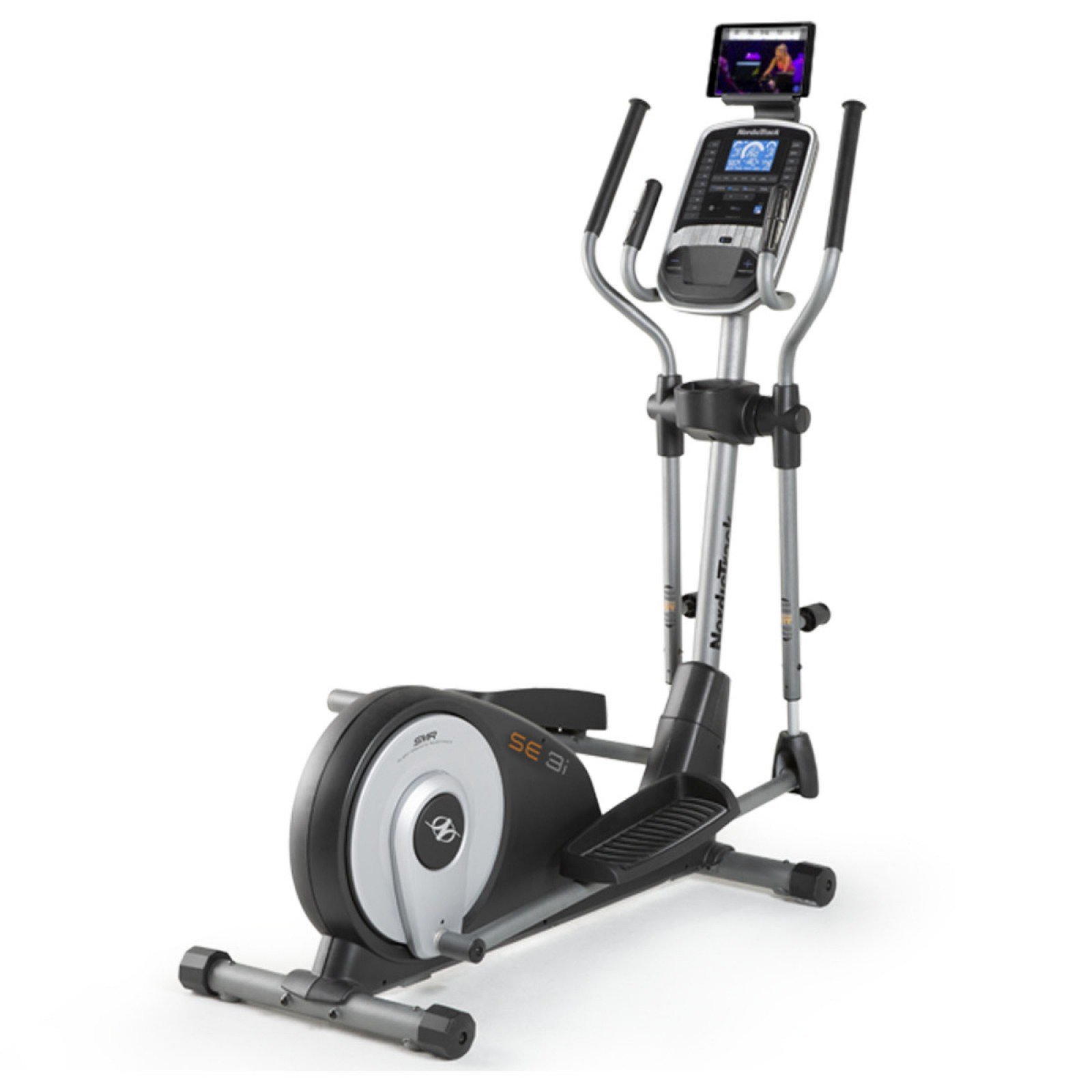
Viva E200 Commercial Elliptical Review & Buying Guide (India)
A full commercial-grade elliptical for home use — here's whether the Viva E200 is worth ₹1,21,875 for Indian buyers.

Viva E200 Commercial Elliptical review and buying guide for India
The Viva E200 Commercial Elliptical sits at the premium end of home cardio equipment sold in India, priced at ₹1,21,875 (down from a listed ₹1,62,500). At that price, it's competing with genuine gym-grade machines rather than the budget ellipticals most home buyers are used to. Here's an honest look at what you get, who it actually suits, and whether it's worth the spend.
What "commercial-grade" means here
Unlike most home ellipticals, which are built to handle a few hours of use a week, a commercial-rated machine like the E200 is engineered for sustained, heavier daily use — the kind you'd expect in a gym rather than a spare room. That typically means a heavier flywheel, a sturdier frame, and components rated for a higher duty cycle, which translates to a smoother stride and less wobble at higher resistance than lighter home units. For a buyer who works out five or six days a week, or a household where multiple people use the machine daily, that durability difference matters more than the spec sheet numbers alone suggest.
The core workout experience
The E200 is built around a full-body, low-impact motion that engages both the upper and lower body simultaneously through moving handlebars, which is the main advantage an elliptical has over a treadmill — you get a genuine upper-body workout alongside the legs, and the gliding motion keeps impact off the knees and hips. This matters particularly for anyone recovering from a joint issue, carrying extra weight, or simply looking for a cardio option that's gentler than running on Indian tarmac or a treadmill belt. The smooth, natural stride is designed to reduce joint strain while still delivering a genuine cardiovascular workout when you push the resistance up.
Who should buy this
The E200 makes the most sense for a household that has already decided cardio equipment is a long-term investment, not a New Year's resolution purchase likely to gather dust by March. It suits multiple users of different heights and fitness levels well, since commercial-grade machines are generally built with a wider adjustment range and sturdier construction to handle varied body types. If you have the space and budget, and you know you'll use it several times a week for years, the durability premium pays for itself. If you're testing whether elliptical training suits you at all, or space and budget are tight, a smaller home-grade elliptical is the more sensible starting point.
What to check before buying
Before committing to a machine this size, measure your available floor space carefully — commercial ellipticals have a larger footprint than compact home units, and you'll want clearance on both sides for the full stride length, not just front-to-back. Check the weight capacity against every household member who might use it, and ask about warranty terms specifically for the motor and frame, since that's where commercial-grade machines are meant to outlast cheaper alternatives. Finally, factor in delivery and assembly — a machine this size and weight is not a DIY unboxing job for most buyers.
Elliptical vs treadmill vs exercise bike: where the E200 fits
If you're deciding between cardio equipment types rather than models, the key trade-off is impact versus intensity. A treadmill lets you run at genuine race pace but puts real impact through your joints with every stride. An exercise bike is the gentlest on joints but works mainly the lower body. An elliptical like the E200 sits in between — low impact like a bike, but with the added upper-body engagement and a stride that more closely mimics walking or running mechanics, which is why many physiotherapists suggest ellipticals for people easing back into cardio after an injury or a long break from exercise.
Keeping a commercial elliptical running well at home
Even a well-built machine needs basic upkeep in Indian conditions. Wipe down the frame and handlebars after use, since sweat and humidity accelerate corrosion on moving joints faster than in drier climates. Keep the machine out of direct sun if it's placed near a balcony or window, and have the pedal arms and resistance mechanism checked periodically if you notice any new creaking or resistance inconsistency — catching a minor issue early on a machine this size is far cheaper than a major repair down the line.
Is it worth ₹1,21,875?
For a household serious about home cardio and planning to use the machine for years rather than months, the E200's build quality and low-impact, full-body design justify the price relative to cheaper alternatives that often need replacing within a couple of years of heavy use. For occasional or first-time users, the price is hard to justify versus a mid-range elliptical costing a fraction as much — the E200 is a machine for people who already know they'll use it, not one meant to build that habit from scratch.
Shop the gear
- Viva E200 Commercial Elliptical — ₹121875
Related reading
- NordicTrack SE3i Elliptical Cross Trainer Review & Buying Guide (India)
- Cosco CEB22U Upright Bike Review & Buying Guide (India)
- Building a Home Gym in India Under ₹50,000: What to Buy First
Frequently asked questions
Is the Viva E200 elliptical good for beginners?
It can be, but its price and commercial-grade build are really aimed at buyers who already know they'll use an elliptical regularly. First-time users testing whether elliptical training suits them may prefer a smaller, cheaper home elliptical first.
What's the difference between a commercial and home-grade elliptical?
Commercial-grade machines like the E200 use heavier flywheels and sturdier frames rated for higher daily use, which means better durability and a smoother stride, at a higher price than lighter home-only units.
Is an elliptical better than a treadmill for joint pain?
Ellipticals are generally lower-impact than treadmills because your feet stay on the pedals rather than striking the ground, which is why they're often recommended for people easing back into cardio after an injury. This isn't medical advice — check with a doctor or physiotherapist for guidance specific to your condition.