Winter Swim Season in India (2026-27): How to Keep Training Through Cold Mornings
Cold mornings thin out lane numbers every December. Here is how Indian swimmers stay in the water through winter, and the kit that makes 6am bearable.
Winter swimming in India: why cold mornings break training streaks
Winter swimming in India is less about ice-bath heroics and more about one small decision made at 5:40am: get in the car, or go back to sleep. From late November through February, unheated outdoor pools in Delhi, Jaipur, Pune and Bengaluru sit somewhere in the low-to-mid twenties Celsius, and lane counts drop by half. The swimmers who keep their fitness through the season are rarely the toughest ones. They are the ones who removed friction — kit ready the night before, a cap that actually keeps heat in, and a warm-up that starts on the pool deck rather than in the water.
This guide covers what changes in winter, how to structure a cold-morning session, and the swim kit worth sorting before the temperature drops.
How cold is an Indian pool in winter, really?
Competitive pools are typically maintained around 26-28°C. Unheated club and society pools follow air temperature with a lag, so a north Indian pool can settle into the low twenties in January while a Chennai or Mumbai pool stays comfortable all year. The practical test is not the number, it is the first 200m: if your breathing is still ragged and shoulders still tight after two lengths, the water is cold enough that you need a longer land warm-up and a shorter, sharper session.
What actually helps you stay warm in the water
- Cover your head. A silicone cap is the single biggest win. Latex is thinner and cheaper; silicone traps more warmth and lasts longer.
- Keep moving. Long rest intervals are what make you cold, not the swim itself. In winter, shorter rests and continuous sets beat long recoveries.
- Warm up on deck. Two minutes of arm swings, band pulls and jumping jacks raises heart rate before you get in, which makes the first length far less shocking.
- Have a dry exit plan. A towel, a hoodie and dry footwear within arm's reach of the pool edge. Getting cold after the swim is what kills the habit.
Cold-water immersion carries real risks for people with heart or blood-pressure conditions. This is general training information, not medical advice — check with a doctor before starting cold-water sessions if you have any underlying condition.
Cold-morning swim kit: what to buy before December
Caps: silicone over latex for winter
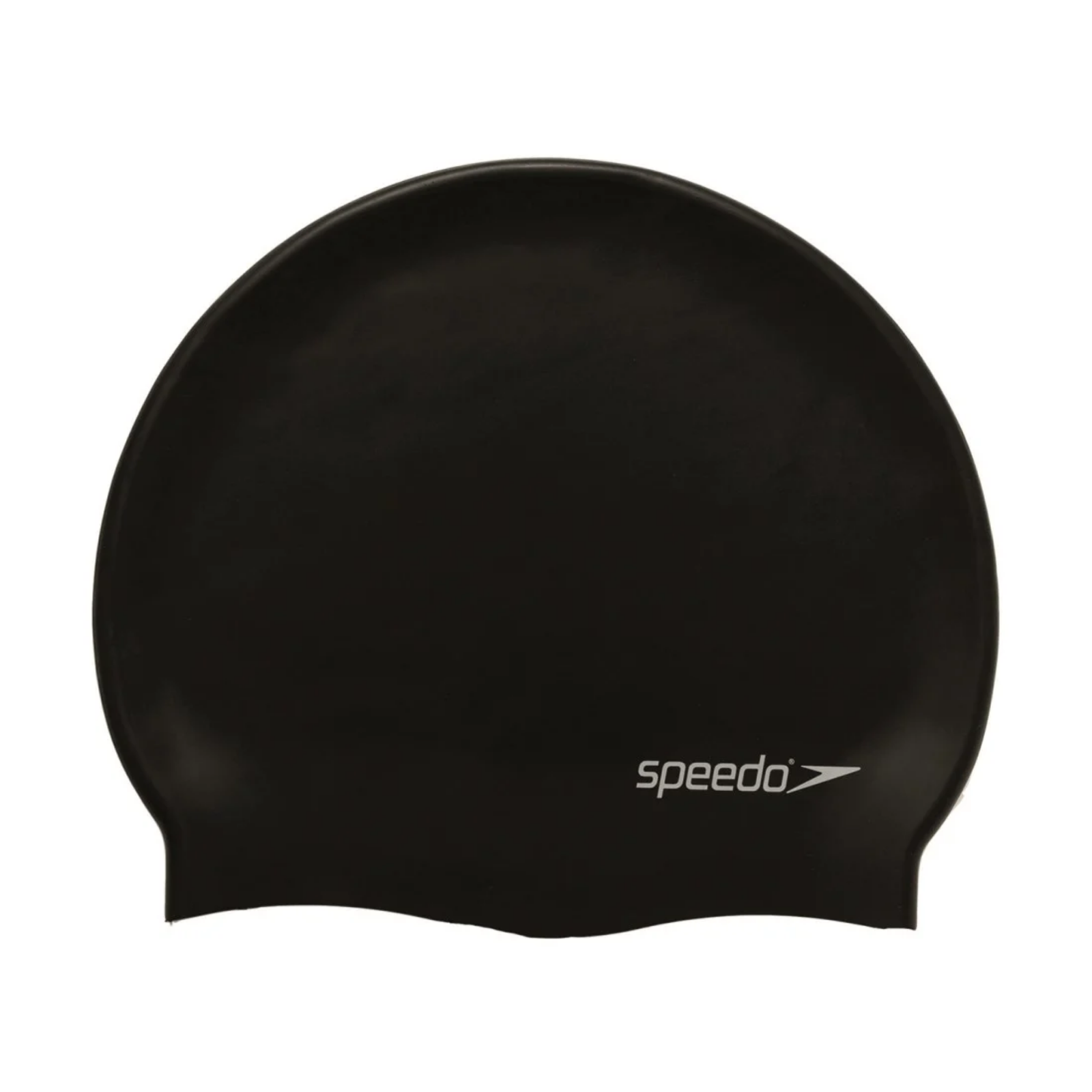
A moulded silicone cap sits closer to the skull and traps a thin layer of warm water; a flat silicone cap is easier to pull on and gentler on long hair. The Speedo Moulded Silicone Swimming Cap at ₹699 is the warmer shape, while the Speedo Flat Silicon Swimming Cap at ₹423 is the easier everyday option. If you are buying two so one is always dry, the Cockatoo Swimming Cap at ₹179 or the Puls8 Sealux Swimming Cap at ₹199 make sensible spares.
Goggles: fog is worse in winter
Cold water plus a warm face is a fog machine. Winter is when a fresh pair matters, because the anti-fog coating on an old set has usually worn through. The Burn Swimming Goggle at ₹499 is a solid budget replacement; the Speedo Futura Hydrospex Swimming Goggle at ₹1,399 offers a wider field of view for early-morning low light. Clear or lightly tinted lenses beat dark mirrored lenses for a 6am winter session — sunrise is late in December and indoor lighting is dim.
The rest of the bag
- Two towels: one for the pool deck, one dry for the changing room.
- Slippers you can step into wet — cold tiles are half the misery.
- A flask of something warm for the drive home.
- Moisturiser and a mild shampoo, because winter air plus chlorine is rough on skin and hair.
A winter session that actually works
Shorten and sharpen. A 2,000m winter session with 20-second rests beats a 3,000m session with a minute between sets, because you never cool down. A simple structure:
| Segment | Distance | Notes |
|---|---|---|
| Deck warm-up | 2-3 min | Arm swings, band pulls, jumping jacks |
| Easy build | 400m | Freestyle, gradually lifting effort |
| Main set | 8 x 100m | 20s rest, moderate-hard |
| Kick / drill | 400m | Keep the legs turning over |
| Cool-down | 200m | Then straight out and dry |
Shop the gear
- Speedo Moulded Silicone Swimming Cap — ₹699
- Speedo Flat Silicon Swimming Cap — ₹423
- Speedo Futura Hydrospex Swimming Goggle — ₹1,399
- Burn Swimming Goggle — ₹499
- Cockatoo Swimming Cap — ₹179
Related reading
- Best Swim Caps: Silicone vs Latex (India Buying Guide)
- Best Swimming Gear for Fitness Swimmers in India: A Lap-Swimming Kit Guide
- Chlorine Care for Swimmers in India: Protecting Your Skin, Hair and Swim Gear
Frequently asked questions
Is it safe to swim outdoors in winter in India?
For most healthy swimmers, yes — Indian winter pool temperatures are far milder than true cold-water swimming. Warm up on deck, keep sets continuous, and get dry quickly afterwards. If you have a heart or blood-pressure condition, speak to a doctor first. This is general information, not medical advice.
Which swim cap is warmest for cold mornings?
A moulded silicone cap traps the most warmth because it fits closer to the skull. Flat silicone caps are slightly cooler but easier to pull on. Latex caps are the thinnest and least insulating.
How do I stop my goggles fogging in winter?
Cold water and a warm face make fogging worse. Replace goggles once the factory anti-fog coating wears out, rinse in pool water before you start, avoid wiping the inside of the lens with your fingers, and let them air-dry fully between sessions.