
Monsoon Treadmill Care: How to Prevent Rust, Belt and Motor Damage (India 2026)
Humidity is your treadmill's worst enemy. Here is how to keep the belt, deck and motor healthy through the Indian monsoon.
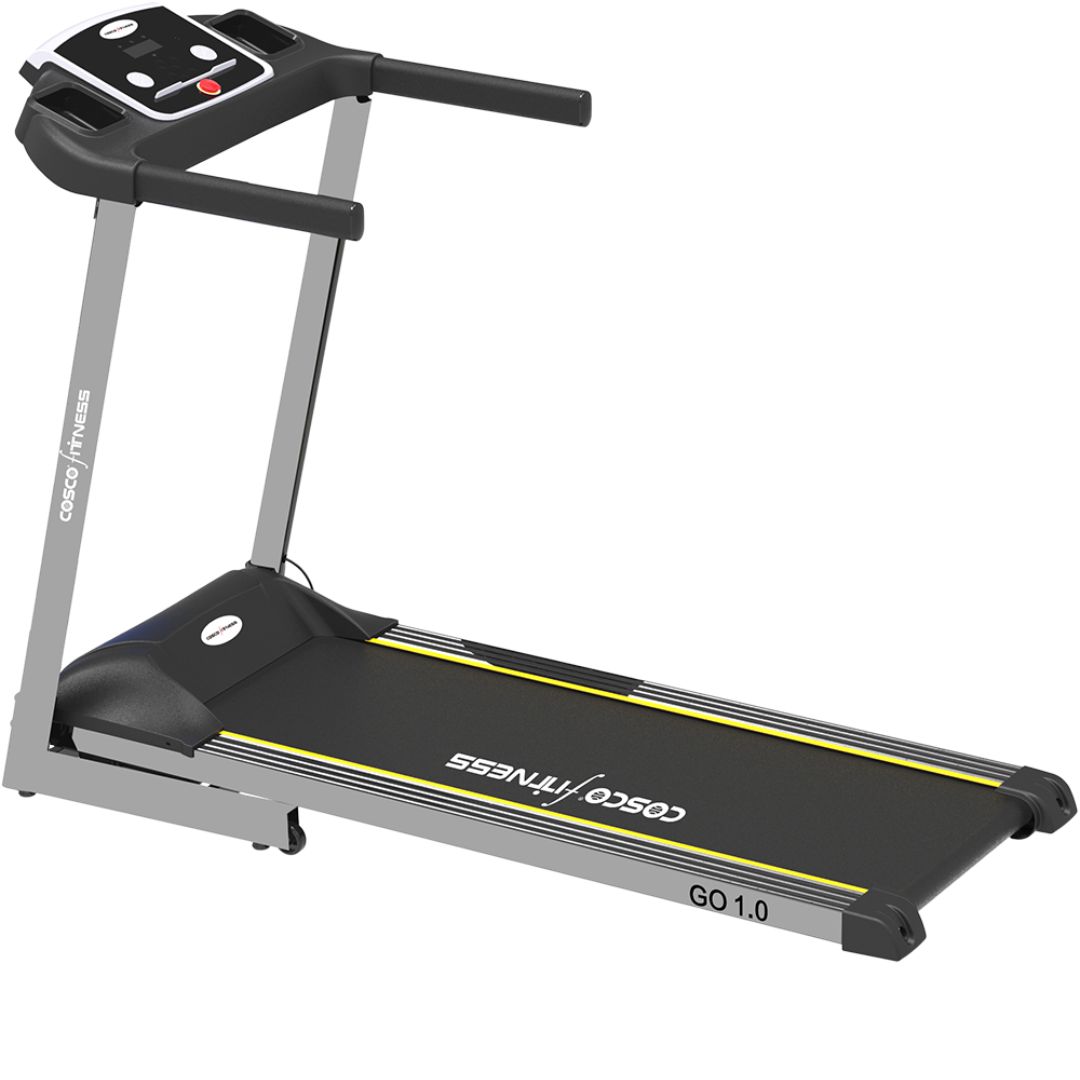
Monsoon treadmill care is the difference between a machine that lasts a decade and one that squeals, slips and rusts within two seasons. Indian monsoon humidity regularly crosses 80%, and that damp air is exactly what a treadmill's steel deck bolts, running belt and electronics dislike most. If you have moved your training indoors for the rains, a few minutes of upkeep each week will protect an investment that often costs tens of thousands of rupees.
This guide covers the practical steps to prevent rust, belt wear and motor damage during the monsoon, plus how to spot early warning signs before they become expensive repairs.
Why monsoon humidity damages treadmills
High humidity affects three parts of a treadmill. First, the running belt and deck: moisture in the air thickens dust into a gritty paste that increases friction, which in turn makes the belt slip and the motor work harder. Second, the motor and control board: condensation can corrode contacts and, in the worst case, cause short circuits. Third, exposed metal hardware such as bolts, the incline frame and the deck's steel plate can develop surface rust that spreads.
The good news is that all three problems are preventable with routine care and the right placement.
Where to place your treadmill during the rains
Keep the treadmill away from open windows, balconies and exterior walls that get damp. Avoid ground-floor rooms that flood or sweat. Ideally place it in a ventilated room with a ceiling fan and, if you have one, run a dehumidifier or the dry mode on an air-conditioner for an hour a day. Never cover a warm treadmill with a plastic sheet straight after a workout, this traps moisture; let it cool first, then cover it loosely with a breathable cloth.
A simple weekly monsoon maintenance routine
Consistency matters more than effort. Follow this rhythm through the rainy months:
- After every run: wipe the belt, deck rails and console with a dry microfibre cloth to remove sweat and dust.
- Weekly: vacuum around and under the motor cover to clear dust that traps moisture.
- Every 2-4 weeks: apply silicone treadmill lubricant under the belt if the manufacturer recommends it. A well-lubricated belt reduces motor strain dramatically.
- Monthly: check belt tension and alignment, and inspect bolts for any early surface rust.
If you are shopping for a low-maintenance machine, motorised home treadmills such as the Cosco Treadmill GO 1.0 are designed for apartment use and are easy to wipe down and store.
Preventing rust on bolts and the deck
Surface rust usually starts on the incline hardware and deck bolts. Once a month, wipe these with a barely-damp cloth then dry immediately, and apply a thin film of silicone spray or a light machine oil to exposed metal. Do not use water directly near the motor housing. If you spot orange spotting, treat it early with a rust remover and re-coat, because rust that reaches the deck plate can warp the running surface.
Protecting the motor and electronics
The motor is the most expensive part to replace, so protect it. Keep the motor cover on at all times, never run the machine with wet feet or a soaked t-shirt, and unplug it during thunderstorms to guard against power surges. If the treadmill has been idle and damp for weeks, run it empty at a slow speed for two to three minutes to drive off condensation before your first proper session.
Signs your treadmill needs attention
Catch problems early. A burning smell means the belt is too dry or too tight and the motor is straining. Belt slipping or pausing under your feet points to tension or lubrication issues. Squeaking usually means dust and moisture in the rollers. A hot motor cover after a short run is a red flag. Address any of these before your next long session rather than pushing through.
Shop the gear
For monsoon-proof indoor training, a sturdy motorised home treadmill is easier to maintain than an open-frame commercial unit.
- Cosco Treadmill GO 1.0 – ₹31,520
- Reebok Treadmill A6.0 (Bluetooth Enabled) – ₹69,999
- Proform USA Smart Treadmill – Cadence LT (iFit Enabled) – ₹49,999
Related reading
- Best Treadmills for Home Use in India: A Practical Buying Guide
- Walking Pads Are Booming in India: Are Under-Desk Treadmills Worth It?
Frequently asked questions
How often should I lubricate my treadmill during the monsoon?
Most home treadmills need silicone lubricant every two to four weeks of regular use, and slightly more often in high humidity. Always check your model's manual, as some belts are pre-lubricated and should not be over-oiled.
Can I keep my treadmill on a balcony during the rains?
It is not recommended. Even a covered balcony exposes the motor and electronics to damp air and splashing, which accelerates rust and corrosion. Keep it indoors in a ventilated room.
What is the best way to store a treadmill in the monsoon?
Let it cool after use, wipe it dry, then cover it loosely with a breathable cloth rather than sealing plastic. Store it away from exterior walls and run it briefly before the next use to clear any condensation.


