Q: What are the biggest changes in marathon
running expected for 2026?
The marathon scene is seeing a wave of transformation with innovations in training, gear, and physiology that were unimaginable a decade ago. One of the biggest changes anticipated is the expansive use of personalized running plans crafted through AI analytics. Runners now have access to AI-driven software that analyzes their unique body metrics and crafts training schedules tailored specifically to their physiology. This technology has led to performance improvements by fine-tuning aspects such as pace, energy conservation, and recovery protocols.
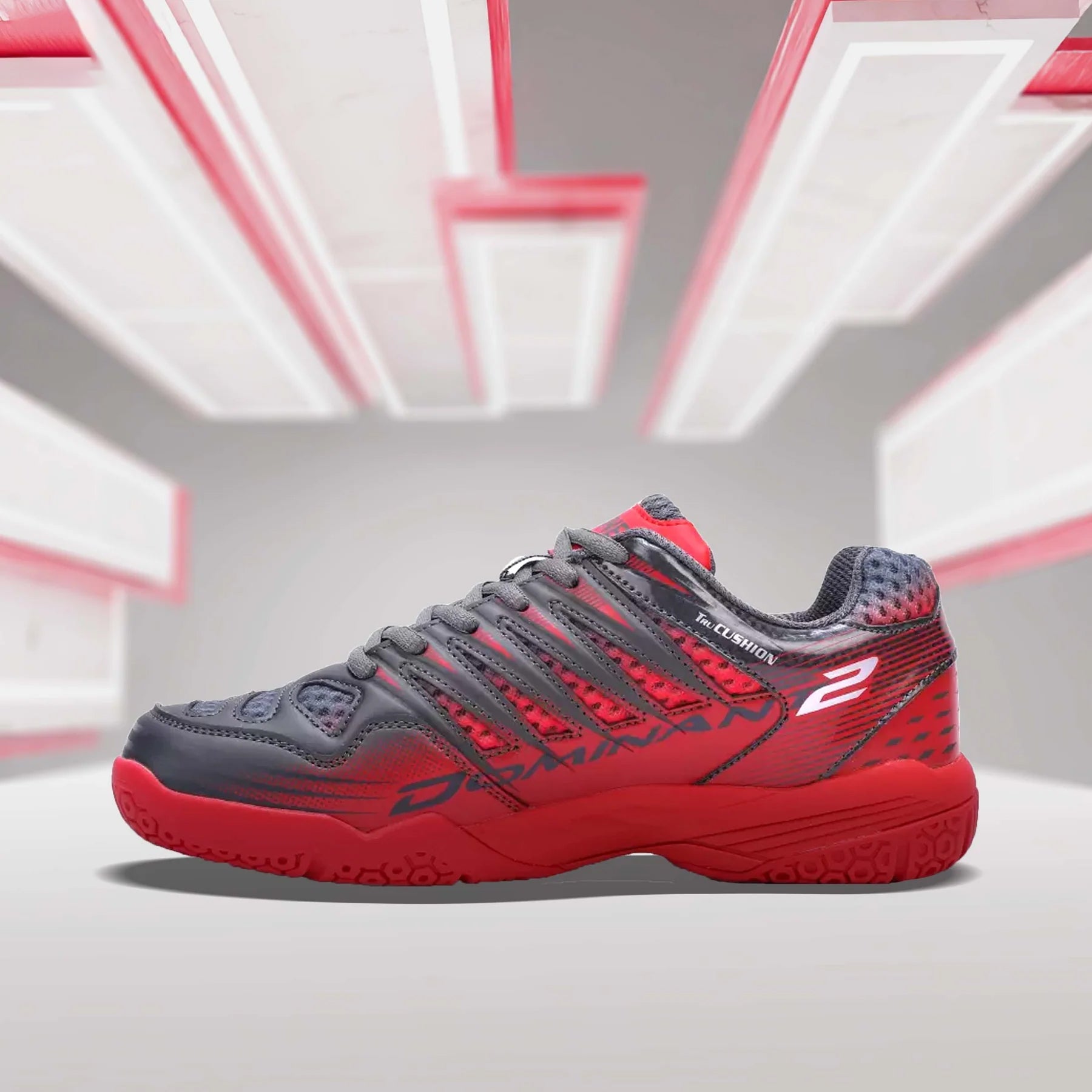
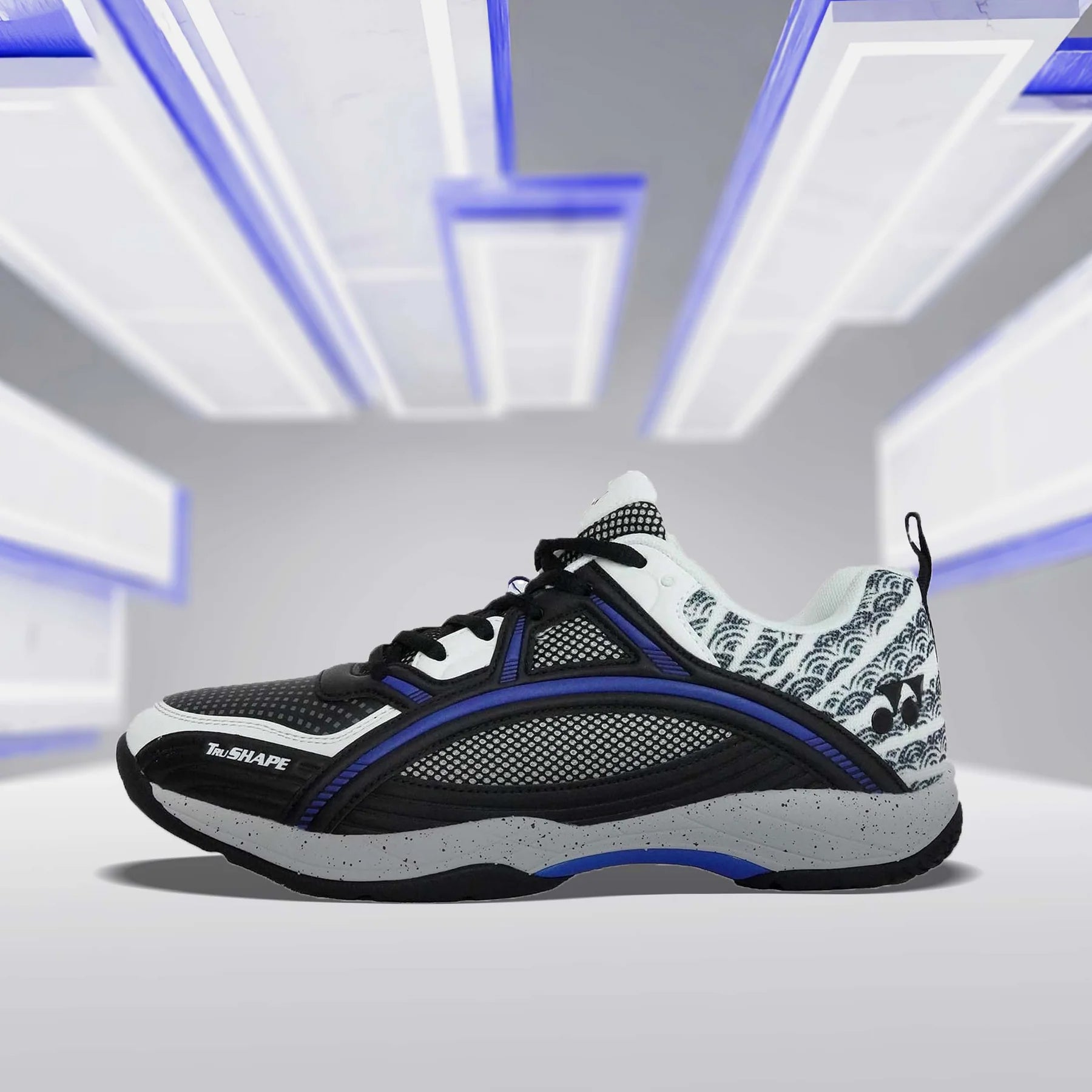
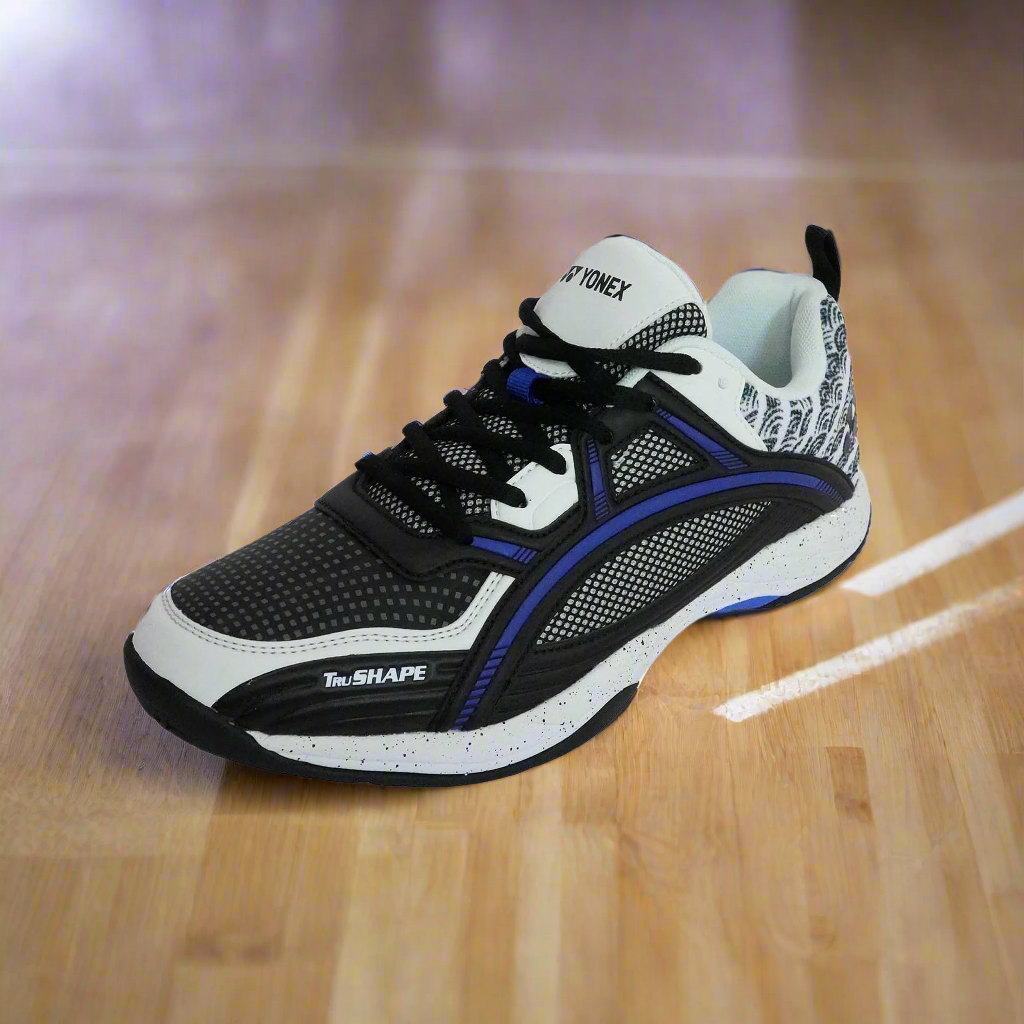
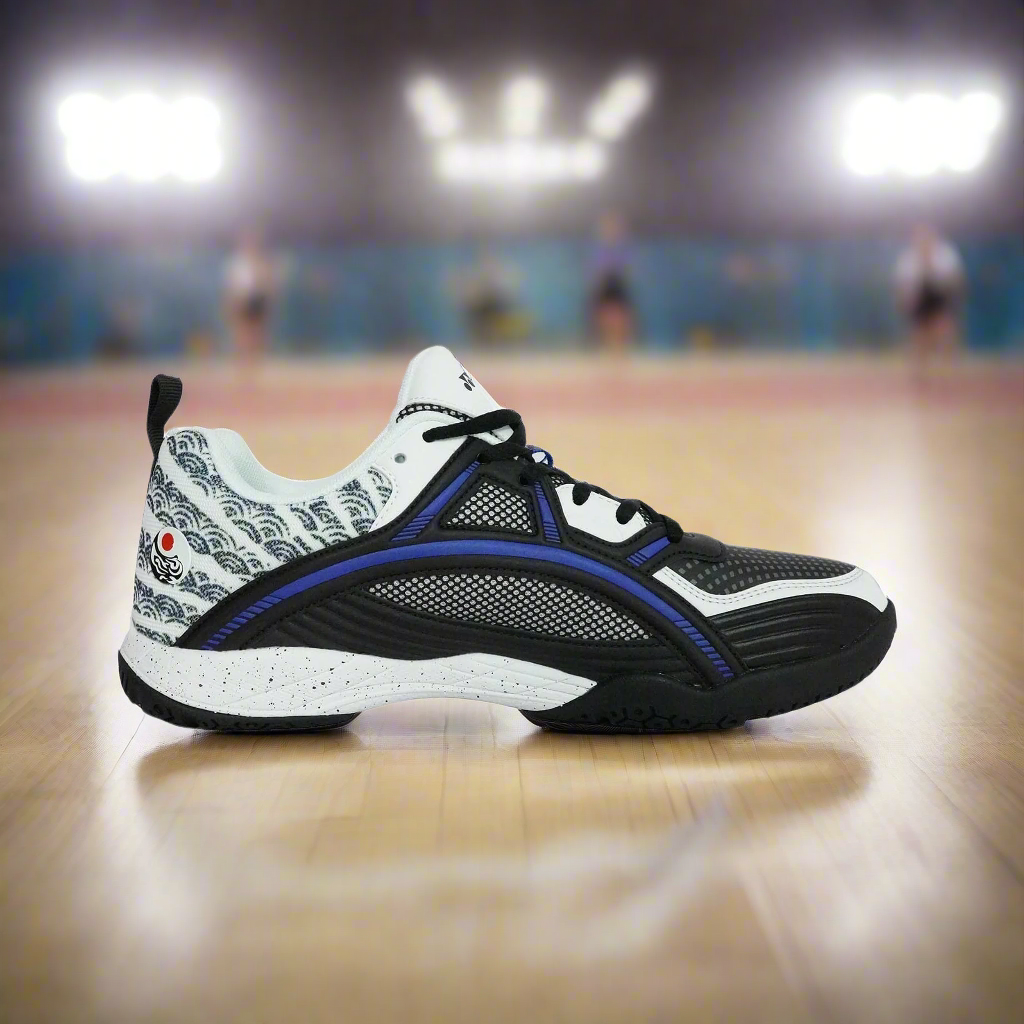
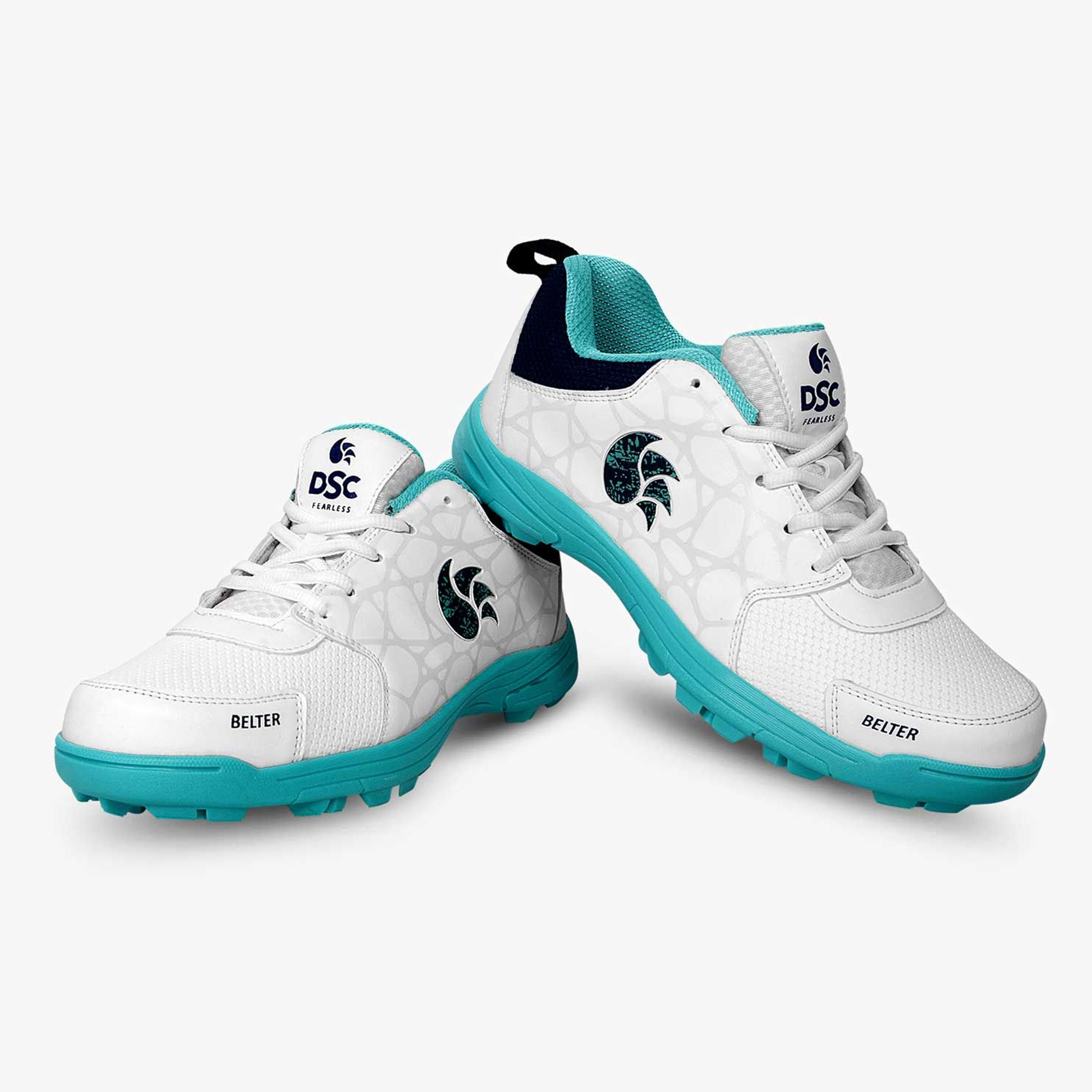
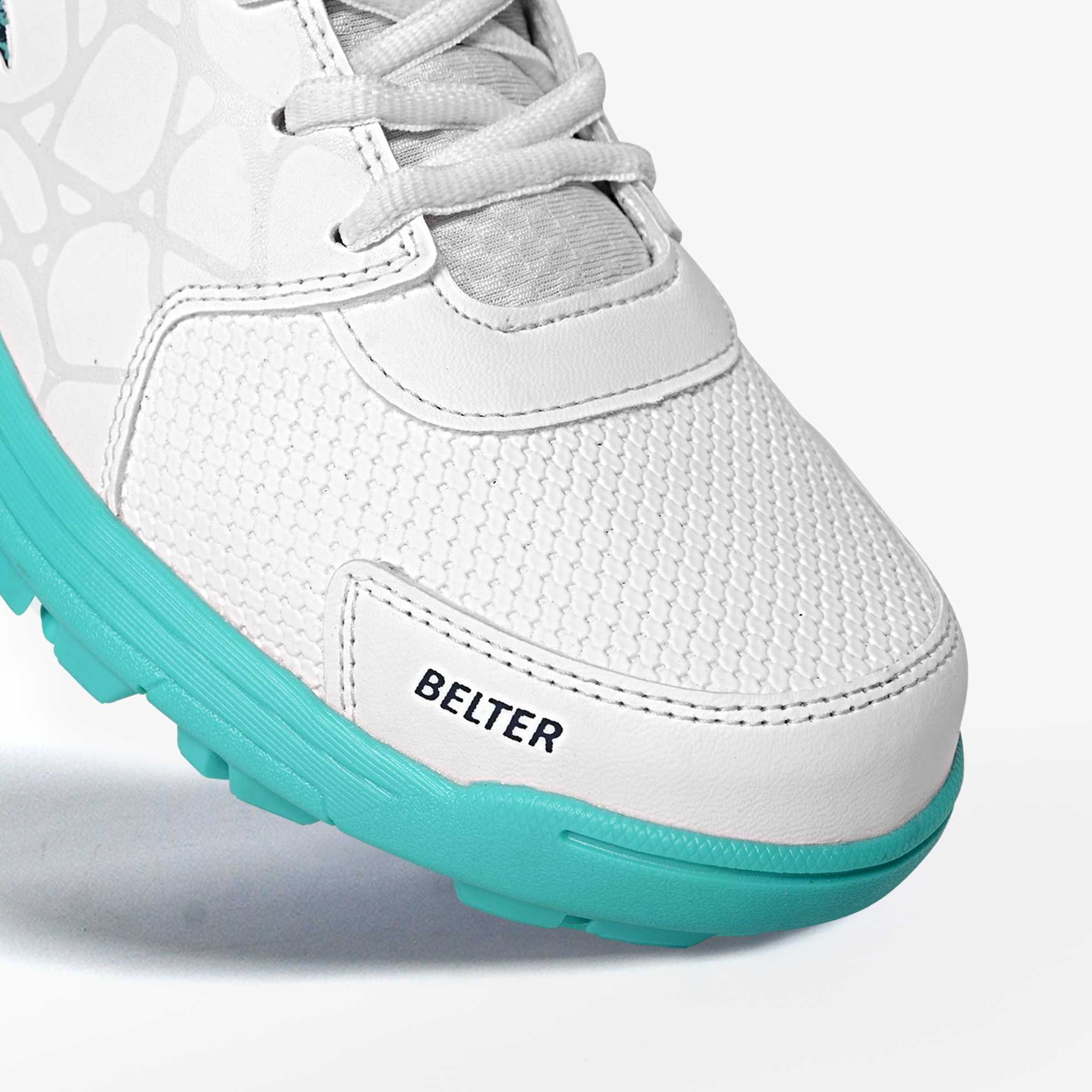
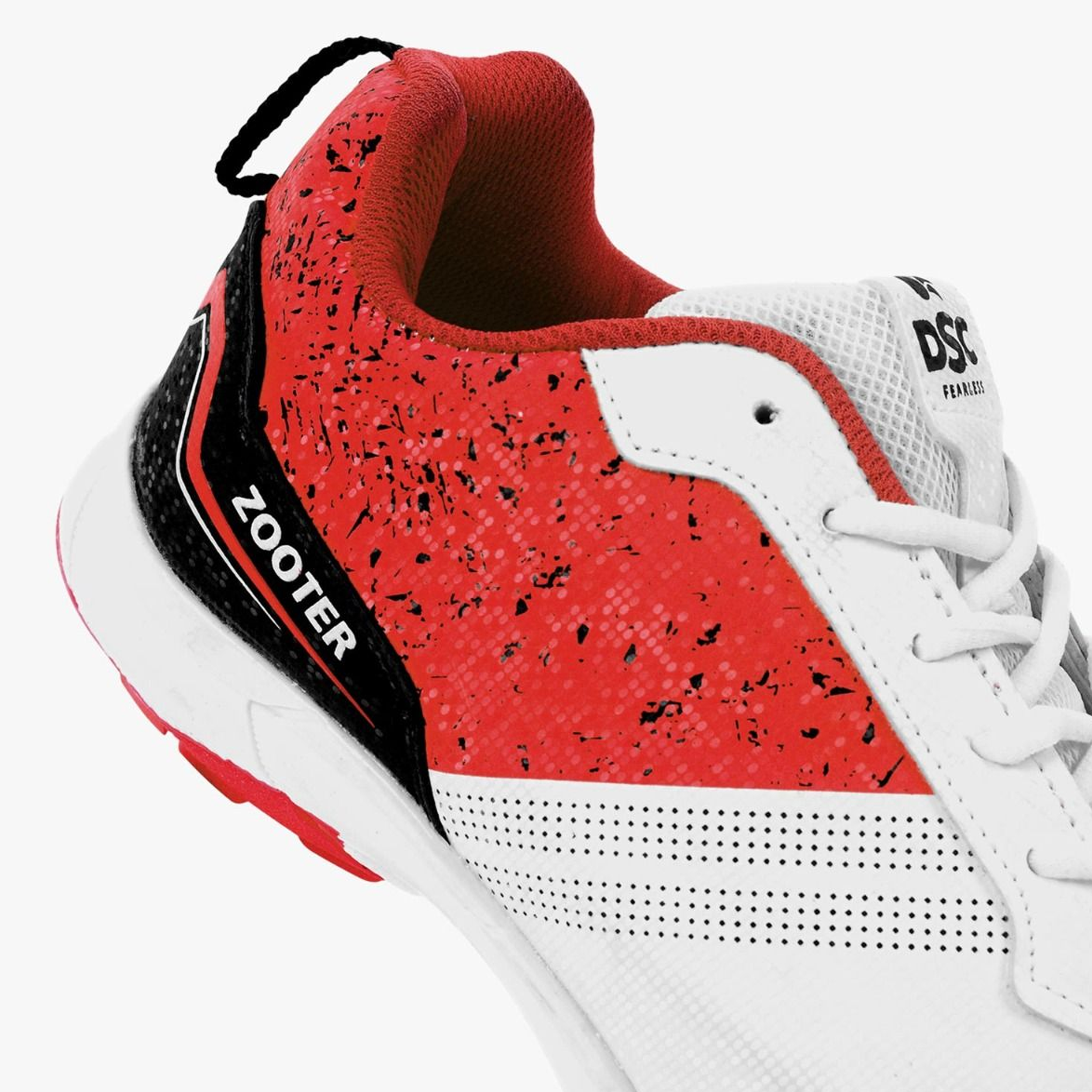
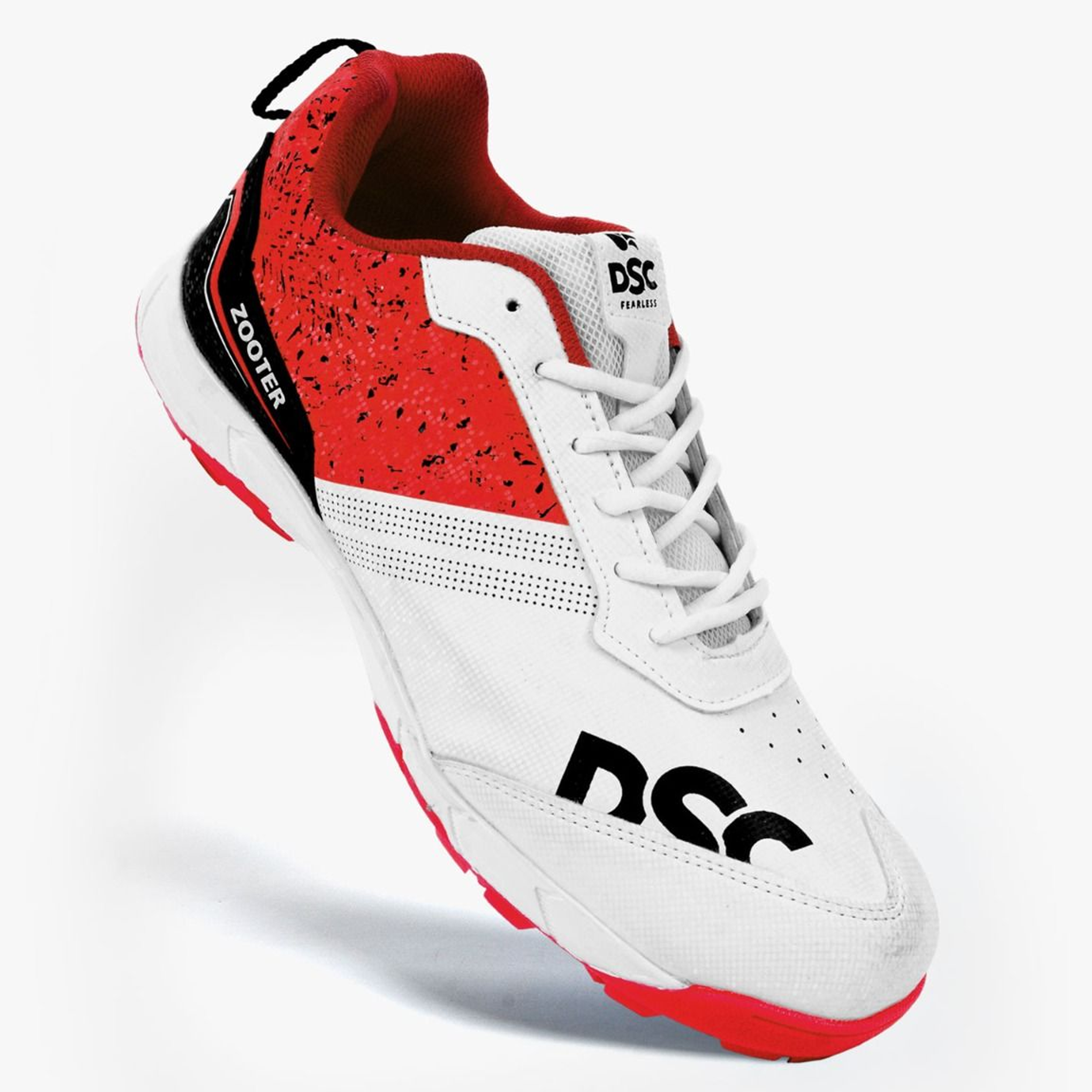
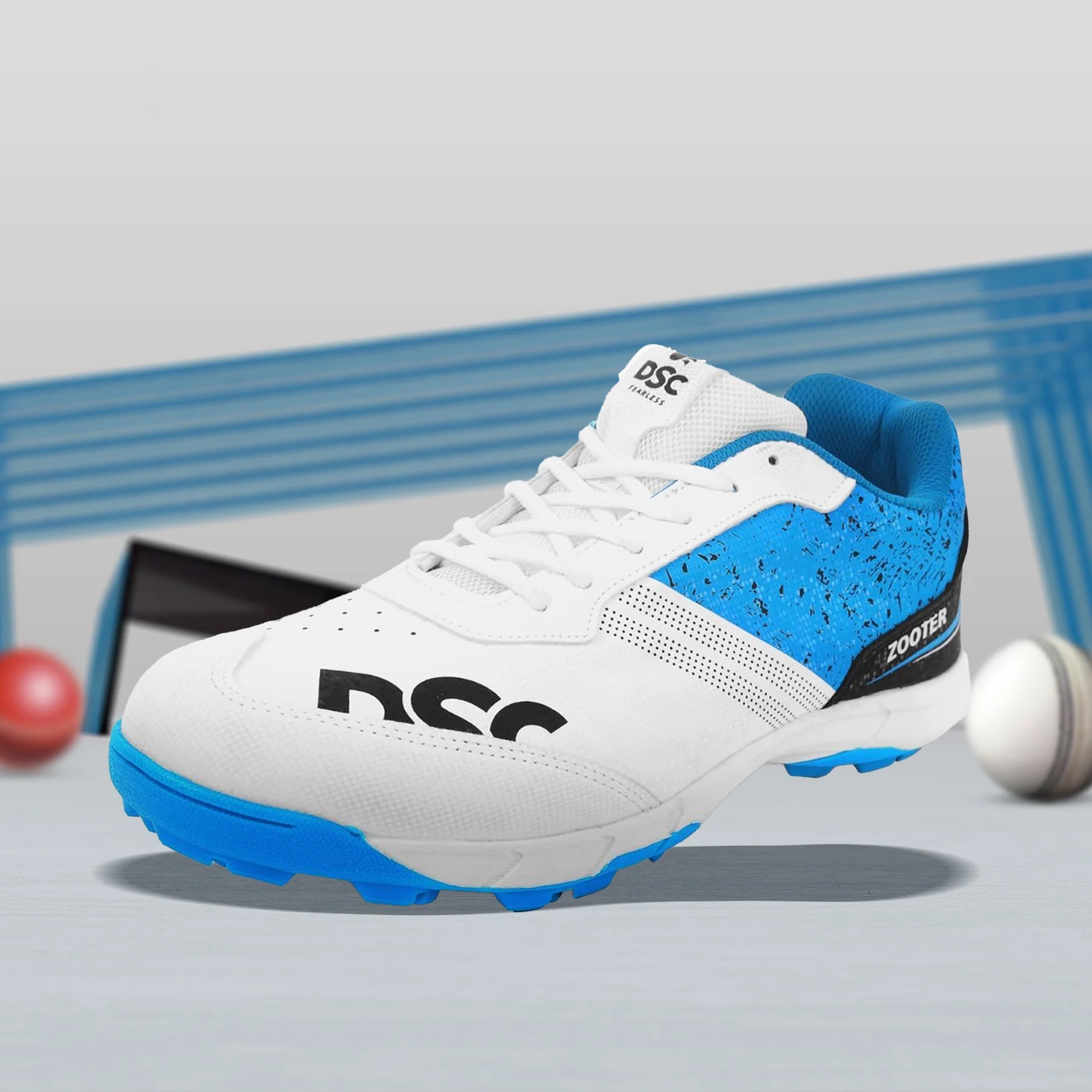
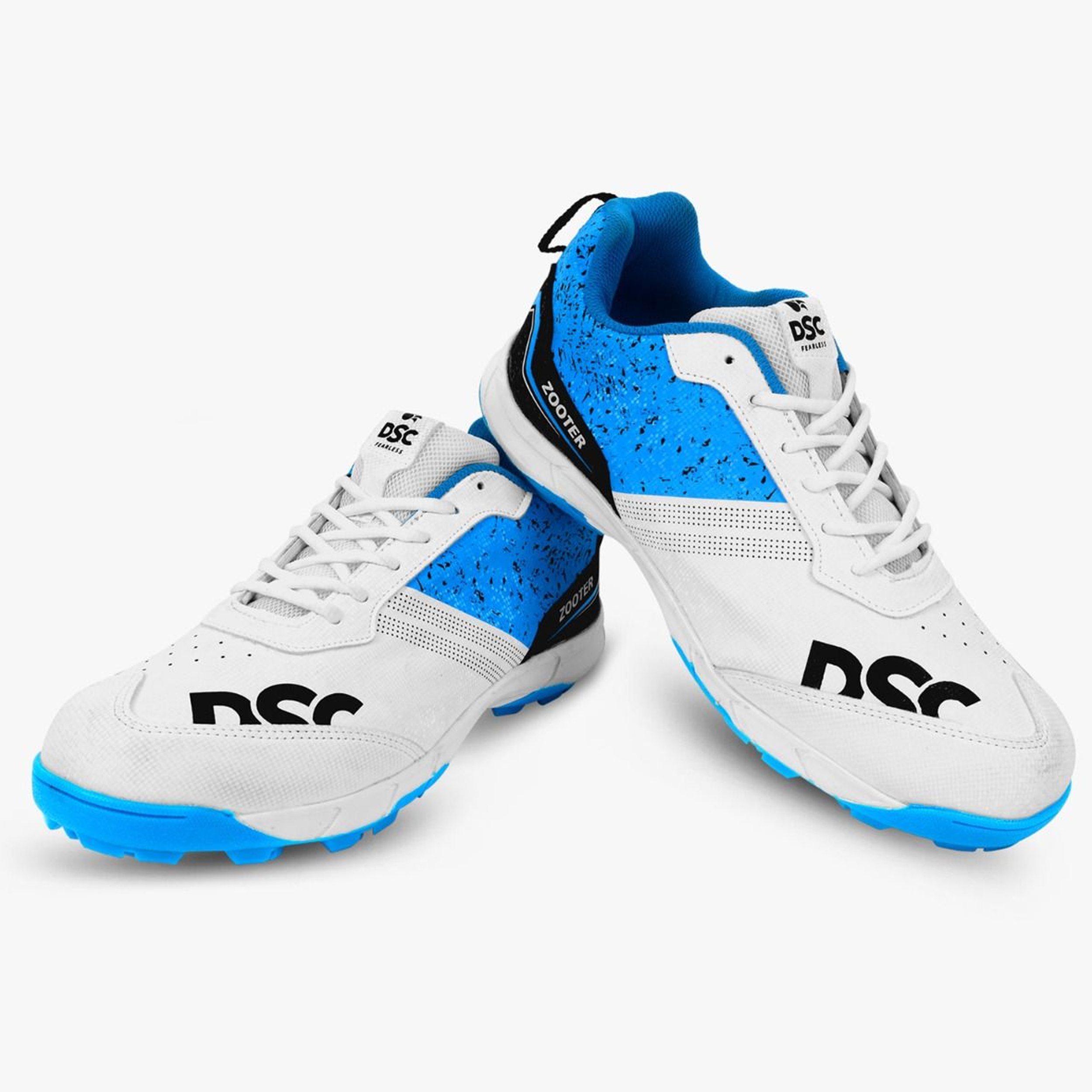
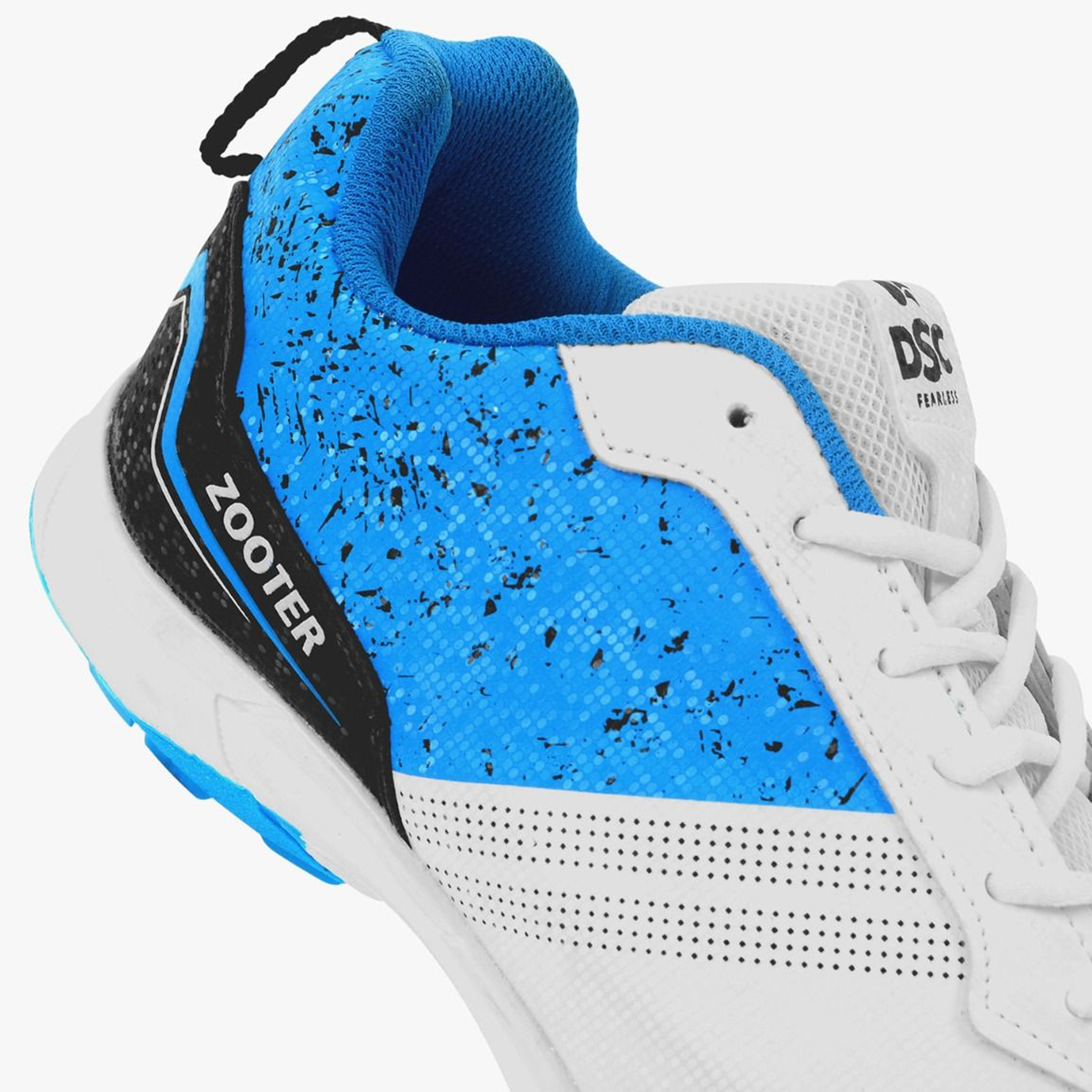
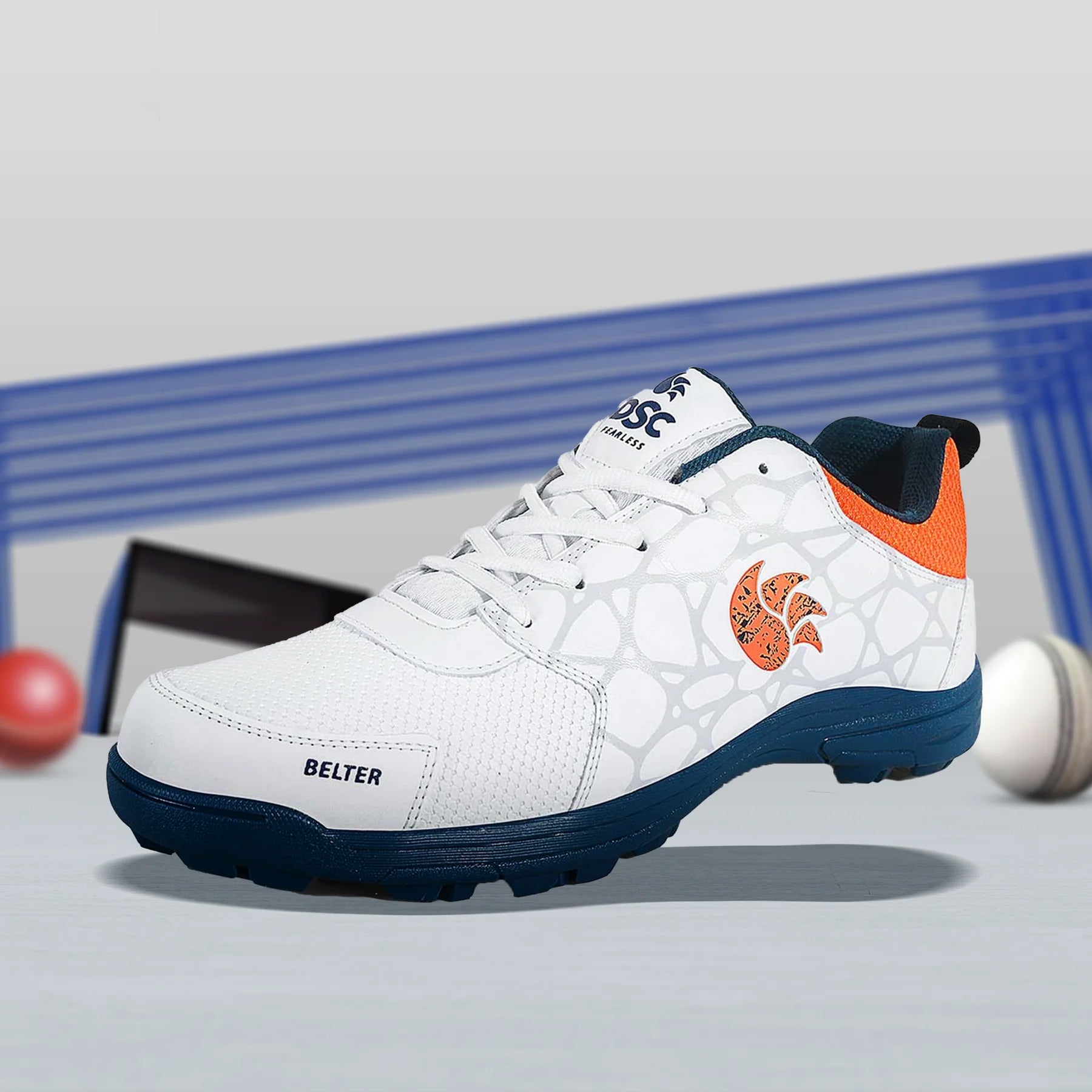
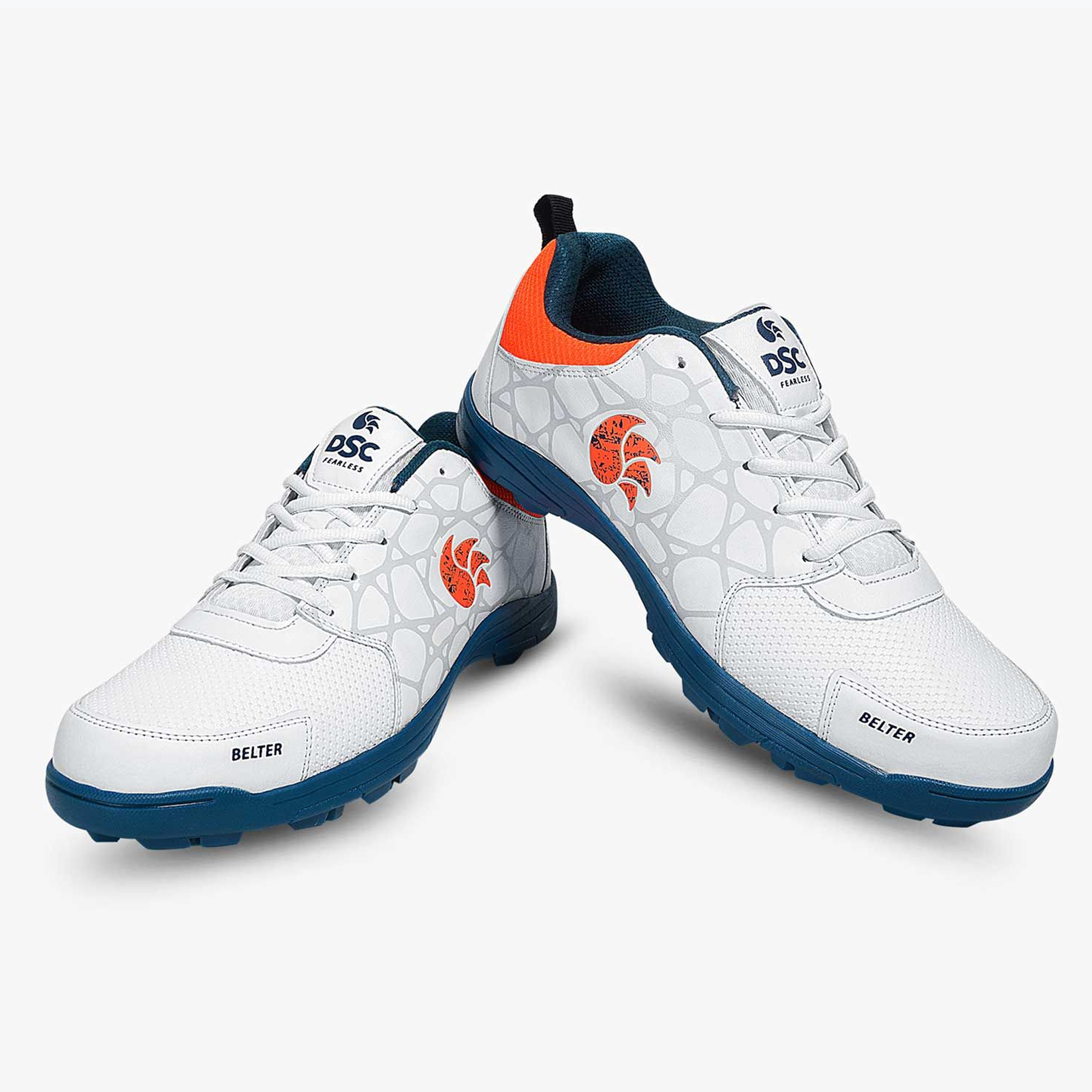
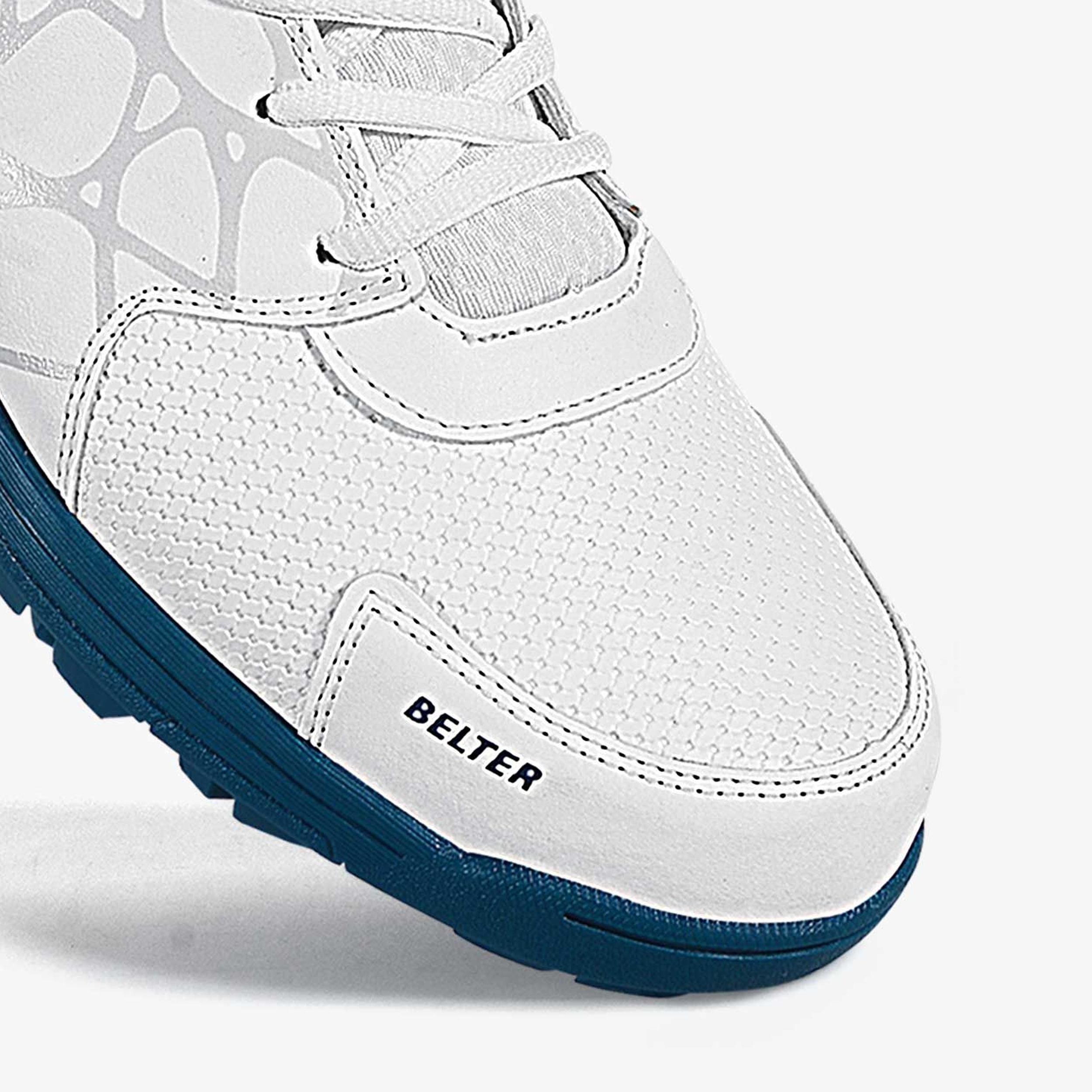
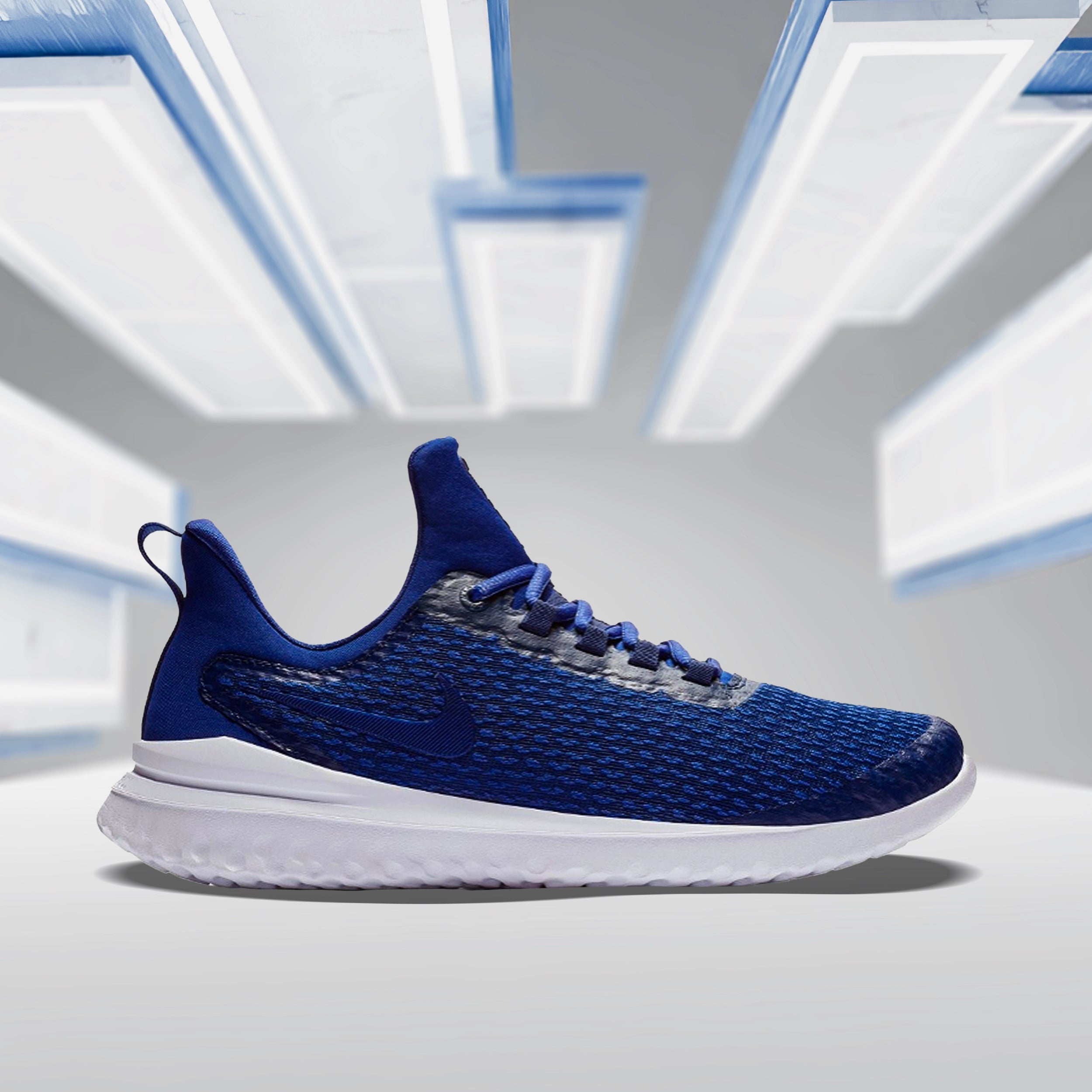
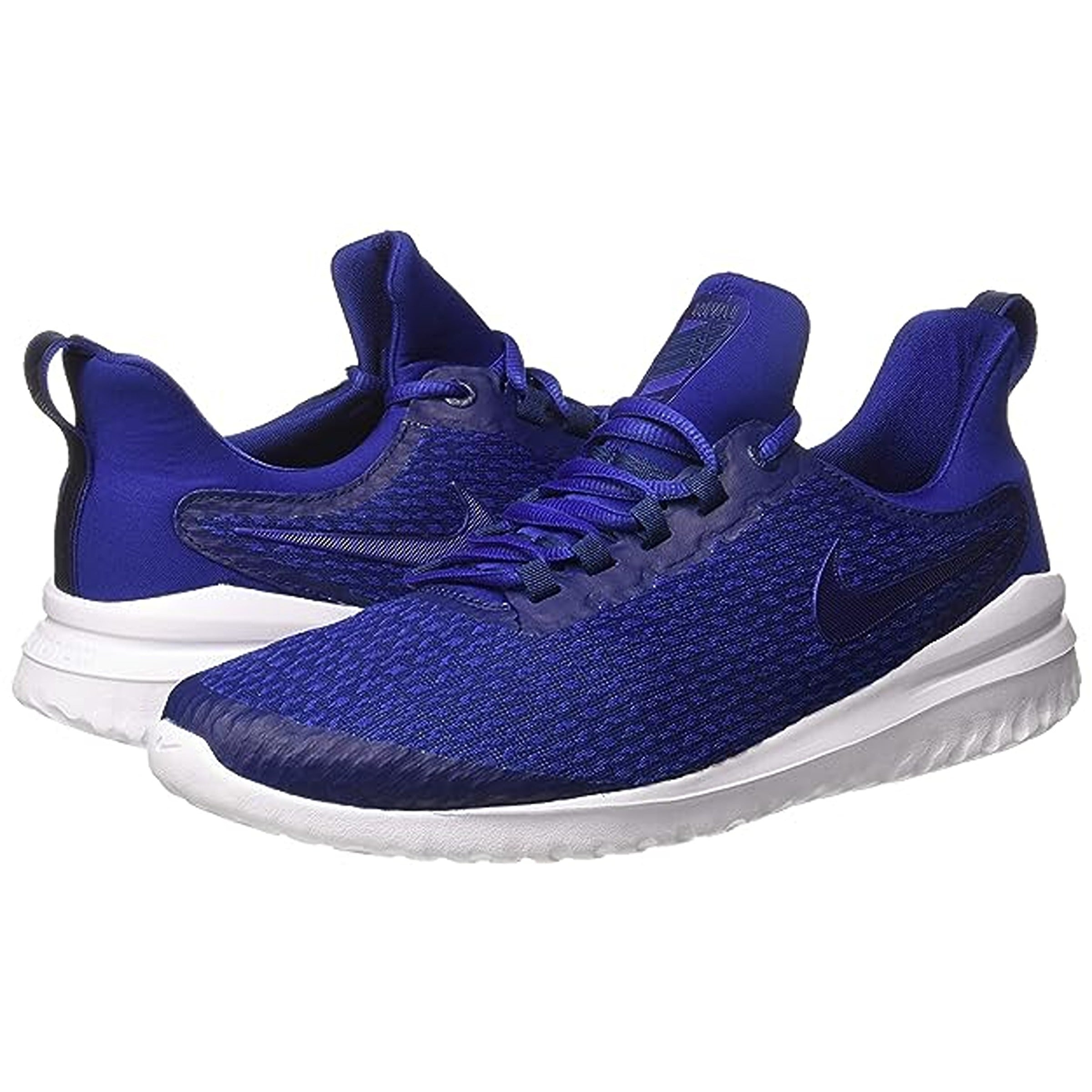
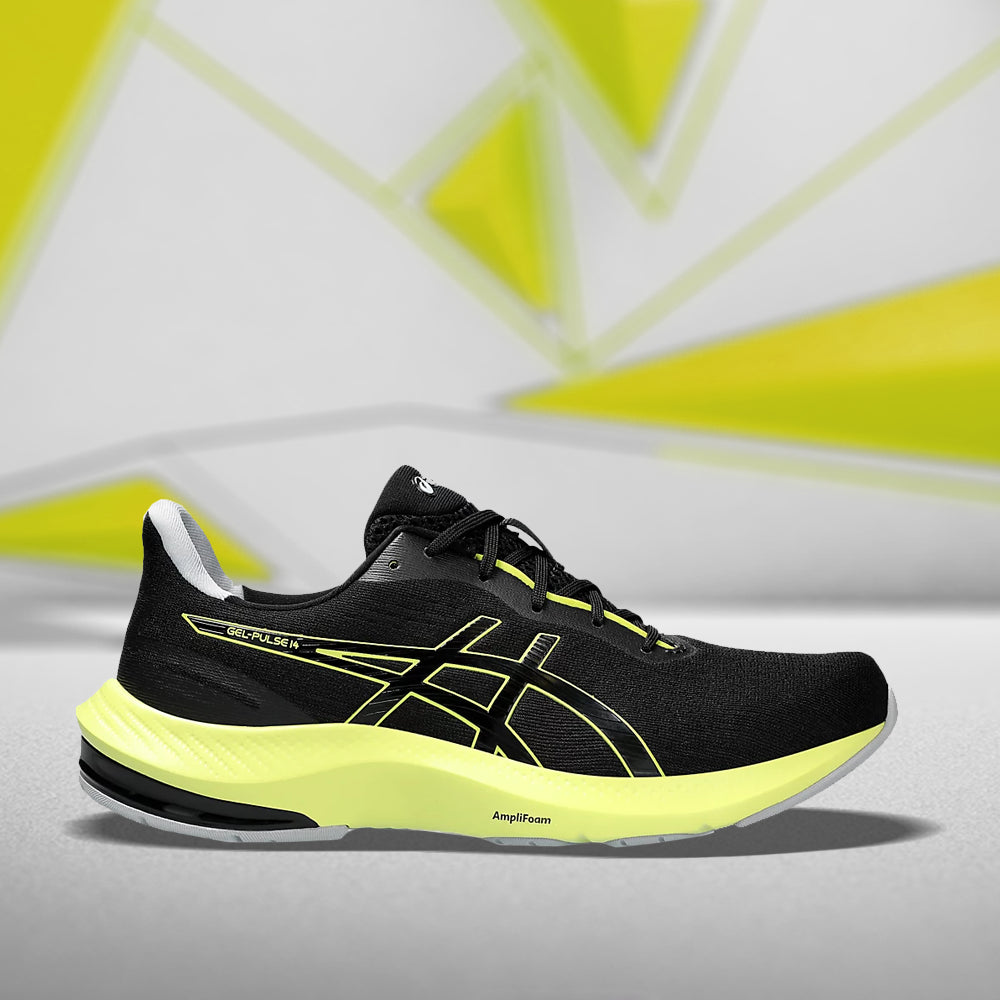
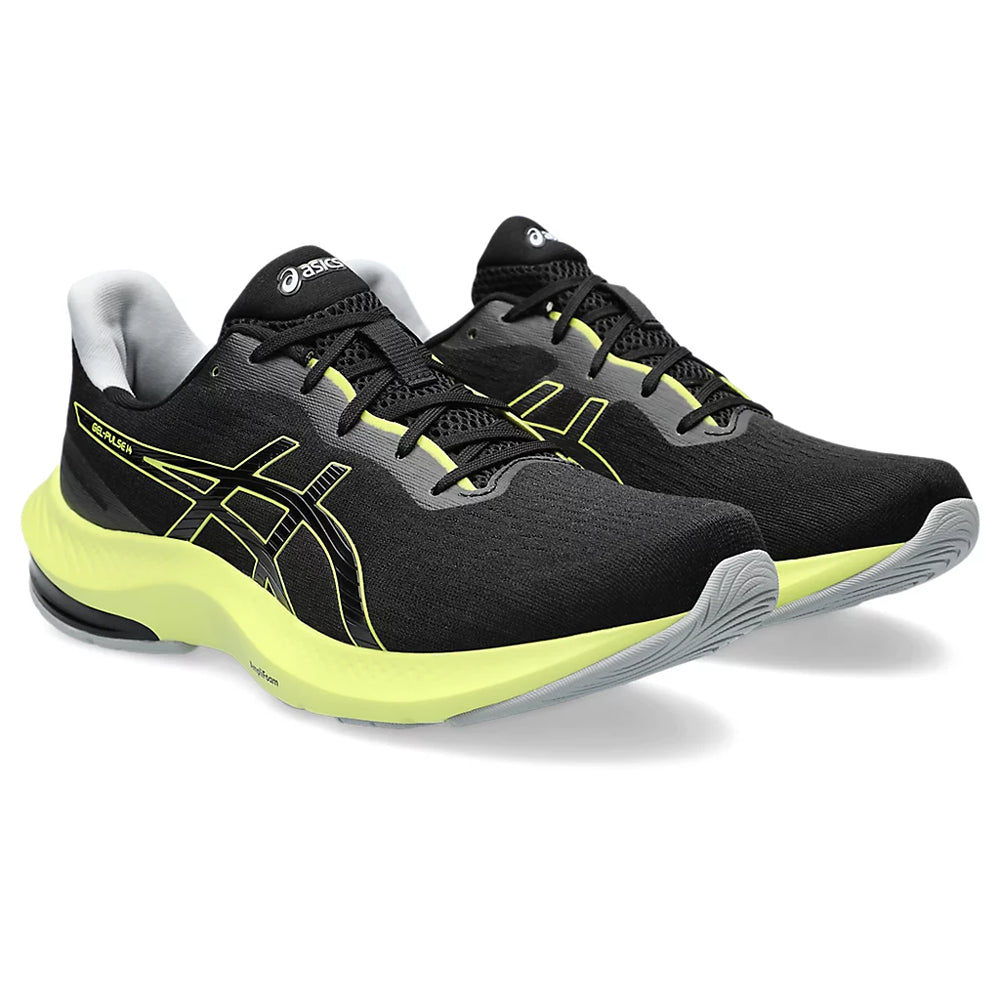
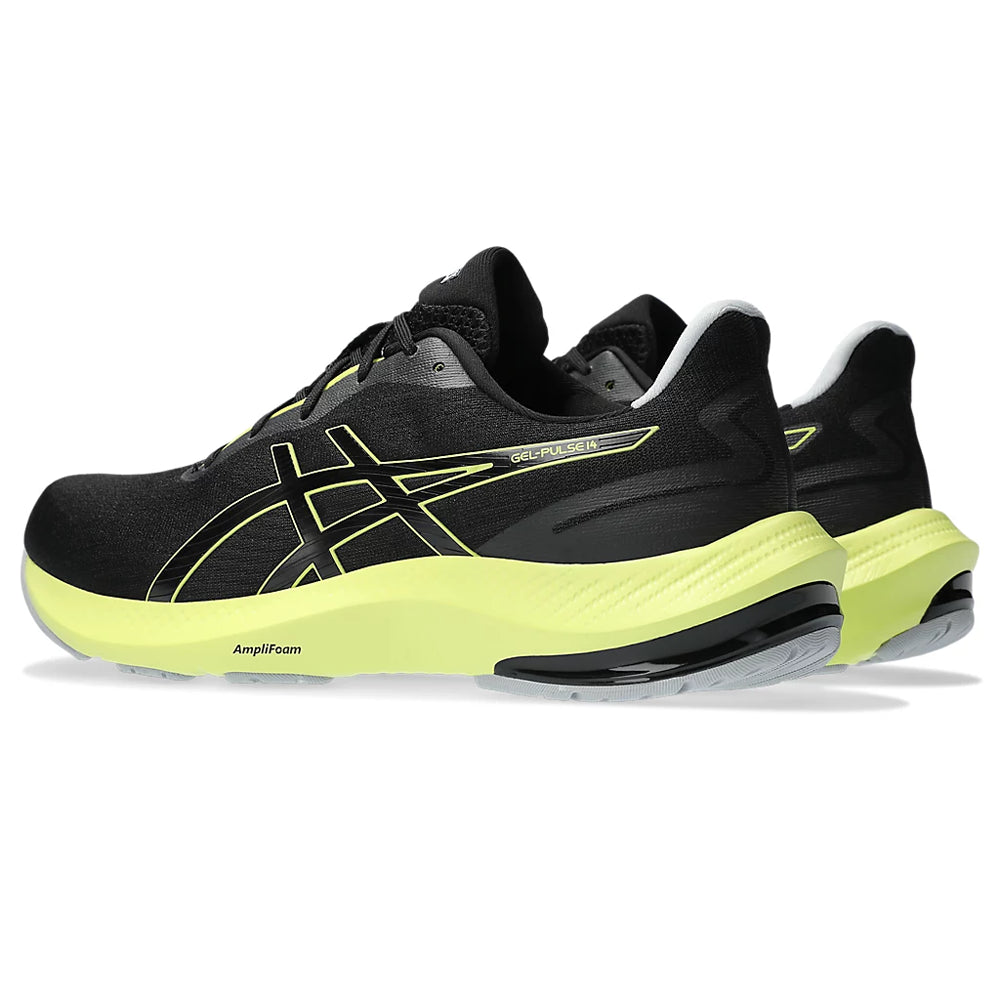
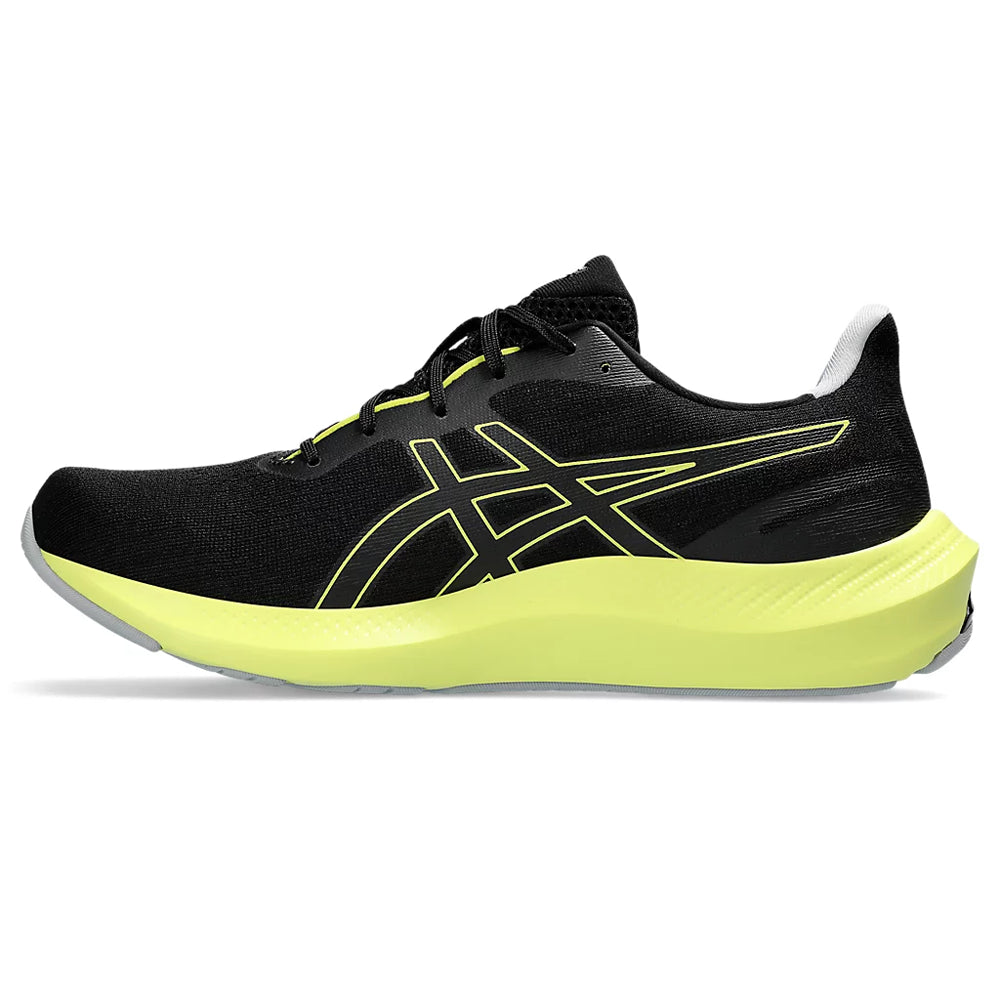
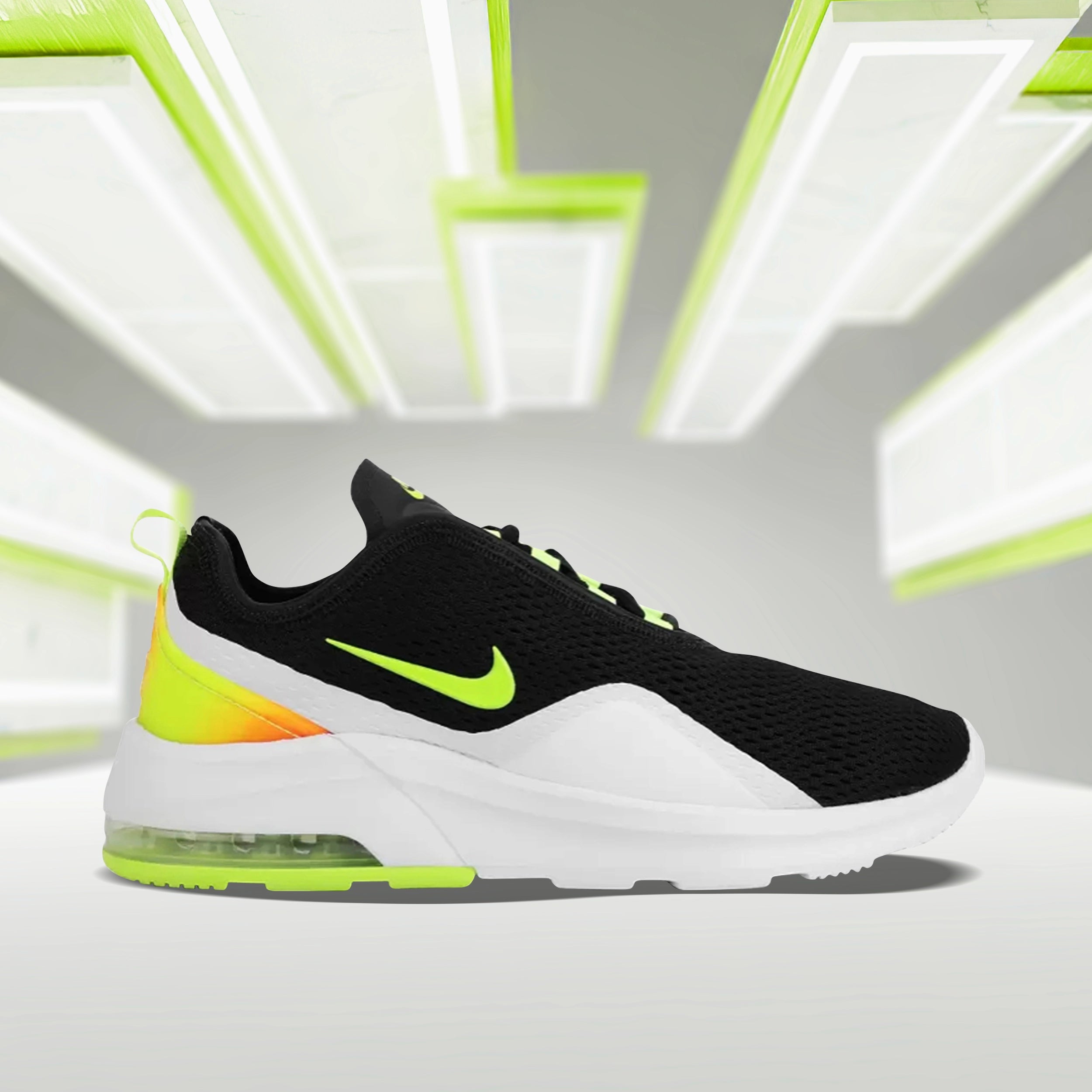
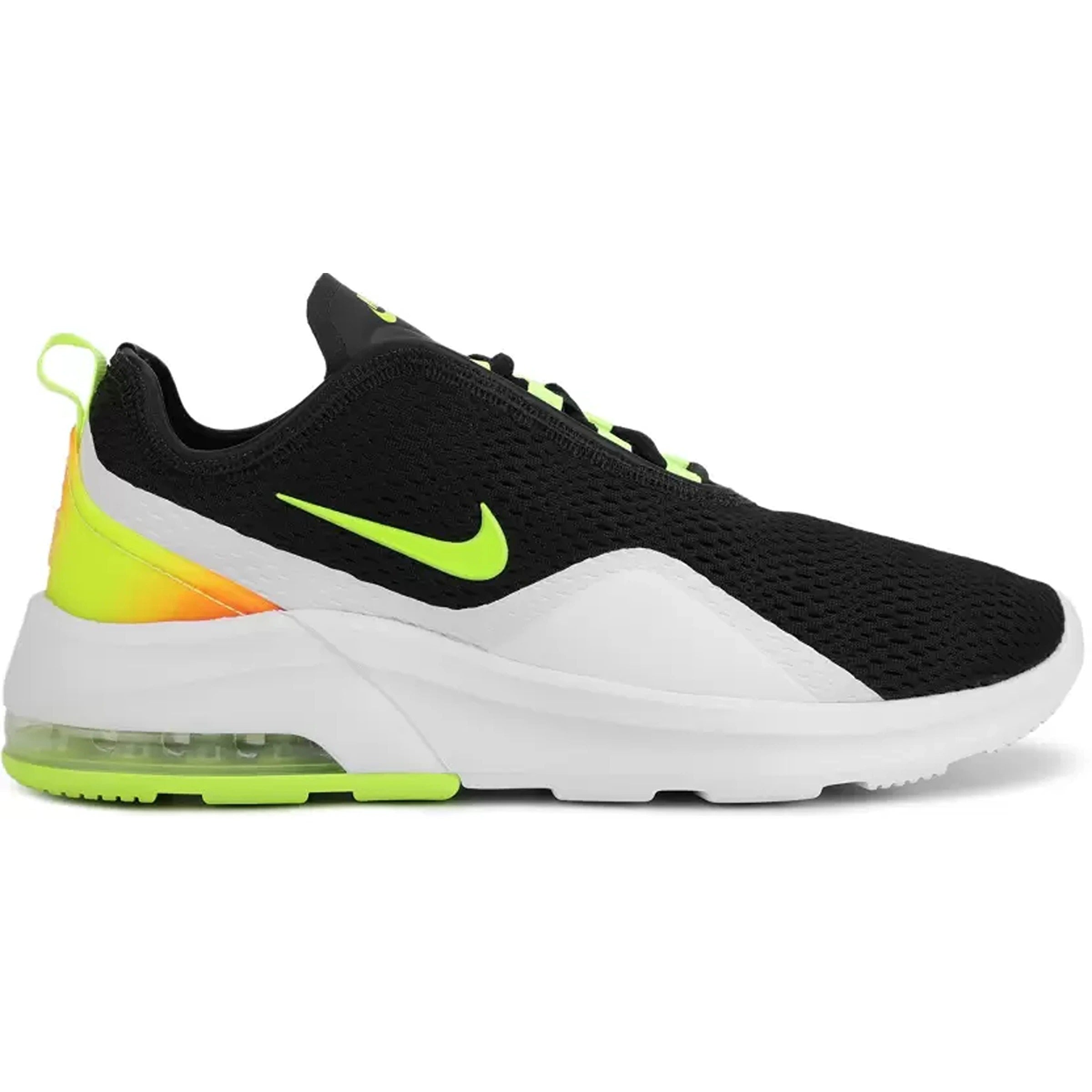
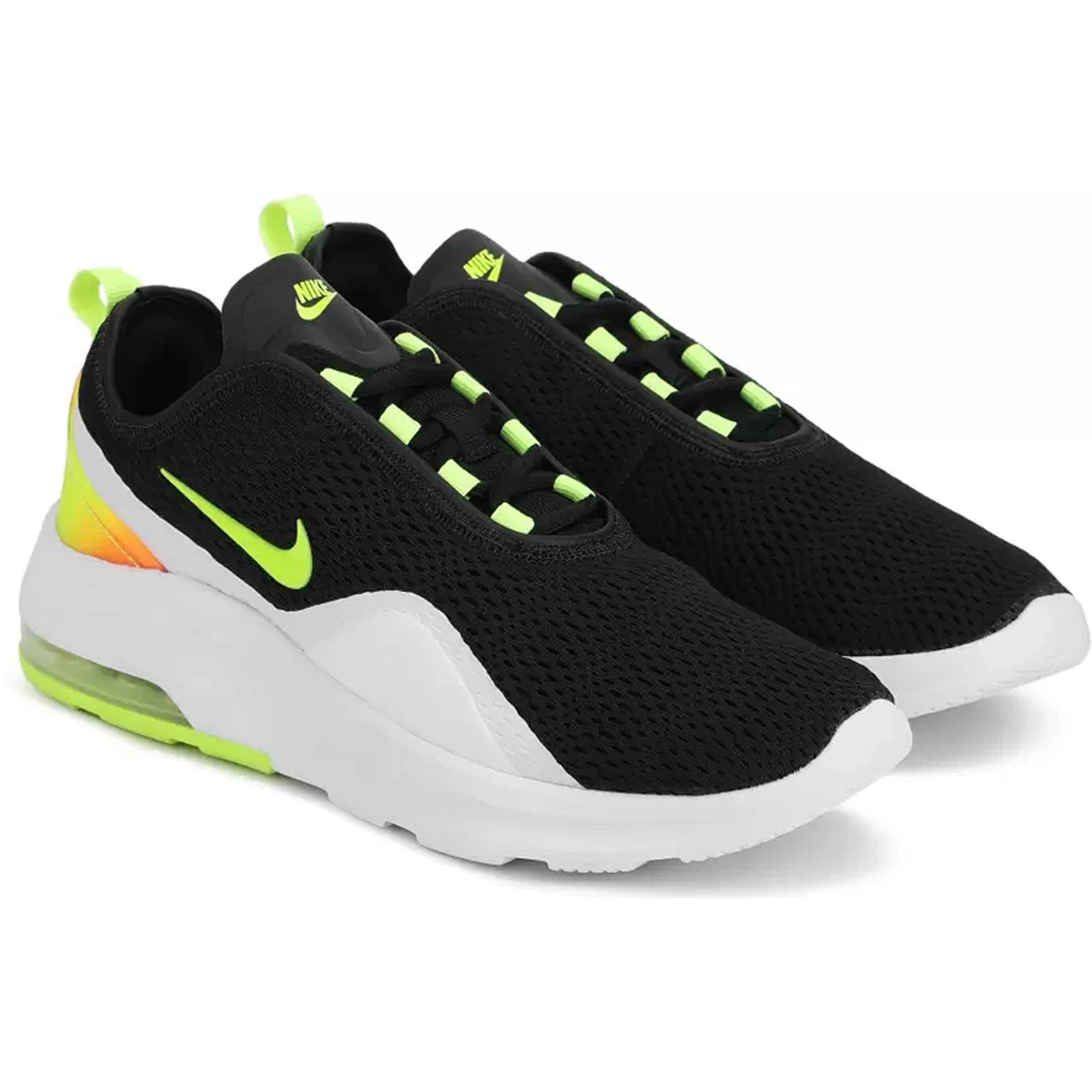
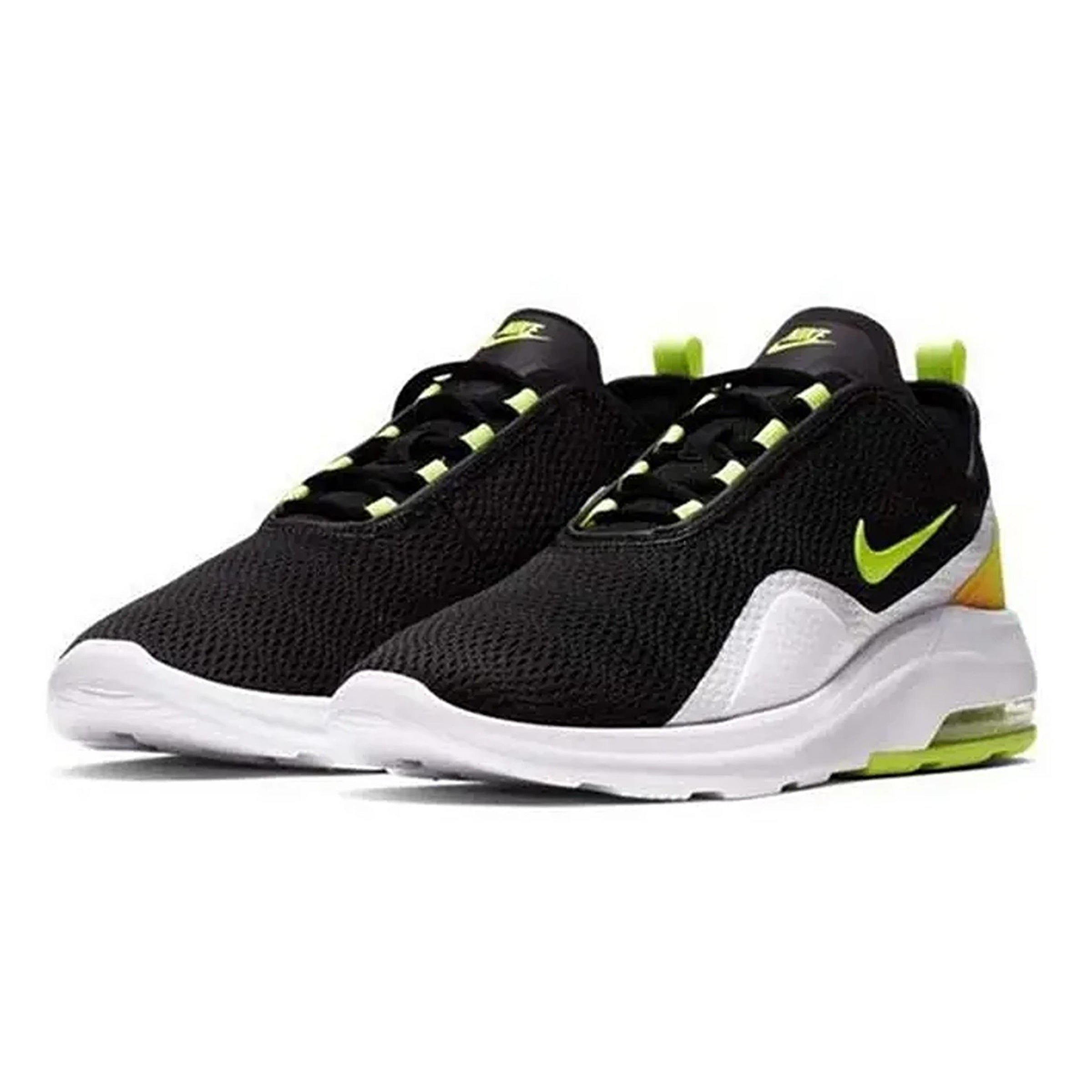
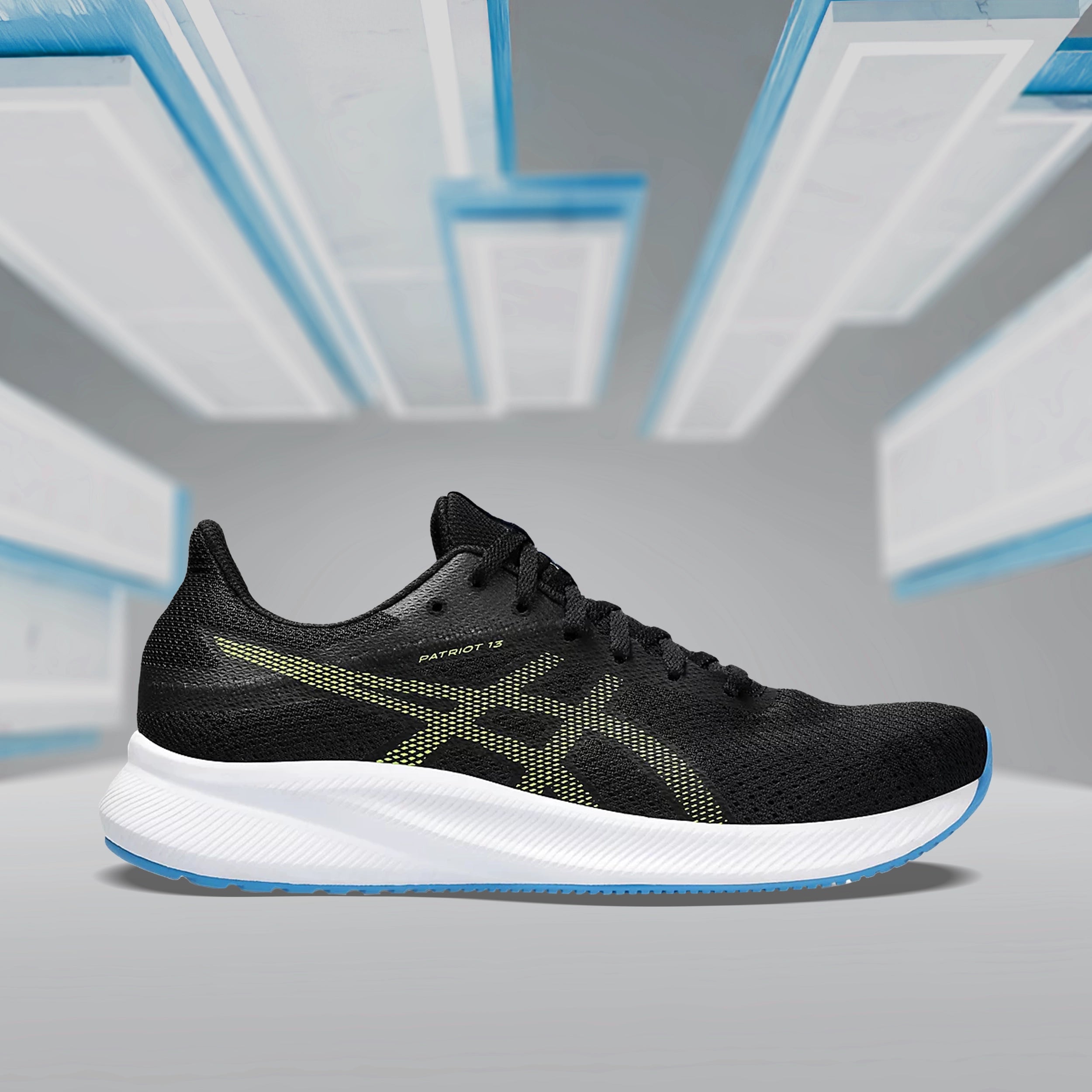
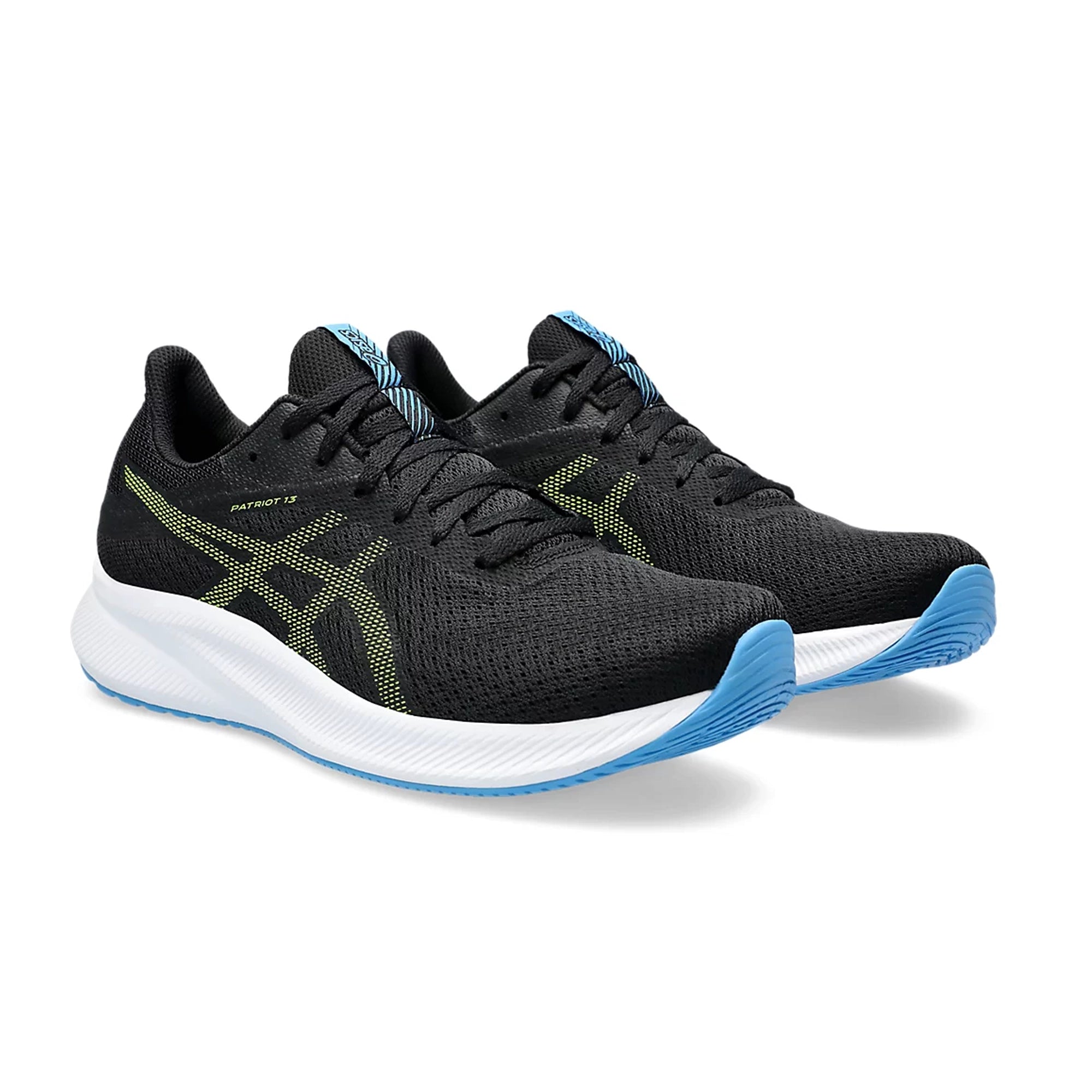
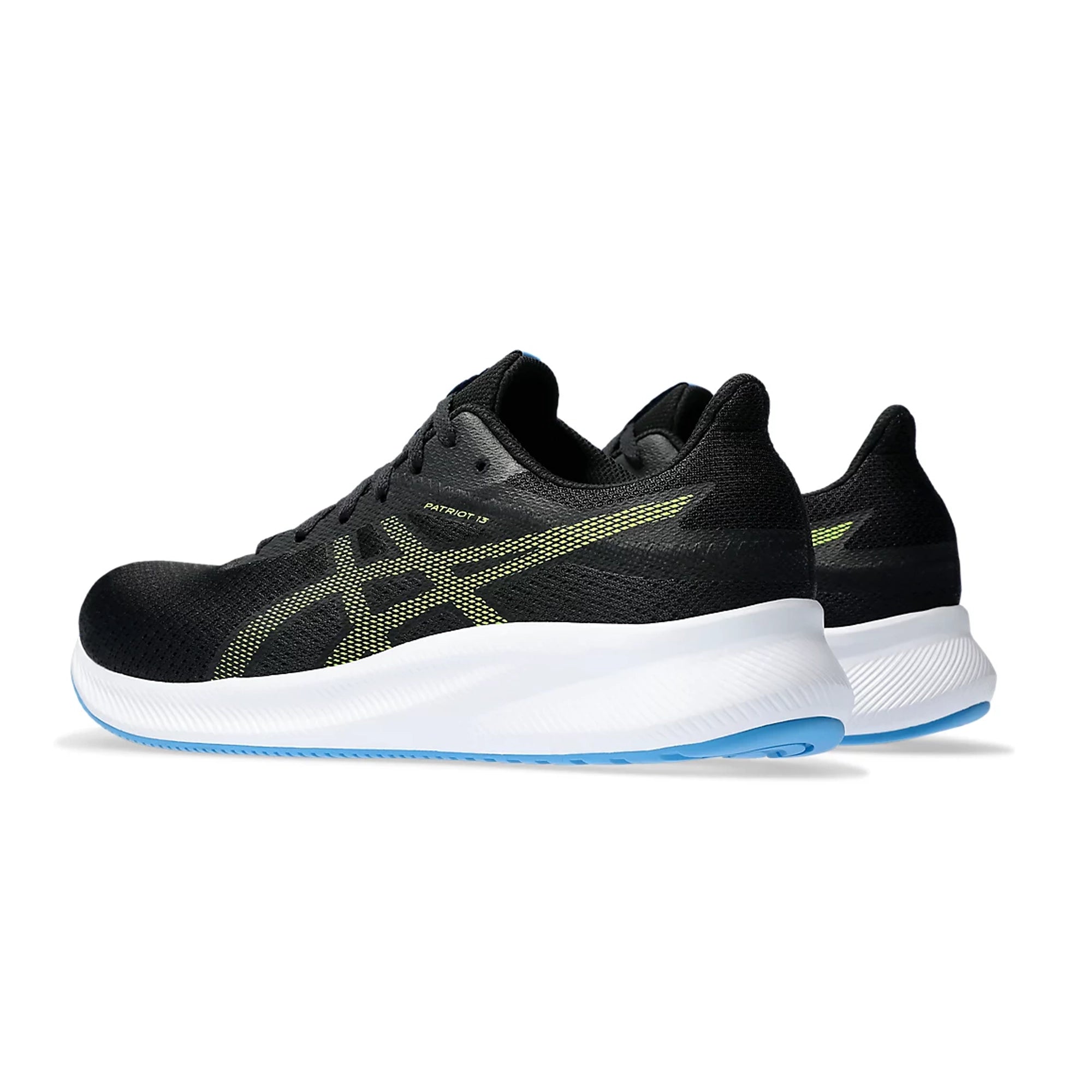
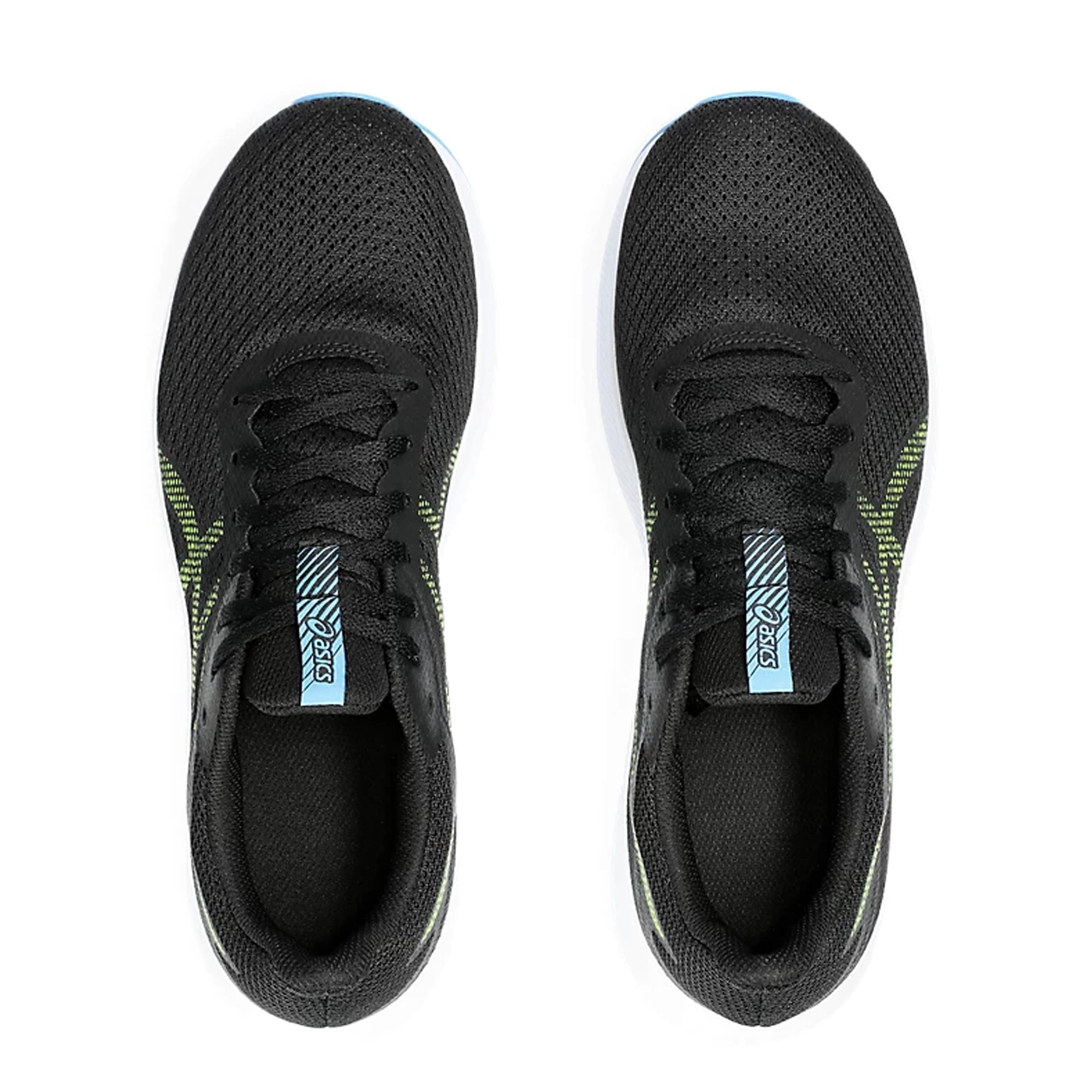
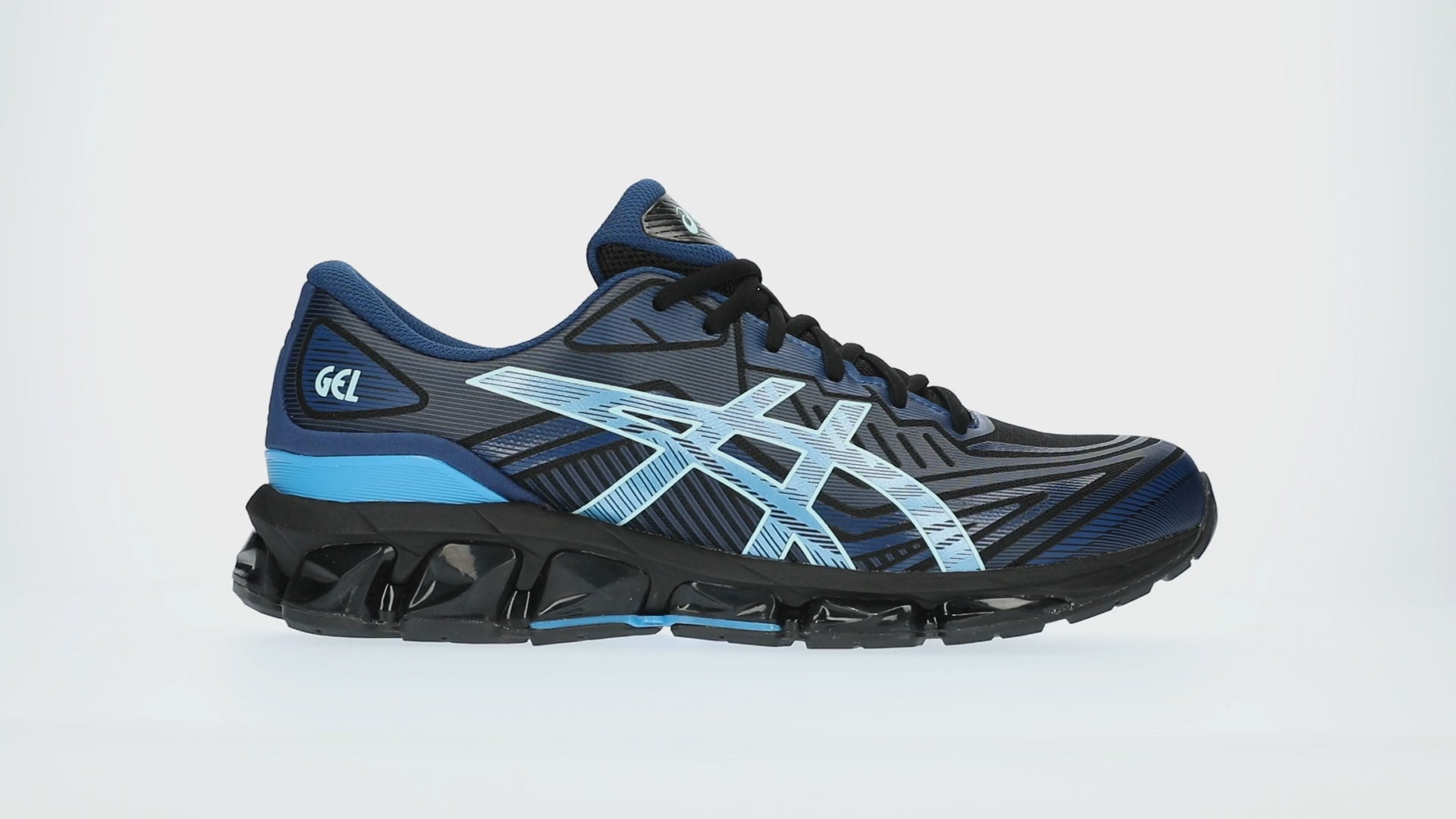
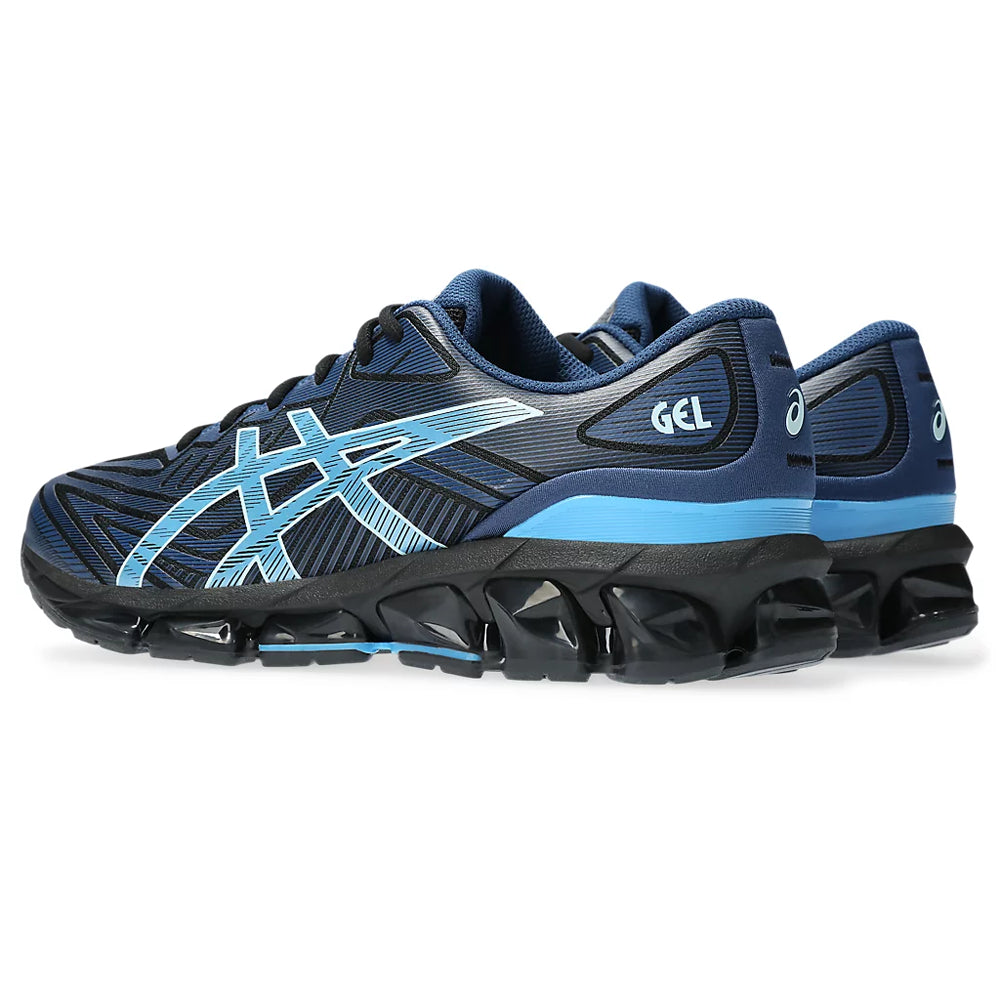
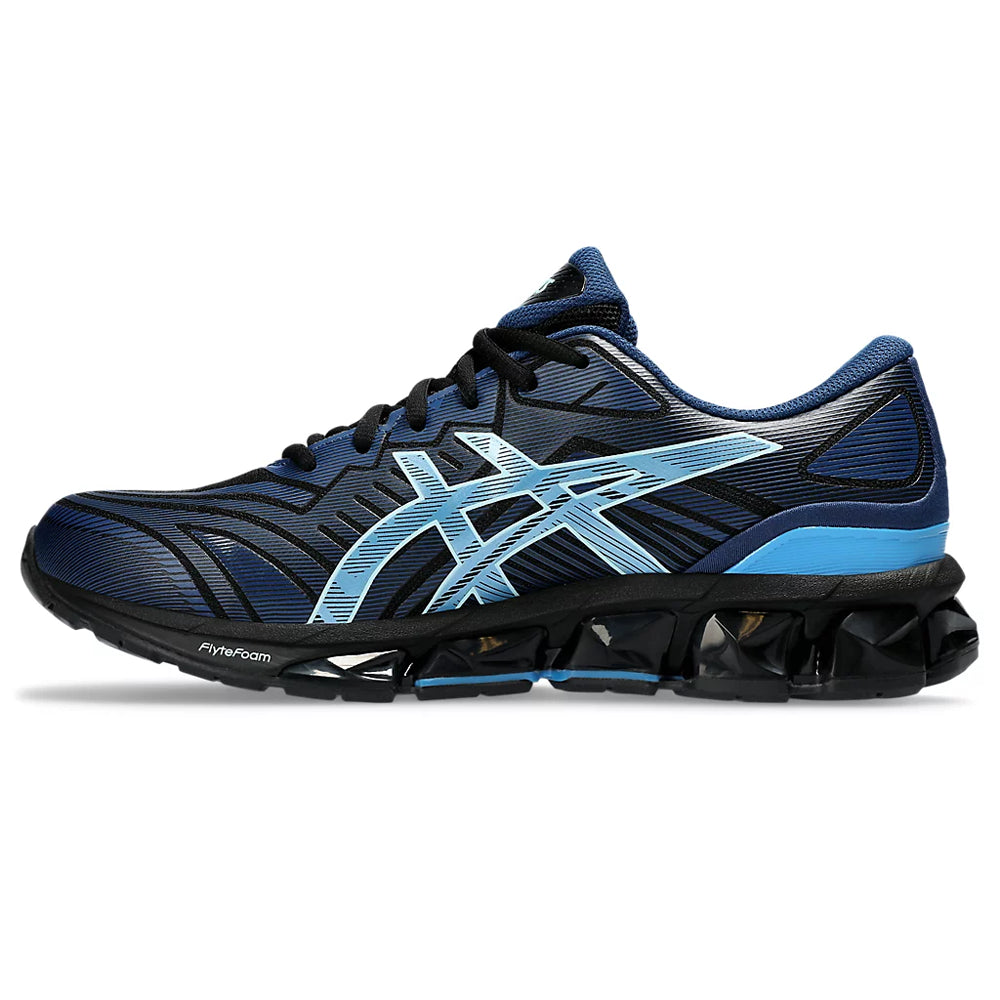
Furthermore, the introduction of advanced marathon footwear featuring carbon-fiber technology and enhanced sole cushioning systems is revolutionizing speed and injury prevention. These new shoes allow for minimal energy loss, contributing to faster run times and lower fatigue levels. Added to this is the advance in
nutrition and hydration strategies, where runners now carry smart sensors that monitor hydration levels and send alerts when fuel replenishment is required. This attention to detail is proving critical in optimizing performance over long distances.
Q: How are these advancements expected to impact professional and amateur runners differently?
For professional runners, these advancements are leveling the playing field, allowing athletes who might not have had access to top-tier coaching and facilities to approach elite-level training. AI training schedules are bridging gaps, providing data that was once only accessible to well-funded teams. This democratization of cutting-edge technology means a broader range of runners can meet stringent qualifying times and break national and world records.
Amateur runners, on the other hand, are experiencing enhancements in safety and motivation. The use of technology in gear—like shoe innovation and hydration monitoring—reduces injury risk, making marathon running more accessible to enthusiasts who may have shyed away from the sport previously due to health concerns. The smart gear also provides real-time feedback, which helps maintain motivation by showing instant progress in metrics like stride effectiveness and endurance.
Q: Is there an economic impact related to these advancements in the marathon community?
Yes, the economic impact is substantial, particularly concerning the technology and sports gear industries. The marathons themselves are also adapting, with tech-driven events that offer immersive experiences through augmented reality. These opportunities attract diverse demographics, increasing tourism and local business incomes during marathon seasons. The rise in marathon popularity has further led to increased sales in running apparel and the tech sidelines, as demand for smart sportswear and personalized health tech grows. Companies involved in AI development and wearable technology are seeing a surge in profitability, creating jobs and promoting further innovation.
Q: What role do marathons play in sociocultural terms in today's society?
Marathons are more than a competition; they are a cultural phenomenon fostering community and social connectivity. They have become platforms for social good—raising awareness and funds for various causes. The incorporation of technology in marathons also encourages inclusivity. Virtual race options powered by digital platforms allow geographically and socially diverse runners to participate, increasing global communication within the running community.
Moreover, the accessibility of marathons as a public
fitness motivation tool contributes to societal health benefits. They act as touchpoints that prompt engagement with exercise on a wider scale. Cities that host marathons often see a community-driven push towards healthier living habits inspired by the race.
Q: How are climate change and sustainability impacting the future of marathons?
Sustainability is increasingly becoming a core focus in marathon planning. With environmental concerns at the forefront, races are adopting practices to minimize their carbon footprints. Organizers are exploring routes that reduce traffic congestion and employ eco-friendly transportation options for participants.
There is a shift towards the use of biodegradable race materials, virtual race kits to reduce waste, and precise water rationing methods that minimize resource use. The industry is also leaning towards community-driven cleanup efforts post-race—to neutralize any environmental disruptions caused by the events. Such moves are crucial to ensuring the long-term viability of these gatherings in light of global environmental challenges.
Q: What is driving the increase in marathon participation globally, especially among varying age groups?
There is a noticeable spike in global marathon participation, driven largely by increased visibility and community support. Digital media have played a significant role here, with social media platforms showcasing personal stories of transformation, achievement, and community-building within the marathon context. These narratives inspire widespread interest across demographics.
Running has become a favored exercise across age groups thanks to its accessibility and low-entry barrier compared to other competitive sports. With personalized training plans now available to anyone with a smartphone, even older demographics are taking up running, drawn by the appeal of achieving personal milestones and maintaining health.
Q: Will marathons continue to evolve, and what does the future hold?
The evolution of marathons is far from reaching its endpoint. As technology advances, we can expect further integration that will continue redefining training, race day experience, and recovery protocols. Enhanced virtual options, real-time coaching through wearable tech, and biodynamic feedback systems are on the horizon.
Furthermore, as society places more emphasis on health and wellness, marathons are poised to become even more pivotal as both personal and collective fitness benchmarks. Innovation will likely keep pace with our expanding understanding of sports science, ensuring that marathon running continues to grow as one of the most dynamic and accessible forms of global athletic endeavor.

































































Share:
India's Ace Runner Avinash Sable Claims Gold at Asian Indoor Athletics Championships
How Young Runners are Shaping the Future of Competitive Racing