
Squash Gear Starter Guide for Beginners in India
Everything a new squash player needs — racket, the right ball, grip and safety basics — in one starter guide for India, with value picks.
Squash gear starter guide for beginners in India
Squash is fast, addictive and one of the best cardio workouts in any racquet sport — and it is growing fast in Indian clubs. The starter kit is refreshingly simple: a racket, the right ball, and a couple of safety basics. This squash gear guide explains what to buy first as a beginner and how to choose each piece.
Your first squash racket
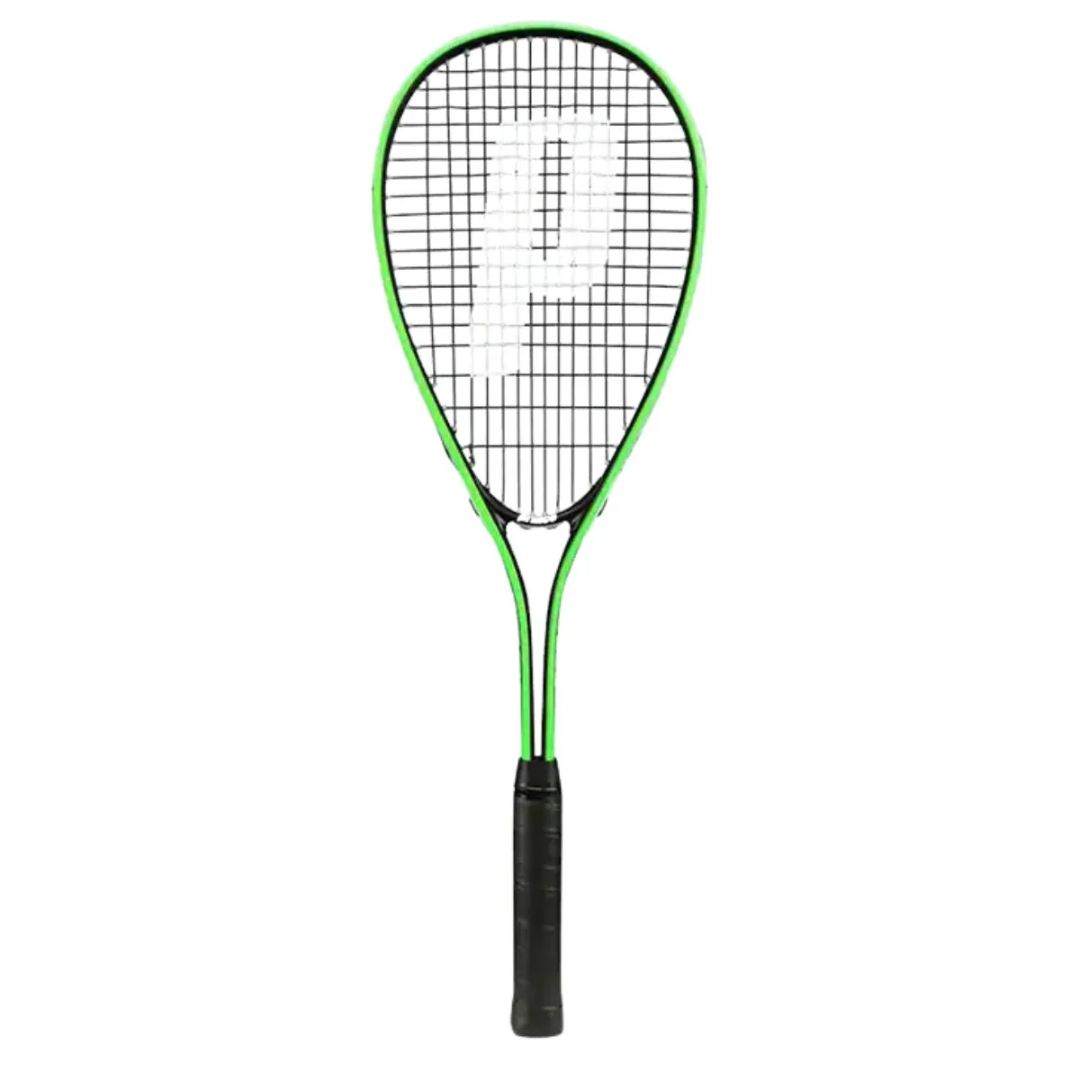
Beginners should look for a slightly heavier, head-light or evenly balanced racket with a larger string bed. The extra weight is forgiving and the bigger sweet spot makes it easier to make clean contact while you learn. A racket like the Prince Power Beast 150 (₹2,999) is a sensible, durable starting frame. As you improve, you can move to a lighter racket like the Dunlop FX 125 Prolite (₹12,599), which comes with a bag, for more manoeuvrability and control.
Choosing the right ball
This is where beginners most often go wrong. Squash balls carry coloured dots that indicate speed and bounce. The double-yellow-dot ball used in competition is very slow and low-bouncing — frustrating for newcomers, because it barely bounces until it is warm. Beginners should start with a faster, higher-bouncing ball (a single blue or red dot) to keep rallies going while you learn. A reliable match ball such as the Head Tournament Squash Ball (₹183) is worth keeping once your game develops.
Strings, grip and the small stuff
Most starter rackets come pre-strung, but it is worth knowing that softer strings add comfort and control — a string like the Head Reflex 16L Squash String (₹960) is a popular choice when you re-string. A fresh overgrip keeps your hand from slipping, which matters in a hot, sweaty sport.
Shoes and eyewear: do not skip these
Squash demands non-marking indoor court shoes with grippy gum soles for sudden stops — running shoes are not safe on a squash court. Protective eyewear is strongly recommended too: the ball is small, hard and fast, and eye injuries are the main safety risk in squash. These two items protect you more than any upgrade to your racket.
What to buy first
If you are starting from scratch, prioritise a forgiving racket, a beginner-friendly ball and proper court shoes, then add eyewear. That kit will get you playing comfortably, and you can upgrade the racket once you know you are hooked.
Shop the gear
- Prince Power Beast 150 Squash Racket — ₹2999
- Head Tournament Squash Ball (Pack of 1) — ₹183
- Head Reflex 16L Squash String — ₹960
- Dunlop FX 125 Prolite Squash Racket (with bag) — ₹12599
Related reading
- Best Squash Rackets for Beginners in India
- How to Choose a Squash Racket: A Beginner's Guide for India
- Monsoon Squash: Why the Rainy Season Is Squash Season in India
Frequently asked questions
Which squash ball should a beginner use?
Start with a faster, higher-bouncing ball such as a single blue or red dot. The competition double-yellow-dot ball is very slow and barely bounces until warm, which makes rallies frustrating for newcomers.
What kind of racket is best for a beginner?
A slightly heavier, head-light or evenly balanced racket with a larger string bed. The extra weight is forgiving and the bigger sweet spot makes clean contact easier while you learn.
Do I need eyewear and special shoes for squash?
Yes. Protective eyewear guards against the main safety risk in squash — a fast, hard ball to the eye — and non-marking indoor court shoes with gum soles give the grip you need for sudden stops. Running shoes are not safe on a squash court.


