
Yonex Nanoflare 1000 Game Badminton Racket Review & Buying Guide (India)
The Nanoflare 1000 Game brings the fastest frame in Yonex's line down to a price club players can justify. Here's who it suits — and who should look elsewhere.
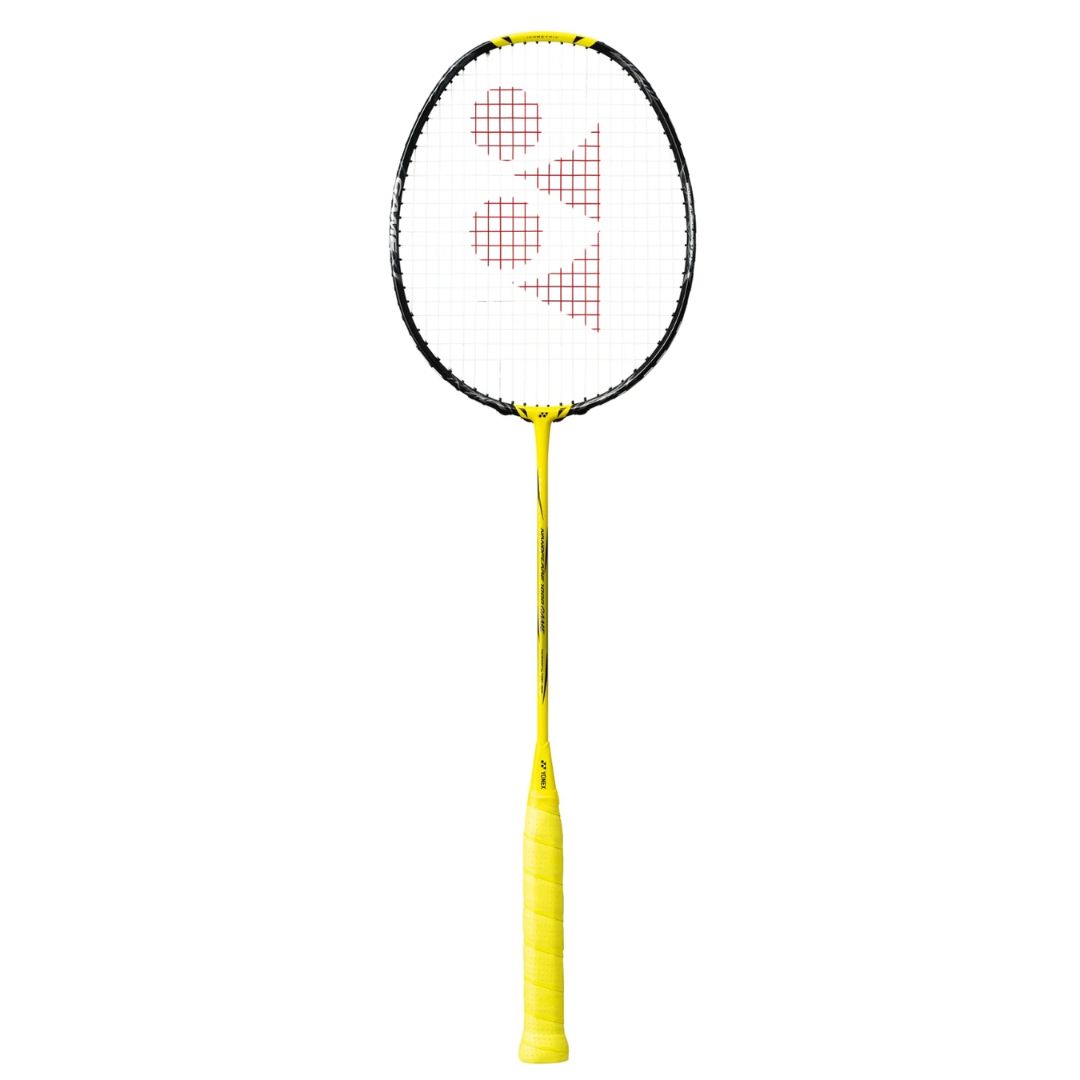
Yonex Nanoflare 1000 Game Badminton Racket: The Speed Frame That Finally Got Affordable
The Yonex Nanoflare 1000 Game badminton racket occupies a genuinely useful slot in the Indian market at ₹6,999: it's the accessible tier of Yonex's flagship speed line, the same family the Nanoflare 1000Z and 1000Pro sit in, built around the same head-light philosophy but priced for a club player rather than a national-level one. If you're a doubles player, a fast defensive singles player, or someone who has been told repeatedly that your swing is late — this is the frame that keeps coming up. Here's what it does well, where the compromises are, and whether it suits your game.
What is the Yonex Nanoflare 1000 Game good for?
Speed. That's the whole design brief and Yonex doesn't pretend otherwise. The Nanoflare line is head-light, meaning mass is pulled back toward the handle, which cuts the swing weight and lets you get the racket face to the shuttle faster. The practical consequences are specific and worth being clear about.
In doubles, the racket is transformative in the front court. Flat drives, quick blocks, and the exchange at the net where the point is actually decided — a head-light frame lets you take the shuttle earlier and put it back down before your opponent has reset. In defence, a fast frame is the difference between reaching a smash and watching it. In singles, it suits the retriever who wins by being everywhere rather than the player who wins by hitting through people.
Where it's less suited: if your game is built on a heavy smash from the back court, a head-light frame is fighting you. You're generating power from swing speed rather than from mass, and that requires clean technique. A head-heavy racket does more of the work for you.
- Buy it if: you play doubles, you defend a lot, or you're consistently late on the shuttle.
- Skip it if: your main weapon is a back-court smash and you have the technique to use a head-heavy frame.
- Level: intermediate club player upward. Beginners will not feel the difference the price is charging for.
Weight, balance and string tension: getting the setup right
The Nanoflare 1000 Game is commonly available in 4U, which is the 80–84g band — light enough to swing fast, heavy enough to hold a line through the shuttle. For most Indian club players this is the right choice. If you're smaller-framed or your wrist tires late in a long doubles session, 5U exists but you'll give up some stability.
String tension is where most people get this racket wrong. There's a persistent belief that higher tension means more power. It doesn't — higher tension means a smaller sweet spot and more control, and it only produces power if you're already middling the shuttle consistently. On a Game-tier frame, sitting around 24–26 lbs is the sensible band for a club player. Going to 28 lbs because a pro strings there will simply mean you mishit more, and on a monsoon-humid evening in Chennai or Kolkata, a high-tension string bed also loses tension faster.
One honest note on the "Game" designation. Within Yonex's naming, Game sits below Pro and Tour: the frame shape and the marketing story are shared with the flagship, but the carbon layup and the materials are a tier down. That's not a criticism — it's the entire reason it costs ₹6,999 instead of ₹20,499. But you should buy it knowing you're getting the Nanoflare concept at a club price, not the flagship in a cheaper sticker.
How does the Nanoflare 1000 Game compare to other Yonex rackets?
Two comparisons matter most. The Yonex Nanofaler 700 Game Badminton Racket at ₹6,044 is the closest sibling and roughly a thousand rupees cheaper — it's a slightly more all-round frame, marginally less extreme in its head-light bias. If you play both singles and doubles and don't want to commit fully to a speed frame, the 700 is arguably the smarter buy.
The Yonex Nanoflare Nextage Badminton Racket (Unstrung) at ₹7,031 is the step up and the one worth a serious look, because it's only ₹32 more. Nextage is generally regarded as a more refined frame with a slightly better feel through the shot, and it comes unstrung — which sounds like a downside but isn't: you get to choose your own string and tension rather than accepting a factory job.
Going down, the Yonex Nanoflare 002 Ability Badminton Racket at ₹2,250 is the genuine beginner entry into the line. If you've played for under a year, buy this one, spend the ₹4,700 you saved on coaching, and upgrade when you can actually feel what a frame is doing.
| Racket | Price (₹) | Best for |
|---|---|---|
| Yonex Nanoflare 002 Ability | 2,250 | Genuine beginners, first year |
| Yonex Nanofaler 700 Game | 6,044 | All-round club play, singles + doubles |
| Yonex Nanoflare 1000 Game | 6,999 | Doubles and defensive speed players |
| Yonex Nanoflare Nextage (Unstrung) | 7,031 | Better feel, choose your own string |
Verdict: is the Yonex Nanoflare 1000 Game worth ₹6,999?
For the right player, comfortably yes. If you're an intermediate doubles player who has been beaten at the net one too many times, a head-light frame at this price is one of the more honest upgrades available in Indian badminton — you will feel the difference in your first session, which is not something you can say about most racket purchases. For an all-rounder, the Nanofaler 700 Game is cheaper and probably better suited. And for anyone in their first year, the 002 Ability plus coaching is the objectively better use of the money.
Whichever you land on, budget another few hundred rupees for a decent overgrip and get it strung properly at a shop that measures tension rather than eyeballing it. A well-strung ₹6,999 racket beats a badly strung ₹20,000 one, every single time.
Shop the gear
- Yonex Nanoflare 1000 Game Badminton Racket — ₹6,999
- Yonex Nanofaler 700 Game Badminton Racket — ₹6,044
- Yonex Nanoflare Nextage Badminton Racket (Unstrung) — ₹7,031
- Yonex Nanoflare 002 Ability Badminton Racket — ₹2,250
Related reading
- Head-Heavy vs Head-Light Badminton Rackets: Which Should You Buy?
- 3U vs 4U vs 5U Badminton Rackets: Which Weight Should You Buy? (India)
- Badminton String Tension Explained: A Buying Guide for India
Frequently asked questions
Is the Yonex Nanoflare 1000 Game good for doubles?
Yes — it is arguably its best use. The Nanoflare line is head-light, which reduces swing weight and lets you get the racket face to the shuttle faster. That matters most in the front court, in flat drives and in the net exchanges where doubles points are actually decided. It is less suited to a game built around a heavy back-court smash.
What string tension should I use on the Yonex Nanoflare 1000 Game?
Around 24 to 26 lbs is the sensible band for a club player. Higher tension gives a smaller sweet spot and more control, not more power, and it only helps if you already middle the shuttle consistently. High tension also loses its stiffness faster in humid Indian conditions.
What is the difference between the Nanoflare 1000 Game and the Nanoflare 1000Z or Pro?
Within Yonex's naming, Game sits below Pro and Tour. The frame shape and design concept are shared with the flagship, but the carbon layup and materials are a tier down, which is why the Game costs ₹6,999 rather than ₹20,499. You are buying the Nanoflare concept at a club price, not the flagship frame.


