
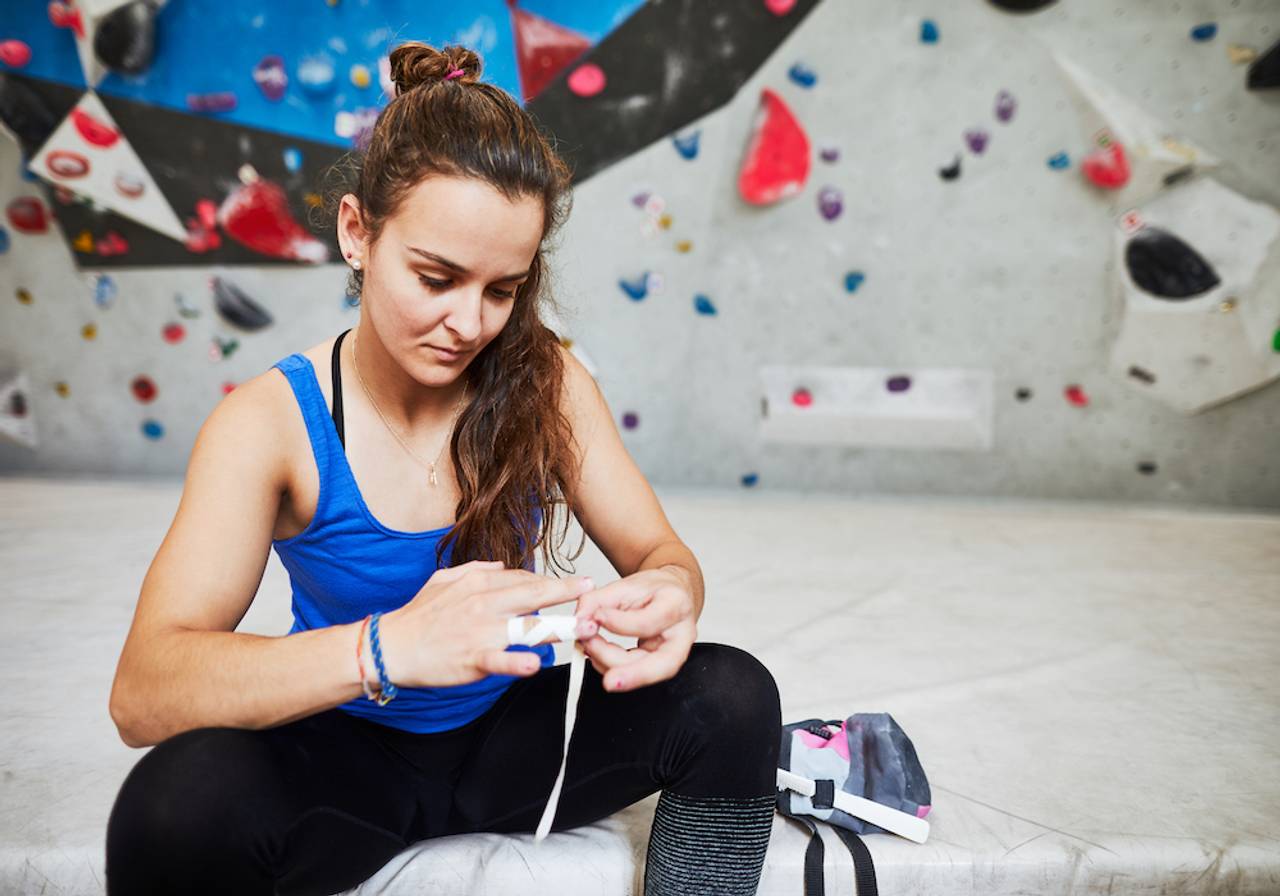
Ascending Back to Strength: Recovering from Ankle Sprains in Rock Climbing Athletes
It was a chilly morning when Emma set out to conquer a new climbing route in the rugged terrains of Joshua Tree. The golden sun peeked over the horizon, casting long shadows across the jagged rocks. Emma, an avid climber with numerous climbs under her belt, felt a familiar stir of excitement mixed with nerves. She had been eyeing this particular route for weeks, challenging yet promising. However, as she reached for a handhold, she felt a sudden mistakea misplaced foot, a skipped heartbeat, and thena sharp, searing pain shooting through her ankle as she landed awkwardly among the stones.
Emma's world became a haze of disappointment and discomfort. She had suffered the most common injury among climbersan ankle sprain. For Emma, the road to recovery was not just about physical healing but rebuilding her life's momentum on the rock face. This narrative explores her journey, offering insights into effective recovery strategies for rock climbing athletes suffering from ankle sprains.
The Anatomy of an Ankle Sprain: Understanding the Injury
An ankle sprain occurs when the ligaments surrounding the ankle stretch beyond their limits, often resulting in tears. These ligaments connect bones and provide stability, crucial for a dynamic sport like rock climbing. Emma's experience highlighted the common mechanisms behind such injuriesunsuspected twists or a rapid shift in footing.
Ankle sprains are typically categorized into three grades, each defining the severity of the tear:
| Grade | Severity | Description |
|---|---|---|
| Grade I | Mild | Slight stretching and microscopic tearing of the ligament fibers. Minimal pain and swelling. |
| Grade II | Moderate | Partial tearing of the ligament. Moderate pain and swelling, with slight instability. |
| Grade III | Severe | Complete tear of the ligament. Significant pain, swelling, and instability. |
The Path to Recovery: Emma’s Strategy
Emma’s recovery was calculated and multifaceted, involving rest, rehabilitation exercises, and consistent monitoring by a professional. Here's a breakdown of the core components that facilitated her return to climbing:
1. Initial Rest and Protection
Immediately following the injury, Emma prioritized rest, which is paramount in the initial phase of recovery. This step is crucial in preventing further strain on the injured ligaments. She used an ankle brace for added protection, ensuring stability during minimal required movements.
2. Rehabilitation Exercises
As the initial pain subsided, Emma introduced a regimented set of exercises tailored for ankle mobility and strength. These exercises included:
- Range of Motion Exercises: Gentle movements like circles and alphabet writing with the foot helped restore flexibility.
- Strengthening: Resistance band exercises and calf raises were key in rebuilding strength without compromising healing.
- Proprioceptive Training: Balance exercises, such as standing on one foot, retrained Emma’s neuro-muscular coordination, vital for climbers.
3. Gradual Return to Activity
Emma gradually resumed her climbing regimen, starting on less demanding routes. This phased approach minimized the risk of re-injury. She complemented climbing with controlled environments like indoor climbing facilities with padded floors.
4. Long-term Strategies
An integral part of her recovery was integrating ongoing ankle-strengthening exercises into her regular routine, even beyond the point of subjective recovery. She also routinely checked her gear and foot placement, a practice that significantly reduced the risk of recurrence.
Lessons Learned: Insights for Fellow Climbers
Emma’s experience illuminated several key takeaways for rock climbers:
- Listen to Your Body: At the first sign of pain or discomfort, assess and modify your approach.
- Invest in Quality Footwear: Proper climbing shoes provide better support and grip, reducing injury risks.
- Create a Sustainable Climbing Plan: Balance between challenge and safety is important for long-term progression.
Conclusion
Emma’s journey from injury back to climbing is a testament to the resilience and meticulous care climbing demands. With proper strategies, embracing both rest and rehabilitative practices, rock climbers can effectively recover from ankle sprains and return to ascend their next great challenge.
For climbers seeking guidance on recovery journeys and climbing insights, connect with like-minded athletes on InstaSport, where adventure meets community.
Disclaimer: The content shared here discusses sports injury recovery in a general context and should not replace professional medical guidance.


































































































Share:
Debunking the Myths: Comprehensive Recovery Strategies for ACL Injuries in Female Soccer Players
Bouncing Back: Recovering from an ACL Tear in Female Soccer Athletes