
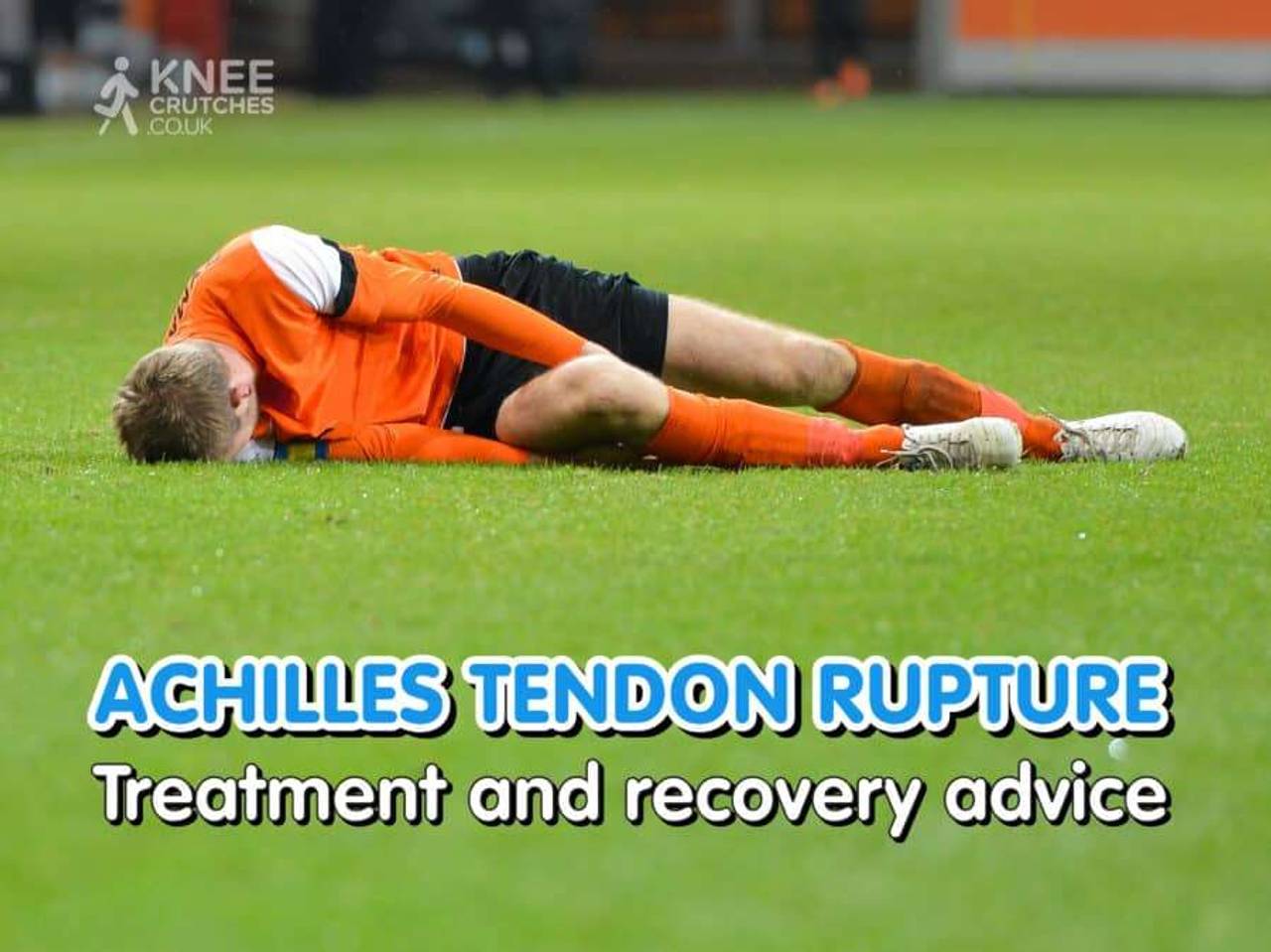
Picture this: a vibrant stadium, an electrifying match, and the adrenaline coursing through your veins as you maneuver with precision on the soccer field. Then, without warning, something gives way. You hear a popping sound and suddenly the soccer pitch is not your battleground but a place of despair. You've ruptured your Achilles tendona dreaded injury for athletes, particularly for soccer players reliant on their legs for speed and mobility.
The general perception of sports injuries, especially among enthusiasts and casual fans, tends to focus on the physical healing process. Headlines and conversations revolve around surgery, physiotherapy timelines, and return-to-play dates. However, beneath the surface lies an often overlooked realm: the psychological and emotional recovery journey.
Breaking the Myths: Beyond the Physical
One common assumption in recovery narratives is the equation of physical healing with full recovery. This perspective narrowly suggests that once athletes can move without pain, they are ready to get back in the game. While it's certainly true that regaining physical functionality is crucial, it is only one part of a multifaceted journey.
Consider the silent echoes of doubt. After an Achilles tendon rupture, the fear of re-injury can become a significant deterrent to performance. Athletes often wrestle with anxiety that can affect their movements or decision-making on the field. A player who previously glided across the field may find themselves hesitating, subconsciously guarding against a recurrence of pain, which potentially increases vulnerability to further injury.
The Emotional Rollercoaster
Dealing with an injury means confronting not just physical limitations but also emotional turmoilfrustration, anger, sadness, and even self-worth issues. Soccer players derive part of their identity from their sports performancetheir platform to express excellence and achieve personal goals. An injury that sidelines them can disrupt this identity, leading to feelings of loss and hopelessness.
These emotional struggles are natural and should not be dismissed as mere side-effects. They call for careful acknowledgment and management, just as a torn tendon requires professional medical treatment. A supportive environment that allows athletes to express their emotions is paramount.
Rebuilding: The Mind-Body Connection
To truly recover, athletes must foster a harmonious relationship between the mind and body. Mental imagery and visualization techniques are incredibly beneficial. Athletes can harness these methods during physiotherapy sessions to imagine themselves executing their moves precisely and confidently.
Furthermore, incorporating psychological skills trainingsuch as goal setting, positive self-talk, and mindfulnesscan significantly aid in pushing past the mental hurdles that accompany injury recovery. Sport psychologists play a crucial role in guiding athletes through this transformative process, ensuring that their minds heal in tandem with their bodies.
Another powerful tool is peer support. Sharing recovery experiences with fellow athletes who have faced similar setbacks can provide a much-needed sense of camaraderie and empowerment.
Tools for Transparently Tracking Progress
An honest reflection on recovery journeys can be aided by keeping a journal or progress tracker, quantifying not just physical milestones but also emotional ones. Consider the following table as a guide:
| Week | Physical Achievement | Psychological Breakthrough |
|---|---|---|
| 1 | Walking with support | Accepting the injury |
| 3 | First physiotherapy session | Identifying anxiety sources |
| 8 | Light jogging | Feeling motivated |
| 12 | Running drills | Increased confidence |
Cultivating Patience and Persistence
The mantra "patience is a virtue" holds particular weight in the context of injury recovery. It is a process marked by ebbs and flows, where some days progress seems tangible, while others feel stagnant or regressive.
For athletes, nurturing patience means celebrating small victories, even when they seem insubstantial compared to pre-injury capabilities. It’s vital to focus on what can be achieved today rather than dwelling on limitations.
Celebrating a Return to Play
Reaching the point where stepping onto the field feels like a homecoming rather than a challenge is a moment to savor. Here, again, the narrative must be more than just physical capability. It is about resilience, overcoming mental barriers, and rediscovering the joy of sport.
This comprehensive recovery journey extending beyond the mechanics of healing legs to healing mindsreinforces the notion that athletes are not merely performers but individuals whose stories inspire and uplift. They remind us of the profound strength of the human spirit, the power of perseverance, and the impact of support networks.
For more in-depth stories and resources on achieving full recovery from sports injuries, consider engaging with InstaSport, which offers tailored support and community connections to help athletes across the globe.
Disclaimer: This article is for educational reading about sports injury recovery and does not provide medical, diagnostic, or treatment advice.


















































































Share:
The Art and Science of Successful Sports Injury Recovery: From Failures to Best Practices
Reconstructing Recovery: Dispelling Myths in Sports Injury Rehabilitation