
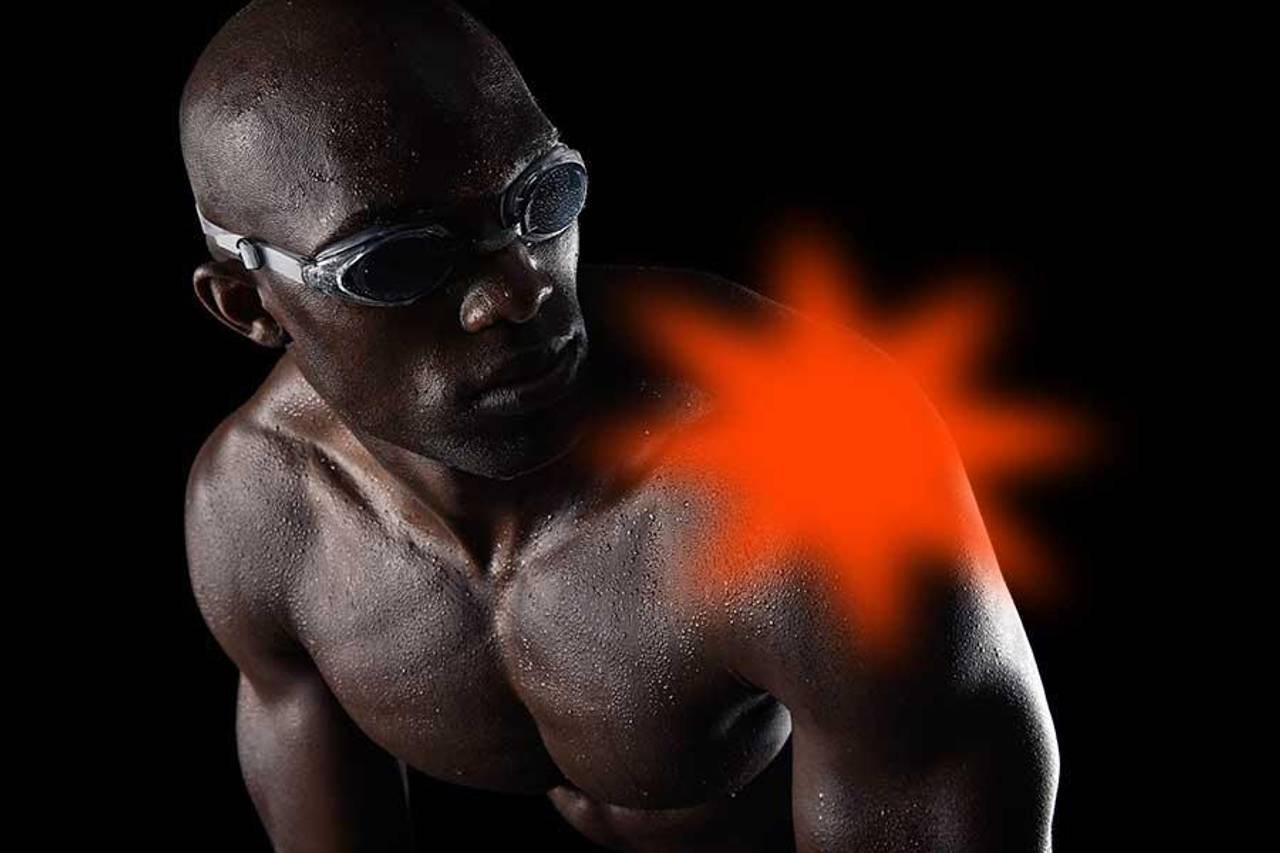
Understanding the Complexities of Rotator Cuff Injuries in Swimmers
Rotator cuff injuries represent a significant challenge for swimmers. Repetitive overhead movements, pivotal in freestyle, backstroke, and butterfly strokes, can lead to rotator cuff tears, tendinitis, and impingement syndromes. These injuries compromise shoulder strength, flexibility, and function, ultimately affecting performance. The path to effective recovery demands a strategic approach deeply rooted in performance and biomechanics analysis to restore full functionality.
The Problem: Compromised Shoulder Biomechanics
The rotator cuff comprises four musclessupraspinatus, infraspinatus, teres minor, and subscapularisthat stabilize and move the shoulder joint. Swimmers rely heavily on these muscles for propulsion and stability. Overuse, poor stroke technique, or insufficient recovery can lead to microtrauma, gradually evolving into complex injuries.
Without proper rehabilitation, these injuries not only limit range of motion and strength but also disrupt the kinetic chain. Compromised biomechanics can lead to compensatory mechanisms, increasing the risk of further injuries.
Consequences of Inadequate Recovery
Failing to address a rotator cuff injury correctly can prolong recovery time and affect a swimmer’s competitive edge. Chronic pain, decreased stroke efficiency, and psychological impacts are among the consequences. Athletes may experience diminished motivation, fear of re-injury, and decreased performance levels. The cumulative effect can lead to early retirement from the sport.
Ensuring a successful return to the sport requires understanding the intricate balance between muscle strength, endurance, and joint mobility. This interdisciplinary approach involves sport-specific biomechanical analysis to tailor rehabilitation programs effectively.
Phase 1: Acute Injury Management
In the initial phase, minimizing inflammation and managing pain takes precedence. Healthcare providers may recommend pharmacological interventions alongside supervised rest to prevent further damage. However, it's crucial to maintain general conditioning through non-affected areas of the body to preserve cardiovascular fitness and muscular endurance.
| Acute Phase Goals | Focus Areas |
|---|---|
| Reduce inflammation | Icing, NSAIDs, modified rest |
| Pain management | Pharmacological interventions |
| Maintain fitness | Cardio workouts, unaffected limb training |
Phase 2: Restoration of Range of Motion and Flexibility
Following acute management, phase two emphasizes restoring normal shoulder range of motion and flexibility. This phase is delicate and requires a multi-disciplinary team to ensure biomechanical accuracy and safety.
Using active and passive exercises, such as pendulum swings and cross-body stretches, helps regain mobility. An understanding of shoulder kinematics, including scapular rotation and humeral head alignment, is essential to avoid impingement and re-injury.
| Exercise | Purpose |
|---|---|
| Pendulum swings | Promote joint movement |
| Stretching | Enhance muscle elasticity |
| Passive/active ROM | Facilitate mobility |
Phase 3: Strengthening and Neuromuscular Re-Education
As the range of motion improves, the focus shifts toward strengthening exercises tailored to the swimmer's biomechanical needs. Resistance exercises, targeting shoulder stabilizers and rotator cuff muscles, begin with low weights, high repetitions and gradually progress.
Crucially, neuromuscular re-education is included to develop proprioception and coordination, essential for stroke efficiency. Utilizing elastic bands and proprioceptive neuromuscular facilitation (PNF) techniques helps synchronize these aspects effectively.
Phase 4: Return to Swimming and Sport-Specific Conditioning
The final phase encompasses the return to swimming, focusing on sport-specific conditioning to ensure the shoulder can endure the rigors of competitive swimming. Emphasizing technique correction, stroke analysis, and endurance training ensures a safe return to full performance.
Sport scientists can employ motion capture technology to analyze stroke mechanics and detect any deviations from optimal biomechanics, addressing them in real-time training sessions. This feedback loop is critical to adapting stroke techniques that protect and strengthen the shoulder.
| Key Activities | Objective |
|---|---|
| Technique drills | Correct biomechanical issues |
| Stroke analysis | Custom-feedback for technique fixing |
| Endurance sets | Build shoulder stamina |
The Role of Technology in Recovery
Modern rehabilitation incorporates technology like underwater cameras and motion analysis software to gauge swimmer’s biomechanics. The ability to capture real-time data facilitates precise adjustments to stroke biomechanics, critical in preventing recurrent injuries and expediting recovery.
Augmenting traditional training methods with digital tools ensures adherence to biomechanical principles crucial in optimizing shoulder performance without sacrificing long-term joint integrity.
Conclusion: The Journey to Full Recovery
Successfully recovering from a rotator cuff injury involves a sophisticated understanding of biomechanics and tailored rehabilitation strategies. A phased approach that includes acute management, mobility restoration, strengthening, and sport-specific conditioning supports a comprehensive recovery. By leveraging advancements in sports science and technology, swimmers can confidently return to the pool, reducing the risk of re-injury. Platforms like InstaSport provide useful resources for athletes looking to strengthen their recovery journey, offering insights and tools that are beneficial for sustaining performance and health.
Disclaimer: This article is intended for general informational purposes only and reflects common patterns in sports injury recovery. It is not medical or technical advice.

















Share:
Bouncing Back: Recovering from an ACL Tear in Female Soccer Athletes
Rethinking Recovery: A Deep Dive into Tennis Elbow Rehabilitation for Amateur Athletes