
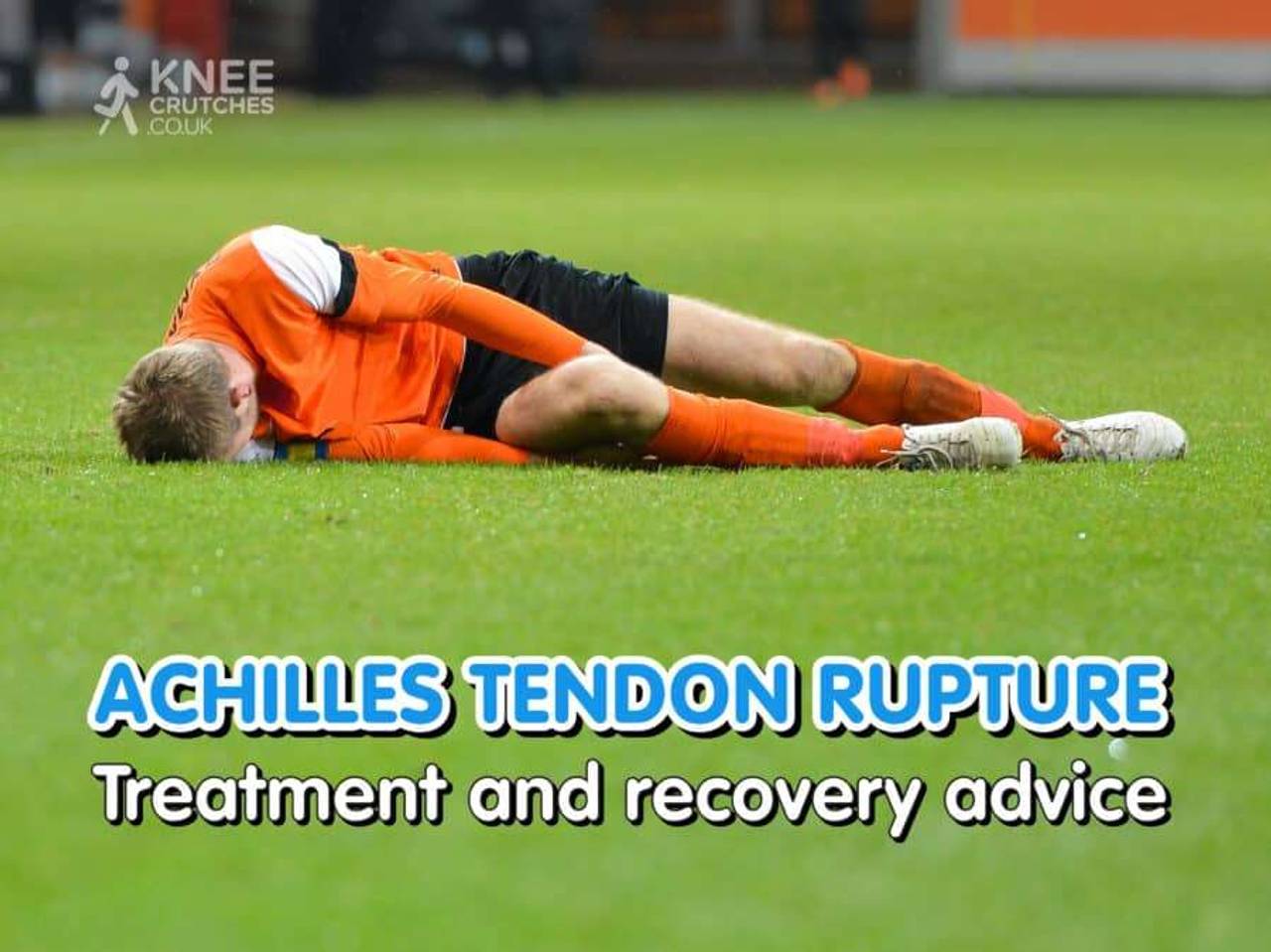
Recovery from sports injuries is an intricate process, often clouded by myths and misconceptions. As athletes strive to return to peak performance, it’s crucial to sift fact from fiction. Let's examine the prevailing myths about sports injury recovery, only to reconstruct a clearer, evidence-based understanding.
Myth: Rest is Always Best
Traditionally, athletes were advised to rest until full recovery. While rest is important, excessive immobilization can actually impede healing. Modern recovery programs emphasize balanced rest and activity. For instance, gradual reintroduction of movement prevents muscle atrophy and maintains cardiovascular fitness. In the case of ligament injuries, passive motion can promote beneficial blood flow and expedite healing.
Myth: Pain-Free Means Healed
Many athletes mistakenly equate the absence of pain with complete healing. In reality, pain is an unreliable indicator of recovery status. Some injuries may heal significantly without triggering discomfort. Conversely, remaining inflammation could linger even after pain subsides. Comprehensive diagnostic assessments including imaging and physical examinations are essential to determine an injury's true progress.
Myth: All Injuries Heal at the Same Pace
Expecting all injuries to heal uniformly overlooks the complexity of bodily recovery. Factors such as age, physical fitness, and the injury’s nature significantly influence healing time. For example, bone fractures typically follow a different timeline than muscle strains. Personalized recovery plans that accommodate individual patient factors lead to more effective outcomes. Below is an illustrative table showing diverse injury recovery timelines:
| Injury Type | Estimated Recovery Time |
|---|---|
| Ankle Sprain | 2-4 weeks |
| Achilles Tendon Rupture | 6-12 months |
| ACL Tear | 6-9 months |
| Stress Fracture | 6-8 weeks |
Rebuilding Understanding: Modern Principles of Recovery
Active Recovery and Rehabilitation
Advancements in sports medicine show that early, controlled movement can facilitate faster recovery. Physical therapy is customized to an athlete's condition, emphasizing the importance of rebuilding strength, flexibility, and range of motion. This proactive approach prevents deconditioning, thereby reducing the risk of re-injury.
Understanding Load Management
Recovering athletes must avoid overexertion but engage in structured load management. Progressive overload, when applied carefully, rebuilds tolerance to physical stress. This principle is particularly beneficial for sports involving endurance and strength, such as running and soccer.
Nutritional Support and Hydration
Nutrition plays a fundamental role in the healing of sports injuries, yet it is often underestimated. Protein intake aids in muscle repair, while vitamins and minerals such as Vitamin D and calcium support bone recovery. Proper hydration is equally vital, ensuring optimal physiological function and toxin removal, fostering an efficient healing environment.
Psychological Resilience
Emotional well-being is as critical as physical recovery. Athletes often face mental barriers during rehabilitation, including anxiety and fear of re-injury. Psychological strategies like visualization and goal setting can fortify mental resilience, helping athletes remain motivated and focused on their recovery objectives.
Technological Innovations
The use of wearable technology and digital platforms facilitates meticulous tracking of recovery metrics. From customized mobile apps to smart wearables, athletes can monitor their performance and receive personalized feedback, tailoring their rehabilitation more accurately.
In conclusion, recovering from sports injuries necessitates dispelling myths in favor of an individualized and scientific approach. By embracing contemporary rehabilitation principles, athletes can enhance their recovery journey, returning to their passion stronger than before.
Turn to resources like InstaSport, connecting athletes with top-tier recovery specialists dedicated to empowering your return to sport.
Disclaimer: This article is for educational reading about sports injury recovery and does not provide medical, diagnostic, or treatment advice.























Share:
From Setbacks to Comebacks: Understanding the Systems Behind Successful Sports Injury Recoveries
Falling Short: Navigating the Emotional Terrain of Sports Injury Recovery