
Introduction
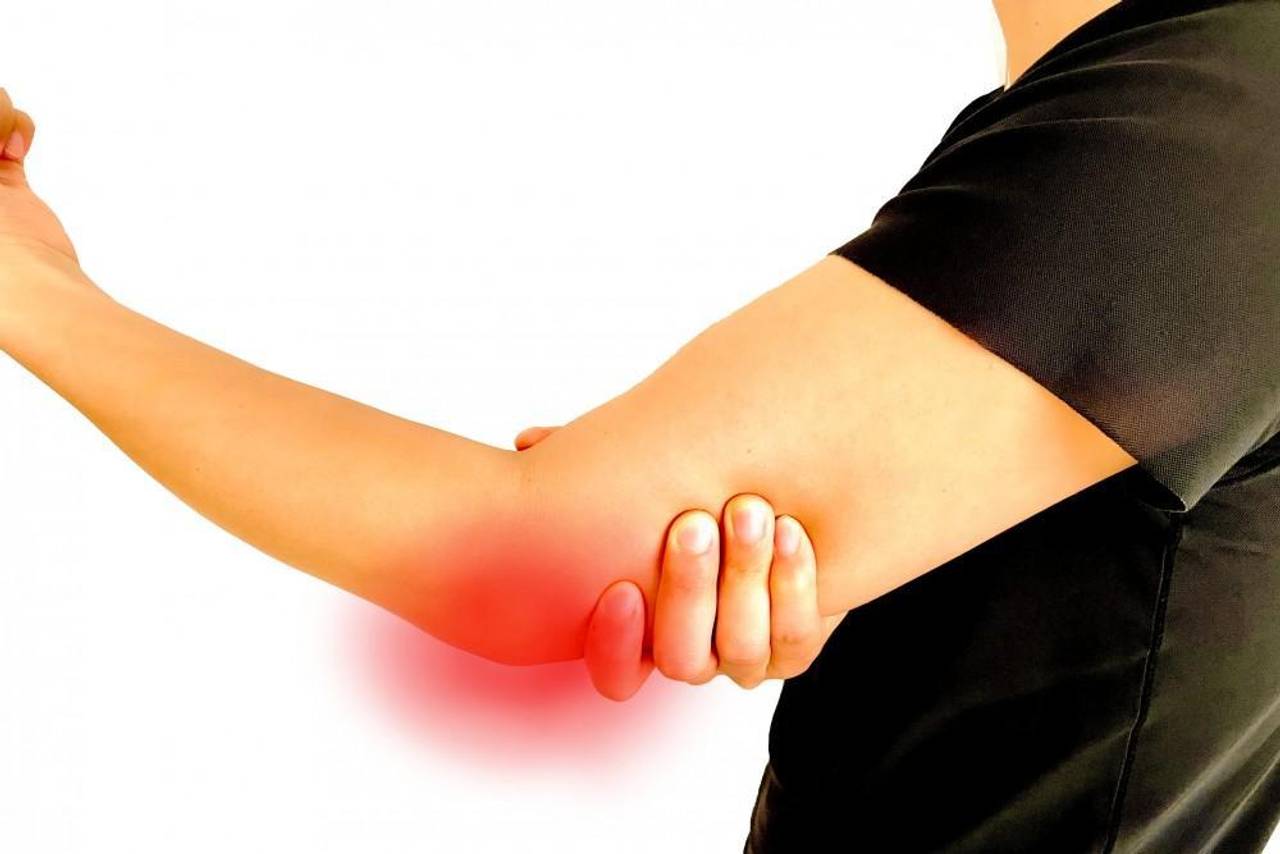
Tennis elbow, known medically as lateral epicondylitis, is a common overuse injury among young athletes specializing in racket sports. It predominantly affects the outer part of the elbow and is caused by repetitive stress on the forearm muscles and tendons. Despite its prevalence, tennis elbow recovery is often misunderstood, leading to prolonged periods of discomfort and inactivity. This article aims to provide a clear timeline for recovery while addressing common misconceptions that can hinder progress.
Recovery Timeline: What Young Athletes Should Expect
The recovery process for tennis elbow can vary significantly depending on the severity of the injury and the adherence to a proper rehabilitation program. For young athletes, the timeline can be broken down into the following stages:
| Stage | Timeframe | Description |
|---|---|---|
| Initial Rest and Symptom Relief | 1-3 weeks | Focus on reducing pain using methods like ice therapy and temporary cessation from aggravating activities. |
| Rehabilitation and Strengthening | 3-6 weeks | Includes gentle stretching and gradual introduction of strengthening exercises to restore muscle function. |
| Gradual Return to Activities | 6-12 weeks | Re-introduction of sport-specific movements with a focus on technique and prevention strategies. |
| Full Return to Sport | 3-6 months | Athletes return to full competition levels, having integrated preventative exercises into their routine. |
Common Delays and Setbacks in Tennis Elbow Recovery
While the timeline outlined offers a general framework, several factors can delay recovery or lead to setbacks. Understanding these pitfalls is crucial for athletes and coaches to foster a smoother rehabilitation journey.
1. Ignoring Pain As a Warning Sign
One pervasive myth concerning sports injuries is the "no pain, no gain" mentality. Young athletes, driven by the desire to compete, often overlook pain, interpreting it as a hurdle to push through. In the context of tennis elbow, this approach is detrimental, as ignoring pain can exacerbate the injury and extend recovery time.
2. Lack of Proper Rehabilitation Regimen
Skipping rehabilitation in favor of an expedited return to sport is another common error. A comprehensive rehabilitation program should include flexibility, strengthening, and proprioception exercises. Neglecting these crucial components not only halts recovery but also increases the risk of re-injury.
3. Psychological Barriers
The mental aspect of recovering from an injury is often underestimated. Young athletes might experience anxiety and fear of re-injury, which can hinder their performance and slow down physical rehabilitation. Addressing these psychological factors through counseling or mental conditioning can significantly enhance recovery outcomes.
4. Inadequate Rest
Rest is a vital component of recovery; however, the balance between rest and activity is delicate. Excessive rest can lead to muscle atrophy and stiffness, while inadequate rest fails to allow tissue healing. Young athletes need a structured rest schedule, often guided by healthcare professionals, to optimize recovery.
Busting Myths Surrounding Tennis Elbow Recovery
The nuances of sports injury recovery are often clouded by misconceptions. Here, we debunk some of the common myths associated with tennis elbow treatment:
Myth 1: Complete Immobilization is Necessary
While initial immobilization can help manage pain, prolonged abstention from movement is detrimental. Structured activity encourages blood flow and facilitates healing, making it an essential part of the recovery progression.
Myth 2: Surgery is the Only Fix for Severe Cases
Many believe that surgery is inevitable for serious cases of tennis elbow. However, non-operative treatments such as physical therapy, shockwave therapy, and ultrasound are effective in most cases. Surgery should be considered only after exhausting less invasive methods.
Myth 3: Recovery Equates to Symptom Absence
Another common misconception is that the absence of pain or symptoms signifies complete recovery. True rehabilitation involves regaining optimal function, which includes improved strength, flexibility, and endurance beyond the absence of symptoms.
Conclusion
In navigating the recovery path from tennis elbow, it's vital for young athletes to divorce themselves from pervasive myths and embrace evidence-based recovery strategies. This approach not only paves the way for a swift return to sport but minimizes the risk of recurrence.
For those looking to optimize their rehabilitation journey, InstaSport provides comprehensive guidance aimed at enhancing both recovery and performance.
Disclaimer: The content shared here discusses sports injury recovery in a general context and should not replace professional medical guidance.










































































Share:
Reclaiming the Game: Achilles Tendon Rupture Rehabilitation in Soccer Players
Beyond the Physical: Unveiling the Emotional Journey of ACL Recovery in Soccer Players