
Introduction
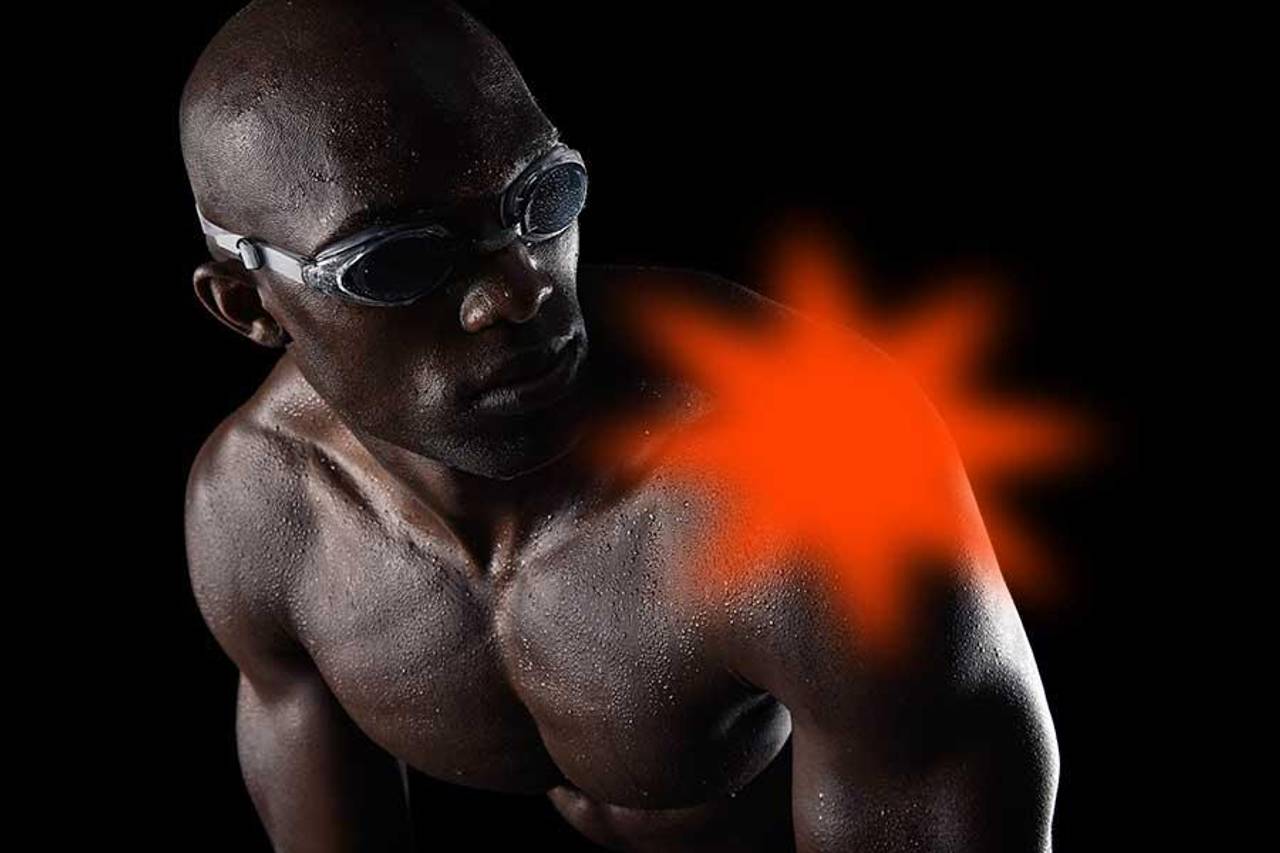
Sports injuries, encompassing both acute traumas and repetitive strain disorders, constitute a significant area of concern for athletes and their healthcare providers. While the pathway to recovery is often depicted as a straightforward trajectory back to peak performance, the reality is far more intricate. This article endeavors to break common recovery assumptions and reconstruct a system-level understanding of why some recoveries succeed while others falter.
Challenging Recovery Myths
The journey to recovering from a sports injury is frequently misrepresented by oversimplified assumptions. These include the beliefs that rest is the panacea for recovery, that healing is purely a physiological process, and that the timeline for recovery can be easily predicted. By confronting these myths, one can begin to appreciate the nuanced complexity involved in successful rehabilitation.
Myth 1: Rest is All You Need
Rest is undoubtedly a crucial component of recovery; however, the assumption that it is the only requirement is not supported by evidence. A complete cessation of activity can lead to muscle atrophy and loss of range of motion. Active rehabilitationgradually reintroducing movementis vital to promote blood flow, enhance tissue repair, and maintain cardiovascular health.
Myth 2: Recovery is Solely a Physical Process
While physical healing is fundamental, recovery also involves psychological resilience. Mental barriers such as fear of re-injury or performance anxiety can significantly hinder an athlete's return to sport. Psychological interventions, including cognitive behavioral therapy and visualization techniques, are integral to the rehabilitation process.
Myth 3: Recovery Timelines are Predictable
Recovery timelines are presented in estimate ranges, but individual variations are immense. Factors such as the severity of the injury, the athlete’s baseline fitness level, their commitment to rehabilitation protocols, and even genetic predispositions can markedly influence recovery duration.
Reconstructing a Comprehensive Recovery Framework
To construct an effective recovery framework, one must consider both biological and external systems that influence rehabilitation outcomes. This includes a multifaceted approach integrating medical interventions, customized physical therapy, nutritional support, and psychological care.
Biological Considerations
Understanding the biology of healing is imperative. The body repairs and remodels tissues in a coordinated sequence involving inflammation, proliferation, and maturation phases. Each phase has distinct cellular and molecular activities that necessitate specific interventions. For example, anti-inflammatory treatments may be beneficial initially but can be detrimental if prolonged in the proliferation phase.
External Influences
Coordination between healthcare providers, trainers, and the athlete forms an external system critical to recovery. Effective communication ensures that rehabilitation strategies are aligned with the athlete’s capabilities and goals. Additionally, external factors such as access to rehabilitation facilities and social support systems play pivotal roles.
| Healing Phase | Interventions |
|---|---|
| Inflammation | Rest, Immobilization, Cryotherapy, Anti-Inflammatories |
| Proliferation | Controlled Movement, Physical Therapy, Nutritional Support |
| Maturation | Strength Training, High-Intensity Rehab, Skill-Specific Drills |
Psychological Interventions
A well-rounded recovery strategy recognizes the athlete's mental well-being. Addressing psychological components through counseling and support groups can reduce stress and promote a positive outlook on recovery.
Metrics for Evaluating Recovery Progress
Monitoring progress is key to determining the success of a rehabilitation plan. Metrics can include pain levels, range of motion, strength assessments, and psychological questionnaires. Objective tracking enables adjustments to the recovery plan, optimizing outcomes.
Conclusion
Understanding sports injury recovery through a systems-level approach reveals the multidimensional challenges athletes face. It emphasizes that successful rehabilitation requires more than physical healing. By debunking recovery myths and embracing a holistic framework, athletes and their support teams can navigate the complex journey to full rehabilitation more effectively. Whether you're a serious athlete or a weekend warrior, platforms like InstaSport offer tools and resources to guide your injury recovery, ensuring you're back to pursuing your passion sooner and stronger.
Disclaimer: The content shared here discusses sports injury recovery in a general context and should not replace professional medical guidance.






























































Share:
Mastering the Art of Rehabilitation: A Systems-Level Approach to Sports Injury Recovery
Rising Above the Surface: An In-Depth Look at Overcoming Rotator Cuff Injuries in Swimmers