
Narrative Opening: The Crucial Game
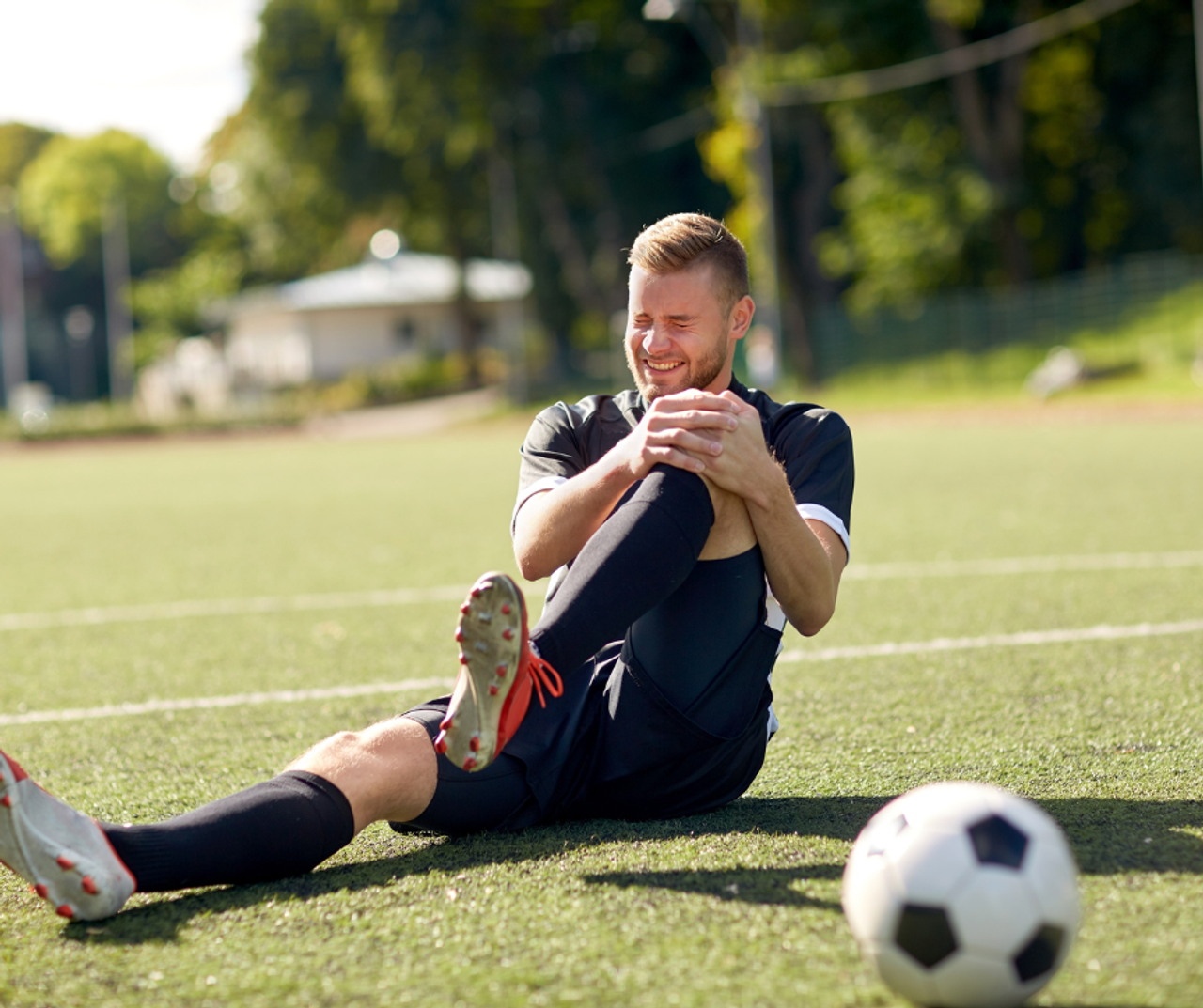
It was a humid afternoon in late May when Jessica felt the world tilt beneath her. The score was tied with just ten minutes left on the clock, and the championship match was intense. She sprinted down the field, weaving through defenders with eyes locked on the swollen net. What happened next was both a blur and an agonizingly clear moment. As she pivoted, determined to deliver the winning goal, Jessica's knee buckled awkwardly. Pain shot through her leg like electricity. Time seemed to stretch, the crowd's roar fading as she crumpled onto the green turf.
The medical team rushed to her side as teammates and opponents alike formed a concerned huddle. Her coach, weather-worn from years at the club’s helm, shook his head solemnly; he’d seen this before. Within hours, the diagnosis was confirmed - a torn anterior cruciate ligament (ACL), an ailment dreaded among soccer players worldwide.
Structured Analysis of ACL Injury and Recovery
Soccer, with its relentless demand for agility and speed, is conducive to injuries, none more ominous than an ACL tear. The ACL is a crucial stabilizer in legs, especially during sudden stops, pivots, and twisted landings -- all frequent in soccer. A landmark 2020 study by Dr. Susan Fallon highlights that soccer players are at an increased risk, particularly women due to biomechanical differences.
The Initial Impact
ACL injuries are not only physically taxing but also mentally overwhelming. Immediately following the injury, athletes often grapple with the loss of autonomy. This is a sport embodied by movement; when a player is taken out of the play, the psychological impact can be as severe as the physical pain.
Rehabilitation Overview
Once the immediate pain subsides, the journey of recovery begins. Rehabilitation from an ACL injury is intricate, demanding a blend of medical intervention, physical therapy, and mental resilience. Statistics show that the average time for recovery and return to sport (RTS) varies but often extends to nine to twelve months. It's essential to tailor a rehabilitation program to each player, given the diversity in their physicality and psychological response to the injury.
Rehabilitation Phases
Rehabilitation is typically broken into three key phases:
| Phase | Focus | Duration |
|---|---|---|
| Phase 1: Pre-Surgery | Reduce swelling, regain range of motion | 2-4 weeks |
| Phase 2: Early Recovery Post-Surgery | Gradual weight-bearing, strength exercises | 6 weeks |
| Phase 3: Advanced Recovery and Recondition | Aggressive strength training, sport-specific movements | 5-7 months |
Psychological Rehabilitation
An often understated component is psychological rehabilitation. A comprehensive study by the University of Kansas, 2021, revealed that players who actively participate in psychological counseling or peer-support groups return more steadily and confidently to their sport. Players work on setting realistic goals, visualizing success, and cultivating a resilient mindset.
The Road to Return
Jessica's path to recovery was rigorous and emotional. Physical therapy sessions were initially daunting. Her once agile body felt foreign, each exercise a reminder of the road still ahead. But gradually, milestones were achieved: the first pain-free step, steady rotations, and, finally, jogging on the treadmill. Progress extended beyond physical boundaries; mentally, Jessica was fortifying her resolve to compete again. By the eighth month, she was sprinting with confidence and threading passes with precision during practice sessions.
Her teammates and coaches became her anchors, grounding her during moments of uncertainty. Revised expectations shaped her understanding of excellence. The comeback was not just about winning matches but finding joy in the game's nuances and subtly reclaiming her identity as an athlete.
Inspirations and Realities
Success stories like Jessica’s are more than just triumphant narratives; they serve as a roadmap for others. A 2019 meta-analysis by Dr. Nathaniel Harris emphasized that athletes who share their recovery journeys often speed up their healing process. Community support mitigates isolation, and seeing others succeed ignites hope.
However, challenges remain. Not every athlete recovers fully, and those who do often face re-injury risks. Overcoming the fear of re-injury is crucial, with research suggesting that gradual exposure and sport re-integration strategies are beneficial.
For Jessica, the comeback was not about picking up where she left off but about rewriting her relationship with soccer. On her first official game back, the sound of her cleats hitting the turf was more harmonious than any trophy. Her journey detailed a truth many athletes face: the real victory lies in perseverance.
As we learn from these personal epics, tracking recovery becomes paramount. With platforms such as InstaSport, athletes can chart their progress, set goals, and connect with a community of fellow recovering athletes. Success is not just reaching the finish line but finding strength through shared experiences.
Disclaimer: This article is intended for general informational purposes only and reflects common patterns in sports injury recovery. It is not medical or technical advice.






































































Share:
Demystifying Recovery: The Truth Behind Sports Injury Rehabilitation
Beyond the Track: The True Journey of Achilles Tendon Recovery in Elite Athletes