
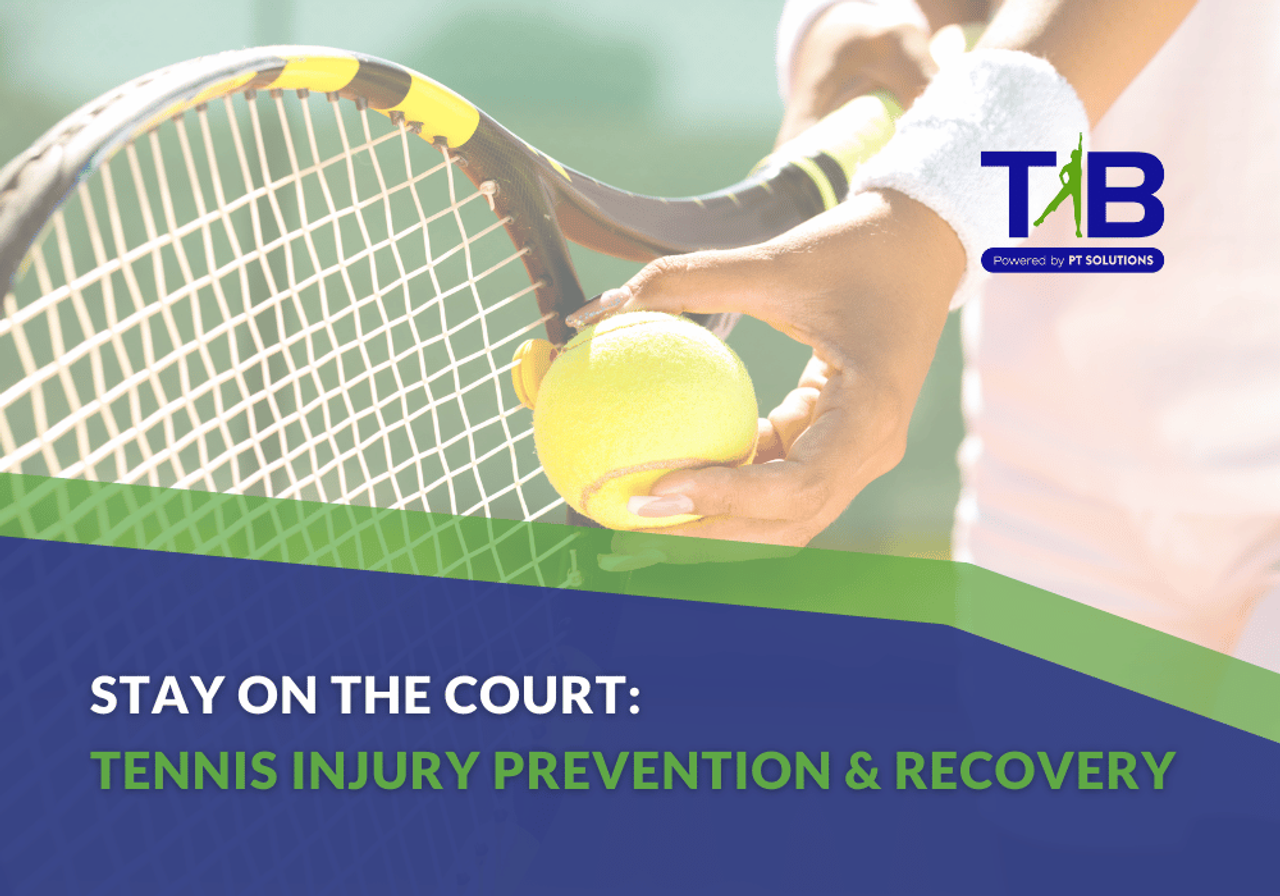
Narrative Opening: A Champion's Stumble
It was the final set of the championship match. The crowd held its breath as Emily Thompson, the rising star of the tennis world, approached the baseline. Her serves had been explosive, her returns, just as powerful. But as she went into her iconic overhead smash, a sharp, agonizing jolt slashed across her shoulder, freezing her mid-motion. The beloved sound of tennis balls kissing the baseline was drowned out by the murmurs of concern rippling through the stadium. Emily had suffered a rotator cuff injurya setback that would take her on a new, unexpected journey not just through courts, but also through months of careful recovery.
Understanding the Rotator Cuff and Its Importance
The rotator cuff comprises a group of muscles and tendons that anchor the shoulder joint. Among athletes, especially tennis players, the rotator cuff is crucial for generating the power and precision needed for serves, volleys, and overhead smashes. Injuries to this area can range from inflammation to tears, often caused by overuse and repetitive motion inherent in the sport.
Common Causes and Symptoms
Causes:
- Overuse from repetitive shoulder rotations
- Sudden impact or trauma
- Improper warm-up techniques
Symptoms:
- Sharp or dull shoulder pain
- Weakness in arm elevation
- Cracking sensation upon movement
The Pathway to Recovery: Structured Analysis
Emily's path to recovery was multifaceted, combining rest, rehabilitation exercises, and gradual reintegration into regular training. Here's a structured analysis of how professionals approach rotator cuff injuries in tennis players:
1. Initial Assessment and Rest
A thorough initial assessment is crucial. Physicians typically use imaging tests such as MRI or ultrasound to determine the extent of the injury. For Emily, the diagnosis was a partial tear that required an immediate rest period to minimize further damage.
2. Rehabilitation and Physiotherapy
Recovery from a rotator cuff injury often involves a graduated physiotherapy program aimed at restoring shoulder flexibility and strength. Emily embarked on an extensive rehabilitation plan tailored to her specific needs, which included:
| Rehabilitation Phase | Duration | Focus |
|---|---|---|
| Phase 1: Acute | 0-2 weeks | Reduce inflammation, regain passive range of motion |
| Phase 2: Recovery | 3-6 weeks | Strengthen rotator cuff tendons and surrounding muscles |
| Phase 3: Advanced Strengthening | 6+ weeks | Return to sports-specific movements |
3. Adapted Training Regimen
As Emily moved beyond basic rehabilitation, her training was adapted to reintroduce tennis-specific skills without aggravating the injury. This involved:
- Low-impact activities like cycling or swimming to maintain cardiovascular fitness
- Shoulder-strengthening drills with elastic bands and light weights
- Gradual reintegration of tennis techniques under professional supervision
4. Psychological Support and Motivation
Recovering athletes often face mental hurdles alongside physical ones. For Emily, connecting with sports psychologists helped her manage performance anxiety and maintain her competitive spirit. Her story emphasizes the importance of a positive mindset and mental resilience as integral parts of the healing process.
Key Takeaways for Tennis Players
Emily's journey to recovery shines a light on several critical aspects of overcoming rotator cuff injuries:
- Prevention: Proper warm-up exercises and strength training can significantly reduce injury risk.
- Early Intervention: Immediate attention to pain or discomfort is crucial in preventing more severe injury.
- Comprehensive Recovery Plan: Working with a multidisciplinary team (physicians, physiotherapists, trainers) is essential.
Emily’s triumph over her rotator cuff injury stands testament to the power of strategic recovery. Each tearing pain she once felt has become a testament to her resilience and dedication.
Conclusion: A Champion's Return
Finally stepping back onto the court, the sound of the ball hitting the strings resonated with Emily differentlymore cherished after her time away. Her story is a beacon for countless athletes facing similar setbacks, proving that with the right guidance and determination, recovery is not the end but a new beginning. For more insights on the journey of professional athletes back to peak performance, follow InstaSportyour go-to source for sports triumph stories.
Disclaimer: This article is for educational reading about sports injury recovery and does not provide medical, diagnostic, or treatment advice.


































































Share:
Rebounding from an Achilles Tendon Rupture: A Track Athlete's Journey to Full Recovery
Reconstructing the Journey: How Soccer Players Conquer Achilles Tendon Recovery