
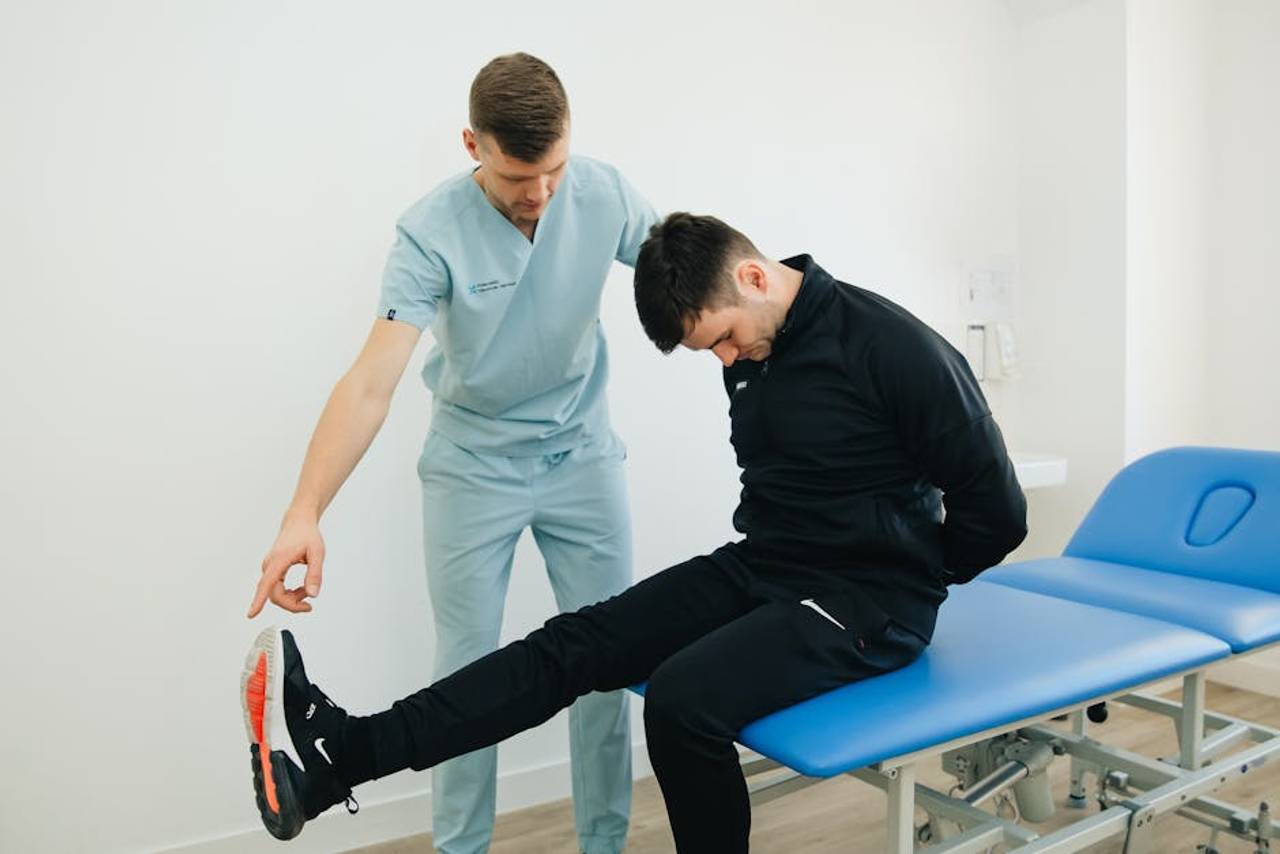
For athletes like Jenna, an injury to the anterior cruciate ligament (ACL) can be life-altering. The abrupt stop during a routine soccer drill was followed by a sharp pop that she felt deep within her kneea sound and sensation that many athletes know too well. The diagnosis from the sports physician confirmed her fear: a torn ACL. Jenna's journey through recovery highlights not only the physical challenges but also the mental resilience required to overcome such an incapacitating injury.
Initially, Jenna's life became a disciplined routine of rehabilitation exercises. The early recovery phase felt interminable, with small victories such as bending her knee or walking without aid offering glimpses of hope. Her physiotherapist introduced gradual exercises designed to restore the knee’s range of motion, alongside strengthening and balance activities. Each step, from cycling on a stationary bike to performing squats, was meticulously recorded and analyzed, ensuring Jenna did not rush her recovery.
Progress during ACL rehabilitation isn't always linear; setbacks are common. Weeks of diligent work can seem eclipsed by days of unexpected swelling or stiffness, which Jenna learned to manage through a combination of rest, ice, and modified activity levels. Her perseverance was supported by a dedicated medical team that kept her focused on the long-term goal of returning to the field stronger and more aware of her body's capabilities and limitations.
Examining Jenna's journey provides insight into the structured protocols guiding ACL recovery. The first phase involves reducing inflammation and regaining normal knee movement. This is followed by gradual strengthening exercises, with an emphasis on improving flexibility and neuromuscular control. It’s essential that athletes adhere to these stages, as premature advancement can lead to complications or even reinjury.
The timeline for recovery can vary, generally spanning six to nine months or longer, depending on the individual’s commitment to the rehabilitation program and their body's response to surgical intervention. Clinical studies underscore the importance of regular assessments, which help customize the recovery plan. This tailored approach addresses the unique anatomical and physiological conditions of each athlete.
An effective recovery plan necessitates understanding the risk factors associated with reinjury. Comprehensive metricssuch as limb symmetry index and hop testsare indispensable when assessing readiness to return to sports. Presented below is a table outlining key milestones and their typical timelines, aiding both athletes and clinicians in benchmarking progress:
| Milestone | Typical Timeframe (Weeks) | Key Focus |
|---|---|---|
| Initial Recovery | 04 | Reduce swelling, regain knee extension |
| Strength Building | 512 | Muscle strengthening, balance exercises |
| Advanced Functional Training | 1324 | Agility, neuromuscular control |
| Return-to-Play Preparations | 2536 | Sport-specific drills |
Returning to play safely is incubated in a thorough program that often includes a psychological component, addressing the athlete's confidence, fear of reinjury, and mental preparation. Mental fortitude becomes equally as important as physical rehabilitation in this phase. Jenna's ongoing sessions with a sports psychologist equipped her with coping strategies that proved invaluable in both her rehabilitation and her eventual return to soccer.
In the realm of sports recovery, tools like InstaSport are gaining popularity. These digital platforms offer athletes and clinicians detailed insights into recovery progress, enabling them to fine-tune rehabilitation protocols effectively. Jenna found that using such technology not only motivated her but also provided tangible data that reassured her of the progress she was making, even on challenging days.
Disclaimer: The content here discusses sports injury recovery in a general context and should not be treated as medical, diagnostic, or technical guidance.















































































Share:
Demystifying Sports Injury Recovery: Unveiling the Successful Pathways and Pitfalls
Optimal Strategies for ACL Injury Recovery: Insights and Timelines