
Introduction
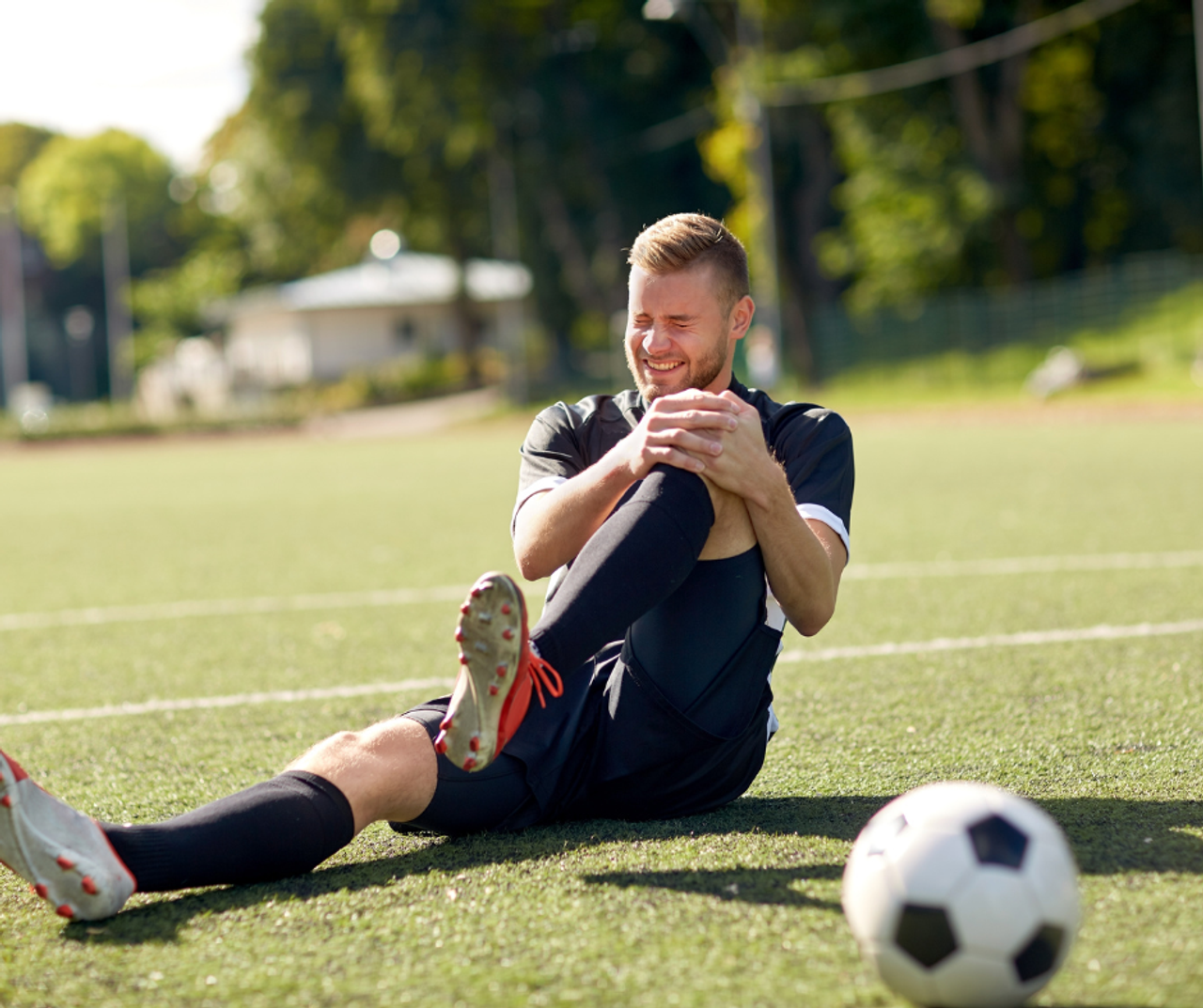
Anterior Cruciate Ligament (ACL) tears are one of the most debilitating injuries for soccer players, significantly affecting both performance and long-term athletic career. While many athletes focus solely on the surgical repair and physical therapy, they often overlook key aspects of biomechanics and performance optimization that are crucial for a successful recovery.
The Recovery Challenge
The primary challenge with ACL recovery lies in the balance between regaining physical strength and ensuring biomechanical integrity. When rushing the process, there is a high likelihood of improper joint alignment, decreased efficacy of movements, and even reinjury. A poor recovery can lead to chronic pain, decreased mobility, and irreversible performance decline, significantly shortening the athlete’s playing career.
Soccer players, in particular, face unique demands due to the dynamic nature of the sport involving rapid directional changes, sprints, and substantial lower limb torque. This necessitates a meticulous recovery plan focusing on both the mechanical and performance aspects of rehabilitation.
Consequences of Inadequate Recovery
The consequences of inefficient recovery from an ACL injury can be severe:
- Recurrent Injury: The possibility of tearing the ACL or damaging adjacent structures due to improper healing and inadequate strengthening.
- Compensation Injuries: Altered movement patterns can lead to compensation injuries in the hips, lower back, and the contralateral limb.
- Performance Decline: A decrease in agility, an essential component in soccer, can hinder a player's effectiveness on the field.
- Psychological Impact: Fear of reinjury can lead to hesitancy in play, reducing confidence and competitive edge.
Fortunately, by understanding the recovery phases and focusing on biomechanics and performance strategies, these risks can be minimized.
Phases of ACL Recovery
A successful recovery from ACL injury consists of several phases, each focusing on different aspects of healing and performance restoration:
Phase 1: Immediate Post-Operative Period
This phase lasts approximately 0-2 weeks post-surgery and focuses on reducing inflammation, protecting surgical repairs, and initiating early passive movements. Control swelling through compression and use of ice, while relying on crutches to prevent weight-bearing that might strain the freshly repaired ligament.
| Goals | Techniques |
|---|---|
| Decrease swelling and pain | Elevation, cryotherapy, compression garments |
| Establish joint mobility | Passive range of motion exercises, CPM machines |
Phase 2: Early Rehabilitation
Between weeks 3 and 6, the focus shifts to regaining range of motion and introducing gentle controlled activities. Initiate low-impact cardio such as stationary cycling and engage in isometric exercises to restore strength without stressing the joint excessively.
Phase 3: Strength and Functional Training
This phase, spanning from weeks 7 to 12, involves rebuilding muscular strength and endurance with a focus on proprioception and neuromuscular control. Tailor exercises to reintegrate proprioceptive feedback critical for balance and coordination.
| Goals | Exercises |
|---|---|
| Increase muscle strength | Leg presses, hamstring curls, squats |
| Enhance proprioception | Balance drills, BOSU ball exercises |
Phase 4: Advanced Activity and Impact Training
As athletes progress from week 12 onward, the focus is on mimicking the sports-specific movements encountered on the soccer field. Plyometrics and agility drills form the core of this phase, promoting dynamic stability and power.
Phase 5: Return to Sport
The final phase occurs around 6 months post-injury, depending on the individual's progress. Full sports participation commences once the athlete demonstrates strength parity, symmetrical movement patterns, and psychological readiness. Integration of sport-specific drills and small-sided games helps refine skills and ensure comprehensive functional recovery.
Biomechanical Considerations in ACL Recovery
Understanding the kinetic chain in athletes forms the cornerstone of an effective recovery plan. Movement analysis and corrective exercises play a pivotal role in re-aligning muscular imbalances and preventing injury recurrence.
Emphasize core stability and hip abduction strength, as these are critical in managing dynamic valgus, a risk factor for ACL injuries. Additionally, individualized gait analysis provides insights into correcting technique, which facilitates a safer return to play.
Conclusion
Successfully rehabilitating an ACL tear in soccer players requires a multifaceted approach that prioritizes biomechanics alongside traditional physical rehabilitation. With careful planning and the right interventions, athletes can not only recover fully but return to the field with an enhanced performance capability.
For those committed to structured and modern recovery strategies, platforms like InstaSport offer abundant resources and guidance tailored to athletes' recovery journeys, from injury to optimal performance.
Disclaimer: This article is intended for general informational purposes only and reflects common patterns in sports injury recovery. It is not medical or technical advice.















Share:
Rebounding Stronger: Psychological and Emotional Recovery from ACL Injuries in Lacrosse
Triumph Over Twists: A Basketball Player's Journey Through Ankle Sprain Recovery