
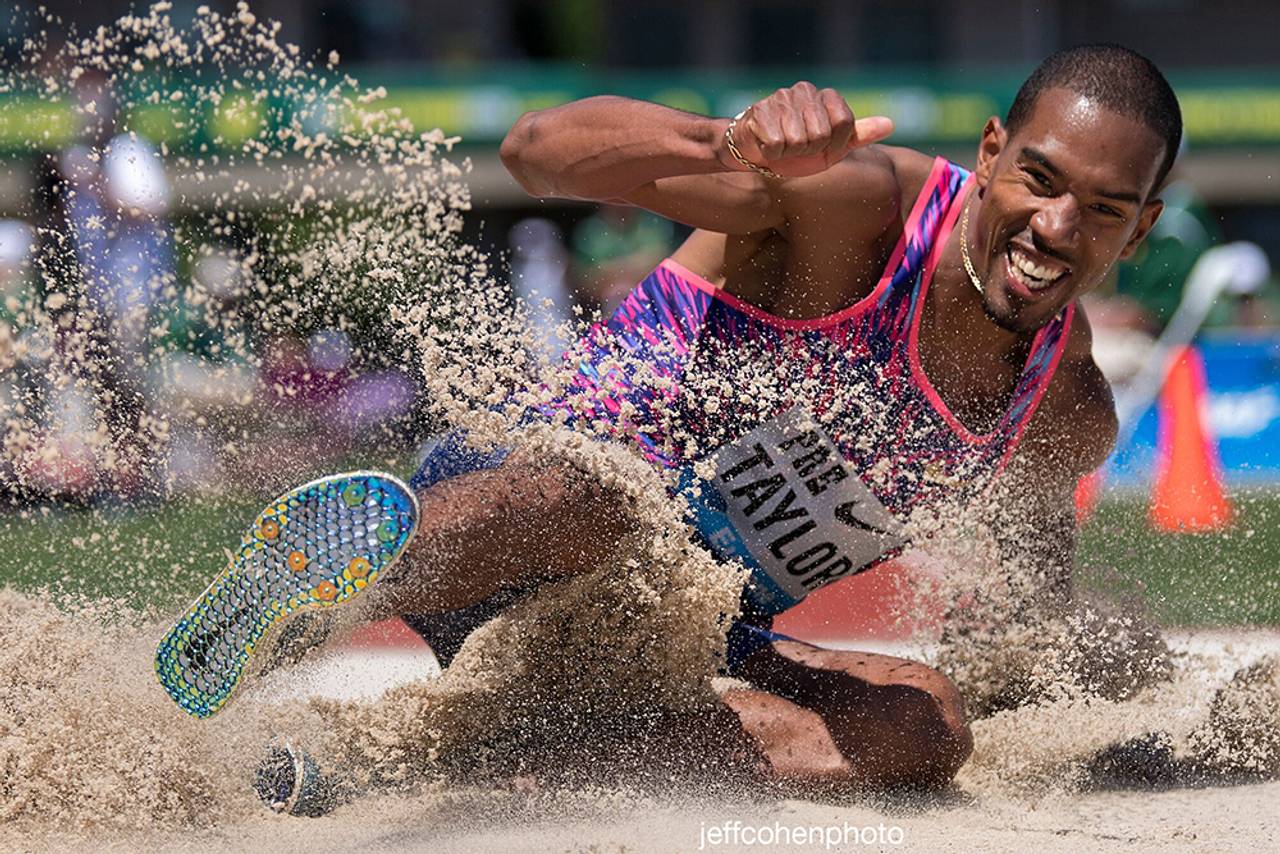
Overcoming Setbacks: A Journey Through Achilles Tendon Rupture Recovery in Track and Field Athletes
In the world of track and field, where milliseconds can dictate the podium, an Achilles tendon rupture is a daunting reality that has crushed the dreams of many promising athletes. The journey back to the track is often long and filled with frustration, but it is also an incredible testament to resilience.
The Harsh Reality of Rupture: Icons in Recovery
Take, for instance, the story of Marion, a sprinter with unparalleled speed whose career hit a standstill when she felt a sharp pain in her heellike a rock thrown at her Achilles mid-stride. Initially, Marion tried to convince herself it was just another sprain. Unfortunately, the reality was harsher: a complete rupture of her Achilles tendon.
Marion embarked upon her recovery journey, yet her path was fraught with setbacks. The first six weeks in a cast led to muscle atrophy, and the long-awaited switch to a boot revealed a lack of stability and balance, making her peak athleticism seem like a distant memory. Depression ran parallel to her physical recovery, exacerbated by a lack of communication with her medical team. She was disheartened as she consulted with fellow athletes who succeeded but rarely shared their struggles.
| Phase | Common Challenges | Emotional Impact |
|---|---|---|
| Initial Immobilization | Muscle wasting, loss of mobility | Frustration, anxiety |
| Transition to Boot | Instability, pain on weight-bearing | Hopelessness, anger |
| Rehabilitation | Slow progress, setbacks | Discouragement, fear of reinjury |
Lessons Learned from Failed Approaches
Too frequently, athletes are directed to follow a standard rehabilitation protocol that fails to consider the unique demands of elite competition. Marion was initially subjected to such a generic approach: gradual weight-bearing, TheraBand exercises, and aquatic therapy. While somewhat effective, these methods failed to meet the explosive power and precision required in track and field events.
Neglecting sport-specific training early on resulted in an uneven recovery trajectory. Psychological support was minimal, which is a critical and oftentimes overlooked element in the recovery of elite athletes. Absent was the necessary mental resilience training to help cope with periods of stagnation and regression.
What Really Works: A Tailored Recovery Approach
Marion's story took a turn for the better when she enlisted a sports physiotherapist with experience in track and field success stories. Customized programs that emphasized functional recovery became pivotal. Early incorporation of proprioception exercises, plyometrics, and sport-specific drills fostered a return to her natural rhythm.
| Component | Description |
|---|---|
| Proprioception Training | Improves balance and joint awareness |
| Plyometric Drills | Restores explosive power and agility |
| Psychological Resilience | Mental coaching to mitigate performance anxiety |
| Sport-Specific Training | Gradual reintroduction to competitive movement patterns |
Modern Interventions: Blending Science and Support
Adopting a multidisciplinary approach that combined advanced physiotherapy techniques such as neuromuscular electrical stimulation (NMES) with a tailored pilates program greatly enhanced Marion's recovery. Some athletes also benefited from biofeedback therapies, which helped them measure progress in real-time and adapt their training programs accordingly. Marion's rediscovery of her stride was not just a victory for her body, but a mental renaissance fueled by an integrated team approach.
Moreover, a crucial pivot was fostering a support network of family, fellow athletes, and a sports psychologist to tackle the emotional challenges of recovery. Such holistic approaches often missed in generic rehabilitation plans significantly impact long-term outcomes.
The Road Ahead: A New Perspective
Today, Marion is not just back on the track; she runs with renewed purpose, transcending beyond her physical limitations. Her experiences have transformed not just her performance but her mindset. She learned to value patience over haste, growth over comparison, and has become an advocate for smarter, athlete-specific recovery regimes.
Every Achilles rupture recovery is profound, influencing both physical and mental realms. Acknowledging the unique requirements of track and field athletes and the psychological impact of serious injuries is essential for developing a holistic recovery path.
For those embarking on this daunting yet rewarding journey or those seeking to optimize their performance post-injury, consider following Marion's lead. Connect with experts and tools like InstaSport that streamline and track recovery paths tailored to your unique needs and sport-specific goals.
In conclusion, tailored approaches backed by modern rehabilitation techniques and emotional supports are transforming Achilles rupture recoveries, ultimately allowing athletes to return stronger both physically and mentally.
Disclaimer: This article is intended for general informational purposes only and reflects common patterns in sports injury recovery. It is not medical or technical advice.



























































































Share:
Mastering Recovery: Achilles Tendon Rupture in Professional Soccer Players
Debunking the Myths: Comprehensive Recovery Strategies for ACL Injuries in Female Soccer Players