
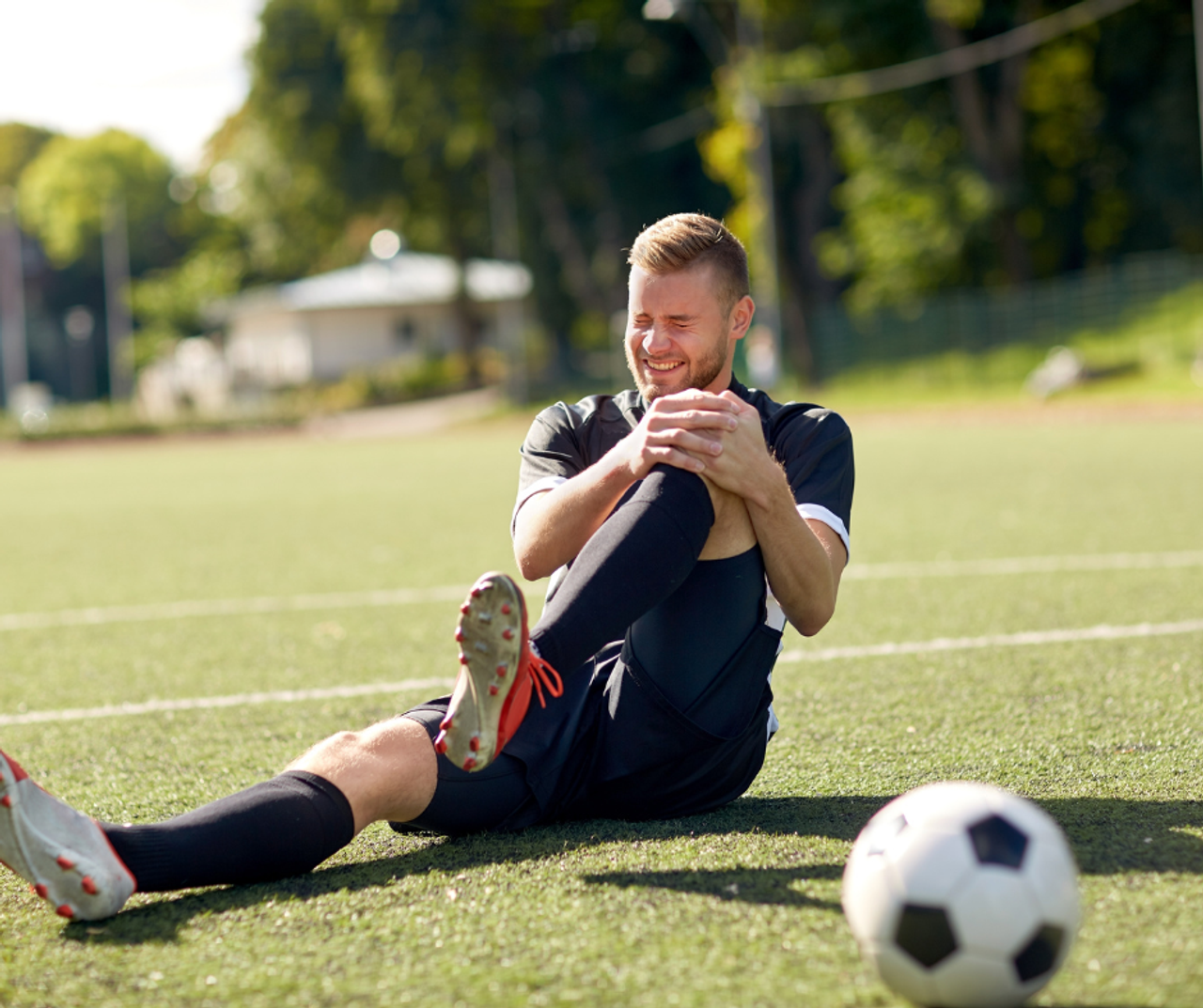
When it comes to sports injury recovery, the rupture of the Anterior Cruciate Ligament (ACL) stands tall among the most daunting challenges athletes face, particularly in female soccer players. Often caricatured as a career-damaging predicament, perhaps it's time we rethink the commonly held assumptions and take a more nuanced approach to this issue, illuminating the resilience and potential that lie within the recovery process.
Debunking the Myths: What We Often Assume
The first assumption is the rigid belief that an ACL injury spells doom for an athlete's career. While it's true that historically many have struggled to make a comeback, modern rehabilitation techniques have drastically transformed the landscape. Consider renowned athletes like Alex Morgan and Megan Rapinoe. Their storied recoveries aren’t just medical evidences but symbols of human endurance and commitment.
Another widespread misconception is the notion of a 'one-size-fits-all' recovery timeline. The truth is far from uniform. While standard recovery periods range from six to twelve months, this should only be a guideline rather than a rigid schedule. Every athlete's journey through recovery is unique, influenced by factors such as psychological resilience, determination, physical therapy engagement, and even genetic makeup.
The Unforeseen Journey: Rebuilding the Foundation
Once we challenge these assumptions, we can focus on the essence of recoveryan individualized journey of holistic healing with physical, mental, and tactical components.
| Recovery Component | Recommended Focus | Helpful Practices |
|---|---|---|
| Physical | Strength and Flexibility | Targeted Physiotherapy, Functional Training |
| Mental | Resilience and Positivity | Mindfulness, Professional Counseling |
| Tactical | Game Understanding | Video Analysis, Strategy Sessions |
Physical Recovery: Beyond Just the Ligament
Physical rehabilitation is not just about the ligament healing itself. It is about promoting balance between strength and flexibility. Use targeted physiotherapy sessions, where exercises focus on rebuilding muscle groups surrounding the knee, minimizing strain on the ligament.
Functional training should also be emphasized, incorporating exercises that replicate in-game movements. Practicing these movements helps athletes to restore their kinetic memory, enhancing both confidence and performance.
Mental Mastery: Fortifying the Mind
The toll of an ACL injury is often more psychological than we realize. Athletes grieve lost time and worry about future performance. This stage demands resilience and optimism. Mindfulness practices and mental health counseling can facilitate a positive mindset.
By engaging with these methods, athletes are not only fostering mental fortitude but also developing a psychological edge. Cognitive reframing helps athletes view the recovery process not as a setback, but as an opportunity to cultivate patience and determination.
Tactical Sharpness: Staying Ahead of the Game
Though physical participation in sports is limited during various stages of recovery, strategic understanding can be continually enhanced. Video analysis and simulation exercises bridge the gap between the physical and mental. These prepare athletes, keeping them tactically sharp and connected to the team's broader dynamics.
Consistent strategy sessions enable athletes to maintain their cognitive engagement with the sport, ensuring they return with not just a healed knee but with refined tactical insights.
The Diverse Path to Resurgence
The culmination of recovery is not a return to the status quo, but an emergence into a renewed state of vigor and perspective. For many, the post-injury phase is when athletes witness their inner metamorphosisa time when they embrace newfound capabilities, emotional resilience, and tactical eloquence.
The stories of successful comebacks breathe life into the philosophy that recovery is not a mere return-to-play timeline but a journey of comprehensive self-reclamation. Athletes, coaches, and medical professionals must collaboratively dissolve the conventional mold of ACL recovery, shaping a more adaptive and personalized path for every individual athlete.
As we've traversed the intricate landscape of ACL injury recovery for female soccer players, let this be a celebration of spirit, resilience, and growth. The road to recovery is long and often littered with challenges, but it also holds unmatched potential for personal and athletic transformation.
For those seeking inspiration, resources, and community support in their recovery journey, consider exploring platforms like InstaSport, where stories of resilience and transformation are shared and celebrated globally.
Disclaimer: The content shared here discusses sports injury recovery in a general context and should not replace professional medical guidance.







































































Share:
The Systematic Path to Achilles Tendon Recovery in Soccer Players: A Comprehensive Guide
The Marathon to Recovery: Overcoming Achilles Tendon Ruptures in Long-Distance Runners