
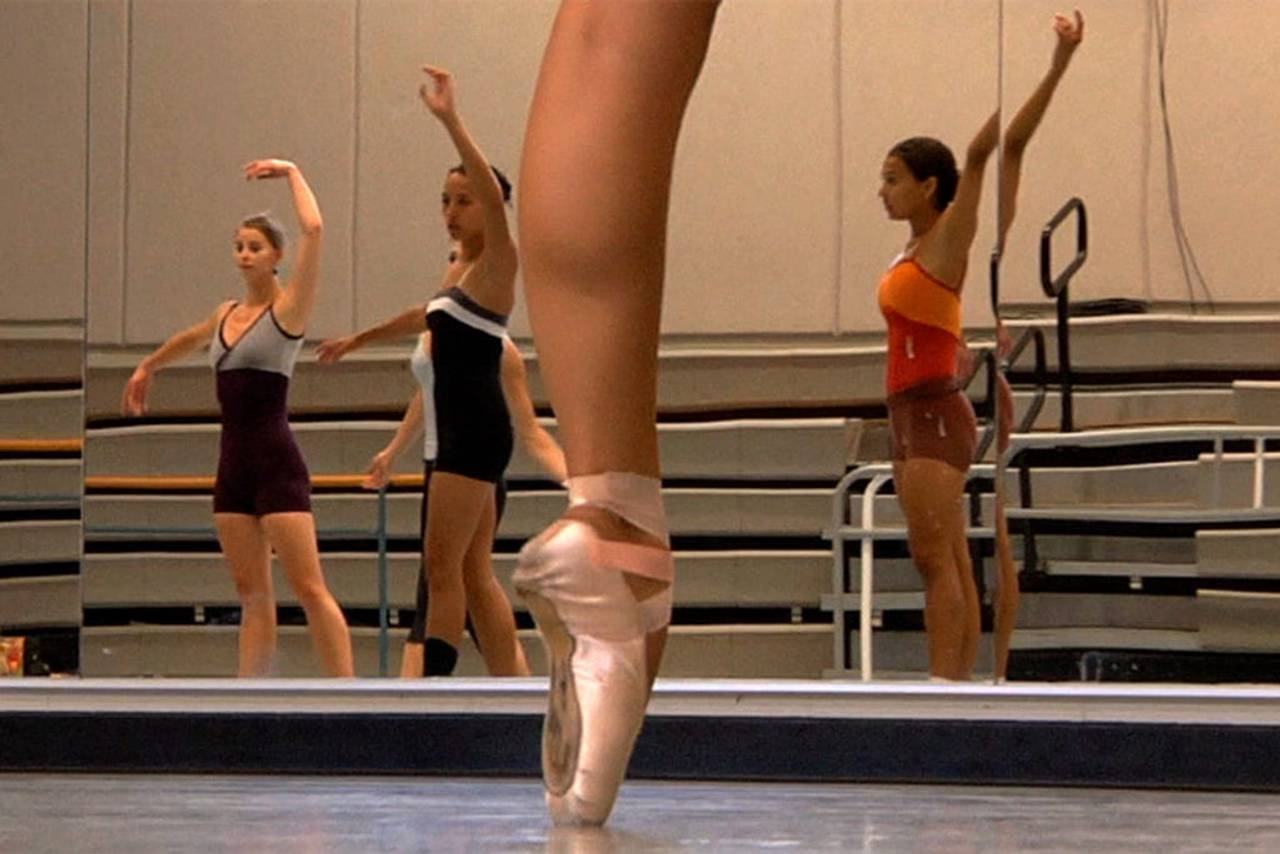
At the peak of her career, Clara Lopez experienced a profound disruption to her life as a prima ballerina. During an intense rehearsal, she felt a sudden snap followed by a wave of pain that cascaded down her leg. She would later discover that this was an Achilles tendon rupture, a notorious injury feared by many in the dance world.
A dancer’s body is their primary instrument, and injuries like these can often signal the end of their career. For Clara, the rupture was a crossroads, her graceful future now uncertain and her ability to return to the stage hanging in the balance. The Achilles tendon, critical for pointing the foot and performing leaps, is a cornerstone of the dancer's physical toolbox.
The consequences of such an injury can be dire, emotionally and physically. Clara’s immediate future involved immobilization, surgery, and a long, arduous rehab process. Compounding the physical challenges were the intense psychological hurdles: fear, doubt, and the ever-present questioncould she ever dance again at the same level?
Stages of Recovery
Understanding the path to recovery is crucial for any athlete, but for dancers, whose careers are heavily dependent on maintaining peak physical condition, it is even more nuanced. Here is a breakdown of the recovery process for dancers post-Achilles tendon rupture:
Phase 1: Protection and Initial Healing (Weeks 1-6)
The initial phase focuses on allowing the tendon to heal. After surgical repair, this involves wearing a boot or cast to immobilize the foot. Clara found herself on crutches, her world suddenly stoic and confining. The emotional toll is significant, marked by dependency and the looming uncertainty of recovery.
| Week | Activity | Goals |
|---|---|---|
| 1-2 | Rest, immobilization | Reduce swelling, protect repair |
| 3-4 | Begin gentle range of motion | Maintain flexibility |
| 5-6 | Progress to partial weight-bearing | Gradual load introduction |
Phase 2: Rehabilitation (Weeks 7-16)
This period is critical for reestablishing muscle strength and flexibility. Clara began physical therapy, rediscovering muscle control and learning to trust her leg again. She focused on exercises designed to gently stretch the tendon and build foundational strength.
| Week | Activity | Goals |
|---|---|---|
| 7-8 | Low-intensity exercises, hydrotherapy | Enhance movement, reduce rigidity |
| 9-12 | Strength and proprioception | Develop balance and coordination |
| 13-16 | Controlled resistance training | Strengthen calf muscles |
Phase 3: Functional Training (Weeks 17-28)
As Clara approached this phase, she was eager but cautious. This stage involves mirroring dance movements, slowly reintroducing activity-specific exercises. Her physical therapist created a plan that simulated dance routines to restore her confidence and performance level.
| Week | Activity | Goals |
|---|---|---|
| 17-20 | Low-impact dance exercises | Fine-tune movements |
| 21-24 | Return to dance training | Improve endurance and stamina |
| 25-28 | Performance simulation | Rebuild full function |
Phase 4: Return to Performance (Beyond 28 Weeks)
Ultimately, Clara made her way back to the stage, her heart pounding as she took her position. This phase is marked by a gradual reentry into full performance settings. The ability to perform without reservation is the final hurdle.
Each dancer's journey is unique, with some needing more time and different strategies. The timeline can vary, but the focus remains steadfastachieving a sustainable return to professional dancing.
Clara’s story exemplifies resilience. For those facing similar paths, organizations like InstaSport offer valuable platforms to connect athletes with crucial recovery resources and communities. Whether through custom rehabilitation programs or mental support, they provide a second wind for many athletes longing to return to their passion.
Disclaimer: This article is for educational reading about sports injury recovery and does not provide medical, diagnostic, or treatment advice.
























































Share:
Unbroken Spirits: The Emotional Journey of Recovering from ACL Injuries in Female Soccer Players
Unraveling the Emotional Journey: Beyond Physical Recovery in Sports Injuries