
Introduction
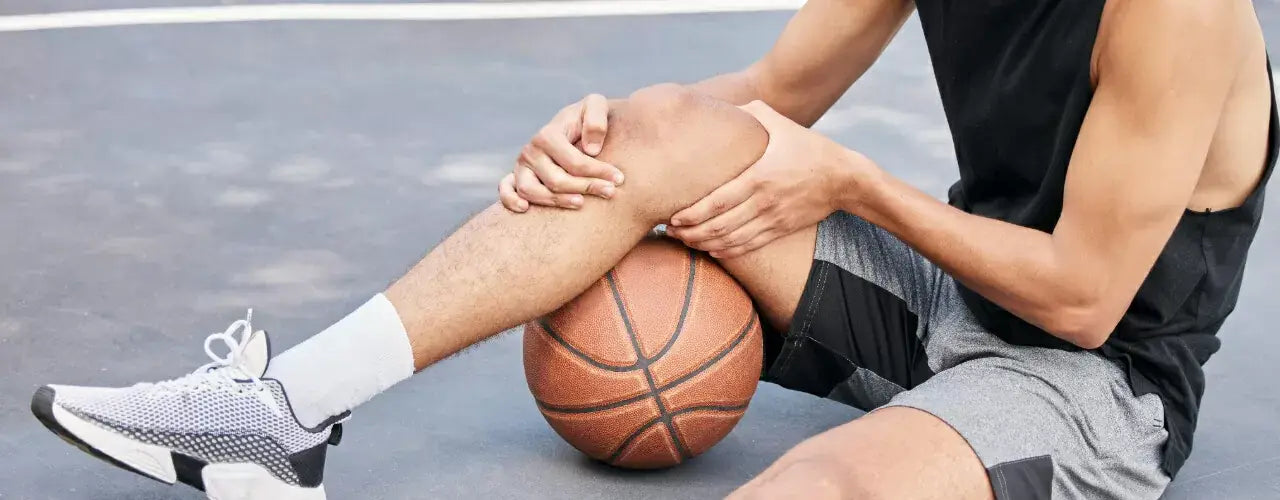
In the world of sports, injuries are an unfortunate reality. They not only challenge the physical body but also test the mental and emotional resilience of athletes. One of the most crucial aspects of sports injury management and rehabilitation is understanding the interplay between traditional recovery methods and modern biomechanics. In this article, we will delve into the misconceptions surrounding sports injury recovery and propose a comprehensive framework that optimizes healing through biomechanical insight and performance-oriented strategies.
Common Misconceptions About Injury Recovery
Many athletes and trainers hold onto enduring myths regarding sports injury recovery. Two dominant assumptions are: rest is the best cure, and healing time alone dictates recovery. Let's break these down.
1. Rest is the Ultimate Solution
While rest is essential post-injury to prevent further harm, it's not the panacea for healing. Prolonged inactivity can lead to muscle atrophy, reduced range of motion, and compromised joint health. The misconception that 'rest equals recovery' neglects the need for strategic rehabilitation protocols focusing on movement.
2. Healing Time Determines Recovery
The belief that time heals all does not consider variability between individuals or the biomechanics involved in recovery. Two athletes with similar injuries may experience different recovery trajectories due to factors such as tissue response, rehabilitation quality, and psychological readiness.
Biomechanics and Injury Recovery
Biomechanics examines how the body's musculoskeletal system moves, providing insight into optimal recovery processes. By understanding the loads, forces, and stability required during motion, recovery can be tailored to promote efficient movement patterns and prevent re-injury.
Dynamic Load Management
Dynamic load management involves understanding how forces distributed across joints and muscles affect healing. Balancing these loads during recovery through controlled exercises can improve tissue repair and function.
| Exercise | Key Biomechanical Focus |
|---|---|
| Progressive Resistance Training | Muscle Strength and Tendon Adaptation |
| Controlled Plyometrics | Joint Stability and Dynamic Balance |
| Proprioceptive Drills | Neuromuscular Coordination |
Re-establishing Movement Patterns
After injury, aberrant movement patterns can develop as compensations. Using motion analysis, therapists and coaches can identify and correct these patterns to restore optimal biomechanics. This enables athletes to return to their sport with improved efficiency.
Integrating Physiotherapy
Physiotherapy plays a pivotal role in sports injury recovery. It employs evidence-based techniques that align with biomechanical principles to foster robust recovery.
Manual Therapy and Mobilization
Hands-on techniques can aid in reducing scar tissue, improving circulation, and restoring normal range of motion. These are crucial for recalibrating joint and muscle functionality post-injury.
Modalities and Technology
Technology like ultrasound, electric stimulation, and biofeedback aligns with biomechanical recovery goals by enhancing tissue repair, reducing inflammation, and refining muscle activation patterns.
Performance-Oriented Rehabilitation
Performance-oriented rehabilitation integrates sport-specific drills to mirror the demands an athlete faces during their activity. By using skills and movements closely related to the sport, recovery becomes more relevant and effective, establishing the foundational requirements for competitive return.
Incremental Progression
The principle of progressive overload is critical, where training gradually increases in intensity, complexity, and specificity. This ensures that all biomechanical systems adapt at an appropriate rate, mitigating the risk of re-injury.
Return-to-Play Protocol
A structured return-to-play protocol guarantees that athletes are physically and mentally prepared. This multi-phase approach includes assessments of strength, agility, endurance, and psychological readiness, ensuring a holistic return to competition.
Psychological Aspects of Recovery
Ignoring mental and emotional health can hinder the overall recovery journey. Anxiety and fear of reinjury often accompany physical healing. Thus, integrating psychological strategies with biomechanics and physiotherapy offers comprehensive support.
Conclusion
Reassessing sports injury recovery requires a paradigm shift that embraces both the science of biomechanics and the art of physiotherapy. By debunking traditional recovery misconceptions and focusing on individualized, performance-centered strategies, athletes can optimize their return to sport. Ultimately, blending these elements helps build not just a recovered athlete, but a more robust performer. For platforms like InstaSport, engaging content that highlights such progressive recovery methods can significantly impact athlete education and empowerment, promoting safer and more efficient return-to-sport experiences.
Disclaimer: This article is for educational reading about sports injury recovery and does not provide medical, diagnostic, or treatment advice.























































Share:
Beyond the Physical: Unraveling the Emotional Challenges of Recovering from Running Injuries
The Road to Resilience: Redefining ACL Recovery through Performance and Biomechanics