
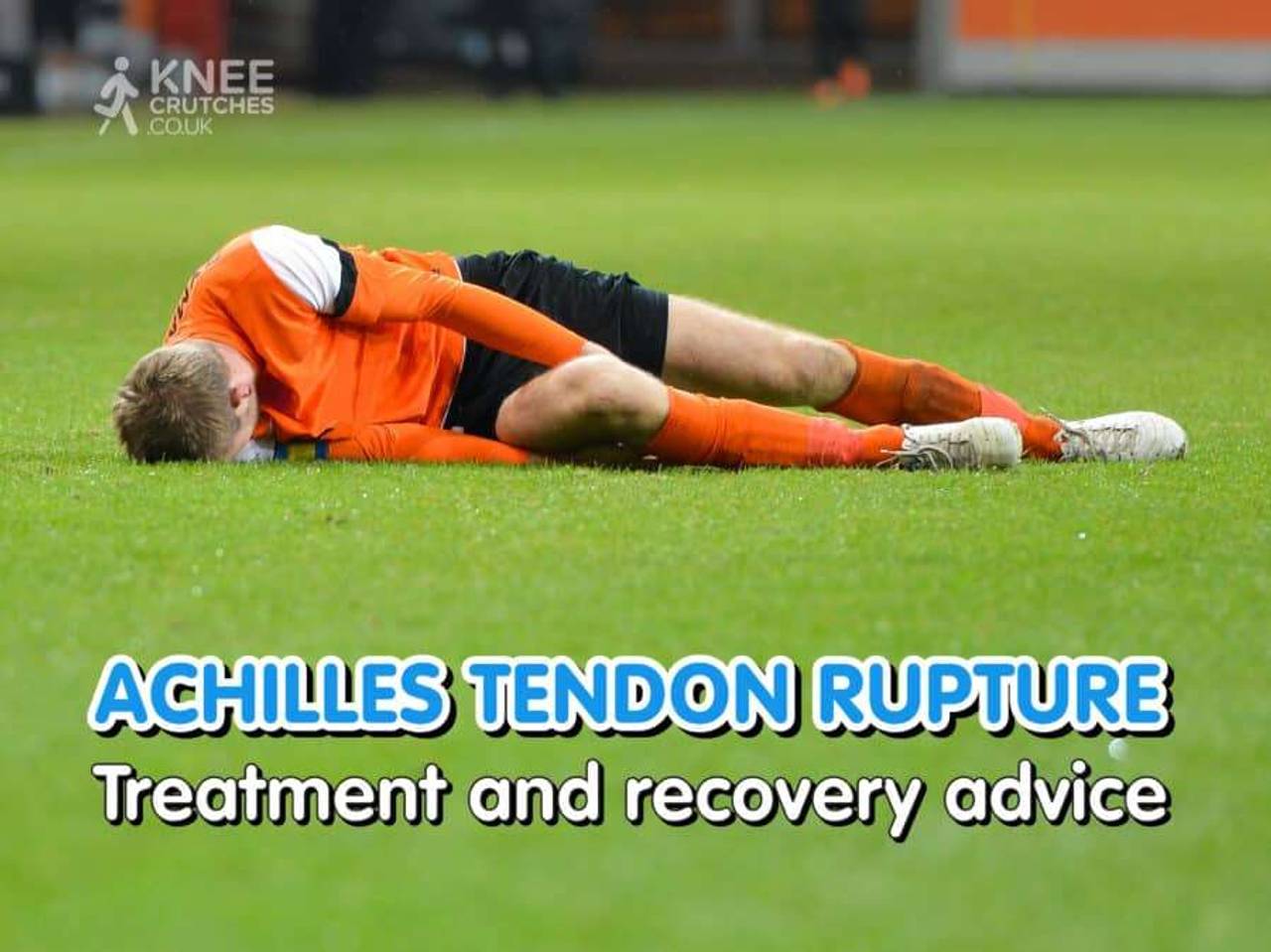
The stadium was alive with the roars of thousands as Miguel Torres, captain of the Valencia Aces, sprinted down the pitch during the final moments of the Copa del Rey. Hearts pounded both on and off the field, a crescendo reaching its peak. But in a fraction of a second, silence engulfed the stadium. Miguel collapsed, clutching his ankle in agony, the repeated training and daily grind culminating in a devastating Achilles tendon rupture.
For athletes, such injuries can be more than mere physical hurdles; they are emotional and mental battles that test the limits of human resilience. Trespassing this road requires a well carved path and the courage to traverse it, embodied by players like Miguel Torres.
Anatomy of the Achilles Tendon and Its Role in Soccer
The Achilles tendon, the thickest and strongest tendon in the human body, connects the calf muscles to the heel bone. In soccer, it is crucial for running, jumping, and changing direction rapidly. Damage to this tendon, especially a rupture, can severely impair a player's propulsion and balance.
| Aspect | Role in Soccer | Effect of Rupture |
|---|---|---|
| Calf Muscle Connection | Allows powerful kicks and jumps | Loss of control and power |
| Flexibility and Movement | Facilitates quick direction changes | Reduced agility |
| Stability | Maintains balance during gameplay | Increased risk of falling |
The Initial Shock and Path to Treatment
For Miguel, the journey began with a sense of disbelief. The audacious spirit driving him to challenge physical limits now faced a test of patience. Immediate medical attention revealed a full-thickness rupture that required surgery. In modern sports medicine, surgical repair often promises quicker, more reliable outcomes compared to conservative treatment. For a professional athlete, the choice between surgical and conservative treatment depends on many factors, including the player's age, activity level, and professional goals.
Phases of Recovery and Returning to Form
Phase 1: Post-Surgery Rehabilitation
The early weeks were a dance between pain management and guarded optimism. Miguel's focus was on regaining range of motion and gently reactivating the calf muscles. Physicians set a goal of reducing swelling and promoting healing by keeping the leg elevated. Passive ankle movements were introduced to prevent stiffness.
Phase 2: Strength and Coordination Rebuilding
Six to twelve weeks post-surgery, Miguel began weight-bearing exercises. Under the careful guidance of physiotherapists, these exercises grew progressively in intensity. Strengthening routines targeting the quadriceps and hamstrings played a pivotal role in the support and coordination required for future running.
Phase 3: Sport-Specific Training
Returning to the field doesn’t end with tackling physical barrierspsychological readiness is equally crucial. From the four-month mark, Miguel's training sessions were adapted to include agility drills, controlled sprinting, and tactical gameplay. Psychological resilience was built through mental conditioning sessions to cope with performance anxiety and fear of re-injury.
Measuring Milestones and Progress
To ensure a successful return to his pre-injury form, Miguel's rehabilitation was peppered with measurable benchmarks:
- Ensuring a 90% strength ratio between the injured and uninjured calf muscle.
- Achieving balance in proprioceptive fields, critical for on-field action.
- Reaching 80% sprint speed of pre-injury records by the six-month mark.
Personal Reflections and Insights
Miguel's journey is a testament to the transformative power of sporting spirit to rise from the depths of despair to new heights. The injury forced a period of introspection, compelling him to understand the novel relation between body and mind, and the importance of mental fortification as much as physical rehabilitation.
By journaling his experiences, Miguel unearthed a deeper appreciation for the sport, seeing each dribble and sprint not just as part of the game, but as a dance of recovery and tribute to the human spirit.
The Road Ahead: Inspiring Others
The culmination of Miguel Torres’ journey is not merely a tale of an athlete's return but rather an emblematic story of persistence that reverberates through victims of sports injuries globally. With new technologies and understanding of sports medicine, athletes continue to push boundaries, proving that injuries are just another opponent to strategize against and overcome.
InstaSport stands with athletes like Miguel, providing a community of support and professional insights to aid recovery across sports injuries' rugged terrains, ensuring that moments of despair can transform into marvelous comebacks.
Disclaimer: This article is for educational reading about sports injury recovery and does not provide medical, diagnostic, or treatment advice.























Share:
Decoding Sports Injury Recoveries: Why Some Succeed While Others Falter
Beyond the Odds: Achilles Tendon Rupture Recovery in Soccer Players