
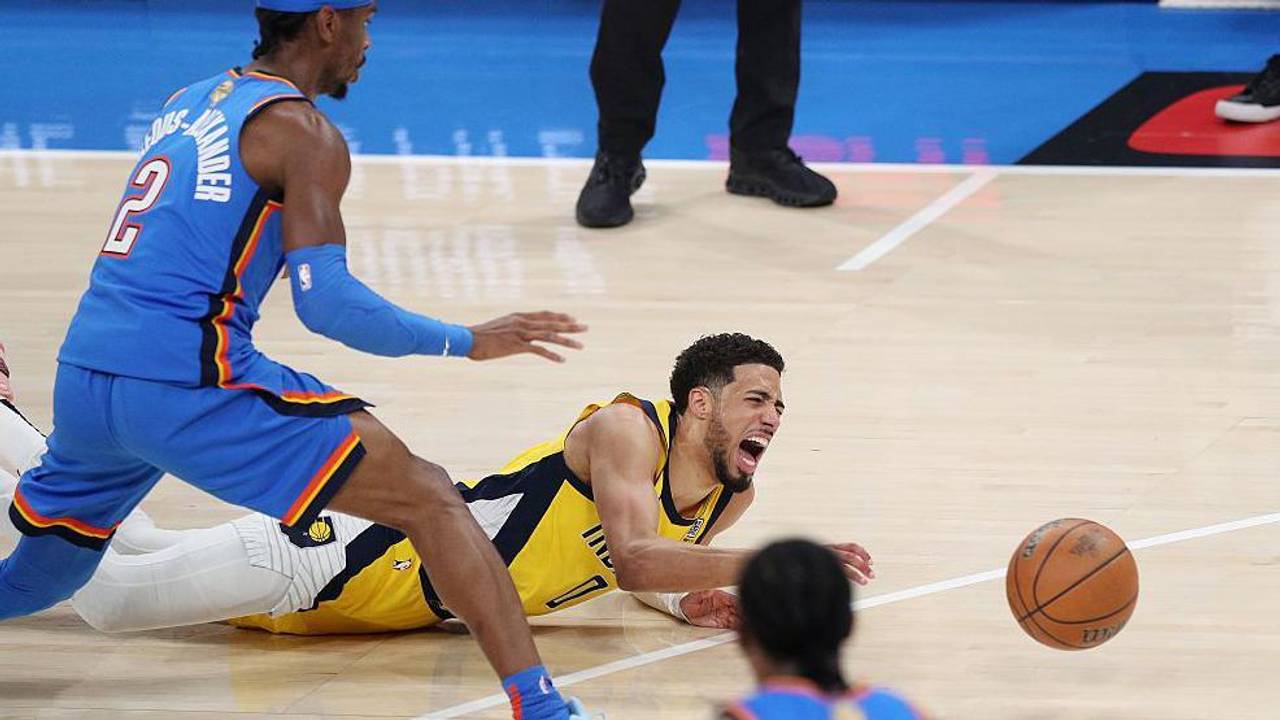
The Silent Threat: Rupture in Basketball
In the thrilling sphere of professional basketball, where athletes are celebrated for their agility, dexterity, and resilience, an Achilles tendon rupture looms as a devastating menace. The injury not only threatens the physical capabilities of a player but also insidiously affects their psychological and emotional well-being. Because basketball demands explosive power and rapid direction changes, the Achilles tendon bears a significant burden. When it fails, the repercussions can be debilitating, leaving athletes questioning their future both on and off the court.
The Psychological Fallout
The sudden and unexpected nature of an Achilles rupture does more than disrupt training regimes and sideline players for months. It initiates an avalanche of mental challenges, often marked by a destructive mix of disappointment, fear, and doubt. For professional basketball players, whose identity and self-worth are intimately tied to their performance and accolades, such an injury can incite a profound psychological crisis.
Many athletes express feelings of isolation and insignificance during their recovery. Their absence from the court can significantly dampen team dynamics and personal standings, accentuating feelings of anxiety and depression. Watching teammates continue to chase milestones while they are confined to rehabilitation often breeds comparison and self-criticism.
Consequences on Team Dynamics
The absence of a key player due to injury can alter team chemistry and momentum. Beyond the immediate impact on match performance, there's a less tangible erosion of unity and morale. This strain can extend recovery time, as the player deals not only with physical healing but also with the understanding that their absence affects the team's competitive edge.
Rehabilitation: A Journey Through Recovery Phases
Recovery from an Achilles rupture is not merely a sequence of medical or physical milestones. It is a profound mental journey that demands resilience and psychological support. Typically, the rehabilitation process can be divided into four crucial stages. Understanding each stage can empower athletes to recognize their progress and reaffirm their commitment to recovery.
1. Acute Phase: Acceptance and Preparation
Immediately following the injury, the focus is on minimizing pain and inflammation through rest and immobilization. Psychologically, this phase requires acceptance of the situation. Athletes must confront and acknowledge their injury, allowing space for initial emotional responses, whether they be grief, anger, or frustration.
Emotional Strategy: Players are encouraged to build a support network comprising family, friends, teammates, and mental health professionals. This network can offer reaffirmation of identity and purpose beyond the playing field.
2. Subacute Phase: Rehabilitation and Adjustment
This phase involves the gradual reintroduction of mobility and strength exercises. Mentally, athletes balance hope with realism. Long-term goals must be segmented into achievable short-term targets, fostering a sense of accomplishment with each minor victory.
Emotional Strategy: Visualization techniques can help. Imagining successful game scenarios and visualizing recovery milestones can empower athletes to maintain positivity and focus.
3. Recovery Phase: Integration and Resilience Building
During this period, athletes begin endurance training and sport-specific exercises. Psychological resilience is paramount, as this phase poses the temptation to return to the game prematurely. Patience must triumph over impulsive urges to avoid re-injury.
Emotional Strategy: Coaches and mental health professionals can facilitate cognitive behavioral therapy (CBT) sessions, addressing any lingering fears and reinforcing strategies for dealing with setbacks.
4. Return to Sport Phase: Confidence and Reinforcement
The final phase is characterized by full-scale practice sessions and eventual reintegration into competitive matches. While physical readiness is scrutinized, mental readiness often requires reinforcement of confidence and self-efficacy.
Emotional Strategy: Encouraging positive feedback loops through video analysis, peer interactions, and gradual exposure to competitive scenarios can revitalize an athlete's trust in their body and abilities.
Conclusion: The Undeniable Role of Support Systems
The odyssey from injury to recovery is intricate, underscoring the importance of collaborative support systems. As much as physical therapists and coaches are integral, mental health practitioners offer essential lifelines, helping athletes navigate the psychological facets of recovery.
In the wider context of professional sports, platforms such as InstaSport can serve as invaluable resources. They offer insights, connect athletes to mental health professionals, and foster communities that encourage holistic recovery, reinforcing the notion that healing is not linear but a resilient journey of growth.
Disclaimer: This article is for educational reading about sports injury recovery and does not provide medical, diagnostic, or treatment advice.








































































































Share:
The Journey of Healing: A Comprehensive Look at Sports Injury Recovery Systems
The Slow Ascent: Navigating Shoulder Impingement Recovery for Rock Climbers