
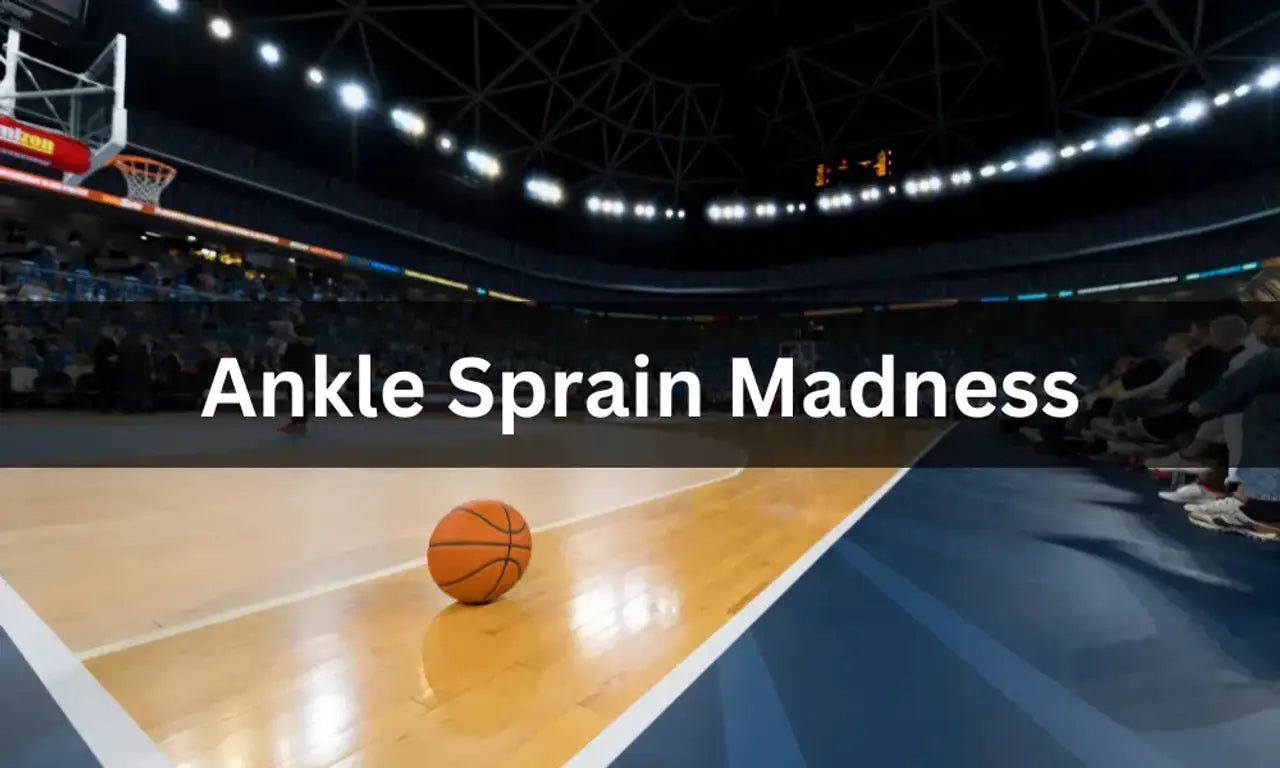
The Anatomy of Recovery: Why Some Athletes Bounce Back from Sports Injuries While Others Falter
In the high-stakes environment of competitive sports, injuries are an inevitable part of the game. For athletes, the real challenge isn't just avoiding injury but recovering in a way that allows for an even stronger return. Yet, despite the vast resources and expertise available, recovery outcomes can vary widely. Why do some athletes seemingly bounce back effortlessly, while others struggle to regain their pre-injury form?
The Recovery Problem: Inherent Complexity and Varied Outcomes
The human body is an intricate system with interconnected components working in unison. This complexity is fundamental to understanding successful recovery from sports injuries, whether they are sprains, fractures, or tears. The road to recovery is fraught with challenges, and failure to address each aspect of rehabilitation can lead to incomplete recovery, re-injury, or even chronic conditions.
Consider a young athlete sidelined by an ACL tear. While surgery might successfully repair the ligament, the individual still faces a grueling process of physical therapy, mental conditioning, and lifestyle adjustments. Failing to adhere to each aspect of recovery can result in prolonged inactivity or a diminished ability to compete at previous levels.
The Consequences of Incomplete Recovery
Partial or incomplete recovery doesn't just impact physical performanceit can have broader implications. For many athletes, physical performance is tied to their identity, affecting mental health and motivation. Decreased performance can also impact team dynamics and career longevity. Financial implications should not be overlooked either, as prolonged recovery times can mean lost opportunities and income.
Breaking Down the Phases of Recovery
Recovery isn't a linear process; it's a dynamic, multi-phase journey that requires tailored approaches for each individual. Let's delve into the core phases of successful sports injury recovery.
Phase 1: Acute Management and Understanding
This phase focuses on understanding the extent of the injury and beginning initial treatments to reduce inflammation and pain. Although first aid is beyond our scope here, the importance of adequate medical evaluation cannot be understated. Diagnostic imaging and assessments by a healthcare professional form the foundation for the subsequent individualized recovery plan.
| Methods | Goals |
|---|---|
| Medical Evaluation | Accurate diagnosis and identification of injury severity. |
| Initial Treatments | Pain and inflammation reduction. |
| Patient Education | Understanding injury and setting realistic expectations. |
Phase 2: Restoration of Motion and Functionality
Once the initial symptoms have been managed, the focus shifts to restoring range of motion, strength, and functionality. This phase is often where athletes and their medical team can take the first tangible steps towards recovery.
| Methods | Goals |
|---|---|
| Physical Therapy | Restoring joint mobility and muscle flexibility. |
| Strength Conditioning | Regaining and enhancing muscular strength. |
| Functional Training | Ensuring movements are suited to the athlete’s sport. |
Phase 3: Psychological Resilience
Athletes often confront psychological hurdles during recovery, such as fear of re-injury or loss of identity. Psychological resilience must be cultivated alongside physical rehabilitation to ensure comprehensive recovery.
| Methods | Goals |
|---|---|
| Sports Psychology | Addressing mental barriers and fears. |
| Mindfulness Techniques | Developing focus and reducing anxiety. |
| Motivation Training | Sustaining motivation throughout rehab. |
Phase 4: Reintegration and Performance Optimization
As athletes progress, the focus broadens to include skills and sport-specific drills, integrating them back into the competitive arena. This is critical for athletes to regain their previous performance levelsor even exceed them.
| Methods | Goals |
|---|---|
| Sport-Specific Drills | Re-acclimating to competitive environments. |
| Performance Optimization | Exceeding pre-injury performance metrics. |
| Team Dynamics | Reintegrating team involvement and cooperation. |
Systems-Level Recommendations for Successful Recovery
For those seeking a successful recovery trajectory, an interdisciplinary approach is essential. Collaboration among medical professionals, physical therapists, psychologists, coaches, and the athletes themselves ensures a comprehensive and individualized plan.
Adopting Technology in Recovery
The application of modern technology, such as wearable devices and AI-driven analytics, can provide real-time insights into recovery progress and physiological responses, allowing adaptations to be made swiftly.
The Role of Nutrition and Lifestyle
Nutritional support is a crucial yet sometimes underestimated component. A well-balanced diet tailored to recovery needs can significantly impact healing rates and energy levels. Furthermore, emphasizing adequate rest and stress management can mitigate the risks of re-injury.
In conclusion, understanding the full anatomy of recovery is essential for athletes aiming to turn setbacks into comebacks. By addressing physical, psychological, and lifestyle factors through a systematic and strategic approach, athletes can navigate their recovery journey more effectively.
For athletes and coaches seeking insightful updates and technology-driven solutions for sports injury recovery, turn to InstaSport. Keep fitness your priority.
Disclaimer: This article is for educational reading about sports injury recovery and does not provide medical, diagnostic, or treatment advice.























































Share:
Understanding the Complex Phases of Achilles Tendon Rupture Recovery in Basketball Players
Decoding Sports Injury Recovery: Beyond Traditional Methods to Enhanced Biomechanical Performance