
The Complex Path to Victory
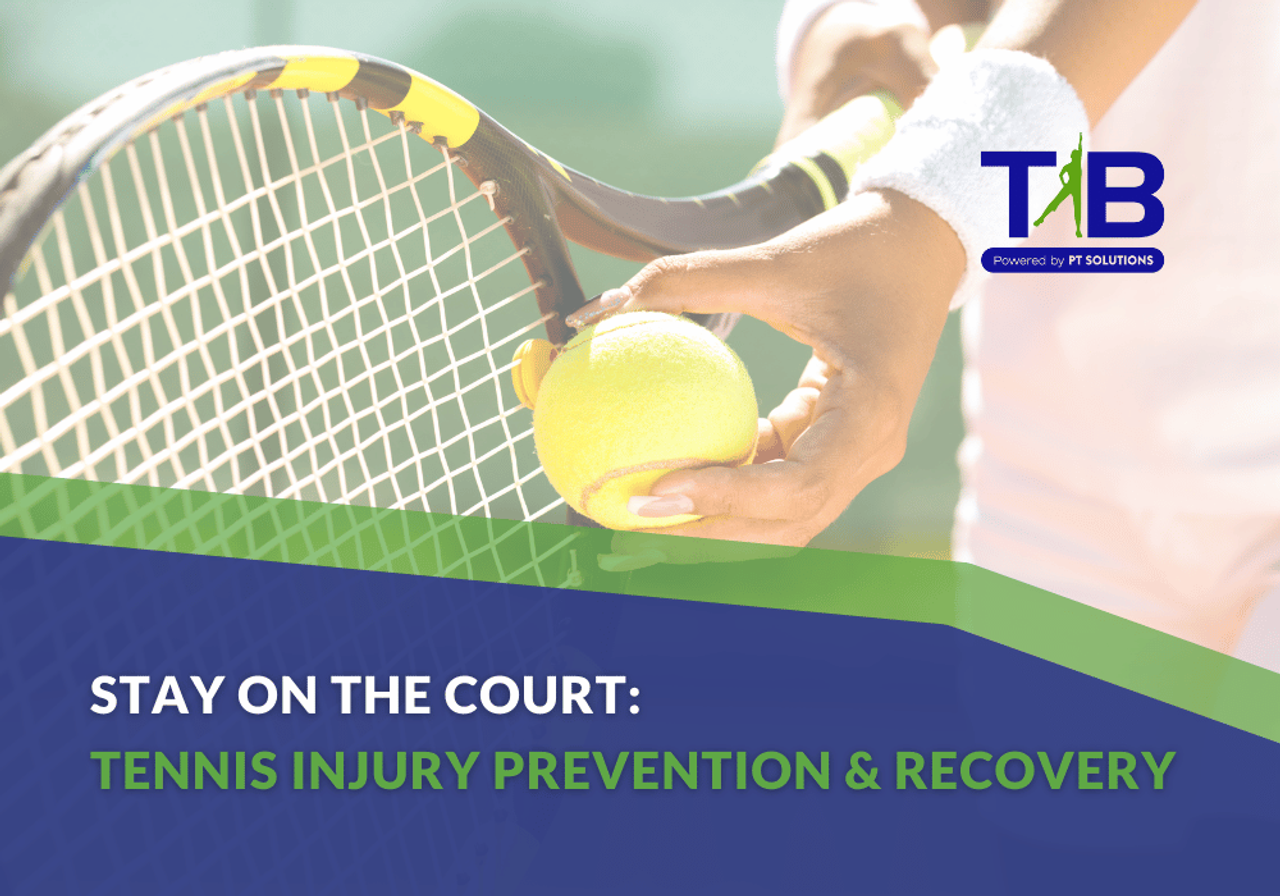
John was a seasoned tennis player who had dedicated years to perfecting his serve. But during an intense match, he felt a sharp pain in his shoulder. It was later diagnosed as a rotator cuff tear, an injury that sidelined him for months. While on this involuntary hiatus, John found himself navigating the convoluted landscape of sports injury recovery. His journey was marked not just by physical healing but also by the pivotal role of mental fortitude and systemic support structures. This narrative isn't unique to John; in fact, the success or failure of recovery often hinges on a range of interconnected systems.
The Multi-Faceted Nature of Recovery
Recovering from a sports injury like a rotator cuff tear involves more than just physical healing. It's a multifaceted process that requires alignment among various systems, including medical, psychological, and social components. The orchestration of these factors determines the speed and completeness of recovery.
| Factors | Impact on Recovery |
|---|---|
| Medical Intervention | Timeliness and quality of care allow for better rehabilitation outcomes. |
| Psychological Resilience | Mental strength plays a crucial role in adherence to recovery protocols. |
| Support Systems | Family and community support can motivate and provide necessary assistance. |
| Rehabilitation Protocols | Structured and personalized rehab plans ensure targeted recovery. |
| Technological Aides | Innovative tools can accelerate rehabilitation processes. |
Medical Intervention
In any sports injury recovery, effective medical intervention is foundational. Early and accurate diagnosis, followed by appropriate medical treatment, sets the groundwork for successful healing. The decision between surgical and non-surgical approaches is critical and often requires a thorough understanding of the injury's severity and the athlete's future goals.
Psychological Resilience
While the physical aspect of recovery often receives the most attention, the psychological component is equally vital. The mental strain of injury can be debilitating, affecting an athlete's motivation and compliance with rehabilitation protocols. Techniques in sports psychology, such as mental imagery and goal setting, bolster psychological resilience.
Support Systems
The role of support systems cannot be underestimated. Family and community play essential roles in creating an environment conducive to recovery. Supportive coaches, teammates, and even fans can provide emotional and logistical support, reducing the burden on the athlete.
Rehabilitation Protocols
Structured rehabilitation protocols are key to recovery. A successful plan is both personalized and flexible to adapt to the unique needs of the athlete. This involves a multidisciplinary team including physiotherapists, orthopedic specialists, and trainers who monitor progress and adjust exercises as needed.
Technological Aides
Recent advancements in technology have introduced tools that make recovery more accessible and effective. Wearable technology for tracking rehabilitation progress and app-based programs for customized workout plans are now increasingly common. These tools help monitor improvement and provide motivation by quantifying progress.
Why Some Recoveries Fail
Unfortunately, not all recoveries are successful. Failure often results from a breakdown in one or more systems involved in the recovery process.
Delayed Diagnosis
Late diagnosis can result in the unnecessary progression of an injury, requiring more invasive management and prolonging recovery. A lack of timely medical intervention often stems from systemic issues within healthcare access or miscommunication among healthcare providers.
Poor Compliance with Protocols
Non-compliance with recommended treatment regimens can severely impede recovery. This might be due to a lack of understanding, motivation, or external pressures leading to a premature return to sports.
Insufficient Support
A lack of adequate support can isolate the athlete, resulting in higher stress levels and poorer recovery outcomes. This isolation can stem from neglect by sports teams, employers, or even family members.
Technological Barriers
While technology aids recovery, not everyone has equal access. Disparities in access to advanced recovery tools can be a significant disadvantage, prolonging the healing period or compromising its quality.
The Road to Recovery: Charting the Right Course
For John, recovery wasn't just about managing his torn rotator cuff; it was about engaging a whole ecosystem of systems working syncretically. By leveraging medical expertise, psychological resilience, robust support systems, tailored rehabilitation protocols, and technological innovations, he charted a course to successful recovery.
As athletes navigate their own journeys back to full health, systems-level understanding of recovery can make the difference between prolonged setbacks and triumphant returns to their sport. An effective recovery strategy must encapsulate these multifaceted elements, emphasizing comprehensive care and systemic support.
Instinctively know that access to innovative and coordinated resources is just a few clicks away with InstaSport. Connecting athletes with recovery solutions across these dimensions frees them to focus on their greatest passion: the sport.
Disclaimer: This article is for educational reading about sports injury recovery and does not provide medical, diagnostic, or treatment advice.





















































Share:
Unwrapping Achilles Tendon Rupture Recovery Myths in Soccer
From Setbacks to Comebacks: Understanding the Systems Behind Successful Sports Injury Recoveries