
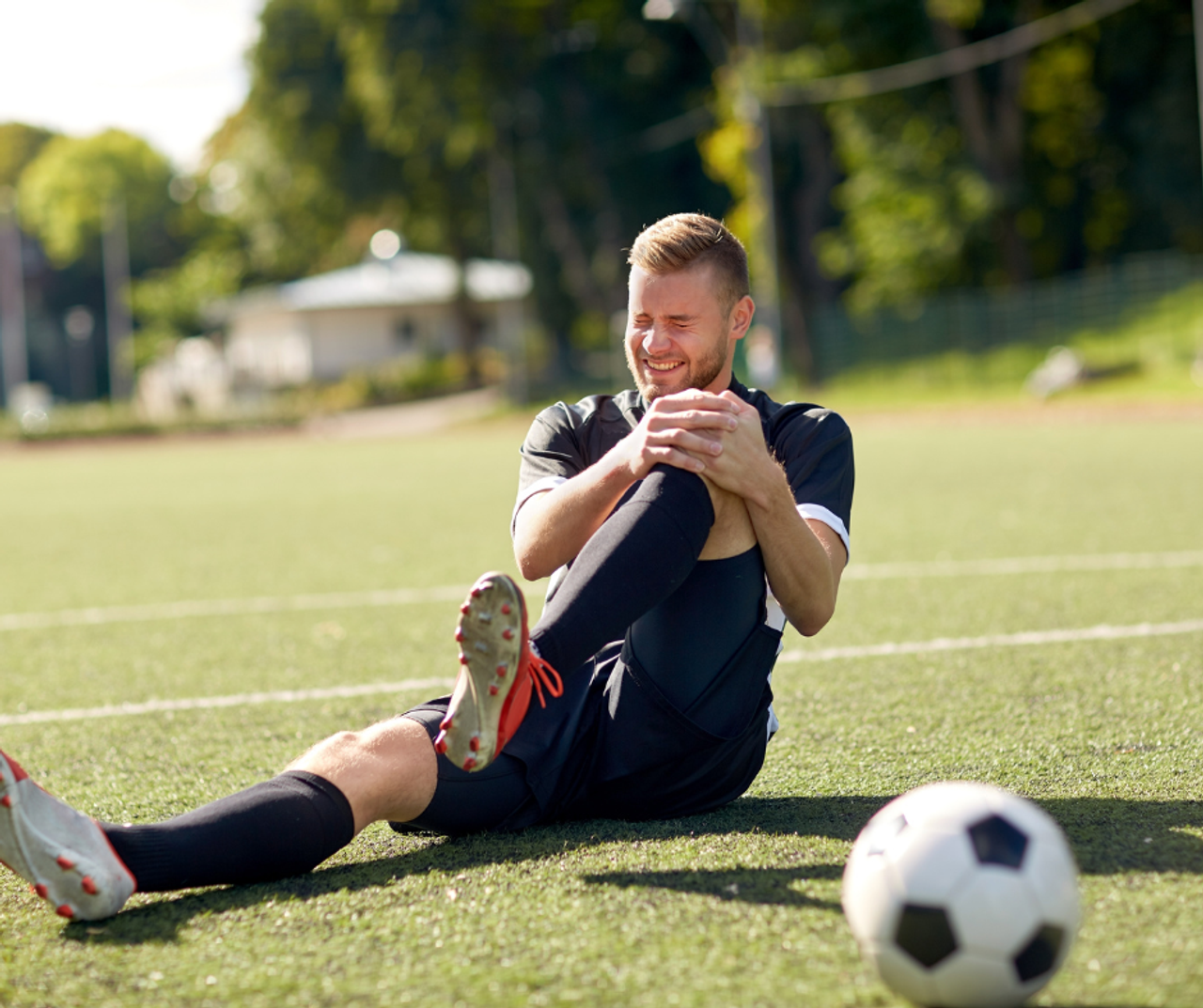
The Path to the Pitch: Soccer Players' Recovery from ACL Injuries
Anterior Cruciate Ligament (ACL) injuries rank among the most daunting setbacks for professional and amateur soccer players alike. The journey back to the soccer field often involves months of rigorous rehabilitation, bolstered by advancements in medical science and physical therapy. However, a myriad of challenges and setbacks can obscure the path to recovery, delaying the expected return to play. This article delves into the timeline of recovery from ACL injuries, coupled with an analysis of factors contributing to extended recuperation periods.
Understanding the Recovery Timeline
The standard recovery timeline for an ACL injury traditionally spans six to nine months, with several phases marking key milestones:
| Phase | Duration | Goals |
|---|---|---|
| Immediate Post-Surgery | Weeks 0-2 | Pain management, reducing swelling, regaining range of motion |
| Early Rehabilitation | Weeks 2-6 | Improving strength and stability, basic weight-bearing exercises |
| Intermediate Rehabilitation | Weeks 6-16 | Enhanced proprioception, progressive weight-bearing and functional exercises |
| Advanced Rehabilitation | Weeks 16-24 | More dynamic activities, agility drills |
| Return to Play | Month 6-9 | Sport-specific training, psychological readiness |
The journey from injury through rehabilitation comprises carefully monitored phases concentrated on restoring function. The initial period focuses on managing pain and swelling, achieved through ice therapy and elevation. Concurrently, patients work to reclaim their joint’s full range of motion.
Early Rehabilitation Challenges
The early stages of rehabilitation emphasize safe inclusion of weight-bearing exercises to aid in strength and stability. This period is crucial, as premature progression can result in compromised grafts. Developing foundational strength and proprioception, which are vital for knee stability, form part of the rehabilitation regimen.
As players transition from passive to active recovery, sustaining motivation becomes challenging, given the slow progress and lingering pain. The psychological component of regaining trust in their bodily function cannot be overstated, contributing significantly to the pace and success of recovery.
Roadblocks and Delays: Delving into the Setbacks
While the goal may be clear, the route to recovery is fraught with potential setbacks. These include:
1. Graft Failure
Graft failure post-ACL reconstruction can significantly delay recovery and is a common, albeit unfortunate, setback. This entails a disruption in the healing process, necessitating revision surgery which extends the recuperation timeline by several months.
2. Psychological Readiness
The mental aspect of recovery often impacts the physical. Post-injury, athletes may face apprehension or fear of re-injury, hindering their performance and slowing their return to the game. Psychological interventions, including sports therapy, play a pivotal role in helping overcome these mental blocks.
3. Inadequate Rehabilitation
Lapses or inadequacies in rehabilitation intensity and adherence may impede progress. Rehabilitation protocols require strict adherence, and failure to push through discomfort within safe limits can lead to prolonged recovery times.
4. Secondary Injuries
During the recovery period, athletes may suffer from compensatory injuries due to altered gait or biomechanics, adding another layer of complexity to their rehabilitation.
Rehabilitation Best Practices and Future Outlooks
To mitigate these setbacks, a multidisciplinary approach comprising physical therapy, medical guidance, psychological support, and nutritional strategies is employed. Individualized recovery plans are tailored to address specific concerns based on the athlete’s unique needs.
Emerging techniques, such as neuromuscular training and virtual reality-based rehabilitation, hold promise in enhancing recovery outcomes. These innovative approaches provide engaging and effective ways to improve joint functionality and player confidence, albeit their long-term impacts on recovery timelines remain under investigation.
Holistic Approaches
Incorporating holistic practices, such as focused breathing exercises and mindfulness, can enrich the psychological aspect of recovery. These practices help moderate stress levels and bolster the mental resilience required for a successful comeback.
Conclusion
While ACL injuries pose significant challenges, a well-orchestrated recovery plan, comprehensive support systems, and emerging rehabilitation technologies can forge a faster, more effective pathway back to the pitch. However, the player's journey requires patience and perseverance as they navigate the physical demands and psychological barriers of recovery.
For more insights on sports recovery programs and emotional resilience in athletic settings, explore offerings by InstaSport, a leader in sports rehabilitation strategies.
Disclaimer: This article is for educational reading about sports injury recovery and does not provide medical, diagnostic, or treatment advice.





















































Share:
From Poolside to Podium: The Remarkable Recovery Journey of a Swimmer's Rotator Cuff Injury
Reimagining Recovery: The Future of Tennis Elbow Rehabilitation for Amateur Athletes