
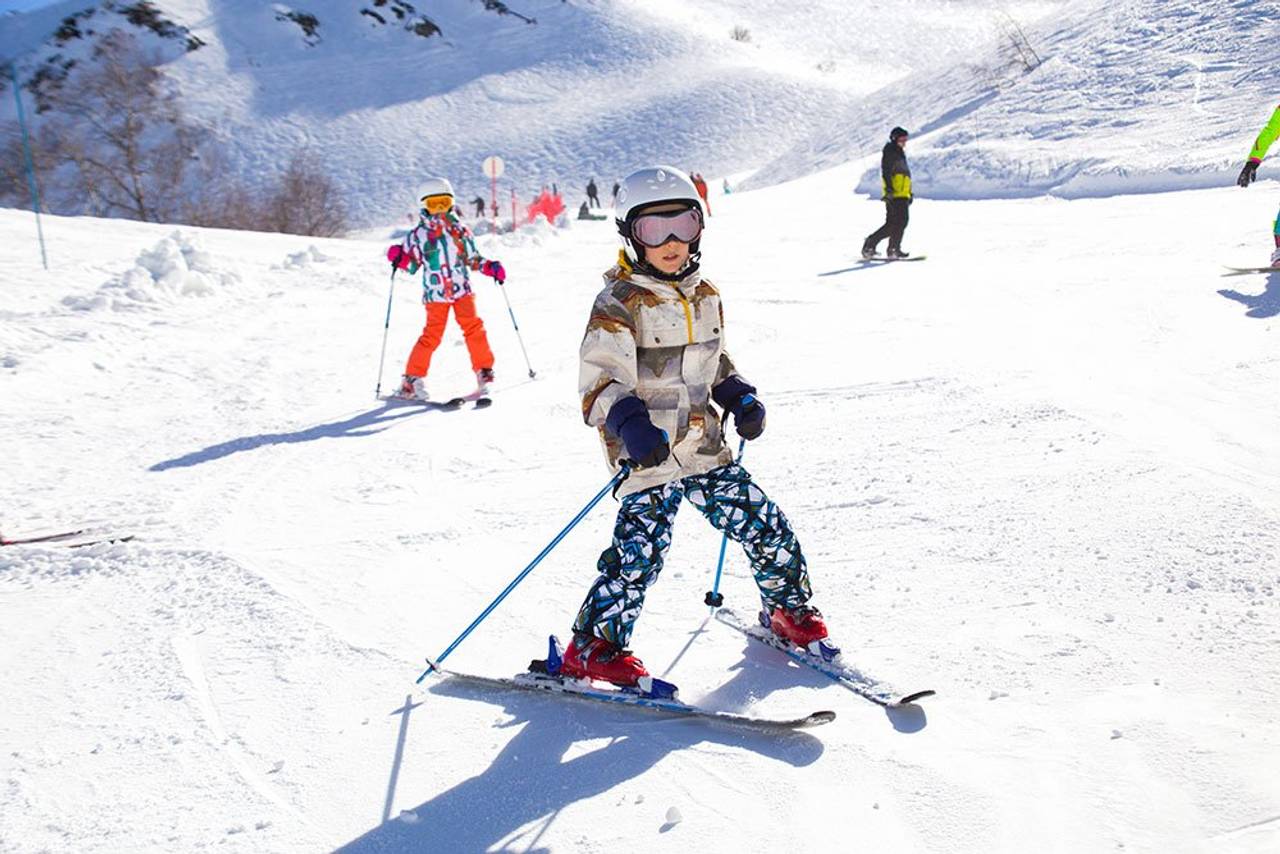
Triumph on the Slopes: ACL Injury Recovery in Alpine Skiing Athletes
The Unexpected Fall
Amidst the serene beauty and the crisp, invigorating air of the snow-capped mountains, Clara Thompson felt invincible. She had spent more than half her life navigating the icy trails of alpine skiing, every twist and turn engraved into her muscle memory. But in the blink of an eye, her world changed. During a seemingly routine training session on a crisp, sunny morning, Clara misjudged a turn. In an event as ordinary to skiing as the snow under her skis, her anterior cruciate ligament (ACL) snapped.
The pain was immediate and intense, but it was nothing compared to the jarring realization that her seasonand possibly her careermight have been over in an instant. It wasn't just the injury that terrified her; it was the unknown path of recovery lying ahead.
Commencing the Journey
From the start, Clara faced the challenge with the same determination she had always channeled on the slopes. Her first step was the surgical reconstruction of her ACL, a common procedure among athletes with ACL injuries. A mix of fear and hope accompanied her as she entered the operating room, knowing that this was only the beginning.
A Roadmap to Recovery
Post-surgery, Clara’s journey was meticulously planned out. Her regimen involved extensive physiotherapy, the core of which was to restore range of motion, strengthen the muscles around her knee, and gradually improve her stability and balance.
| Recovery Phase | Key Activities | Duration |
|---|---|---|
| Immediate Post-Surgery | Rest, icing, elevation, basic mobility exercises | 1-2 weeks |
| Early Recovery | Physiotherapy sessions, strengthening, range of motion exercises | 3-6 months |
| Mid-Term Rehabilitation | Progressive resistance training, balance exercises, plyometrics | 6-9 months |
| Return to Sport | Sport-specific drills, functional testing, gradual return to skiing | 1 year |
Unyielding Determination
Clara's fortitude was tested in the early recovery phase. Every day in the gym was a battle against both physical limitation and the creeping impatience that threatened to shake her resolve. Motivation became a restless companion, one she fueled with the visualization of her triumphant return to the slope.
A key factor in sustaining her progress was the close alliance she forged with her physiotherapist. They celebrated small victories, from the earliest wiggle of her toes post-surgery to the day she managed her first modest jump.
A Mind and Body Equipment
Alpine skiing demands not only physical prowess but mental acuity. Clara knew the psychological recovery was as crucial as the physical one. This often-overlooked aspect manifested through guided visualization techniques, allowing her to mentally rehearse runs, each turn and tuck as real in her mind as it had ever been on the snow.
During her recovery narrative, Clara embraced meditation as a tool to maintain mental clarity and emotional balance. It helped her manage the inevitable frustrations and mood shifts that accompanied her physical healing.
The Science of Healing
The innovation of modern sports medicine provided Clara with a structured rehabilitation protocol but also allowed personalization to her needs. Her treatment team incorporated cutting-edge therapies, such as hydrotherapy and dynamic neuromuscular stabilization, aimed at enhancing proprioception and aiding quicker recovery.
Nutritional Support
Recovery from an ACL injury involves heightened focus on nutrition. Clara worked closely with a nutritionist to support her healing process, her diet full of anti-inflammatory foods, adequate protein for muscle repair, and essential vitamins and minerals.
Triumphant Return
Over a year later, Clara found herself atop a familiar slope, though this time surrounded by more trepidation than ever before. Strapping on her skis and facing the unforgiving descent, she hesitated. But much like every small triumph along her recovery journey, she pushed through the anxiety, her strength and resolve leading her downward.
The thrill of the wind against her cheeks and the familiar power in her legs reminded her of her indomitable spirit. Clara had returnednot just to skiing, but to herself.
Conclusion
Clara’s story is not just one of recoveryit is a testament to the resilience and determination inherent in athletes. It demonstrates that with the right support, both professional and personal, the path to recovery can lead back to the peak of performance.
For athletes working through similar setbacks, platforms like InstaSport offer not only resources but a community to share experiences and inspire hope.
Disclaimer: The content shared here discusses sports injury recovery in a general context and should not replace professional medical guidance.
































Share:
Decoding Successful Sports Injury Recovery: A Comprehensive Guide to Rehabilitation
Rebounding from Hip Flexor Strains: The Road to Recovery for Soccer Players