
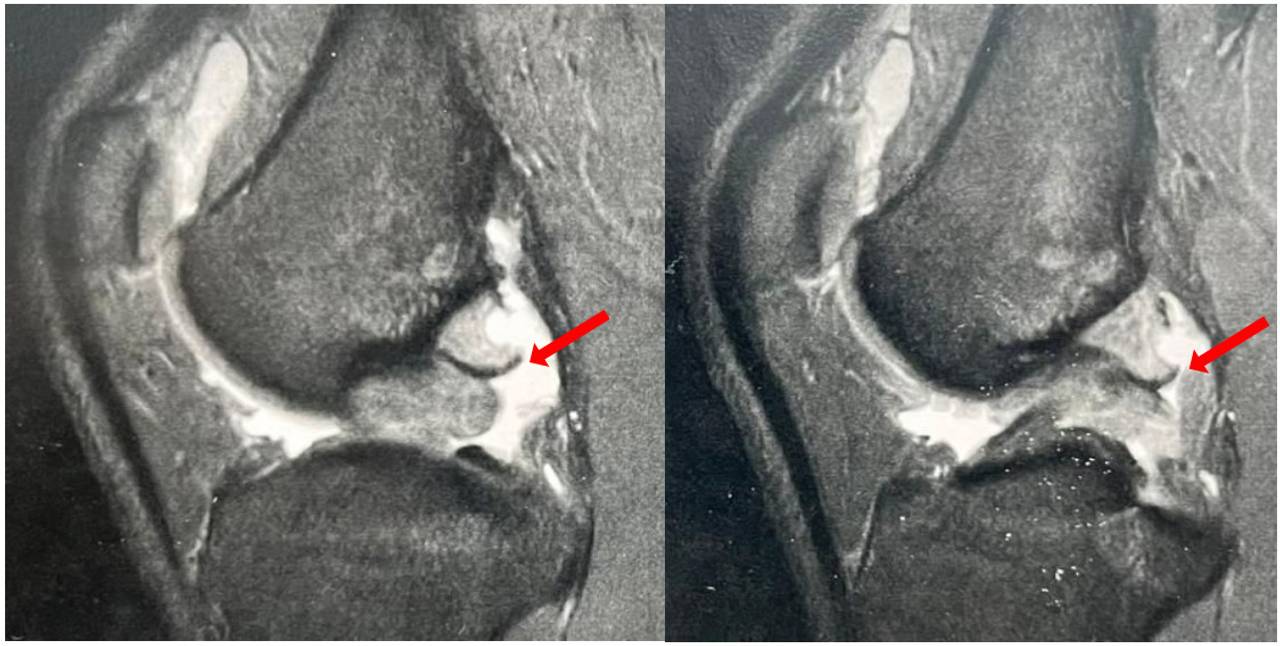
Sports injuries can derail the careers of even the most promising athletes. Quick recovery is paramount, but not many truly understand the intricacies involved in this process. In this article, we will delve into performance-based and biomechanical strategies focused on effective sports injury recovery. By first examining where many rehabilitation programs fall short, we can illuminate what genuinely works and why.
Learning from Failures: Common Obstacles in Recovery
Recovery programs often stumble due to a lack of personalized approaches. Many athletes experience plateauing progress because their rehabilitation lacks specificity and alignment with personal biomechanics. Consider, for example, the common complaint among professional soccer players recovering from ankle sprains. Typical failure cases involve exercises that do not appropriately engage the range of motion or muscle groups relevant to the sport-specific demands, leading to recurrent injuries or prolonged recovery times.
Additionally, many rehabilitation programs ignore the overall kinetic chain and its relationship with the injury. Inefficient analysis often misses how ankle injuries can affect knee or hip rotations. This can result in temporary relief but long-term biomechanical imbalances. Finally, a lack of regular biomechanical assessments during recovery can exacerbate issues halfway through the process.
| Common Missteps | Long-term Implications |
|---|---|
| Generic exercise plans | Increased risk of re-injury |
| Neglecting kinetic chain | Chronic imbalances and compensatory injuries |
| Lack of biomechanical assessments | Missed diagnosis of secondary issues |
What Truly Works: A Biomechanics-Oriented Strategy
Successful rehabilitation considers an athlete’s unique biomechanics. Here’s how a focus on performance and biomechanical analysis can drive recovery:
1. Individualized Biomechanical Mapping
Mapping an athlete’s biomechanics, including their specific movement patterns and muscle engagements, elucidates the unique configuration of forces acting on an injured area. This precision-guided strategy helps in designing customized rehabilitation protocols that target precise muscle groups and joints affected by the injury.
2. Integrative Kinetic Chain Evaluation
Recovery should not isolate the injury from the rest of the body. Incorporating an integrative assessment that recognizes how different parts of the body interact helps uncover compensatory patterns and secondary injuries. This results in a more holistic approach to recovery.
3. Progressive Loading Protocols
The usual protocol of rest followed by sudden return can lead to setbacks. Progressive loadingwhere the extent and type of load applied is gradually increased as the athlete healsensures the repaired tissues can withstand real-world stresses. It’s critical to strike a balance between challenges and recovery periods in the loading protocol to avoid overloading the athlete.
4. Neuromuscular Re-education
After injury, athletes often become preoccupied with avoiding pain, which disrupts their natural movement patterns. Neuromuscular re-education reintroduces proper motor patterns and mitigates the apprehension associated with movement post-injury, improving both performance and confidence.
5. Use of Technology
In contemporary sports medicine, technologies like motion capture systems and wearable sensors offer invaluable insights that were previously inaccessible. These technologies can track real-time biomechanics, providing data to refine and adjust rehabilitation exercises promptly.
| Rehabilitation Element | Benefits |
|---|---|
| Biomechanical mapping | Customized exercise, reduced recovery time |
| Kinetic chain evaluation | Corrects compensatory injuries |
| Progressive loading | Improved tissue resilience, less re-injury |
| Neuromuscular re-education | Optimized motor functions, reduced psychological barriers |
| Advanced technology | Real-time adjustment and precise monitoring |
Conclusion: The Path Forward
It's imperative for athletes and healthcare professionals to adopt a biomechanics-oriented approach to sports injury recovery. Precise, personalized, and technology-driven methods ensure not merely the healing of injuries but enhance overall athletic performance. Remember, successful recovery programs aren’t just about returning an athlete to their pre-injury state; they are opportunities to unlock new levels of potential.
For athletes looking to optimize their recovery process, partnering with innovative platforms like InstaSport can offer unparalleled resources and guidance, ensuring each step you take is a step forward in endurance, resilience, and performance.
Disclaimer: This article is intended for general informational purposes only and reflects common patterns in sports injury recovery. It is not medical or technical advice.






















Share:
Achilles Tendon Rupture in Triathletes: Navigating the Path to Recovery
Achilles Tendon Recovery in Soccer: Busting Myths and Valid Methods