
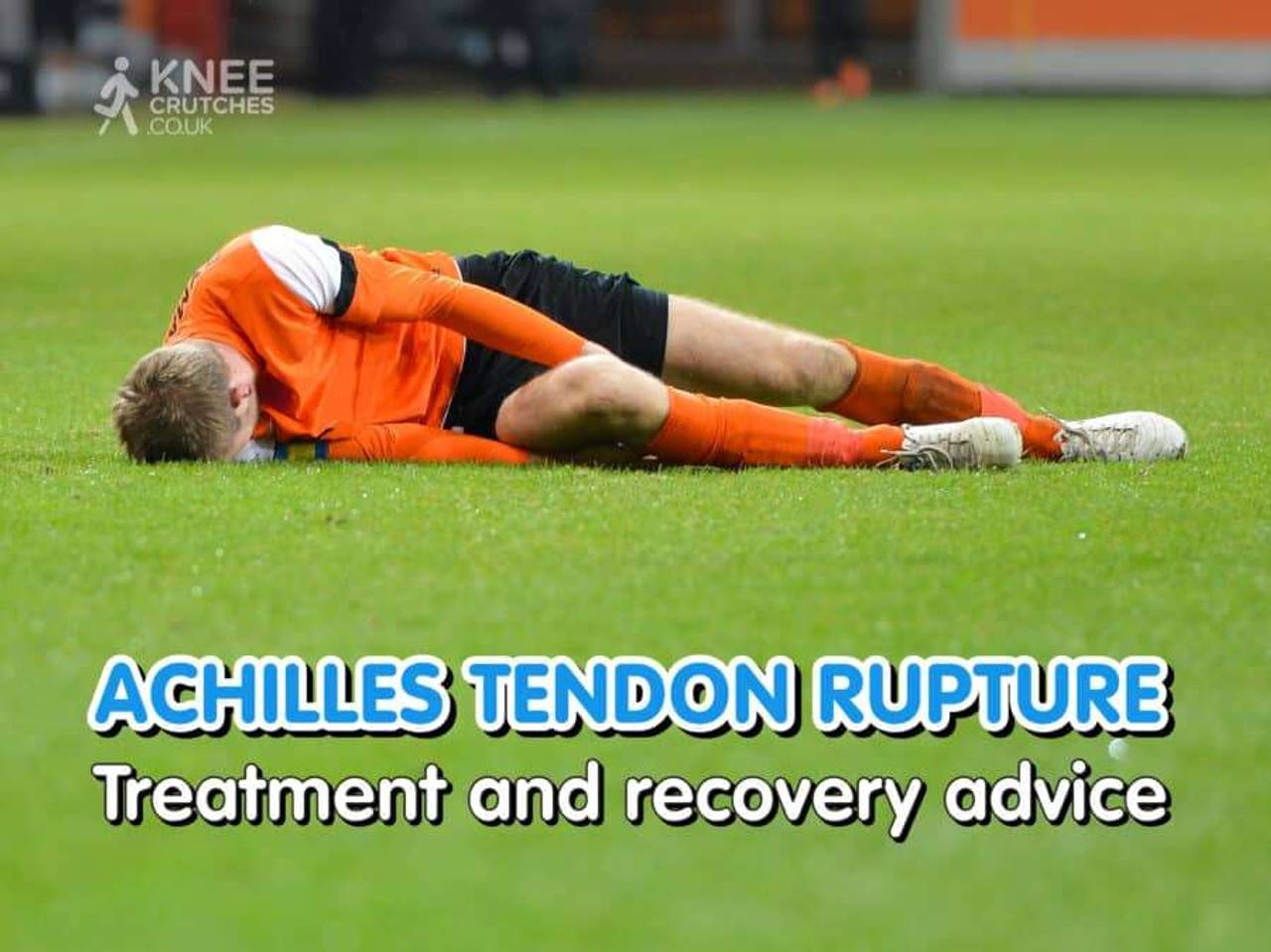
The Anatomy of Failure in Sports Injury Recovery
Sports injuries can be devastating, both physically and mentally, for athletes. They often entail a complex journey from the initial trauma to a hopeful return to peak performance. Yet, not all recovery stories have a happy ending. Many athletes fail to reach their pre-injury levels due to a variety of factors. Understanding these failure cases provides critical insights into what a successful recovery truly requires.
Misdiagnosis and Delayed Treatment
A common stumbling block in injury recovery is misdiagnosis, which can delay appropriate treatment. For example, sprains may be underestimated as simple strains, leading to inadequate rehabilitation plans. Misdiagnosis often results in prolonged recovery timelines and, in some cases, irreversible damage.
Inadequate Rehabilitation Protocols
Implementing an ineffective rehabilitation strategy is another frequent pitfall. Rehabilitation protocols that are generic rather than tailored to the specific needs of the injury and the athlete may impede progress. Injuries such as ACL tears, rotator cuff injuries, or Achilles tendon ruptures demand specialized care and customized therapy regimes. Skipping or rushing through rehabilitation milestones can increase the risk of re-injury.
Mental Health Neglect
The psychological aspect of recovery is often overshadowed by physical rehabilitation. Athletes may struggle with anxiety, depression, or loss of identity during their injury recovery, leading to lower motivation or premature return to sport, both of which can severely hamper recovery outcomes.
External Pressure
Pressure from teams, sponsors, or even the athletes themselves to return to competition prematurely can result in setbacks. Such pressure often results in athletes ignoring pain or symptoms, which can contribute to chronic injury or subpar healing.
Components of Successful Recoveries
Successful recovery from sports injuries isn't about shortcuts; rather, it's a comprehensive and individualized approach that involves multiple facets of care.
Comprehensive Diagnosis and Clear Treatment Plans
Effective recovery starts with a precise diagnosis, often leveraging advanced imaging technologies like MRI or ultrasound. This facilitates the formulation of a targeted treatment plan that addresses not only the symptomatic area but also compensatory injuries that may arise. Clarity in the treatment plan helps align the athlete’s expectations and goals, setting a clear path to recovery.
Tailored and Dynamic Rehabilitation Programs
Rehabilitation needs to be bespoke, considering the type of injury, the sport, and the athlete's unique physiology. Programs like eccentric loading for Achilles tendon injuries or sport-specific drills for ACL recovery can accelerate healing and prevent recurrence. Dynamic rehabilitation also means adjusting the program as the athlete progresses, rather than sticking rigidly to a pre-determined plan.
| Injury Type | Key Rehabilitation Strategies |
|---|---|
| Achilles Tendon Rupture | Eccentric loading, strengthening exercises |
| ACL Tear | Neuromuscular training, balance exercises |
| Rotator Cuff Tear | Strengthening, range of motion exercises |
Mental Health Support and Athlete Education
Incorporating mental wellness initiatives into the recovery process can dramatically improve outcomes. Providing athletes with psychological support, such as counseling or mental skills training, fosters resilience and positivity, helping them stay focused on their recovery goals. Moreover, educating athletes about their injury and recovery process empowers them to take proactive steps in their rehabilitation.
Managed Return to Sport
A controlled and staged return to sport is essential, tailored to reflect the athlete's readiness rather than external pressures. Progression through simulated environments, like virtual reality or controlled scrimmages, can prepare athletes for the complexities of competitive play while mitigating the risk of re-injury.
In Conclusion
The systemic factors influencing recovery from sports injuries underscore the importance of a holistic, well-structured approach. From precise diagnostics to tailored rehabilitation and mental health support, each component plays a vital role in turning setbacks into comebacks. By learning from failure, clinicians, coaches, and athletes can better orchestrate a successful return to sport. As options for injury management expand, platforms like InstaSport offer innovative tools and support systems to streamline the recovery process.
Disclaimer: The content shared here discusses sports injury recovery in a general context and should not replace professional medical guidance.






































Share:
From Sidelines to Spotlight: The Journey Through Achilles Tendon Recovery in Soccer Players
Rediscovering Speed: A Sprinter's Journey through Achilles Tendon Rupture Recovery