
Introduction
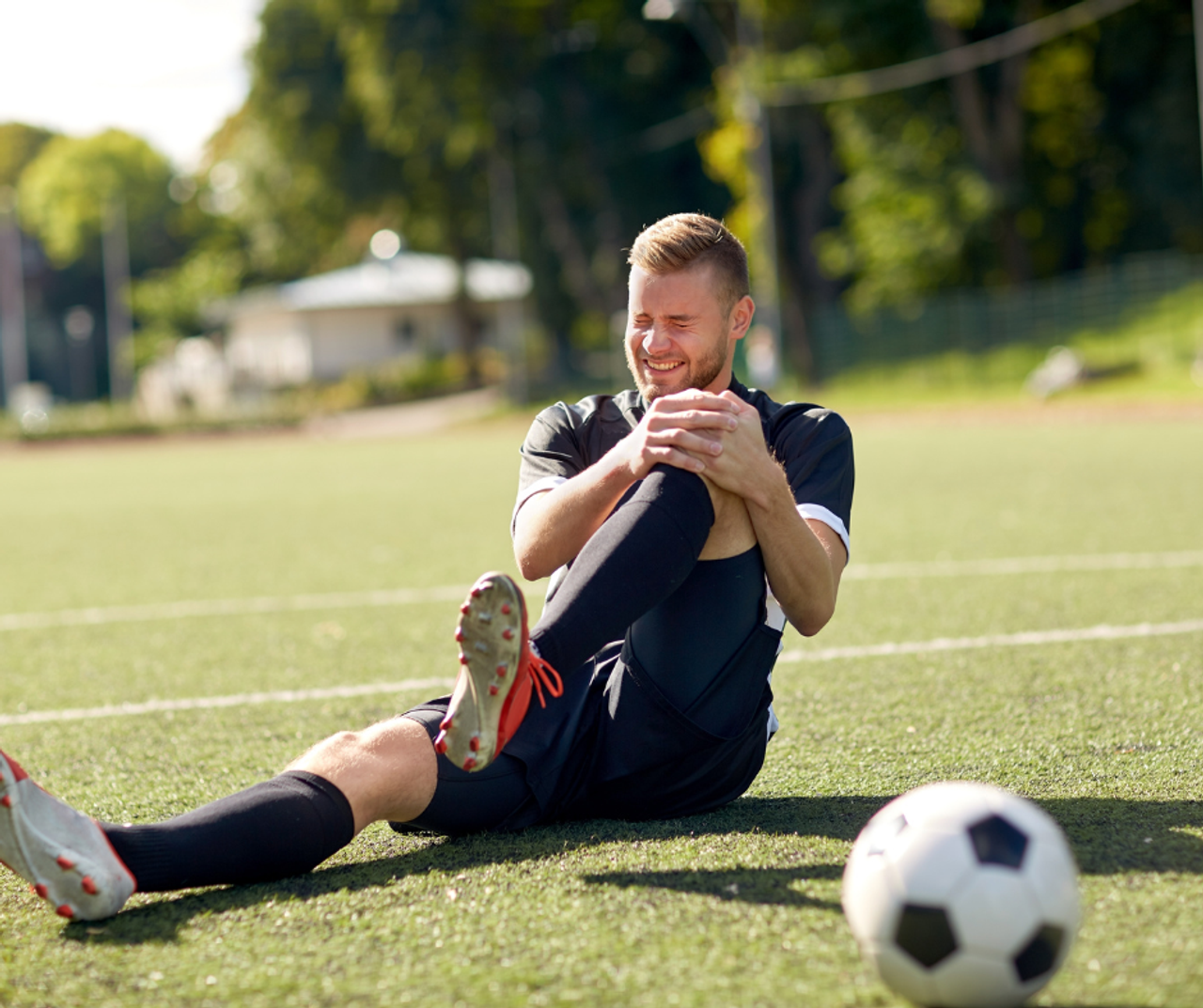
Recovering from a sports injury is a multifaceted ordeal that challenges athletes physically, mentally, and emotionally. Athletic careers pause, and every decision from the moment of injury can affect the long-term outcome. Despite advancements in medical science and rehabilitation technology, not all recoveries succeed. While some athletes return to play stronger than ever, others struggle to regain their former capabilities. This article delves into the systems-level factors that influence why sports injury recoveries succeed or fail, aiming to provide a comprehensive understanding of the recovery ecosystem.
The Anatomy of Failure: When Recovery Fails
Before exploring successful recoveries, it is crucial to understand why certain recovery efforts fail. Failure in sports injury recovery often stems from a series of interconnected issues that can snowball over time. These issues can be broadly divided into three categories: clinical missteps, psychological barriers, and systemic obstacles.
Clinical Missteps
Injury recovery begins with accurate diagnosis and treatment planning. Misdiagnoses or incomplete assessments can lead to inappropriate treatment plans, ultimately delaying or derailing the recovery process. Consider an instance where an athlete misdiagnosed with a minor sprain instead of a ligament tear follows an inadequate rehabilitation protocol. Such clinical missteps not only prolong recovery but also increase the risk of re-injury.
Psychological Barriers
Psychological resilience is as critical as physical healing in the recovery journey. Athletes often face anxiety, impatience, and depression during rehabilitation. These emotional responses can hinder progress and contribute to recovery failure. For instance, fear of re-injury can prevent athletes from fully engaging in rehabilitation exercises, slowing down the recovery process.
Systemic Obstacles
Healthcare systems and support networks play a pivotal role in recovery. A lack of access to quality rehabilitation services, inconsistent follow-ups, and inadequate support structures can impede recovery. Athletes without the necessary social and medical support are less likely to adhere to rehabilitation protocols consistently, reducing their chance of a successful recovery.
Building a Foundation for Success: Key Components of a Successful Recovery
A comprehensive recovery strategy integrates multiple modalities to form a cohesive plan that addresses the unique needs of the athlete. Successful recoveries involve a blend of accurate diagnosis, personalized treatment plans, psychological support, and system-level coordination. Here, we explore the key components of successful recovery.
Multi-Disciplinary Approach
Incorporating a multi-disciplinary team is essential for addressing the diverse aspects of recovery. This team may include orthopedic specialists, physical therapists, psychologists, nutritionists, and sports trainers. Each member contributes specialized expertise, ensuring that every component of the athlete's recovery is covered. For example, a physical therapist may focus on restoring mobility and strength, while a psychologist works on mental resilience.
Technological Integration
Advanced technology plays an increasing role in successful recovery strategies. From imaging tools for accurate diagnosis to wearable technology that monitors progress, technology provides valuable data and insights. Table 1 illustrates some of the technological tools often employed in modern recovery strategies.
| Technology | Function |
|---|---|
| Magnetic Resonance Imaging (MRI) | Accurate diagnosis of soft tissue injuries |
| Wearable Sensors | Real-time monitoring of movement and load |
| Virtual Reality | Immersive rehabilitation exercises |
| Telemedicine | Remote consultation and follow-ups |
Individualized Rehabilitation Protocols
No two injuries or athletes are exactly alike, making individualized rehabilitation protocols critical. Customizing treatment plans to fit the athlete's specific injury, fitness level, and professional needs optimizes recovery outcomes. Adjustments in exercise intensity, therapy duration, and nutrition based on real-time progress assessments ensure that recovery aligns with both short and long-term goals.
Psychological Support
Addressing the mental health of athletes during recovery is often overlooked yet fundamentally important. Counseling, mindfulness practices, and cognitive-behavioral therapy can significantly impact recovery by reducing anxiety and enhancing mental resilience. Table 2 outlines some psychological interventions that have proven effective in sports injury recovery.
| Intervention | Purpose |
|---|---|
| Cognitive-Behavioral Therapy | Restructures negative thought patterns |
| Mindfulness Meditation | Improves focus and reduces stress |
| Visualization Techniques | Enhances confidence and motivation |
| Group Therapy | Provides peer support and shared experiences |
Conclusion: The Holistic Path to Recovery
In the intricate landscape of sports injury recovery, success is seldom the result of isolated efforts. Rather, it emerges from the seamless integration of clinical precision, tailored rehabilitation protocols, technological advances, and robust psychological support, all coordinated within an efficient healthcare system. By understanding both the barriers and facilitators of recovery, athletes and healthcare providers can navigate the path to successful recuperation more effectively.
For athletes seeking personalized and data-driven rehabilitation journeys, consider platforms like InstaSport. With a commitment to holistic recovery, InstaSport provides athletes with the insights and support they need to get back in the game stronger than before.
Disclaimer: The content shared here discusses sports injury recovery in a general context and should not replace professional medical guidance.






































































Share:
Reconstructing Recovery: Dispelling Myths in Sports Injury Rehabilitation
The Phases and Strategies of Recovery in Achilles Tendon Rupture Among Soccer Players: A Systems-Level Approach