
Tennis Elbow Recovery: Understanding Timelines and Overcoming Setbacks for Athletes
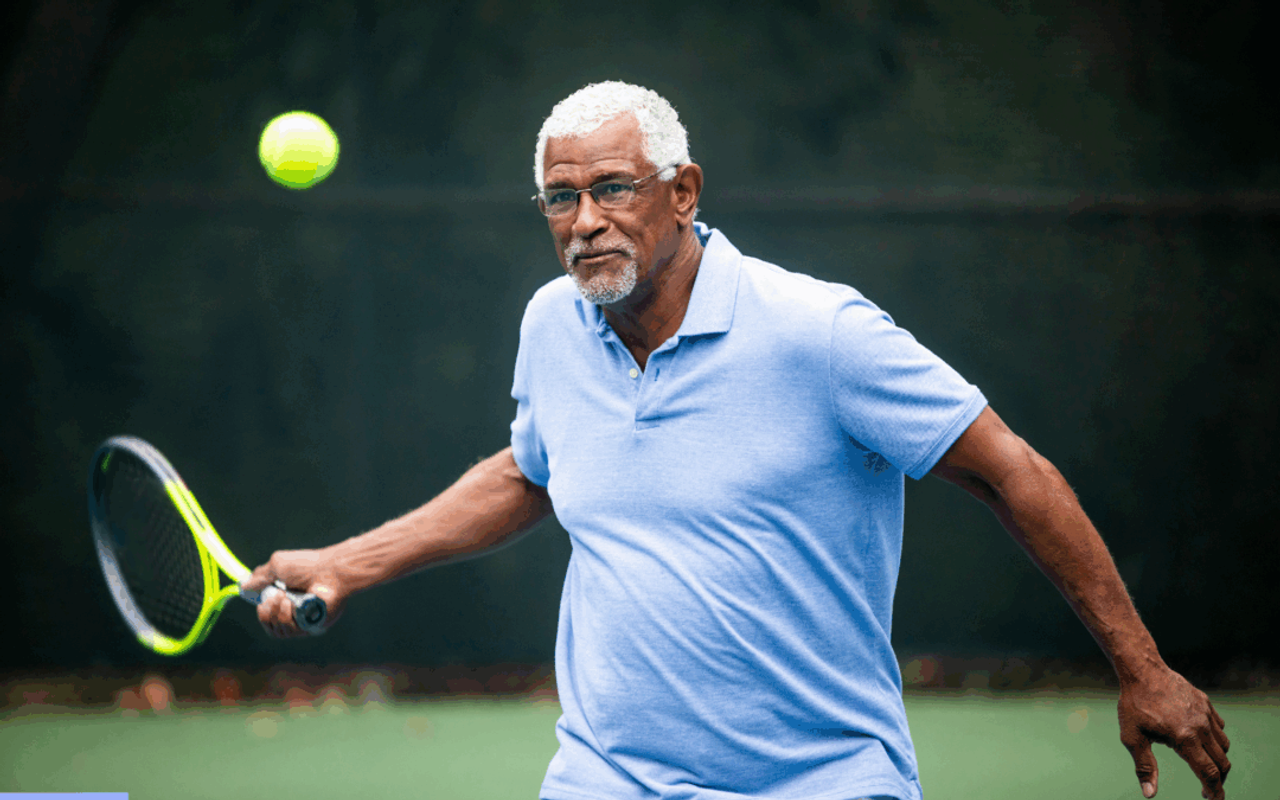
Tennis elbow, or lateral epicondylitis, is a prevalent injury not just limited to tennis players. Overhead athletes across sports such as baseball, badminton, and even track and field may find themselves grappling with this painful condition. This article seeks to demystify the recovery process associated with tennis elbow, providing a comprehensive timeline and insights into potential delays and setbacks.
Understanding the Recovery Timeline
The journey to recovering from tennis elbow varies greatly among athletes, influenced by factors like the severity of the condition, the athlete's overall health, and their adherence to rehabilitation protocols. However, there are general timelines that can guide expectations.
| Recovery Stage | Timeframe | Key Objectives |
|---|---|---|
| Phase 1: Acute Rest and Pain Management | 0-2 weeks | Aim to reduce inflammation and manage pain through rest, icing, and potentially non-steroidal anti-inflammatory drugs (NSAIDs). |
| Phase 2: Early Rehabilitation | 2-6 weeks | Introduce mild, pain-free movements to maintain flexibility and prevent muscle atrophy, focusing initially on passive exercises. |
| Phase 3: Strengthening and Conditioning | 6-12 weeks | Begin a structured strengthening program focusing on eccentric exercises for forearm flexors and extensors. |
| Phase 4: Return to Sport-Specific Activities | 12-16 weeks | Gradual reintroduction to sport-specific movements and skills, ensuring progression is pain-free and does not lead to symptom recurrence. |
Analyzing Delays and Setbacks
While the recovery timeline provides a structured framework, it's crucial to recognize that setbacks often occur. Understanding the potential reasons behind these delays can help athletes and coaches strategize more effectively.
1. Inadequate Rest
Rushing back into training or competition too soon is a common error. Athletes, eager to regain their form, might ignore their bodies' signals, leading to exacerbated symptoms or reinjury.
2. Improper Technique
In sports reliant on repetitive arm actions, improper technique can place excessive strain on the elbow. Thoughtless swings or throws can aggravate conditions and stall recovery.
3. Insufficient Rehabilitation
Completion of a prescribed rehabilitation program is critical. Skipping rehabilitation exercises or neglecting strength conditioning can undermine recovery efforts and prolong timelines.
4. Psychological Barriers
Fear of reinjury can lead athletes to unconsciously alter their playing style, contributing to imbalances or inappropriate loading of other muscle groups. This compensation may inadvertently lead to new injuries.
5. Underlying Health Issues
Preexisting conditions such as poor circulation, osteoporosis, or tendinopathies can exacerbate tennis elbow, complicating the healing journey. A comprehensive health evaluation may be necessary for persistent cases.
6. Nutritional Deficiencies
The role of nutrition in recovery cannot be underestimated. Deficiencies in key nutrients like vitamin D, calcium, and magnesium, crucial for tendon health, can delay tissue repair and prolong recovery.
Personalized Recovery Strategies
A tailored approach to recovery considers individual differences among athletes. Regular assessments and adaptations of the rehabilitation plan, guided by a sports physiotherapist or athletic trainer, are paramount.
Conclusion
Recovering from tennis elbow requires patience, consistency, and a strategic approach tailored to the athlete's unique context. While setbacks are not uncommon, understanding and addressing the underlying causes can facilitate a smoother recovery trajectory. In the quest for a holistic recovery, leveraging tools and technologies designed for athletic rehabilitation, such as InstaSport, can provide invaluable support and insight.
Disclaimer: The content shared here discusses sports injury recovery in a general context and should not replace professional medical guidance.






















































Share:
From Sideline to Showtime: Rethinking Recovery from Achilles Tendon Ruptures in Soccer Players
Overcoming the Odds: Emotional and Psychological Recovery from ACL Injuries in Female Soccer Players