
Top 10 Historic Game-Changing Moments for Table Tennis in Europe of All Time
Table tennis, often regarded as a fast-paced and strategic sport, has a rich history in Europe, marked by significant milestones and transformative events. This feature delves into the top 10 game-changing moments that have left an indelible mark on the sport in Europe.
1. The Introduction of the 40mm Ball (2000)
In the year 2000, the International Table Tennis Federation (ITTF) made a pivotal change by increasing the diameter of the ball from 38mm to 40mm. This seemingly minor adjustment had profound implications, altering the speed and spin of the game, and making rallies longer and more exciting for audiences. European players had to adapt their techniques, leading to a shift in training methods and competition strategies.
2. The Rise of Jan-Ove Waldner
Swedish legend Jan-Ove Waldner, known as the 'Mozart of Table Tennis', revolutionized the sport in the late 20th century. His unique playing style, characterized by exceptional control and tactical intelligence, inspired a generation of European players. Waldner's career highlights include winning the Olympic gold medal in 1992 and multiple World Championships, cementing his status as one of the greatest players of all time.
3. The European Championships (1958)
First held in 1958 in Budapest, Hungary, the European Table Tennis Championships marked a significant step towards the sport's professionalization in Europe. This event provided a platform for European players to showcase their talents on an international stage, fostering increased interest and participation in table tennis across the continent.
4. The Dominance of the Swedish National Team (1980s-1990s)
The Swedish national team, led by stars like Jan-Ove Waldner and Jörgen Persson, dominated the international table tennis scene during the 1980s and 1990s. Their success in world championships and their strategic approach to the game brought European table tennis to the forefront, challenging the then-dominant Chinese players.
5. Introduction of the Two-Color Paddle Rule (1983)
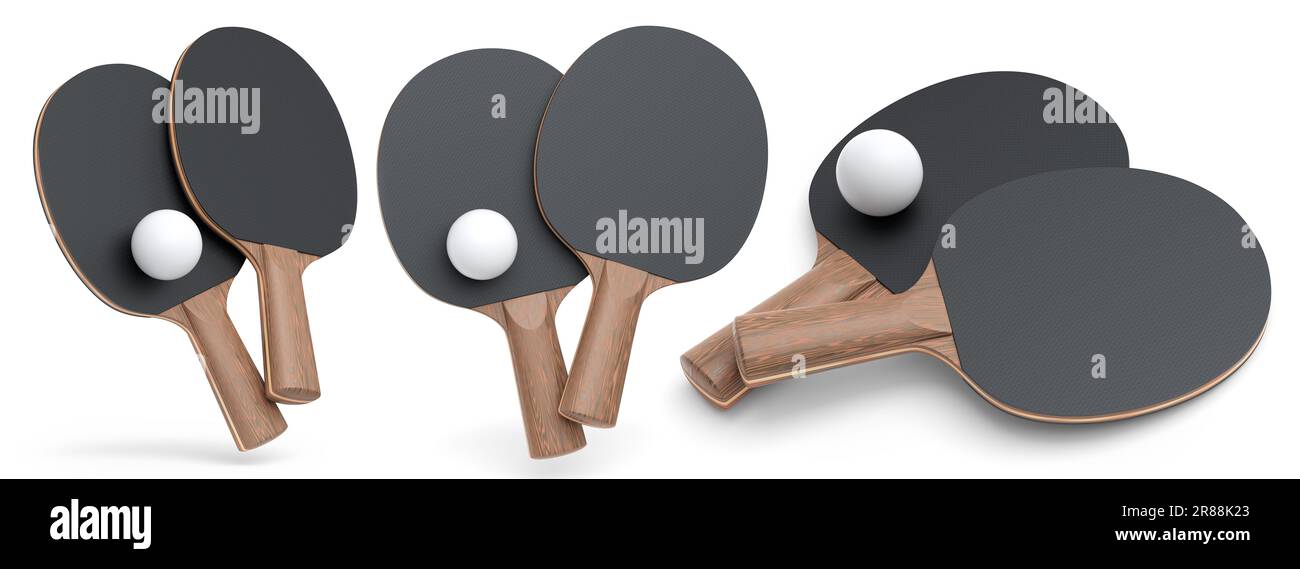
The ITTF's decision in 1983 to require players to use paddles with two different colored rubbers (red and black) was a critical moment. This rule change was aimed at making the game fairer and more transparent for spectators, as it allowed audiences and opponents to better anticipate the effects of spins and shots.
6. The 1989 World Championships in Dortmund
The 1989 World Championships held in Dortmund, Germany, were monumental for European table tennis. The Swedish team defeated the Chinese team, marking one of the few times China did not claim the title. This victory not only boosted the sport's popularity in Europe but also demonstrated that European teams could compete at the highest levels.
7. The Formation of the European Table Tennis Union (ETTU)
Established in 1957, the European Table Tennis Union (ETTU) provided a structured organization to govern and promote table tennis across Europe. The formation of the ETTU was instrumental in increasing the sport's profile and ensuring cohesive development and competition across European nations.
8. Timo Boll's Impact
German player Timo Boll has been a dominant figure in European table tennis since the early 2000s. Known for his versatile playing style and consistency, Boll has won numerous European Championships and international titles. His influence extends beyond his on-table achievements, inspiring young players across Europe and contributing to the sport's growth.
9. The Transition to 11-Point Games (2001)
The ITTF's decision to change the scoring system from 21 to 11 points per game in 2001 was a significant shift. This change aimed to make matches more dynamic and viewer-friendly, increasing the sport's appeal on television and during live events. European players quickly adapted to this new format, often leading the way in international competitions.
10. The Success of the Women's Game
European women have made significant strides in table tennis, with players like Hungary’s Csilla Bátorfi and Germany’s Kristin Lang achieving international success. The growth of the women's game in Europe has been a game-changer, inspiring more female participation and expanding the sport's audience base.
Conclusion
These historic moments have not only shaped the sport of table tennis in Europe but have also contributed to its global evolution. From rule changes to legendary players and teams, each event has played a crucial role in making table tennis the dynamic and widely respected sport it is today.

























































































Share:
Top 10 Essential Cricket Gear & Equipment in Europe of All Time
Top 10 Essential Boxing Gear & Equipment for 2025 in Europe