

The Mistake Clinic: Breathing Techniques for Runners
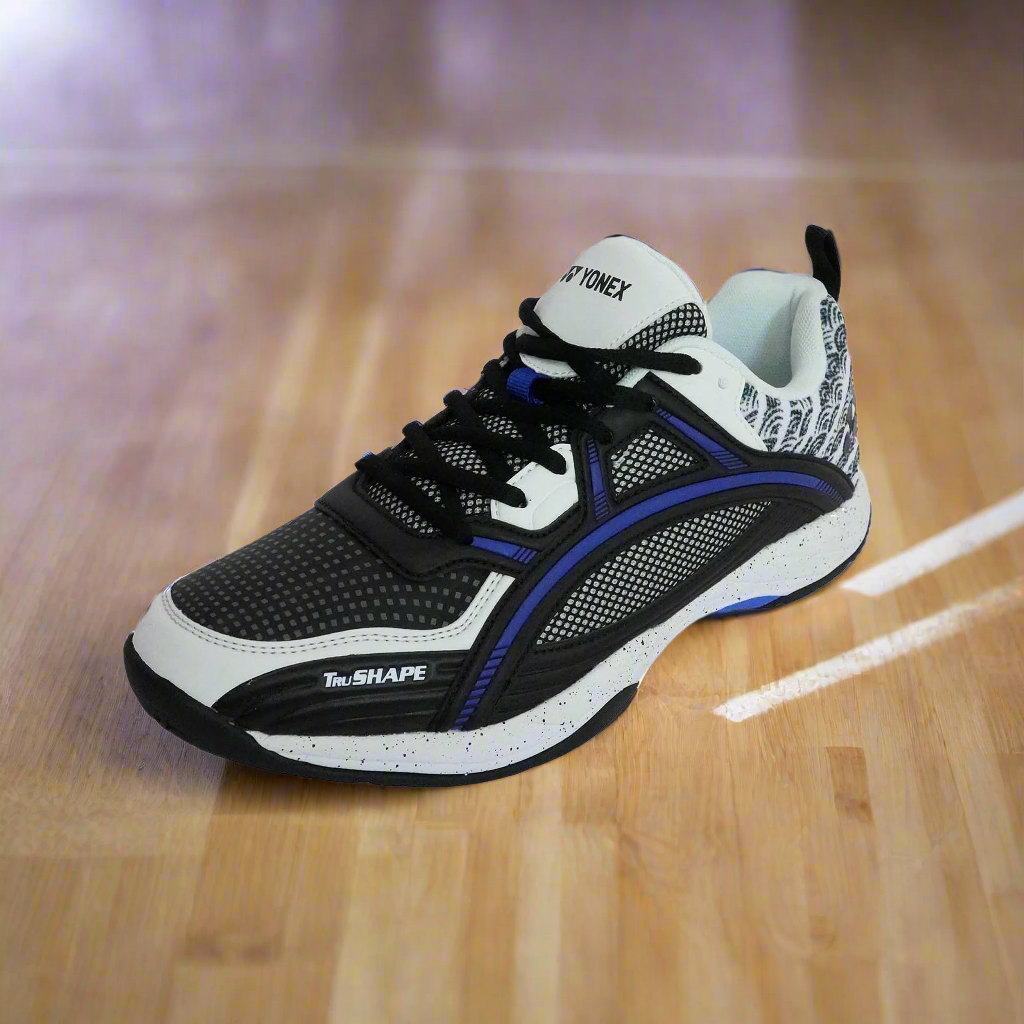
As runners, we often devote countless hours to fine-tuning our sprint mechanics, honing our cadence, and selecting the perfect pair of running shoes (that’s our physical object for today). Yet, many of us overlook one of the most critical components of successful running: breathing. Breathing efficiently can be the difference between a brisk 5K and a grueling slog of struggle. Welcome to the Mistake Clinic, where we’ll delve into common respiratory missteps and how to correct them, optimizing oxygen intake for the utmost efficiency during your runs.
Mistake #1: Shallow Breathing
The most frequent error runners make is shallow, chest-only breathing, which limits oxygen intake and can lead to fatigue and poor performance. As a master, I’ll ask you to place a hand on your belly and one on your chest. Take a deep breath. Which hand moved? If it’s the one on your chest, we have some retraining to do. Focus on diaphragmatic breathing. This means expanding your diaphragm and filling your lungs from the bottom up, much like inflating a balloon completely.
Mistake #2: Irregular Breathing Rhythm
Runners often get caught up in the excitement of their environment, causing irregular breathing patterns. To overcome this, develop a consistent rhythm. A common and effective pattern is inhaling for three steps and exhaling for two. This helps maintain a steady intake of oxygen and control over your effort. Find what works for you and stick with it, much like the cadence of a metronome.
Mistake #3: Breath-Holding
Holding your breath, especially during a strenuous climb or fast sprint, is another trap. This mistake stems from unconscious anxiety or effort. It's crucial to remain aware and refrain from holding your breath. Maintain that rhythm we talked about, and let your breath guide your run, not halt it.
Mistake #4: Ignoring Nasal Breathing
Many runners tend to breathe entirely through their mouths, particularly during intense efforts. While mouth breathing isn’t entirely avoidable, especially at high intensities, incorporating nasal breathing can increase your overall efficiency at moderate paces. Nasal breathing warms and filters the air while promoting more oxygenated blood. Practice nasal breathing in your daily runs to become more accustomed to its benefits over time.
Drills to Improve Breathing Technique
| Drill | Purpose | Instructions |
|---|---|---|
| Belly Breathing | Develop diaphragm engagement | Lie on your back with a book on your belly. Breathe deeply to move the book up and down smoothly, practicing diaphragmatic control. |
| Rhythmic Breathing | Establish breathing cadence | Run at a comfortable pace and implement a 3:2 rhythm (inhale for three steps, exhale for two). Experiment with different counts until you find a natural fit. |
| Nasal Breathing | Adapt to nasal breathing | During easy or mid-intensity runs, try to breathe exclusively through your nose for two to five minutes stretches, gradually increasing as comfort improves. |
| Mindful Breathing | Increase breath awareness | Incorporate short sessions of mindfulness focusing entirely on your breath. Use these sessions during cool-downs or off-days. |
Each mistake rectified propels you closer to becoming a more efficient, relaxed runner. Implement these strategies consistently, and the results will follow. Breathing is one of the best-kept secrets in running excellence, often underestimated, yet incredibly powerful. The goal here is not just performance but enjoyment as well. With each breath, take a step closer to mastering the art of the perfect run.
Happy running, breathe deeply, and keep pushing those limits.






















































































































Share:
Strength Training for Runners: Building Power and Resilience through Targeted Exercises
Spin Techniques: Mastering Different Types of Spin for Advantageous Play in Table Tennis