

Welcome to this masterclass on defensive footwork in badminton. As a seasoned badminton coach, I understand the game's demands and how vital footwork is to defensive play. The sport requires not just agility but a keen sense of positioning, reactivity, and lateral movement. These elements can truly differentiate an average player from an exceptional one.
The Importance of Footwork
Footwork is the foundation upon which all badminton skills are built. It enables efficient movement around the court, allowing players to be in the optimal position to execute their shots. Good defensive footwork enhances your ability to react quickly to your opponent’s attacks, turning the tables in your favor.
Understanding Defensive Footwork
In badminton, defensive footwork involves mastering three main components: lateral movement, balance, and reactiveness. Each component requires focused training:
- Lateral Movement: Badminton is played on a rectangular court, so lateral movement is crucial for covering the width quickly and efficiently.
- Balance: Maintaining balance under pressure allows you to execute defensive shots with precision.
- Reactiveness: Reacting swiftly can give you an upper hand in unpredictable situations.
Drills to Enhance Defensive Footwork
Improving your defensive footwork involves specific drills that focus on lateral movement and reactiveness. Below, I have outlined some essential drills that will help you elevate your game strategically.
| Drill | Description | Objective |
|---|---|---|
| Side-to-Side Shuffle | Start at the center of the court. Shuffle quickly to the right and touch the sideline, then shuffle to the left and touch the other sideline. | Improve lateral quickness and agility. |
| Box Drill | Create a box using markers. Move around the box quickly, touching each marker. Change directions periodically. | Enhance reactivity and change of direction. |
| Shadow Play | Without a shuttle, mimic game play by moving around the court as though playing an actual point. | Reinforce court awareness and footwork patterns. |
| Ladder Drill | Use an agility ladder. Move laterally through the ladder, focusing on quick, precise steps. | Develop foot speed and coordination. |
Developing Reactiveness
Reactiveness can be augmented through perceptual training, which involves improving your ability to anticipate your opponent’s moves. Watch your opponent’s body language and racket positioning as cues.
Plyometrics: Incorporating plyometrics, such as lateral jumps and box jumps, into your training regimen boosts explosive power and reactivity, two key elements in defensive scenarios.
Integration with On-Court Strategy
Once you have honed your defensive footwork and reactiveness, integrating these skills into actual gameplay situations is crucial. Set up practice games with specific objectives to reinforce these skills under pressure.
Incorporate small, mental games into your practice, such as attempting to reach a set number of successful lateral defensive movements within a timeframe. These mini-challenges keep your mind sharp and incorporate strategizing as part of your natural play.
Conclusion
By dedicating time and effort to mastering lateral movement and reactivity, you’ll find yourself more prepared for whatever situations arise on the court. Trust in the process, remain disciplined with these drills, and watch as your defensive game improves significantly. Keep pushing your limits, and you will see the results on the scoreboard.
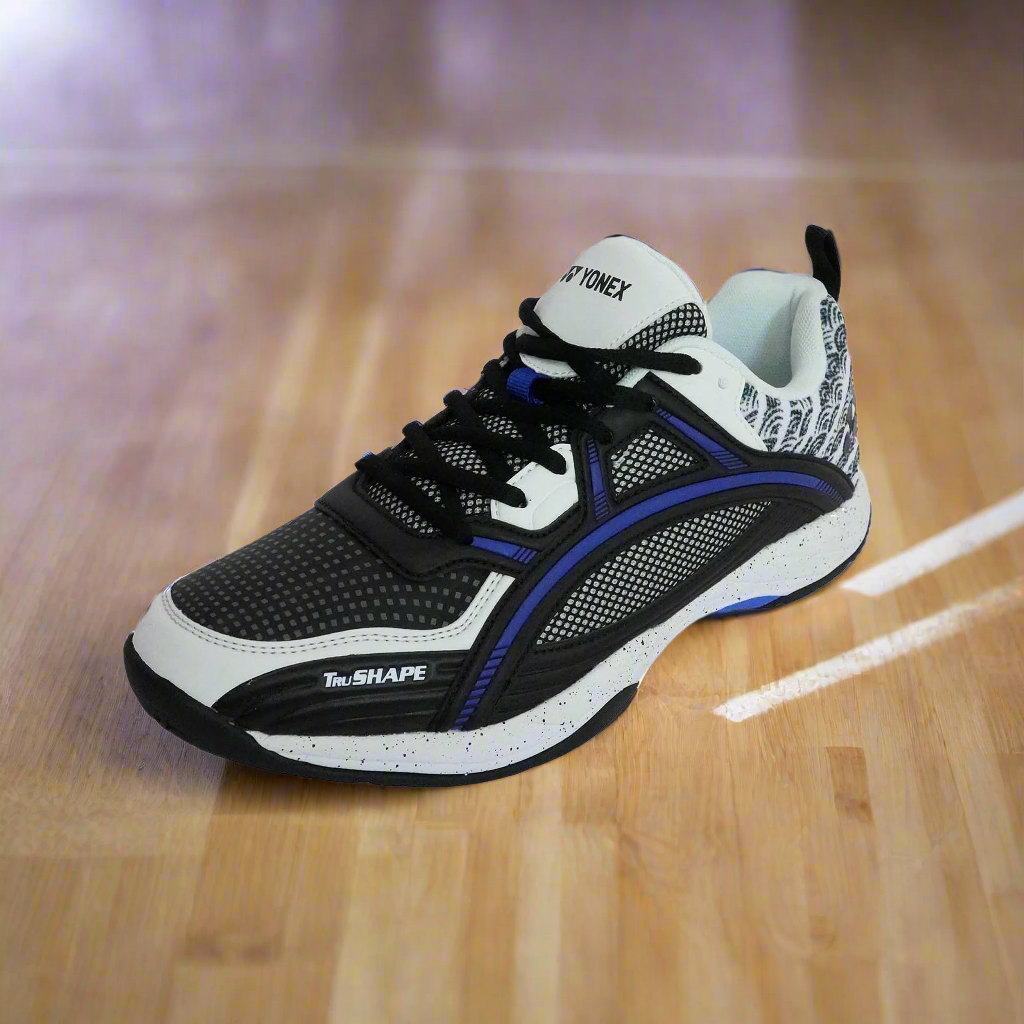
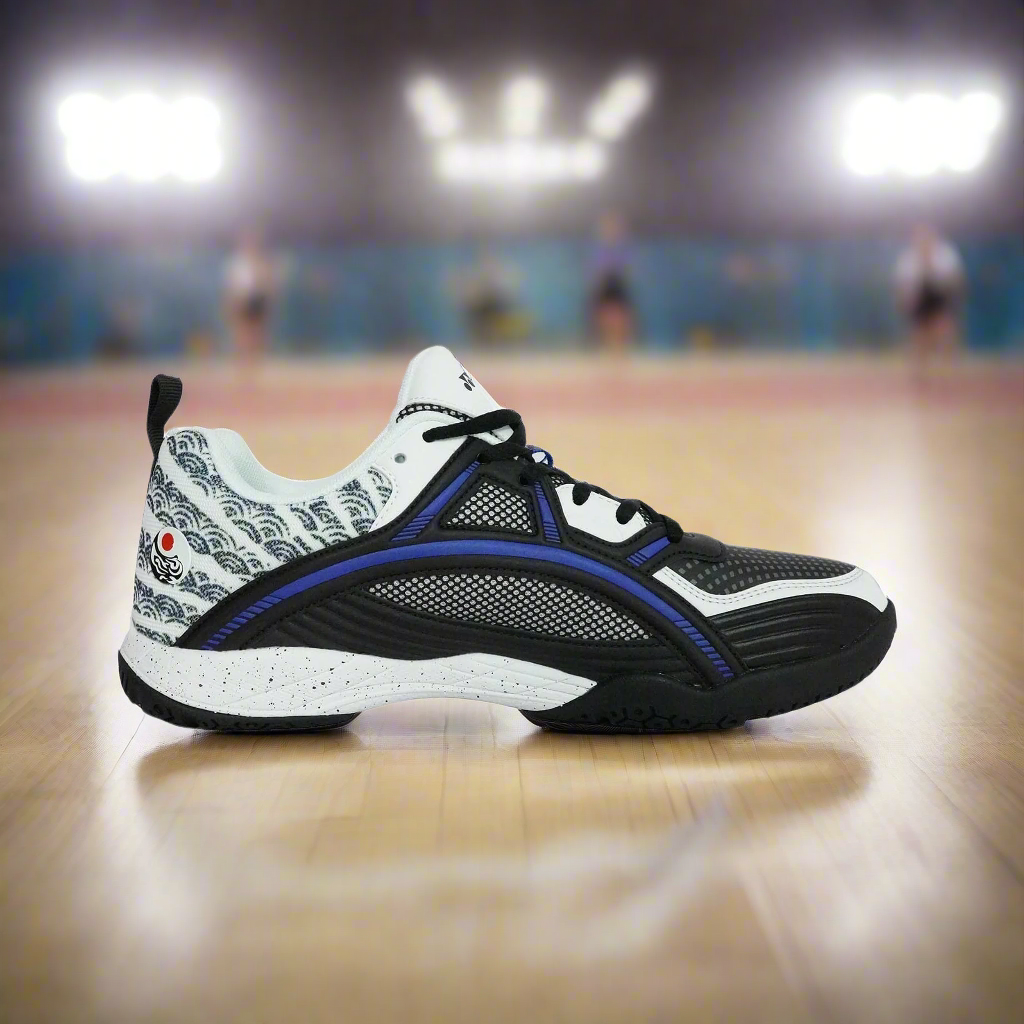
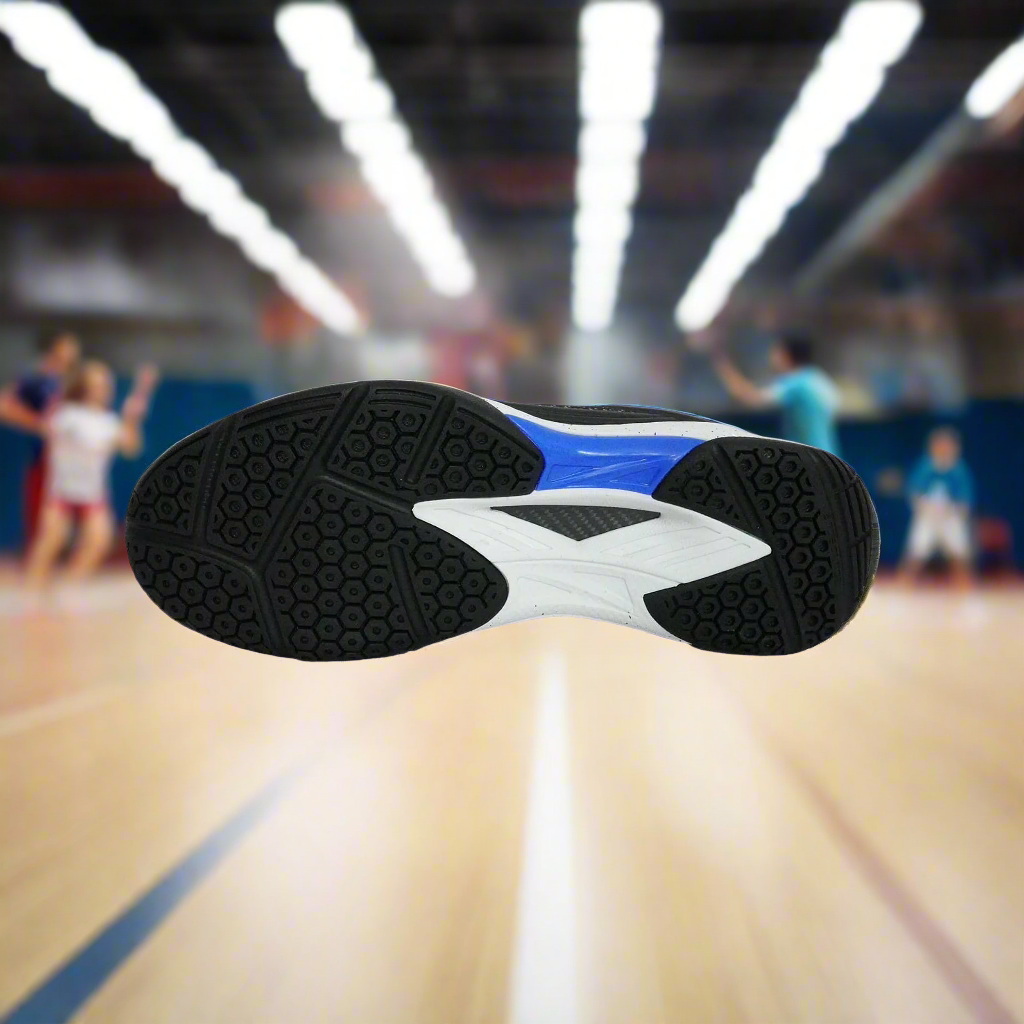
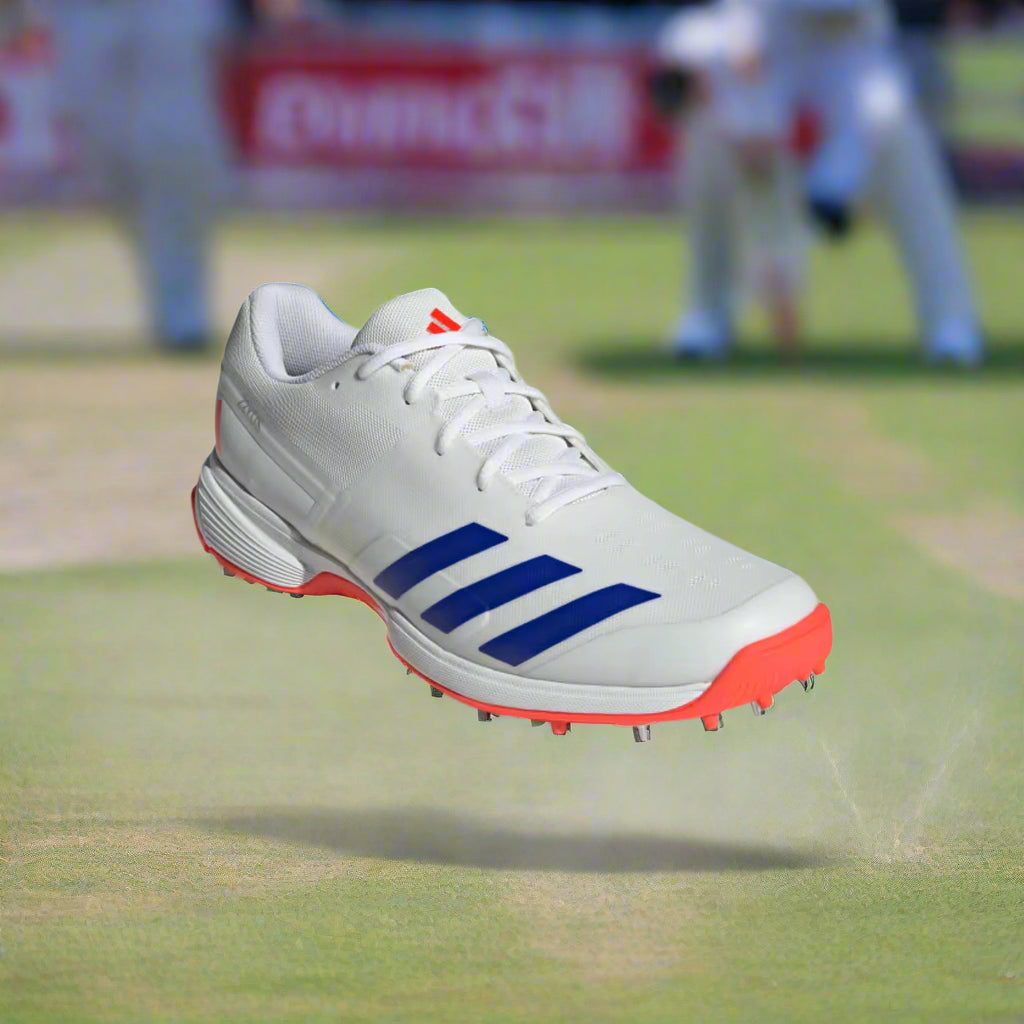
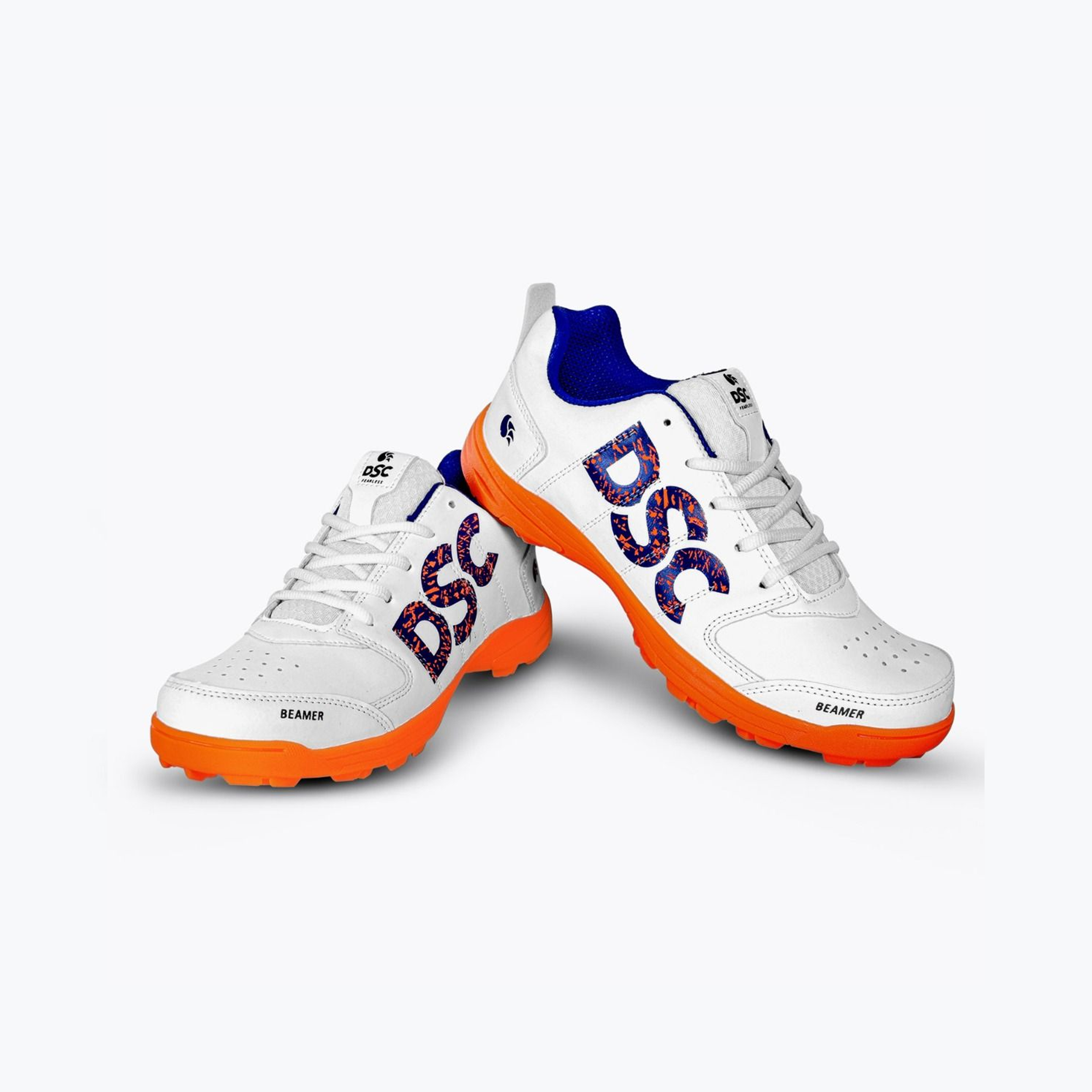
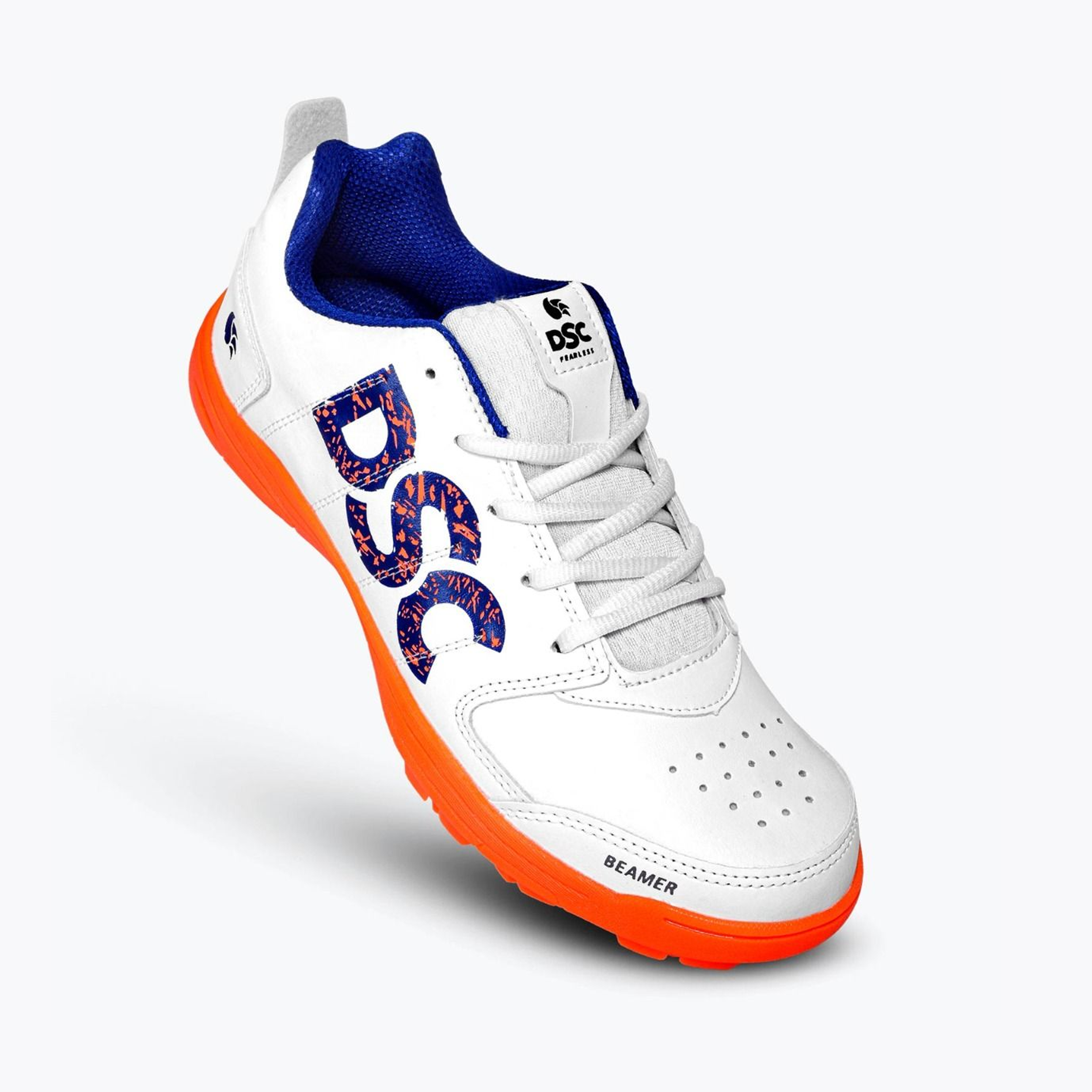
Remember, every stride you take in practice translates into confidence and precision during the game. So lace up those badminton shoes, and let’s get moving!









































































Share:
Shot Placement: Mastering Angles and Corners in Badminton
Punch Accuracy: Developing Precision and Targeting Skills in Boxing