

Doubles Strategy: Mastering Court Positioning and Team Dynamics in Tennis
As a seasoned coach guiding you through the subtleties of tennis doubles, I’m excited to dive into the essential strategies that will transform you and your partner from capable players to an intuitive, formidable team. Our journey begins with understanding the nuances of court positioning and the dynamics that can make or break a match.
Understanding the Court and Roles
First, let’s lay the groundwork. Unlike singles, doubles tennis requires you to be attuned not just to your movements but to your partner’s as well. Success lies in communication and understanding the court's geometry. Split into four primary roles—server, server’s partner, returner, and returner’s partner—you must hone the ability to switch roles fluidly based on the play’s progression.
The Gear & Setup
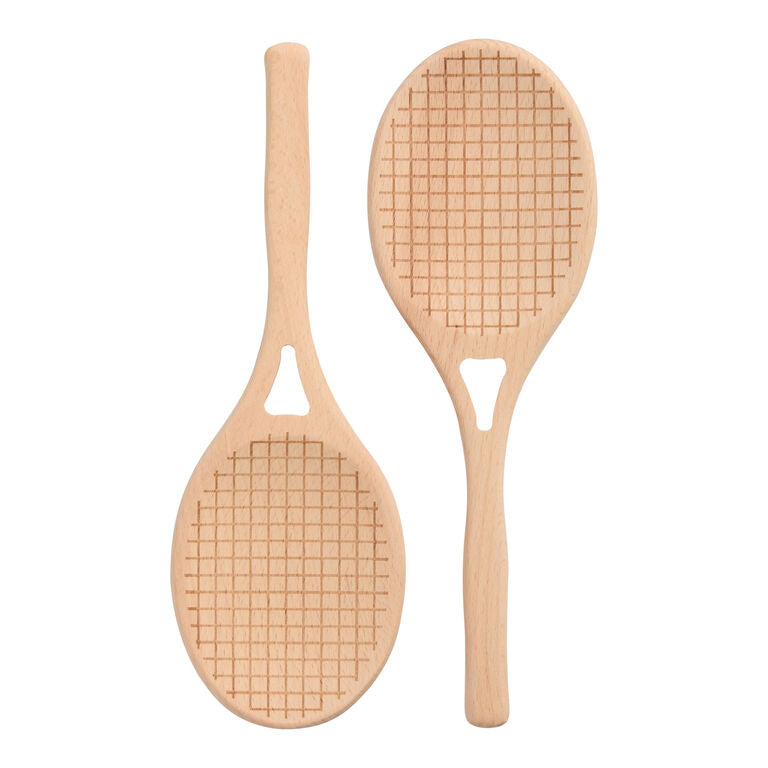
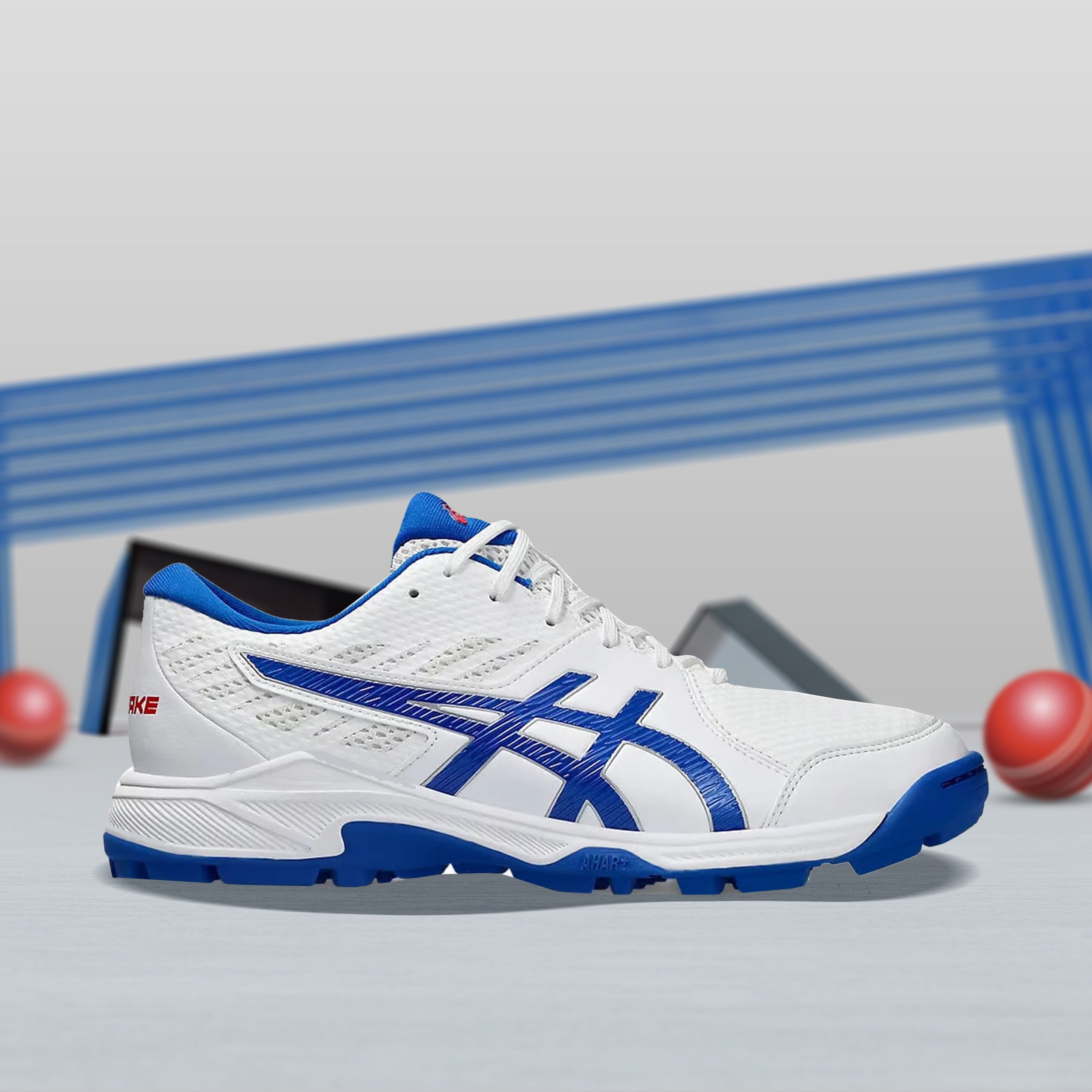
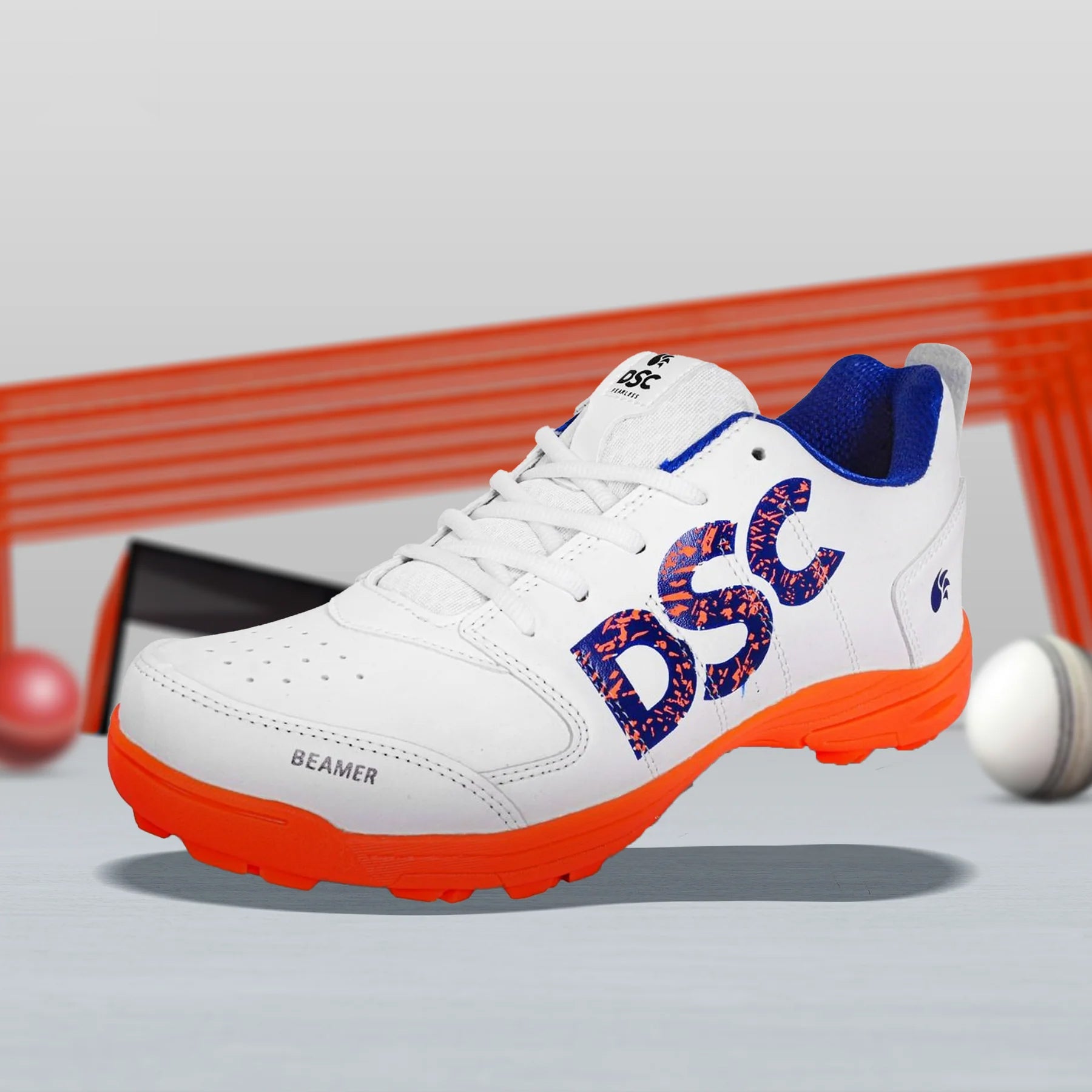
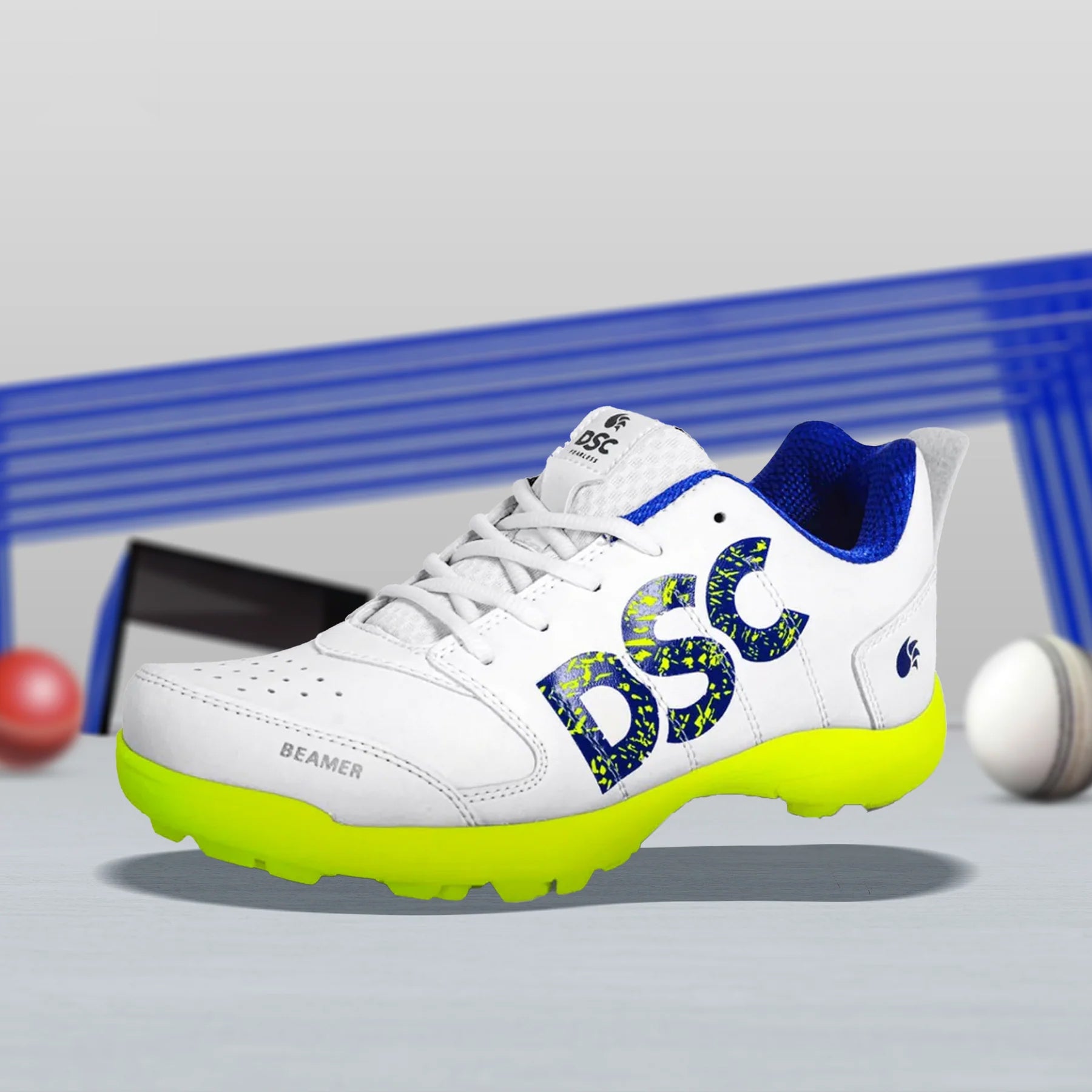
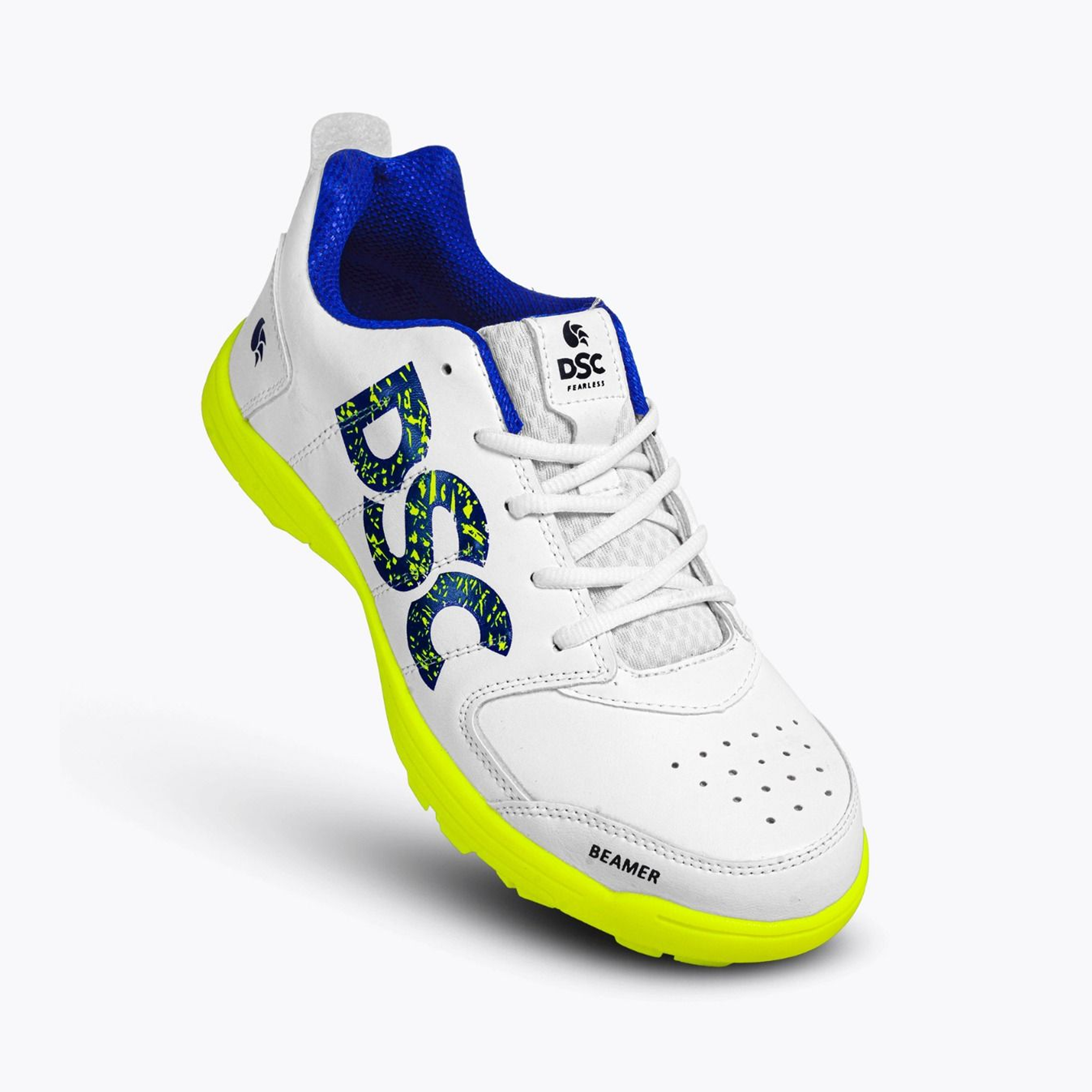
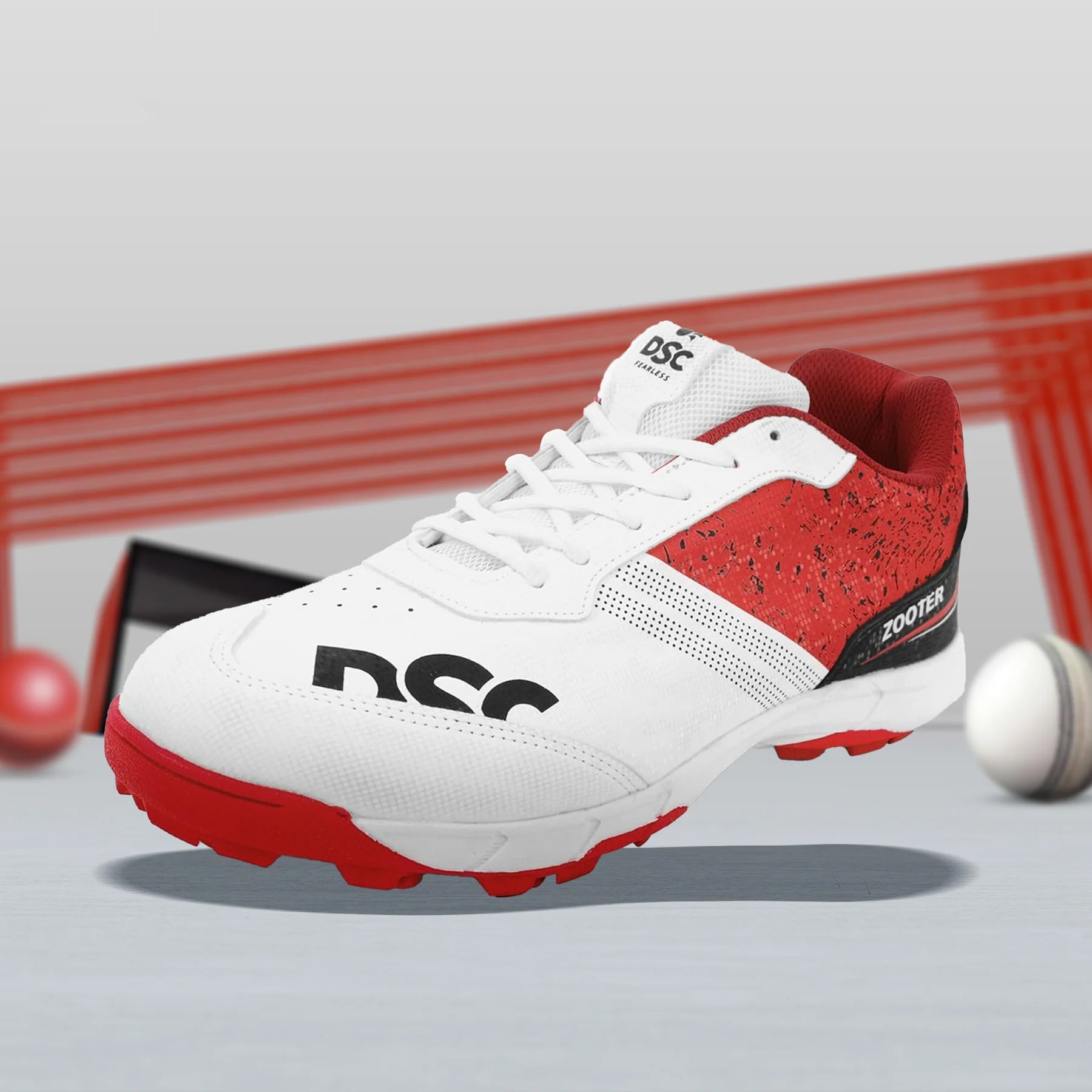
Every tennis player knows the importance of having a well-chosen tennis racket and proper tennis shoes. Ensure that your gear is doubles-specific and comfortable to aid dynamic movement and rapid directional changes.
Communication: The Secret Sauce
Effective communication is at the core of successful doubles play. From hand signals to verbal cues, establishing a clear method of communication with your partner will help ensure synchronicity. Discuss strategies during changeovers, and don’t be afraid to use your downtime between sets for strategizing and adjustments.
Mastering Positioning
Positioning on the court varies based on whether you’re the serving or receiving team. Let’s break down the basic formations:
- One-Up, One-Back: This is a versatile formation where one player stays at the baseline and the other at the net. It’s a balanced approach that combines offensive and defensive play.
- Both-Up: Particularly useful at net-based play, this formation applies pressure but requires strong volleys and anticipatory skills.
- Australian Formation: Shift both players to the same side of the court to cover angles creatively, catching opponents off guard, especially during serves.
Drills for Team Dynamics
Consistency in practice translates to confidence in competition. Here are some drills to enhance your doubles techniques:
| Drill | Description | Objective |
|---|---|---|
| Shadow Play | Without hitting a ball, mimic your partner's movements across the court. | Develops synergy and anticipatory skills. |
| Serve and Volley | Practice serving and immediately moving to the net to volley. | Improves net play and reactions after serving. |
| Poaching Practice | Work on sudden diagonal movements to intercept balls at the net. | Enhances net coverage and surprise factor. |
| Tactical Lob | Intentionally practice lobbing to move opponents and gain better positions. | Increases strategic thinking on positioning. |
Analyzing the Opponent
Observing opponent tendencies is key in dictating them into positions of disadvantage. Does the opponent struggle with cross-court returns or have a weaker backhand volley? Make note of these quirks and strategize accordingly.
In Conclusion
Achieving mastery in doubles play demands more than just skill—it calls for an in-depth understanding of positioning and interplay dynamics. Through practice, superior communication, and strategic acumen, you and your partner can tighten the strings of teamwork to outmaneuver any competition. So, gear up with your trusty tennis racket, and embrace the symphony that is doubles tennis.

































































































Share:
Mental Toughness: Building Resilience and Focus for Competitive Edge in Tennis
Spin Techniques: Mastering Different Types of Spin for Enhanced Ball Control and Strategies in Table Tennis