
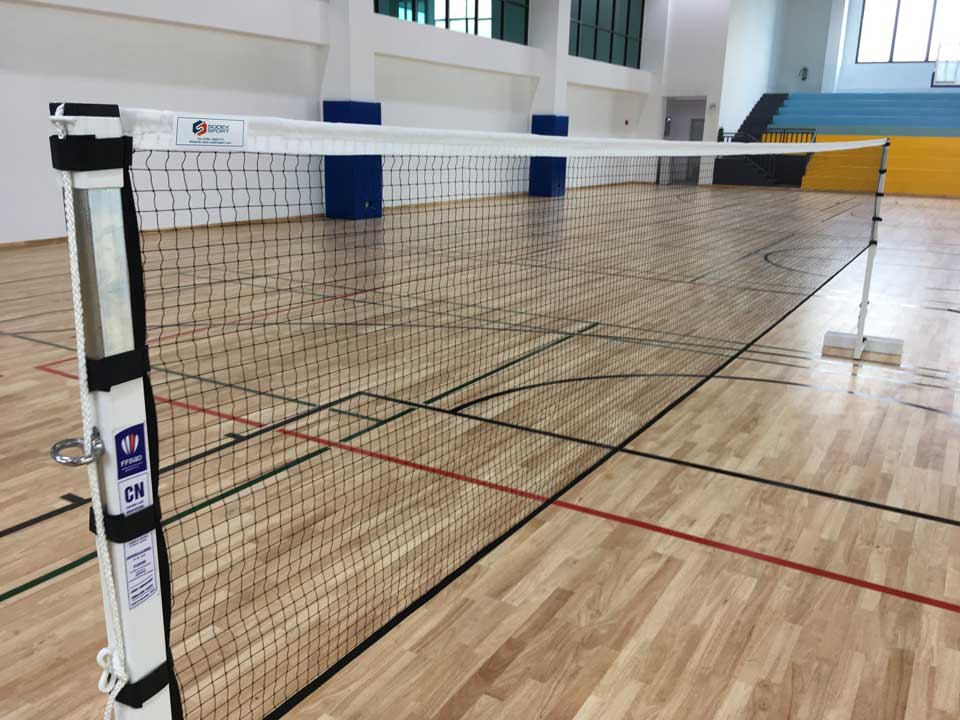
As a master coach, I've spent years honing the skills of athletes on the badminton court, constantly striving to perfect one of the most critical components of the game: footwork. It's not just about speed; it's about being deliberate, effective, and strategic in your movements. Today, I invite you into my Mistake Clinic, where we identify common footwork pitfalls and convert them into opportunities for you to fine-tune your game.
Understanding the Importance of Footwork
In badminton, footwork is the backbone of every stroke and rally. Poor footwork not only restricts your reach but can undermine the effectiveness of your shots in both defense and attack. Mastering footwork allows you to maintain balance, conserve energy, and dominate the court.
The Mistake Clinic
Through countless hours of coaching, I've identified recurring footwork mistakes that players often make. By recognizing these, you can enhance your own court coverage and positioning.
Mistake 1: Inefficient Movement
Many players fall into the trap of moving too much or too little. Efficient movement isn't about speed; it's about positioning your body to make each shot with optimal strength and precision. Remember, excessive movement can waste energy, while insufficient movement can lead to missed opportunities.
Correction:
Focus on minimizing steps by emphasizing a split step, which involves a small hop to prepare yourself for movement in any direction. This helps in maintaining your readiness and balance.
Mistake 2: Incorrect Foot Placement
Foot placement is vital when it comes to maintaining balance and generating power. Improper placement often results in weak shots and increased recovery time. For example, turning your feet outward rather than keeping them parallel can disrupt your stance.
Correction:
Ensure that your feet are always aligned with your target direction, especially during lunges and jumps. Practice lunge steps with proper foot alignment to reinforce good habits.
Mistake 3: Neglecting the Non-dominant Foot
Your non-dominant foot is crucial for balance and stability. Players commonly underutilize it, causing slower movement recovery and limiting directional changes.
Correction:
Engage your non-dominant foot actively in your footwork drills. Use it to pivot, push off, and stabilize, ensuring your movements are controlled and balanced.
Drills for Improvement
Consistent practice of specific drills can significantly enhance your footwork. Here are some drills to incorporate into your training regimen:
| Drill | Description | Focus |
|---|---|---|
| Shadow Footwork | Simulate match conditions without the shuttle, moving across the court as if responding to shots. | Speed and positioning |
| Lunge Practice | Repeated lunging movements to practice foot placement and balance. | Strength and balance |
| Split Step Drill | Perform consistent split steps by jumping slightly and landing on the balls of your feet. | Readiness and energy conservation |
| Agility Ladder | Use an agility ladder to perform quick footwork drills that enforce coordination and speed. | Coordination and speed |
Conclusion
As you refine your footwork techniques, remember that mastery comes from practice, observation, and correction. Be patient and diligent, and keep revisiting these fundamentals, making adjustments as needed. With deliberate and effective footwork, you'll find your court coverage and positioning reaching new heights, empowering every aspect of your game.







































































Share:
Mental Resilience in Boxing: Developing Psychological Toughness for Competitive Success
Mastering Shooting Techniques: Enhancing Accuracy and Consistency in Basketball