

Greetings, fellow running enthusiasts! Embarking on the journey to refine your running form is akin to embarking on an artful endeavor into the world of optimized movement. Today, I'll guide you through the minutiae of enhancing your stride mechanics for better efficiency and speed. The magic lies not just in your legs powering you forward but in the holistic symphony of conscious movement.
The Gear & Setup Guide
Before we plunge into the technicalities of stride mechanics, let us first lay the foundation with the right gear and setting. Reliable gear significantly influences your performance, just like a well-tuned instrument can elevate a melody.
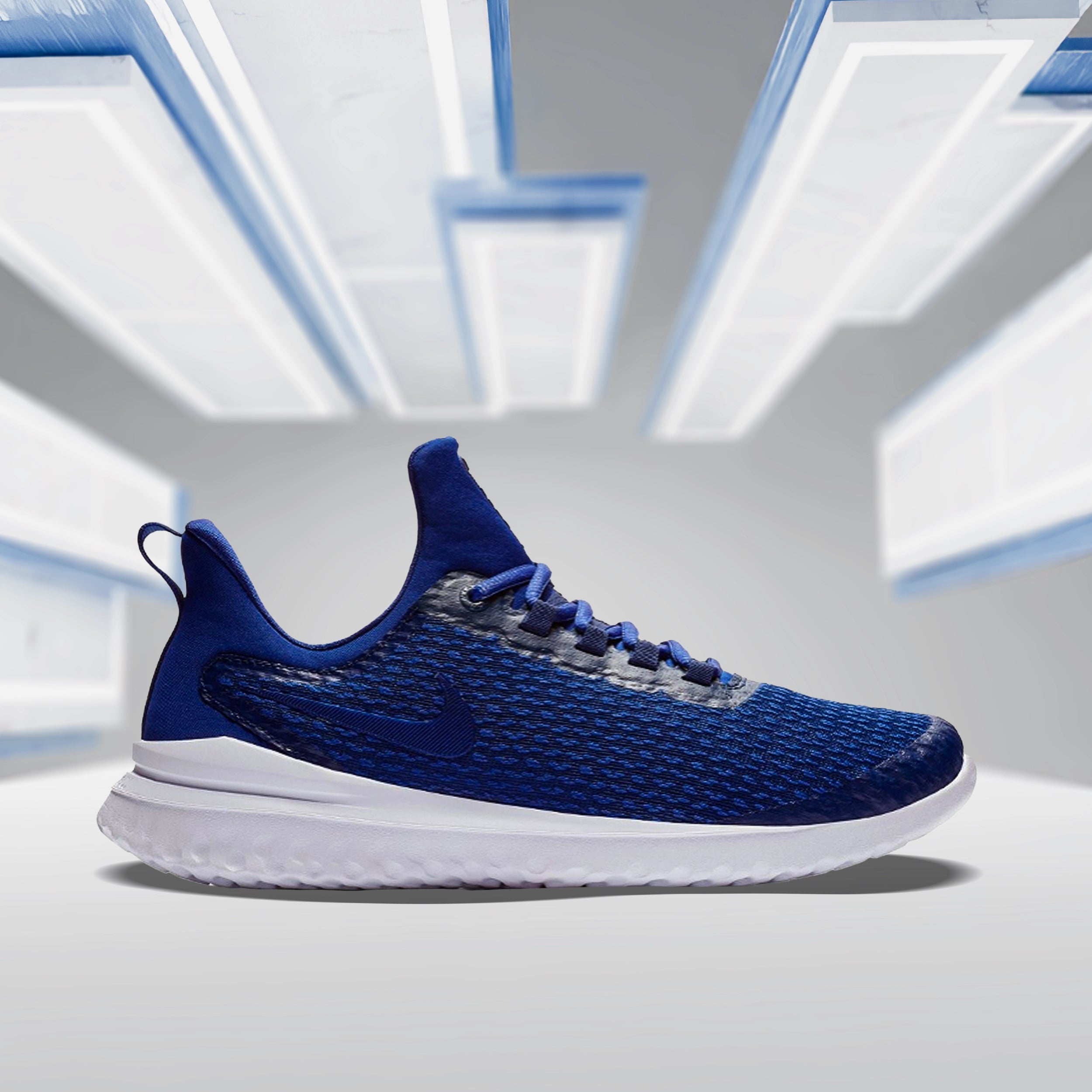
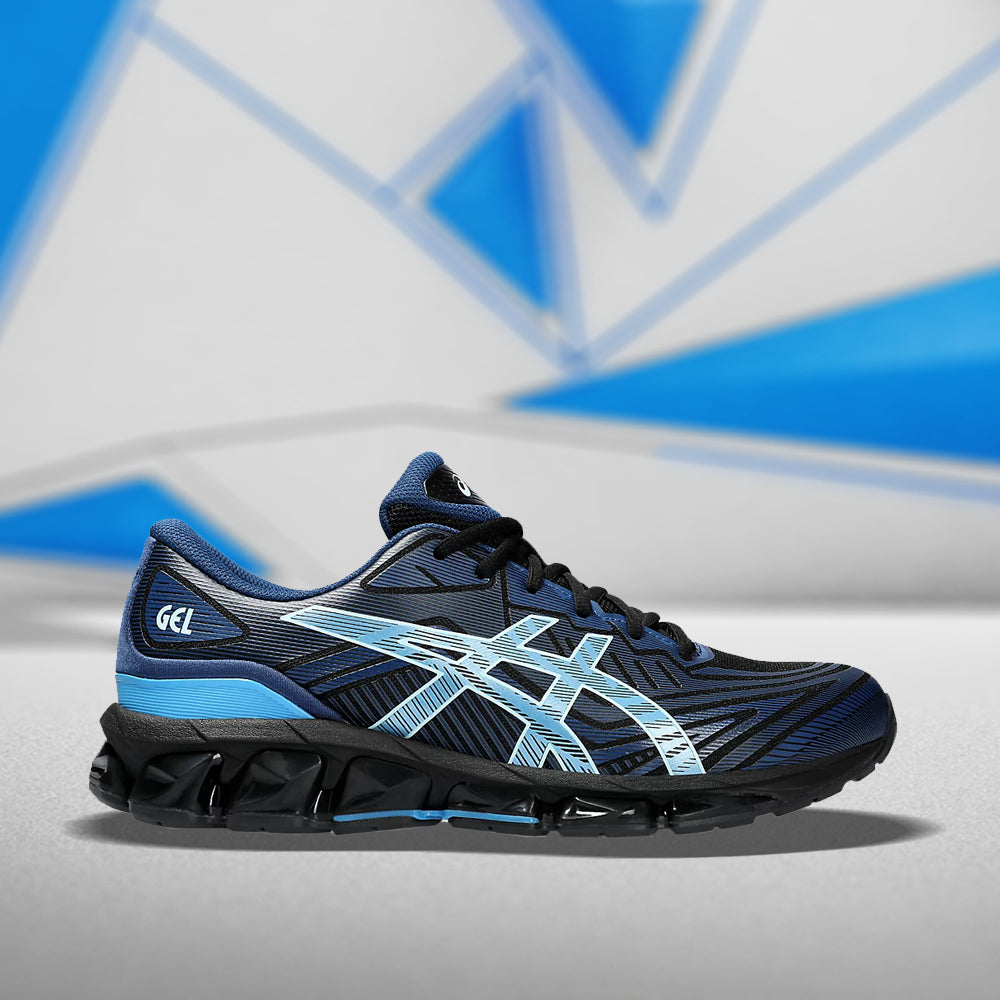
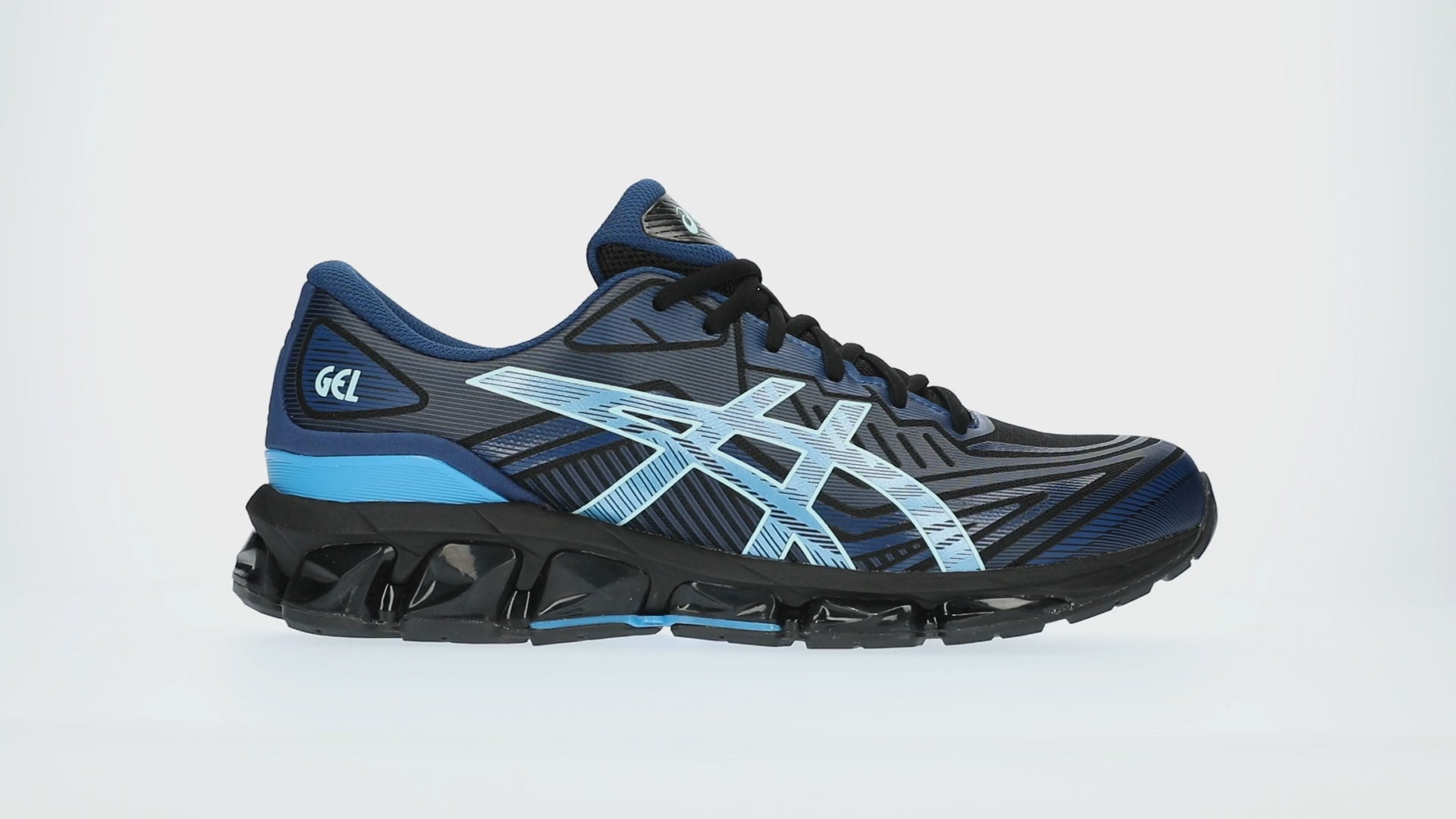
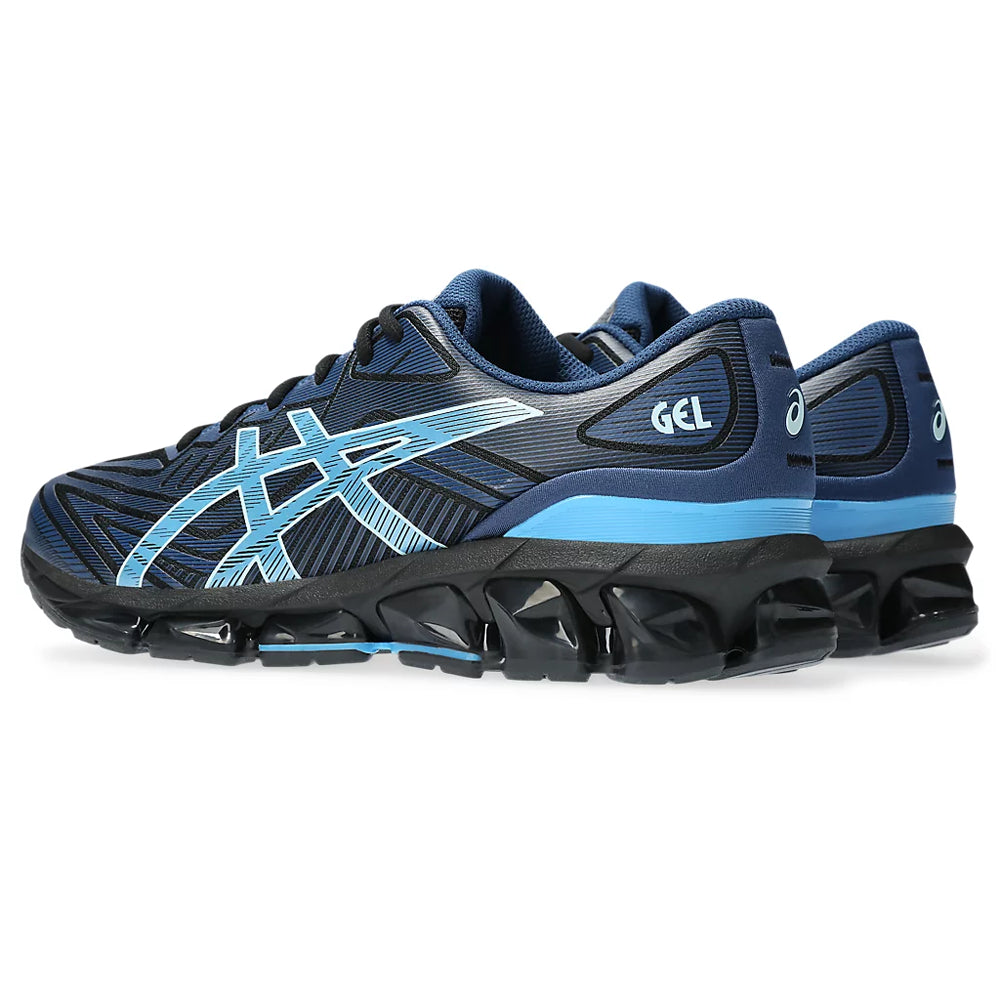
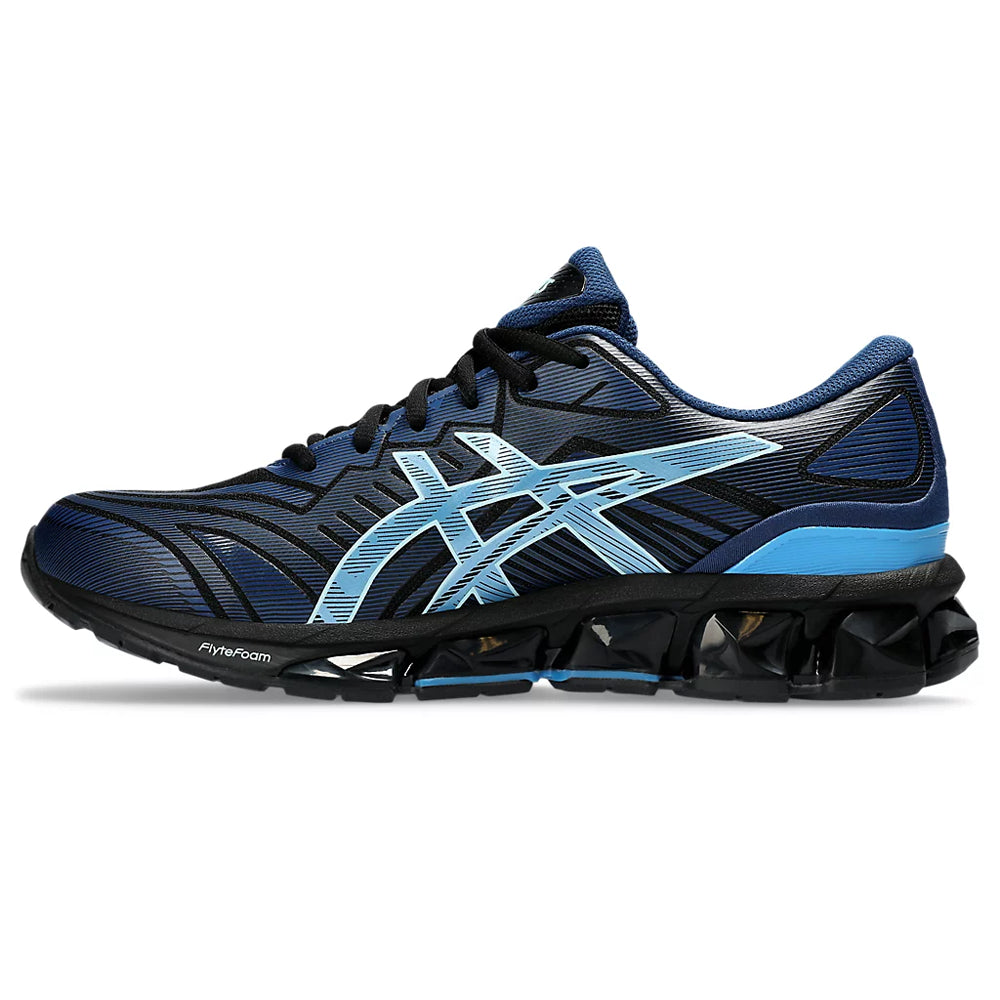
Running Shoes
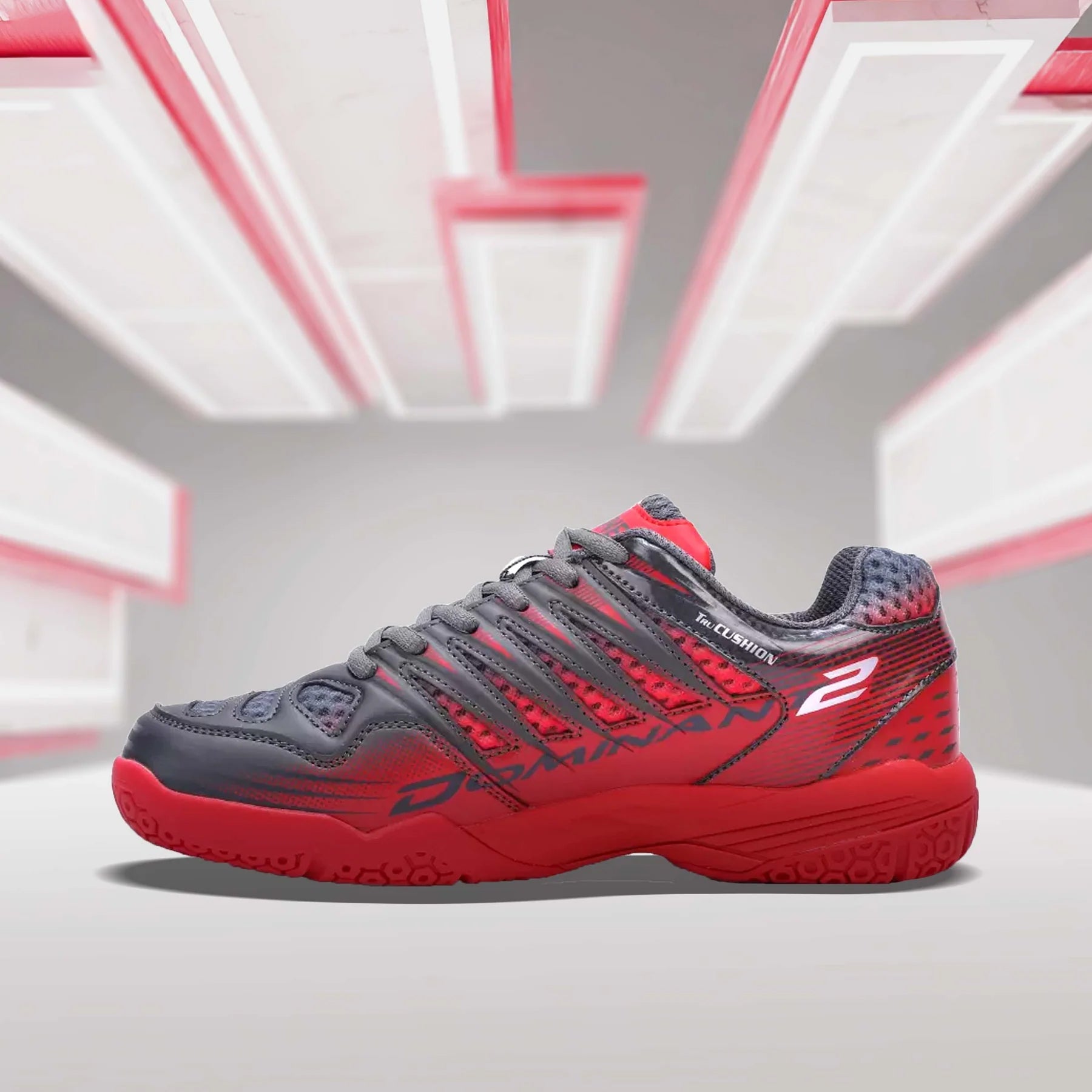
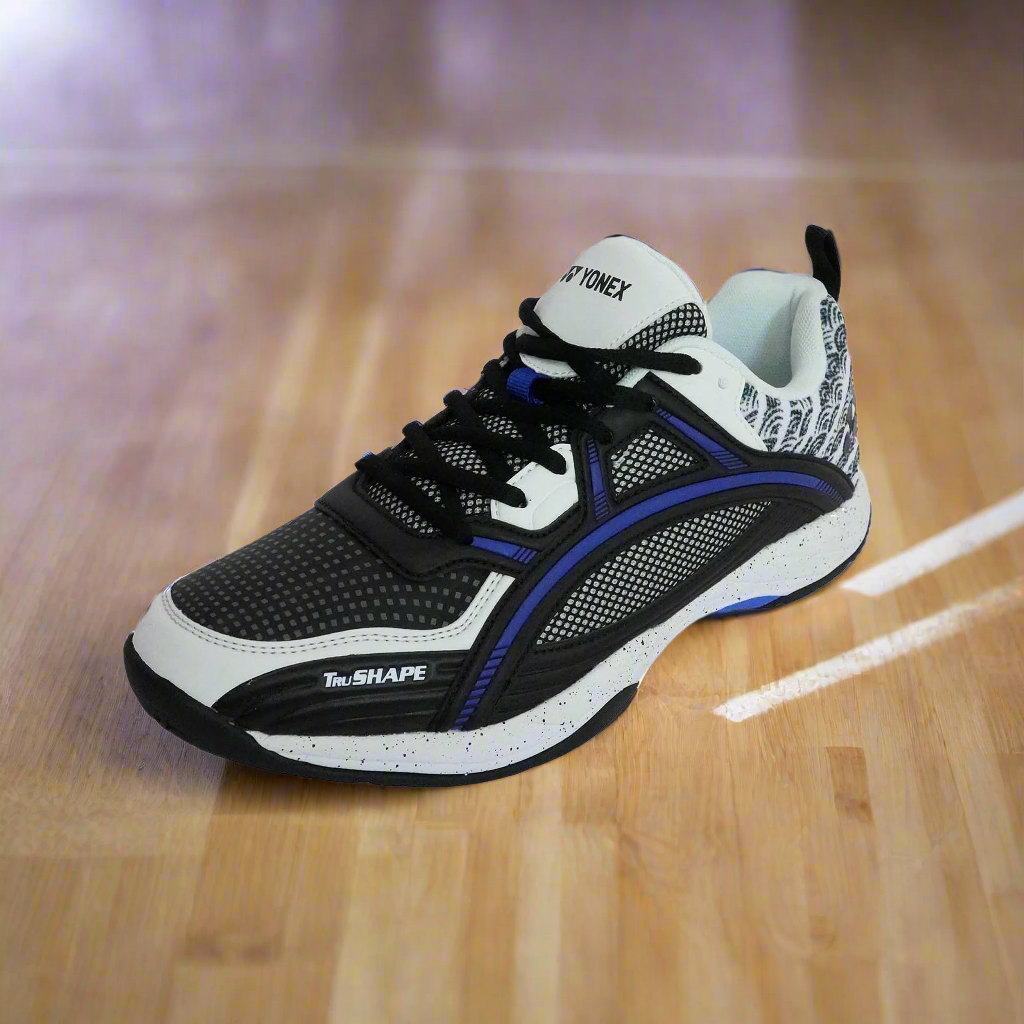
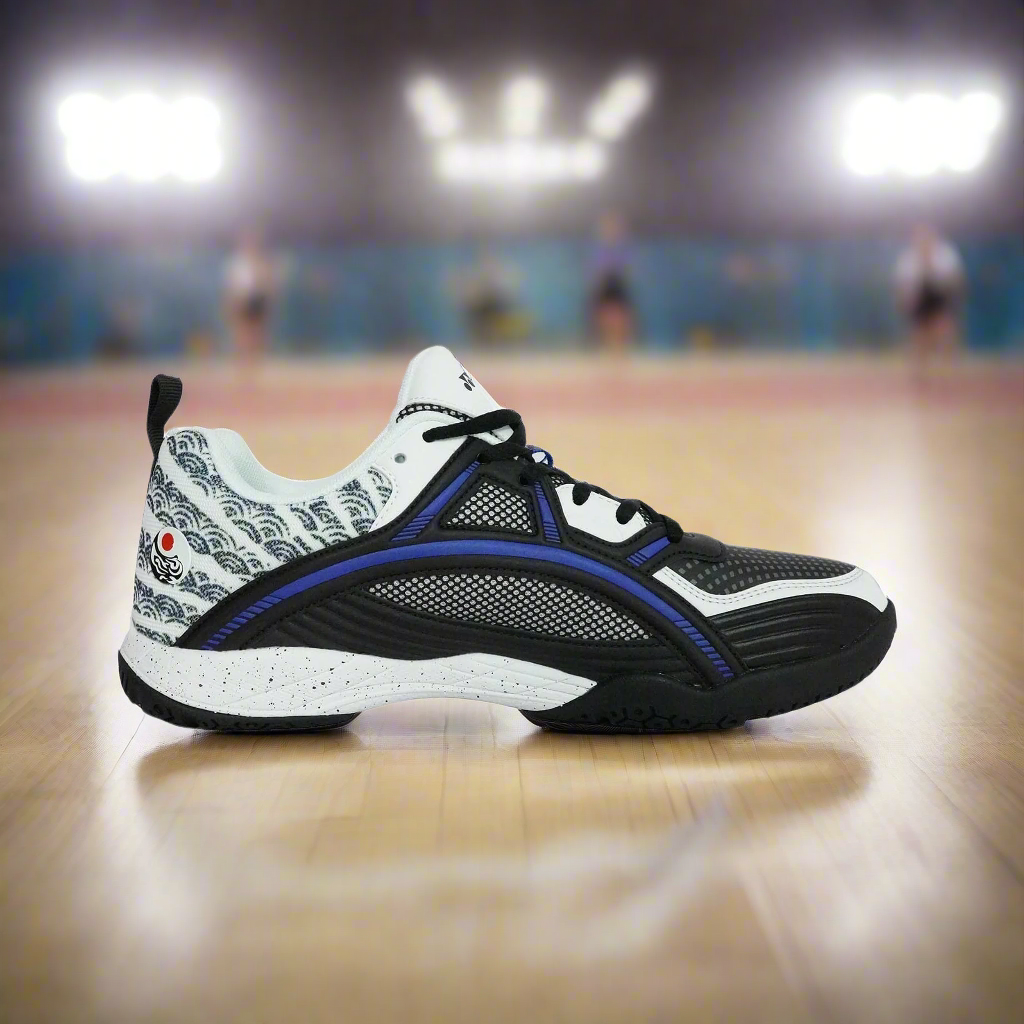
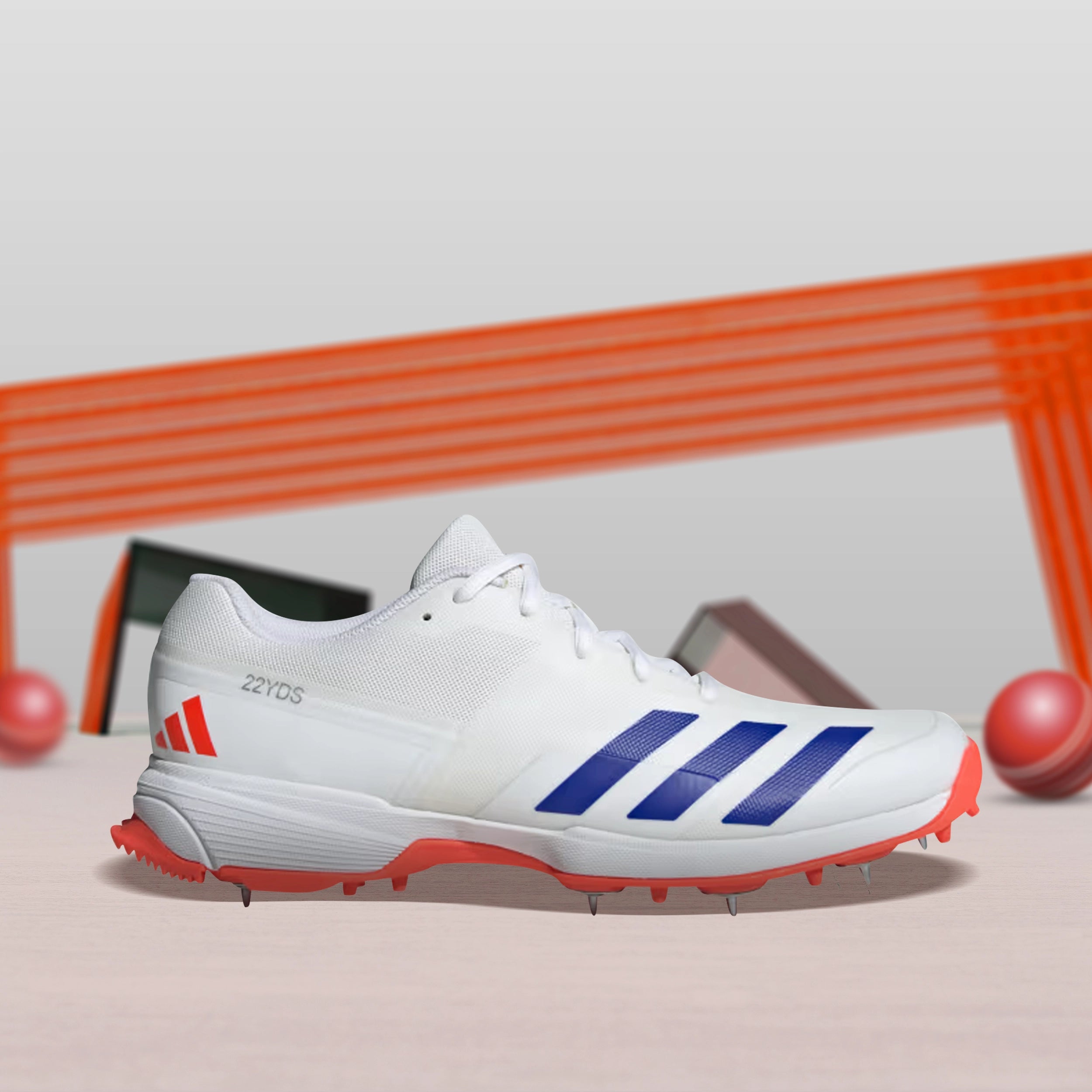
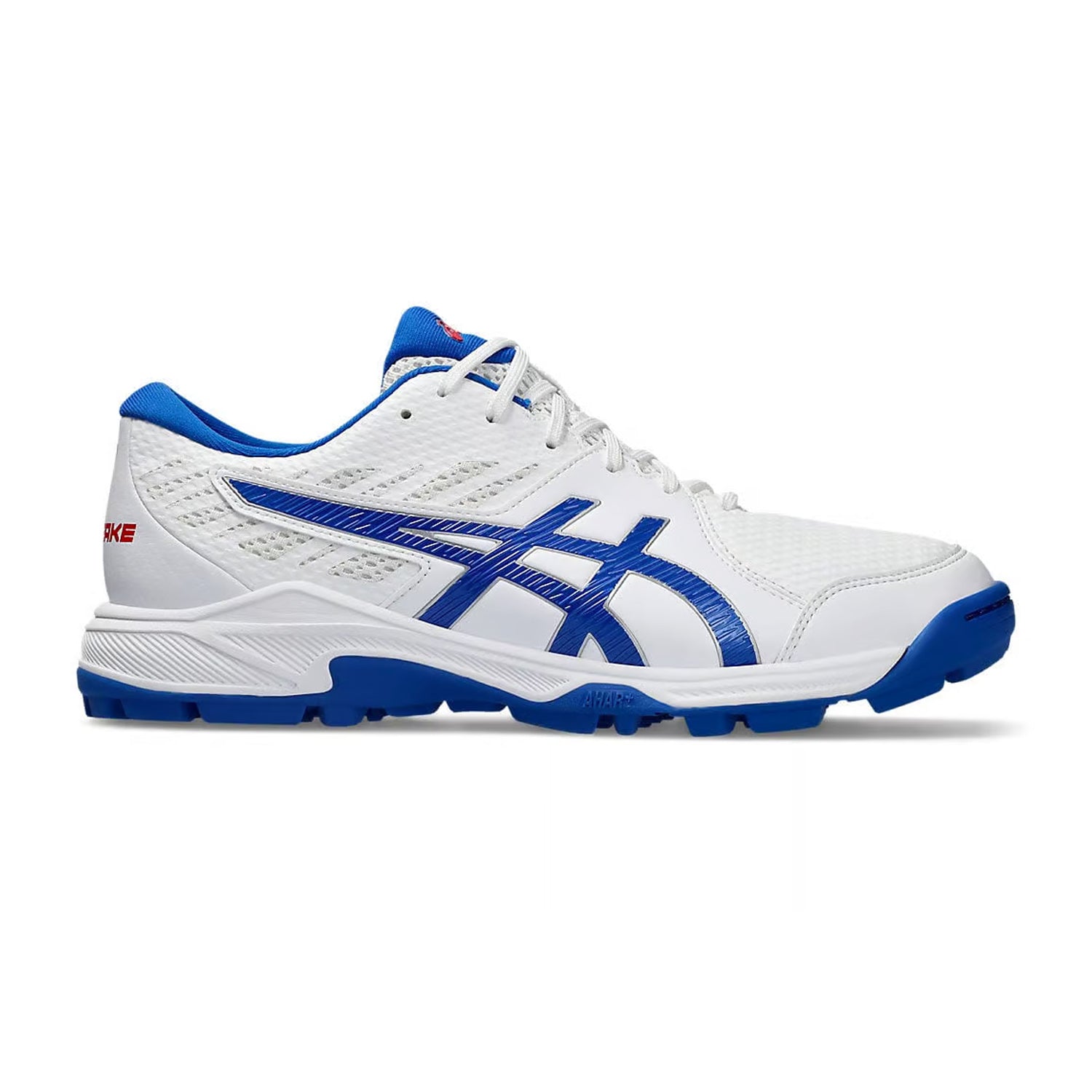
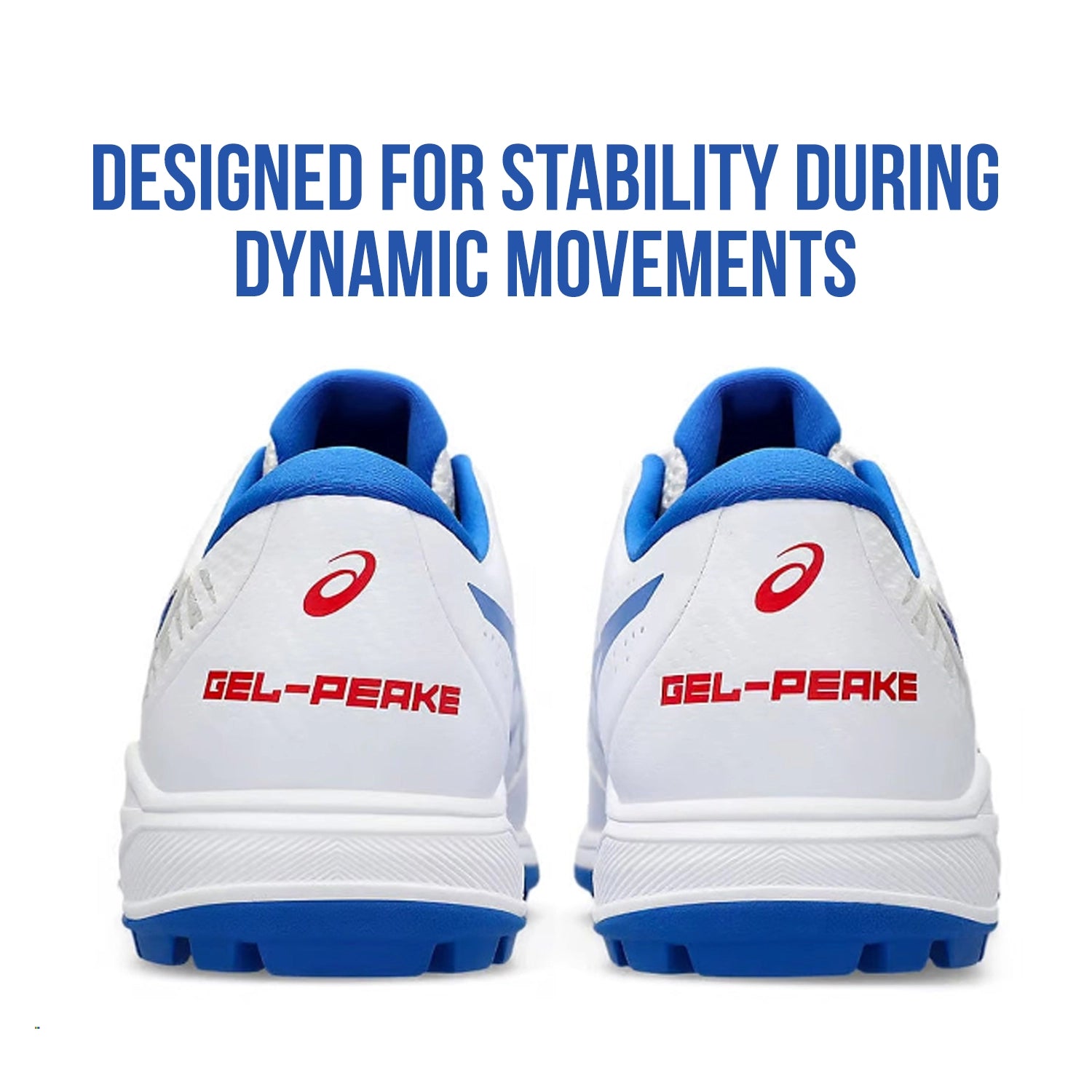
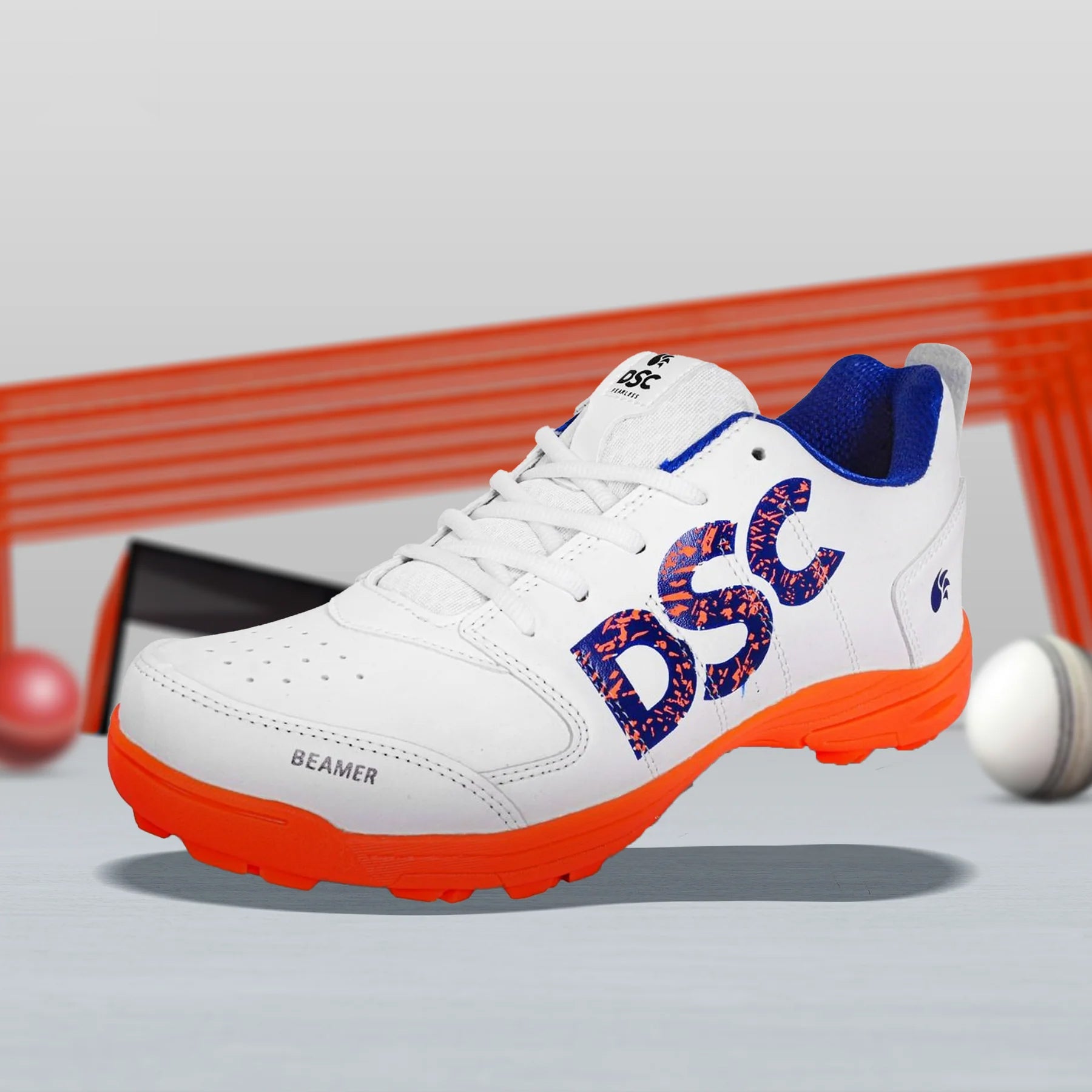
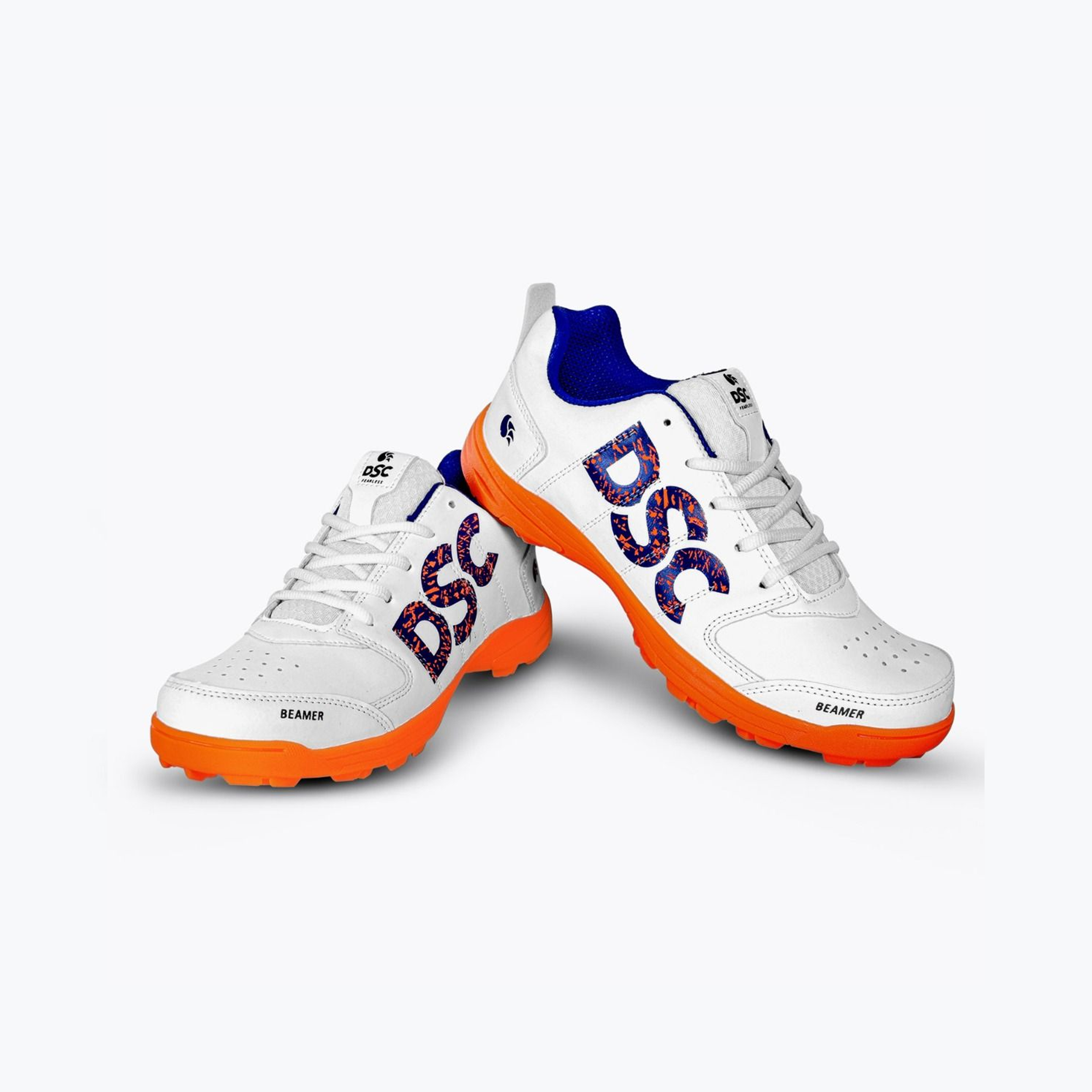
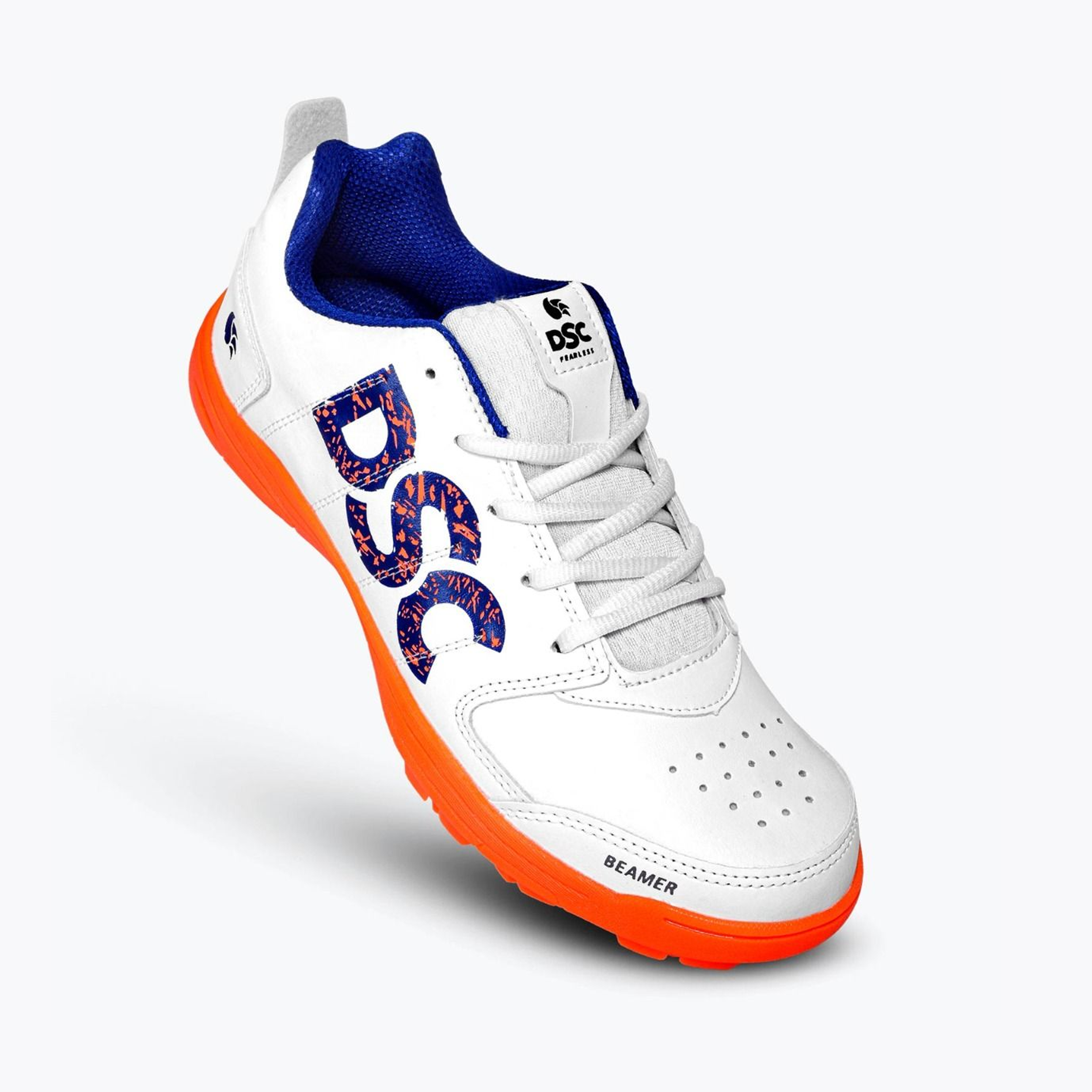
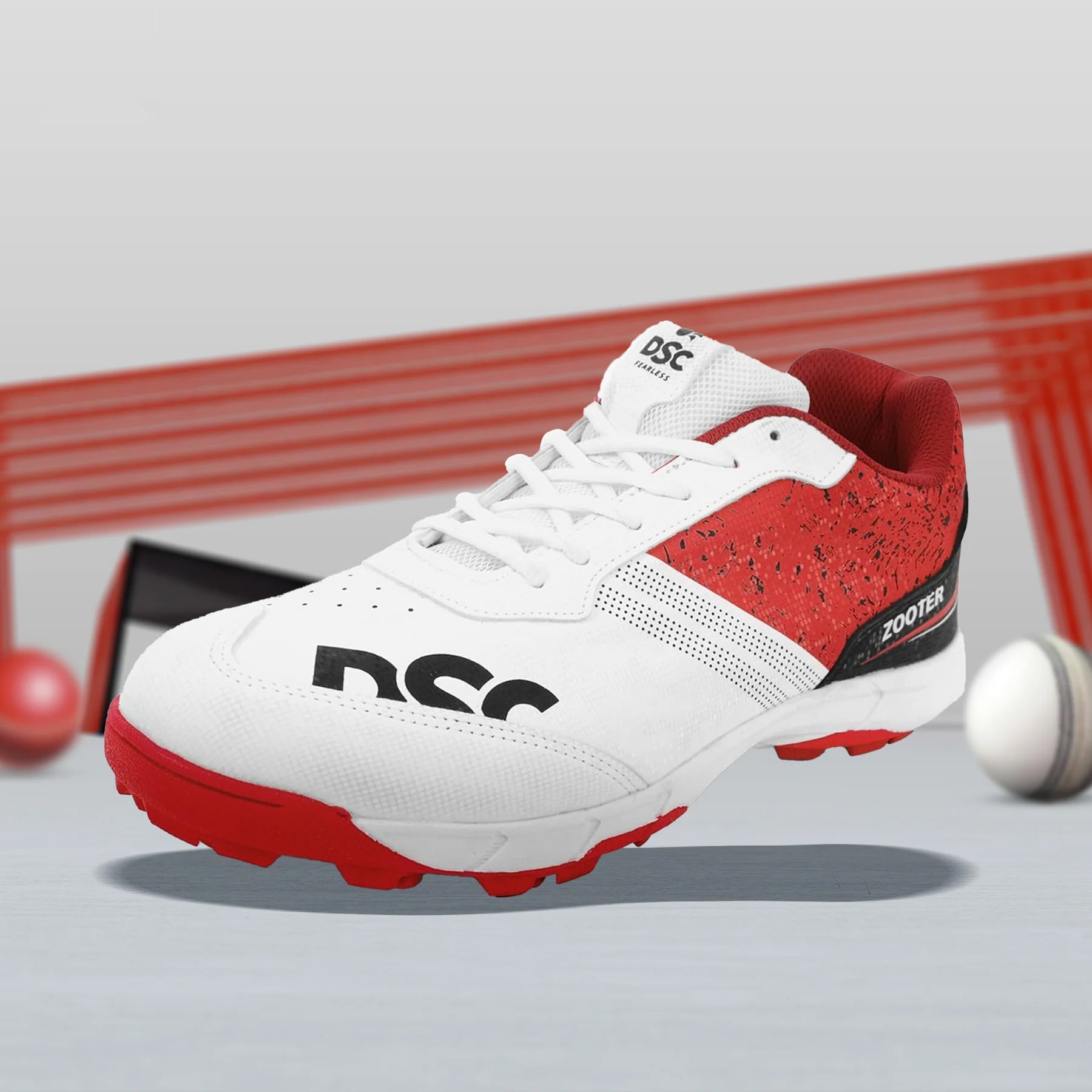
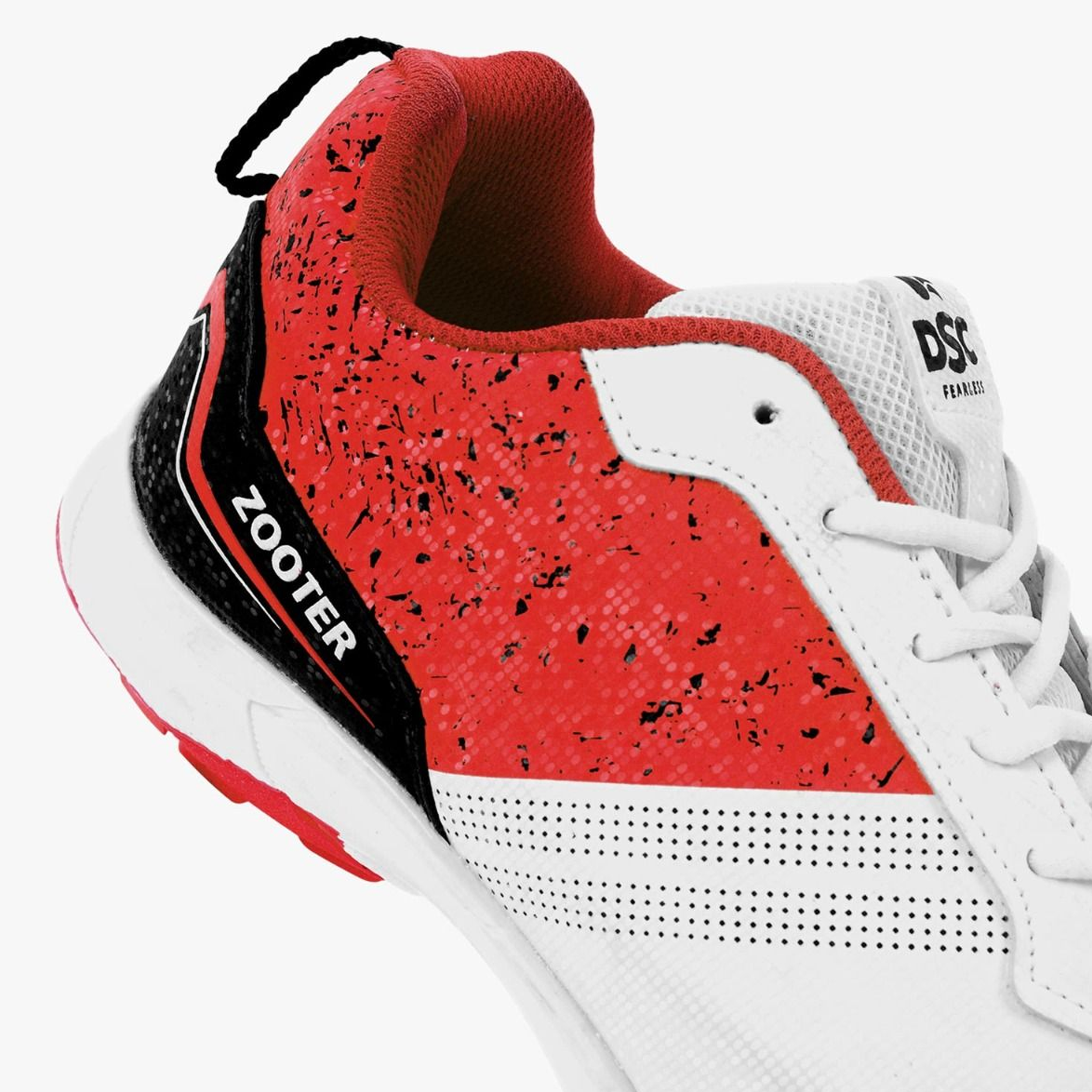
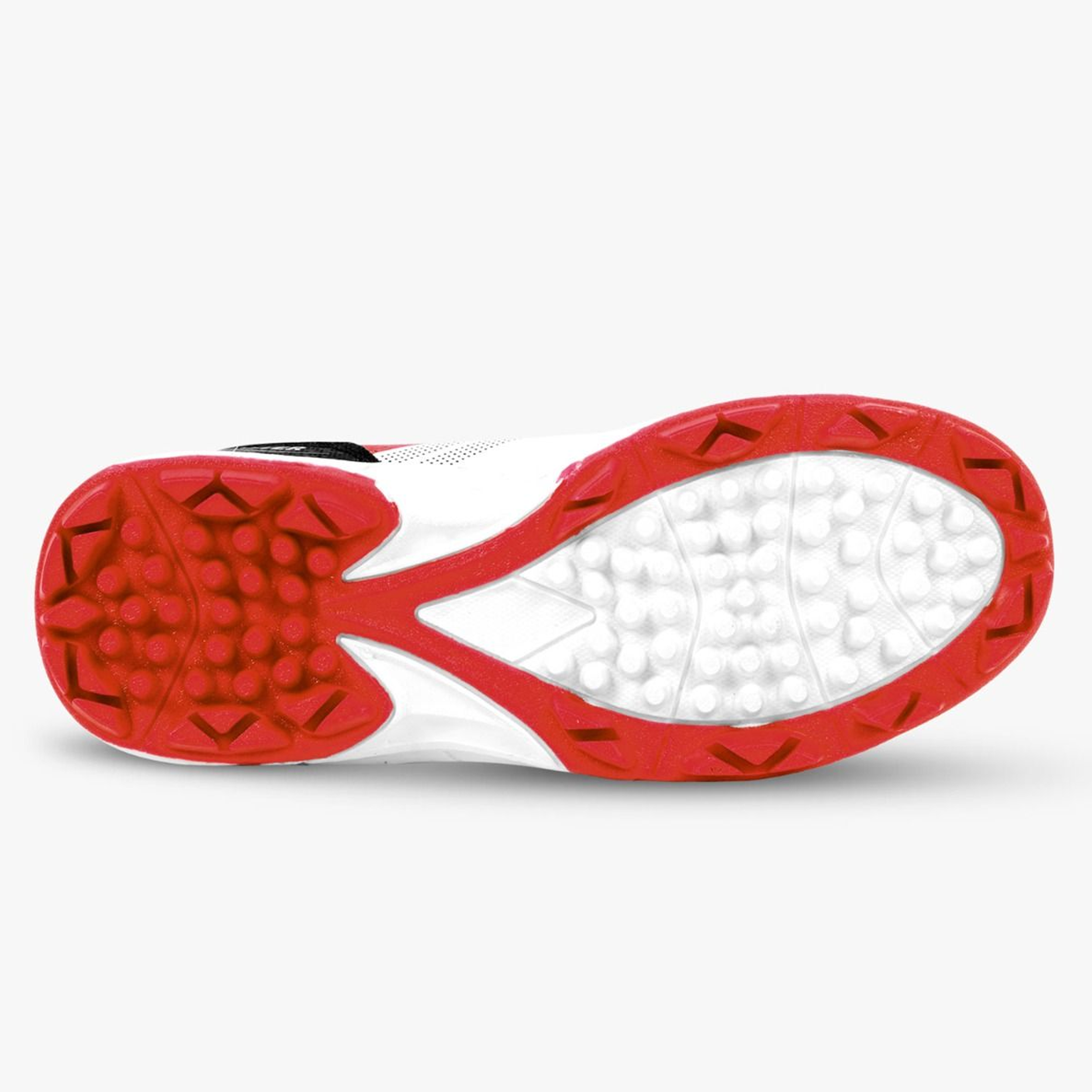
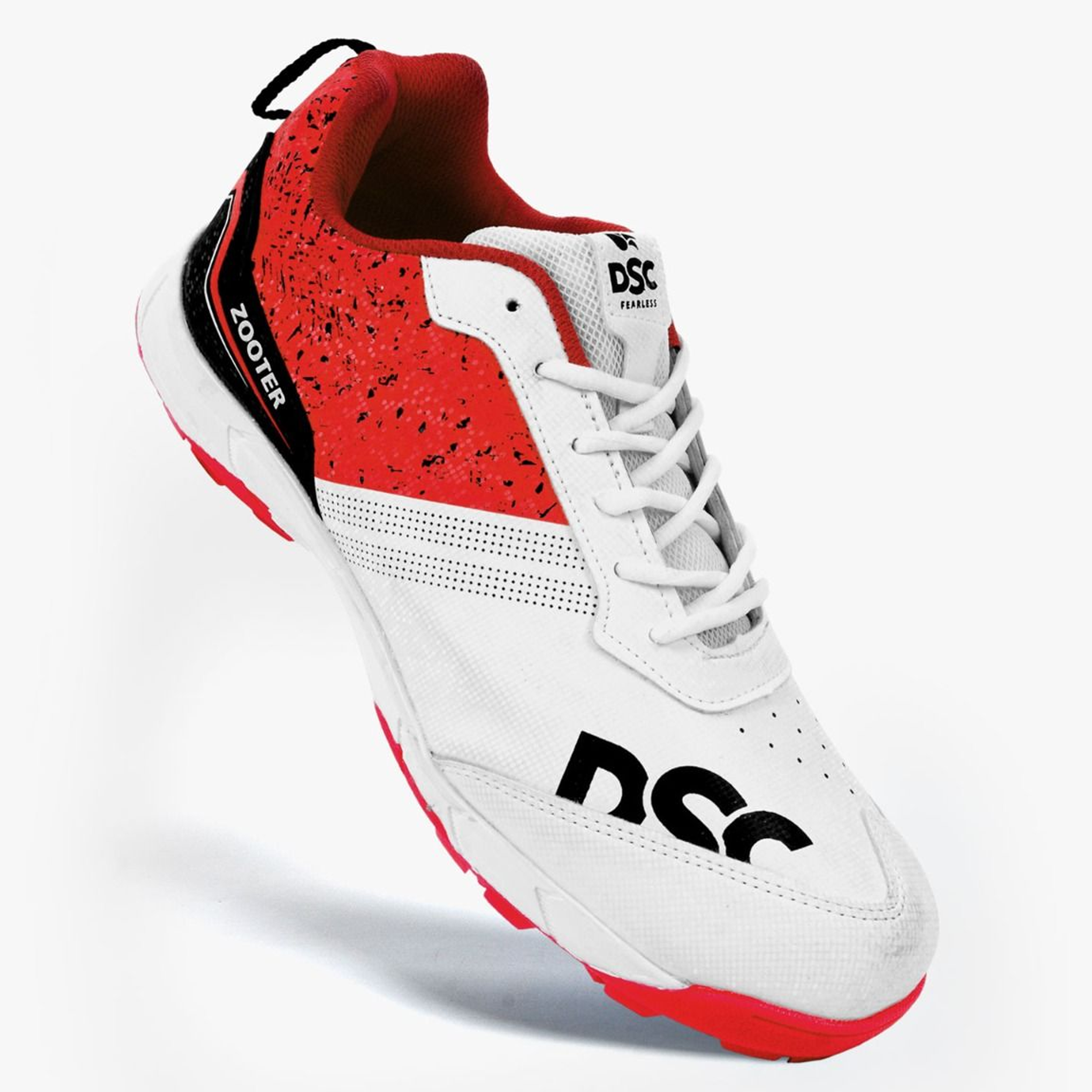
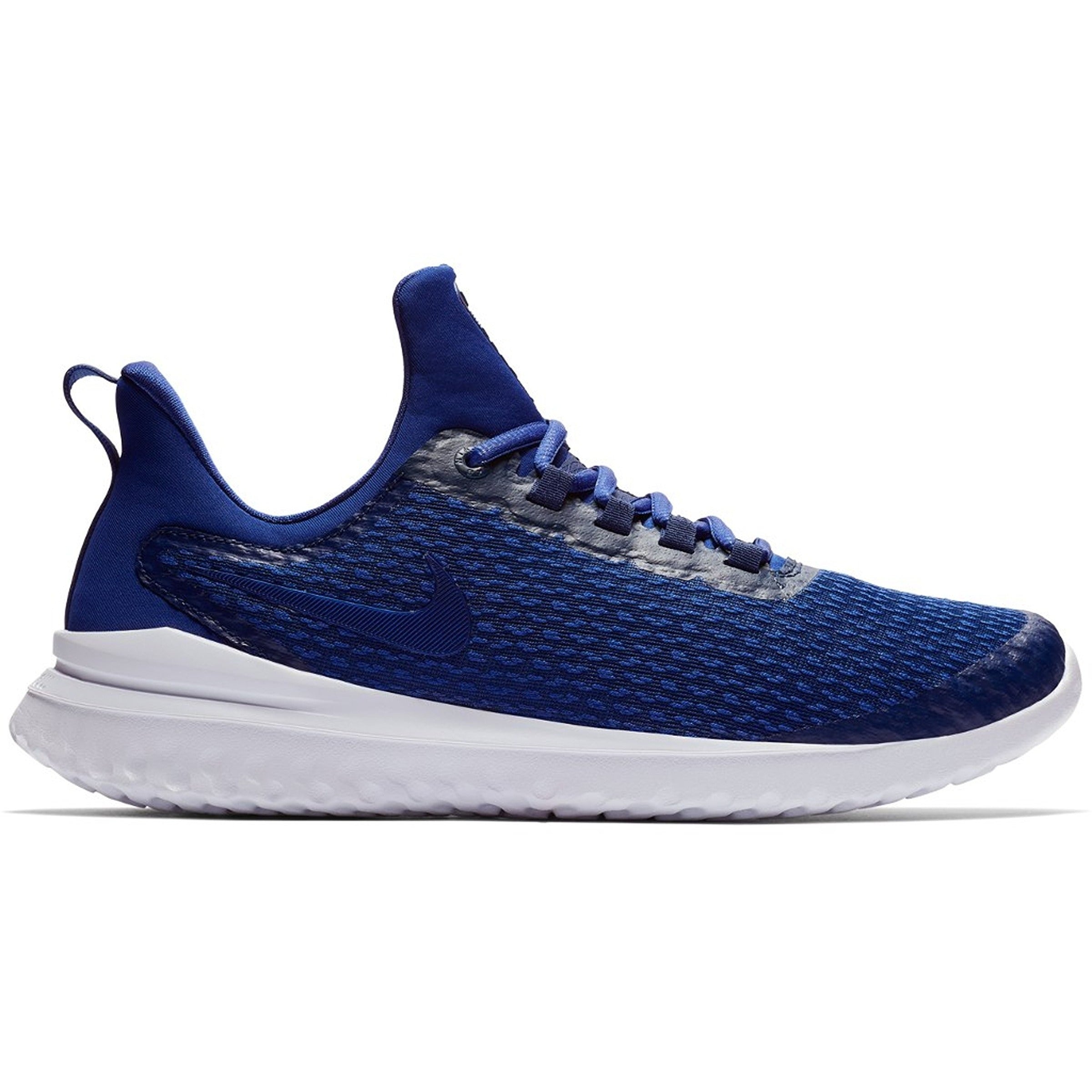
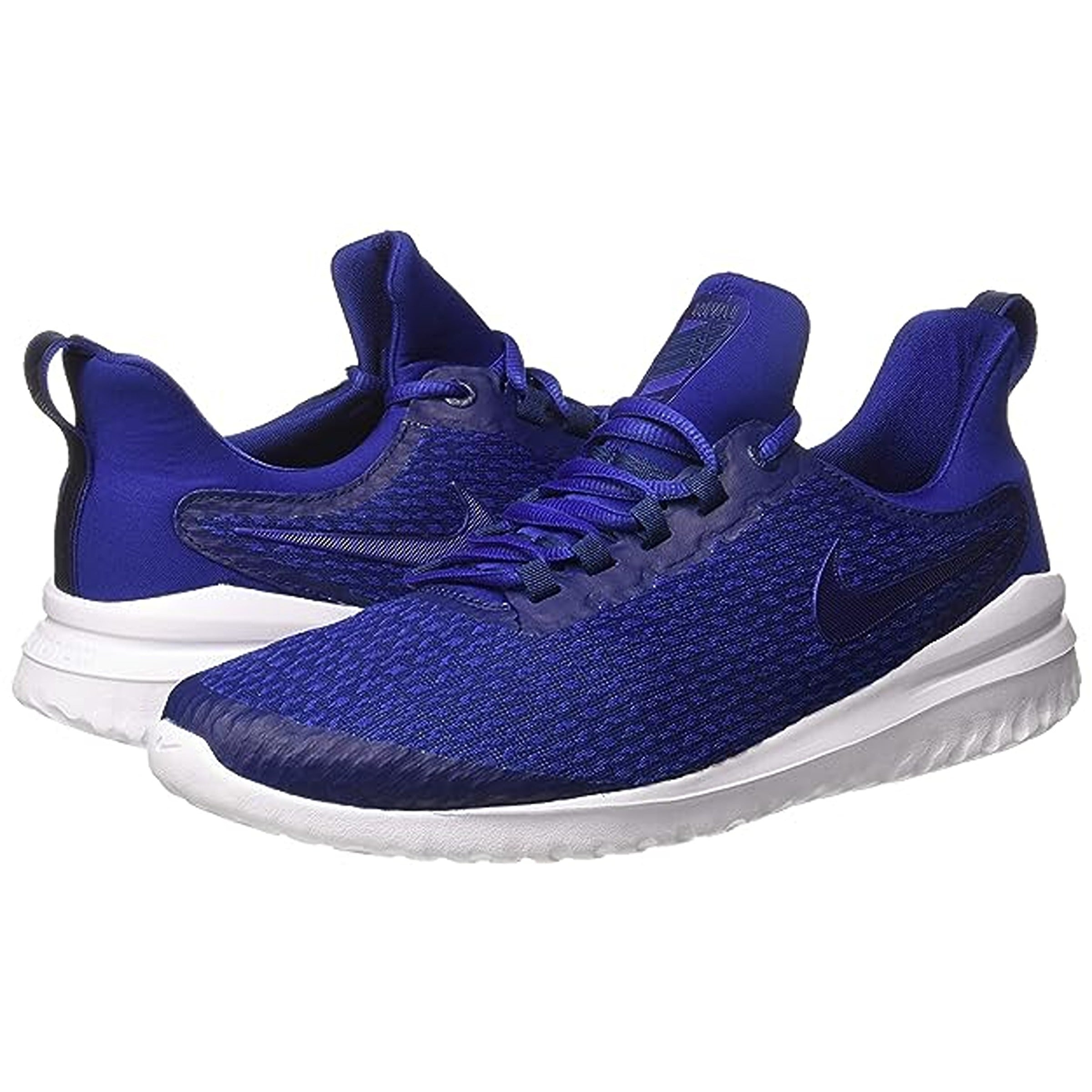
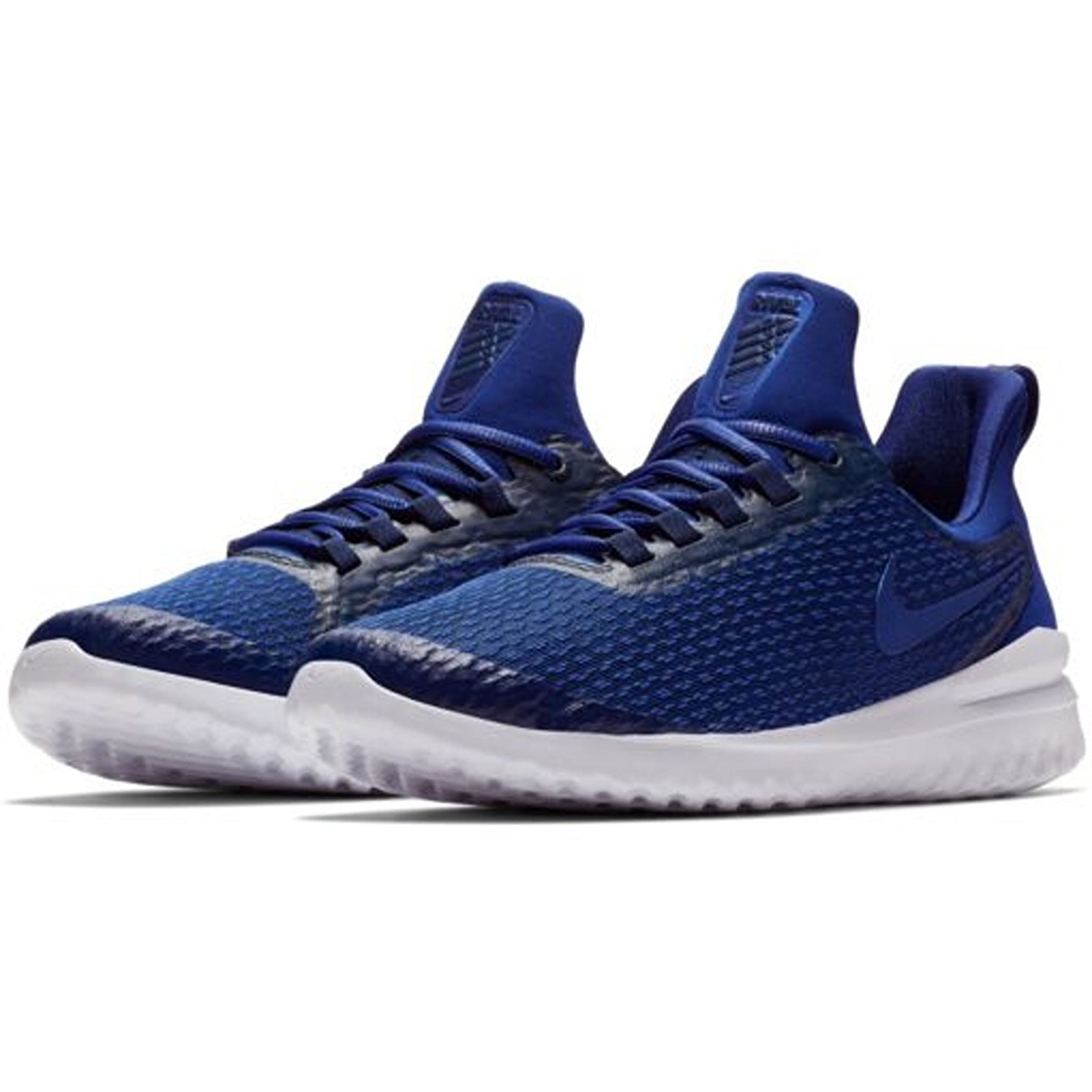
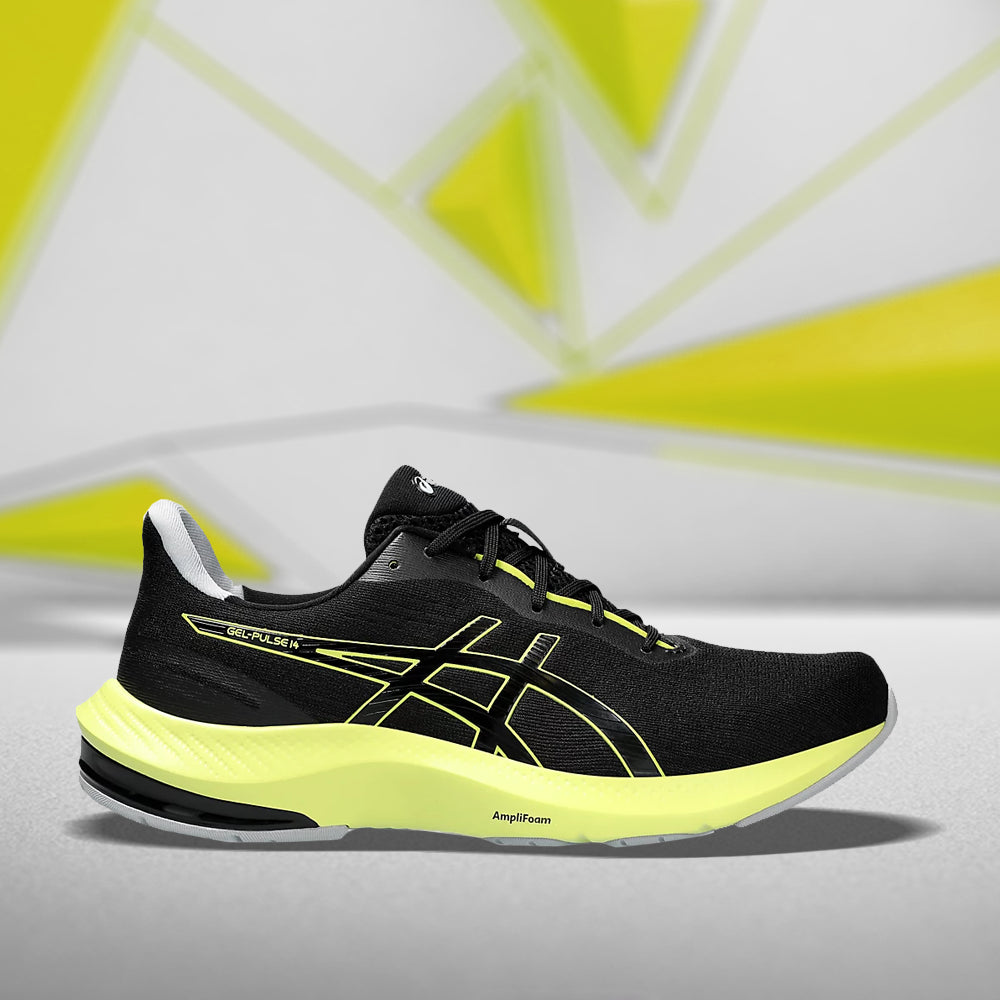
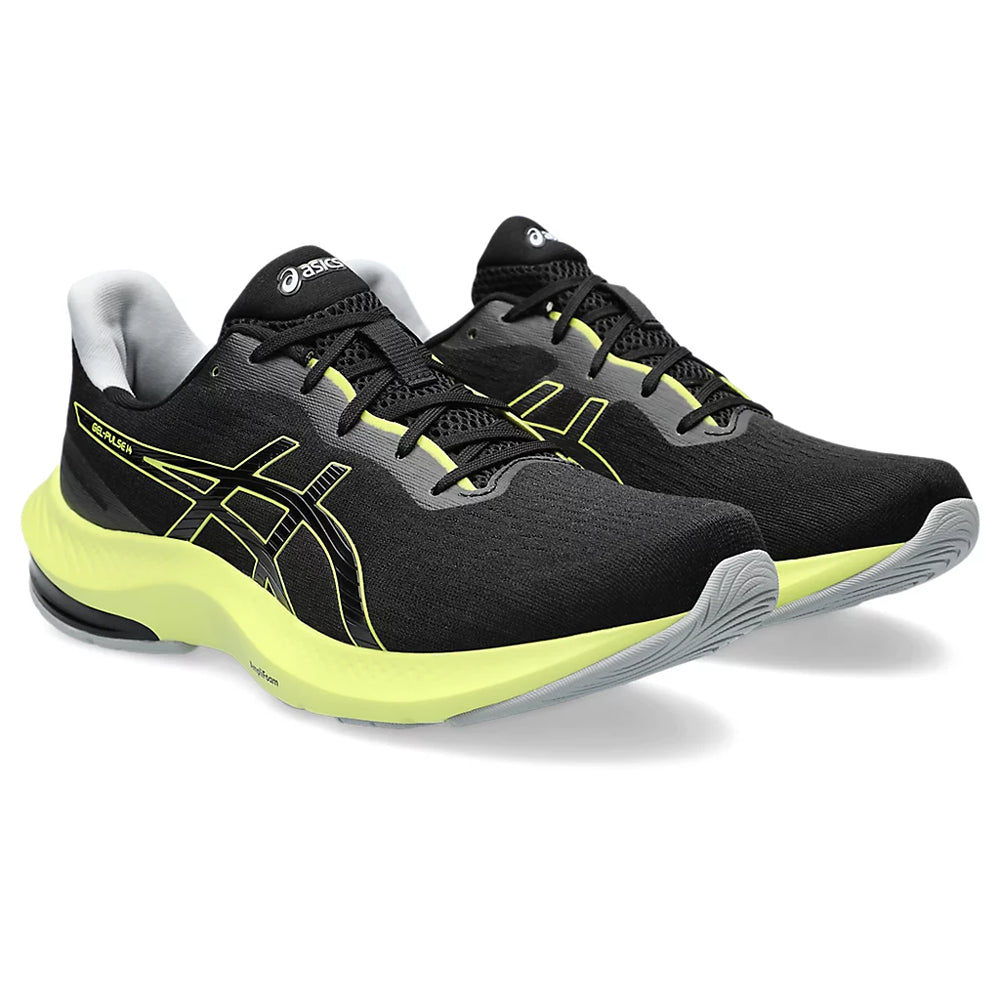
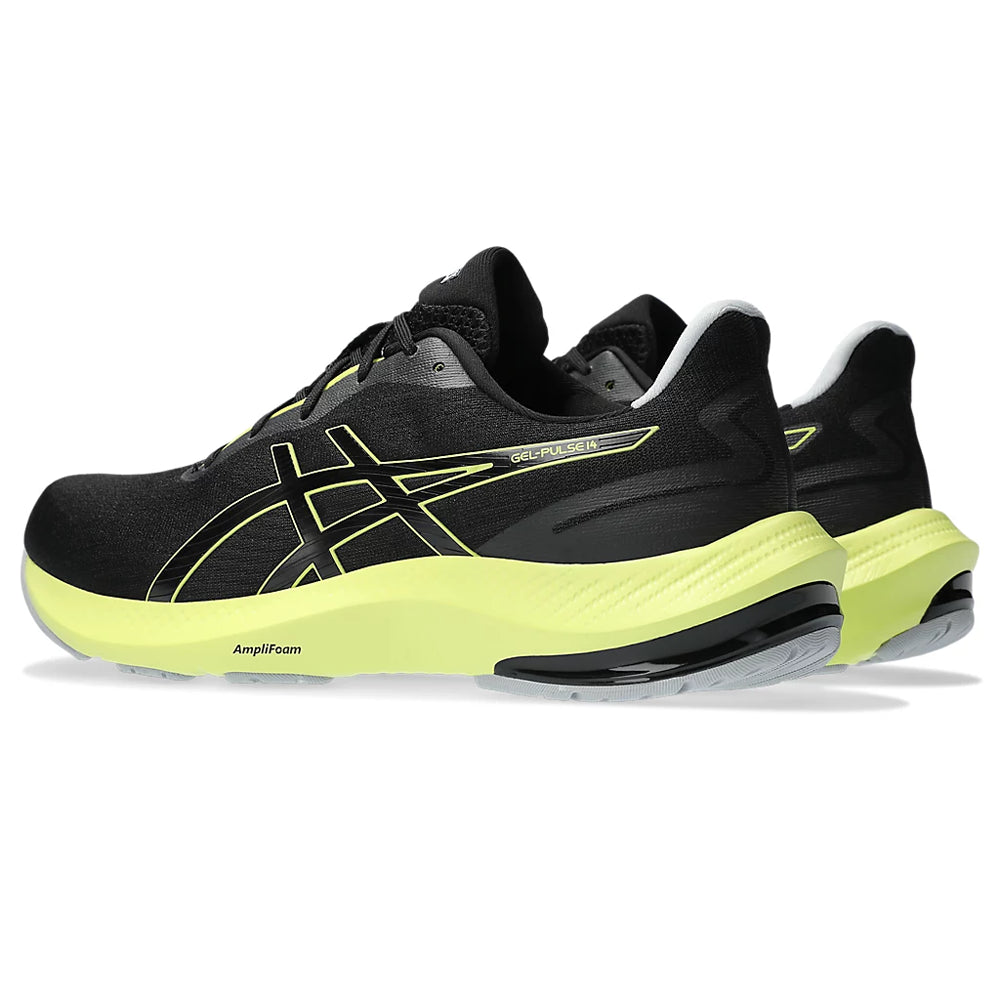
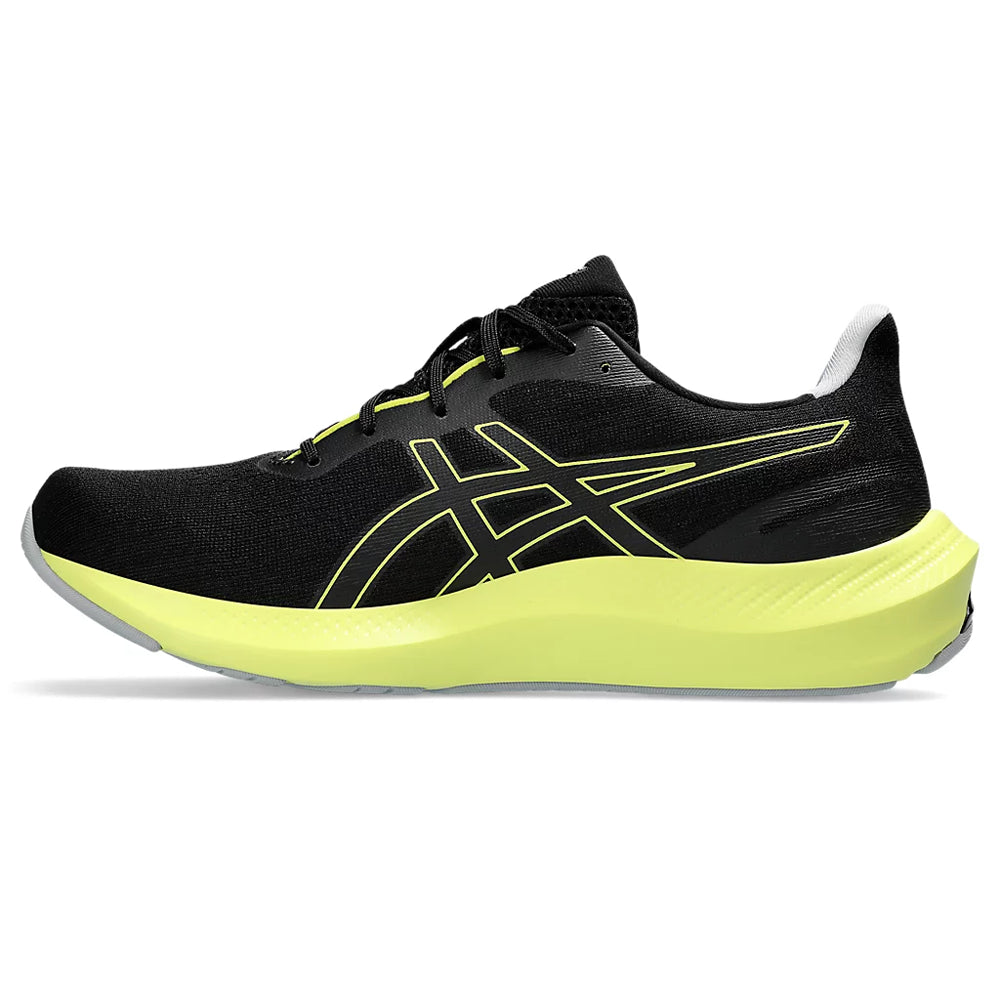
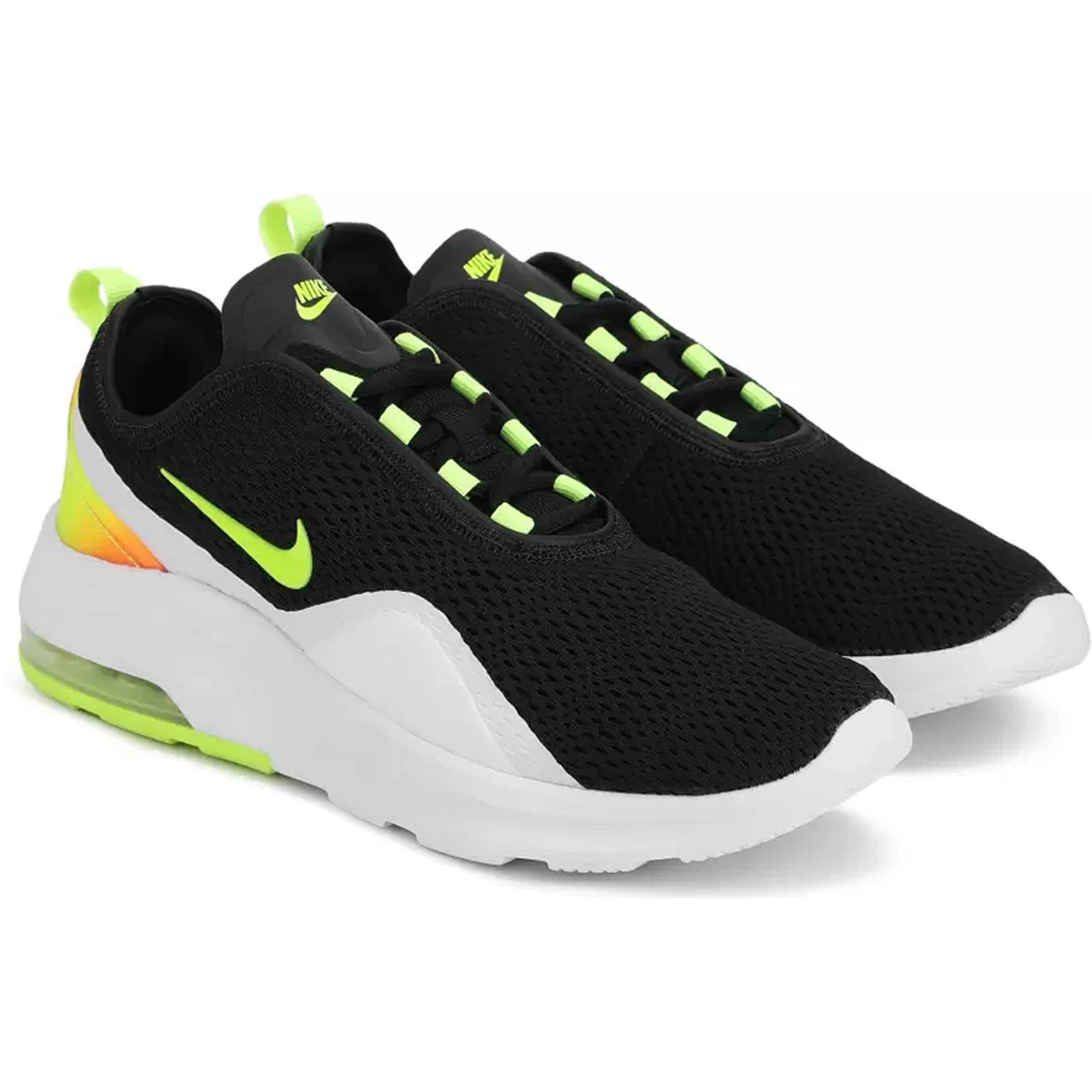
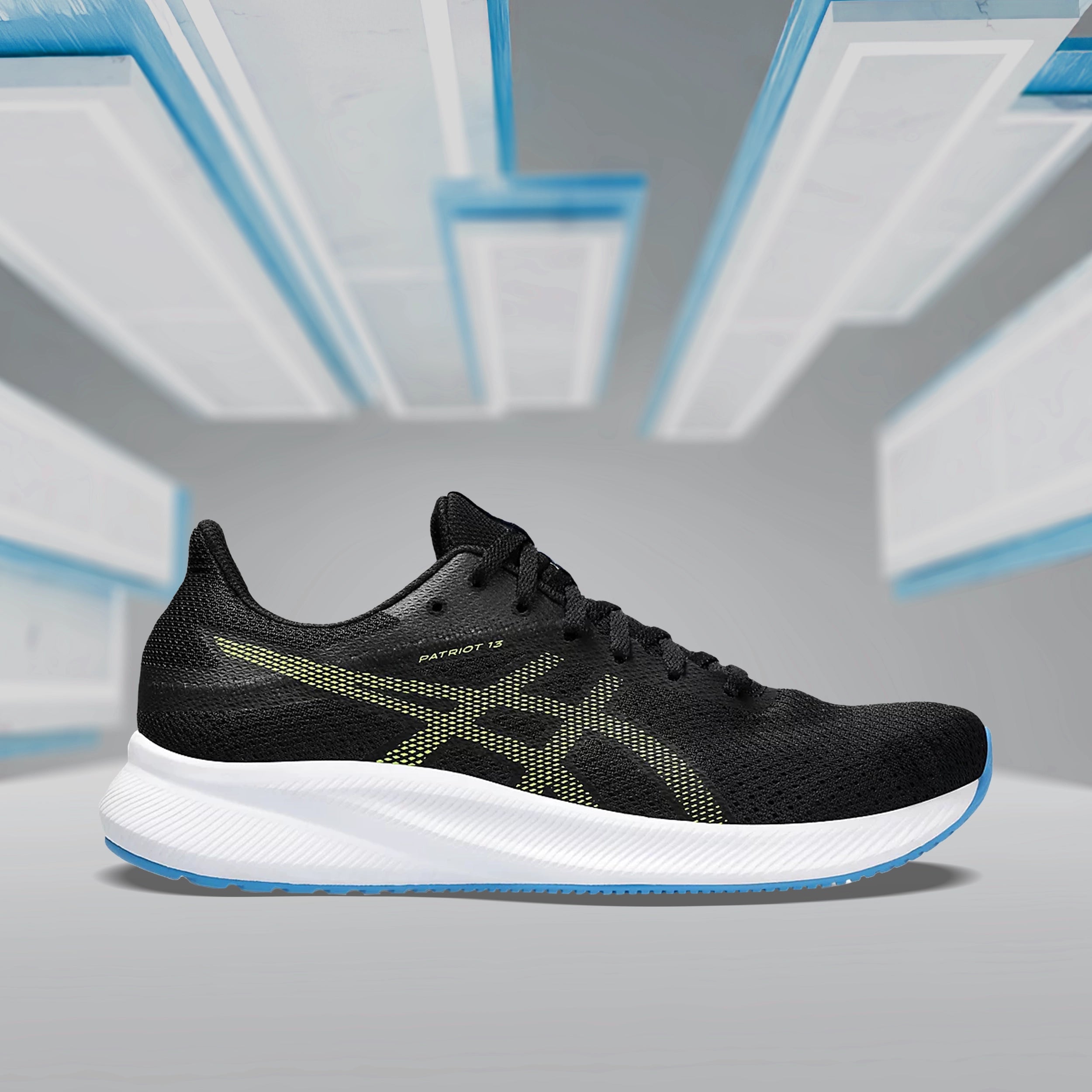
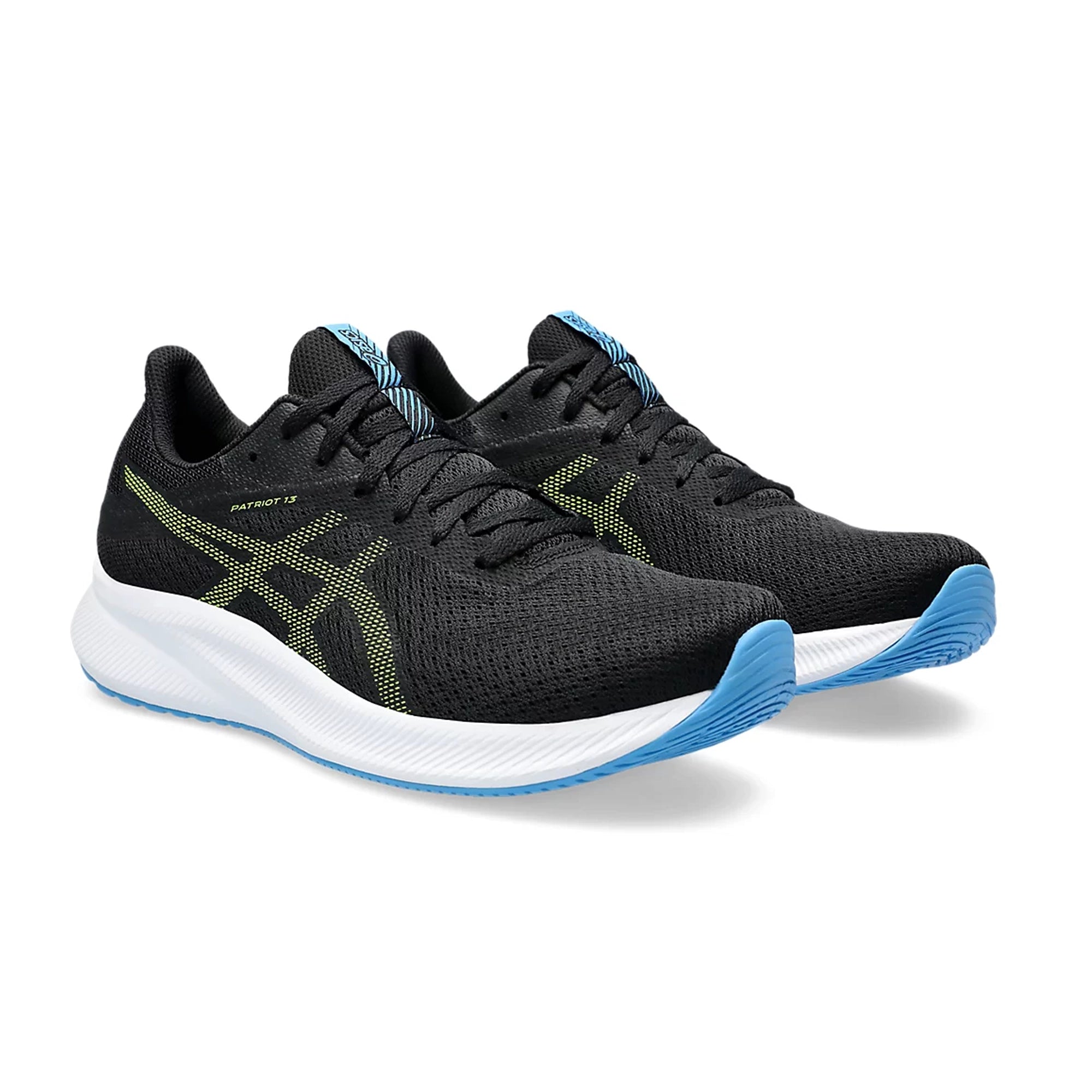
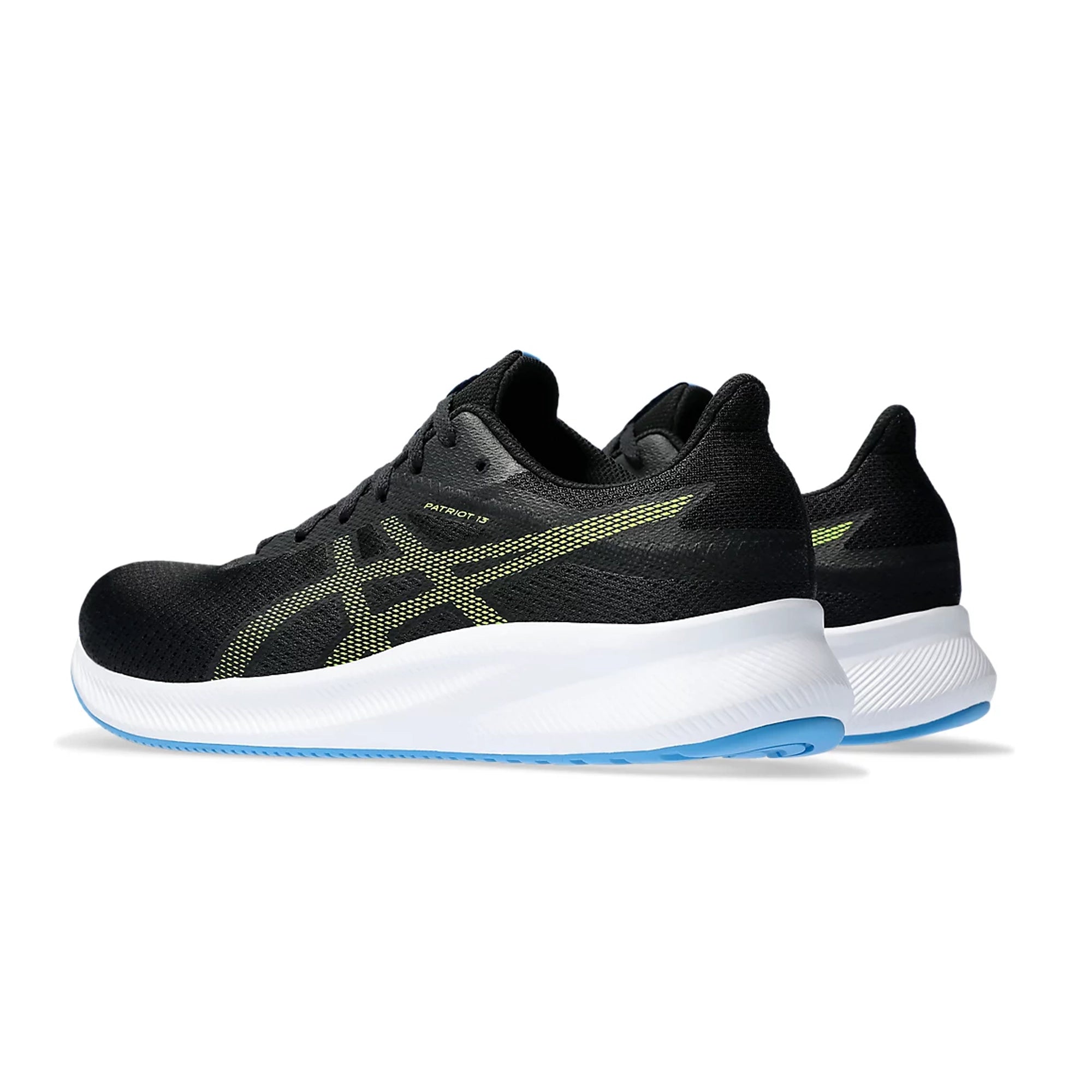
The epitome of 'let your feet be your guide' rings especially true here. Opt for shoes that complement your natural arch and gait. Go for lightweight, breathable materials that offer ample cushioning without stifling your foot's movement. Always remember, your running shoes are your trusted allies on this path!
Apparel
Equipped with your shoes, your next focus should be on the clothing you wear. Aim for synthetic, sweat-wicking fabrics that help you remain dry and reduce chafing. A lightweight and snug fit liberates you from the chains of distraction, allowing each movement to flow effortlessly.
Your Environment
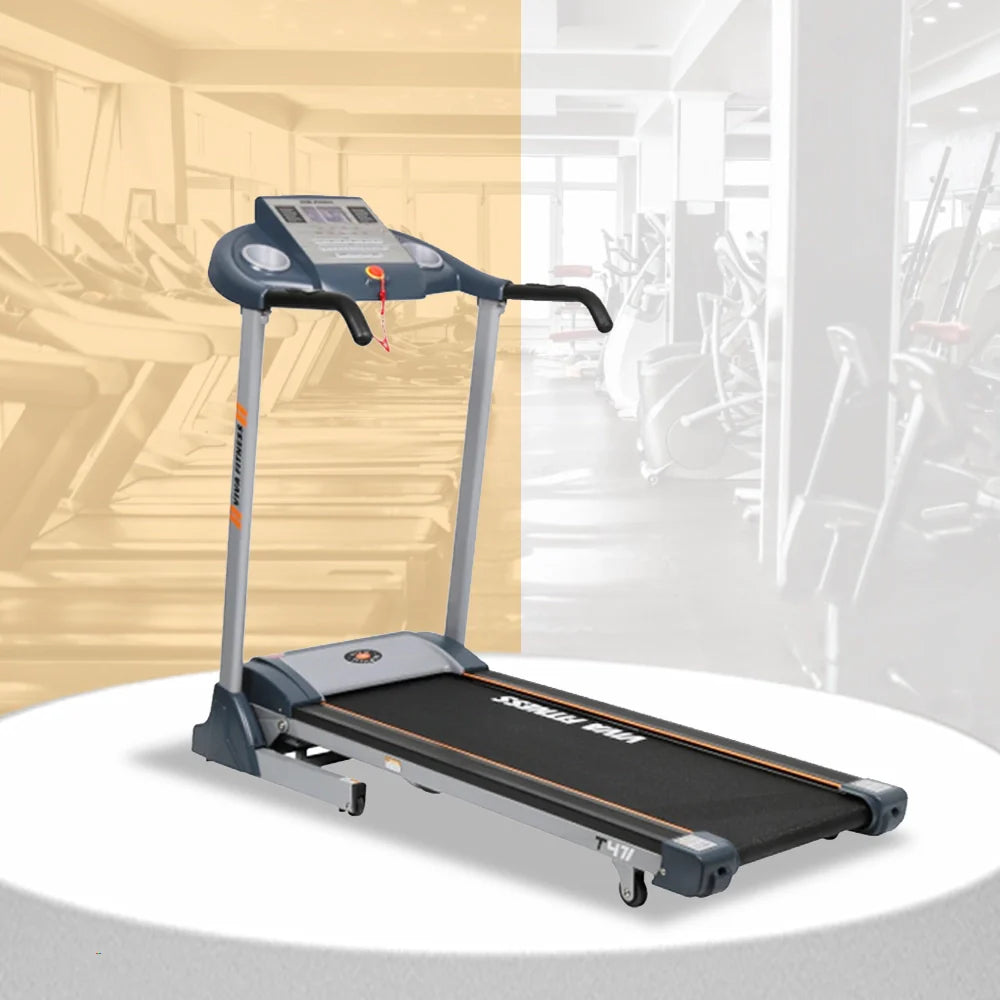
Seek out environments conducive to constructive practice. Track fields, treadmill sessions with incline settings, or even beautiful trails that inspire a natural stride — each offers its own unique benefits. The foundation of your efficient running is laid in these spaces.
Stride Mechanics
Now, let's delve into the core of our mission — enhancing stride mechanics. The key components which shape an efficient stride include foot strike, knee drive, hip extension, and arm swing.
Foot Strike
Focus on a midfoot strike rather than a heel-heavy landing. This minimizes impact force, reduces injury risk, and enhances propulsion. Try running barefoot (but safely!) on soft surfaces occasionally to naturally develop this technique.
Knee Drive
Optimizing knee lift propels you forward. Visualize a magnet drawing your knee toward the sky, ensuring a relaxed but intentional drive. This motion should be characterized by fluidity rather than forcefulness.
Hip Extension
A strong hip extension directly leads to improved power in your stride. Work on exercises that enhance both flexibility and strength in your hip flexors. Not only does this amplify propulsion, but it also decreases energy wastage.
Arm Swing
Your arms act like the metronome to your pace. Keep them at a 90-degree angle, moving synchronously with your steps to maintain balance and momentum. Your hands should lightly graze the hip at the bottom of their arc, acting as efficient pendulums.
Drills for Improving Stride Mechanics
Consistent practice with the right drills reinforces muscle memory and optimizes your natural running form. Below is a table I’ve compiled to guide you:
| Drill | Description | Frequency |
|---|---|---|
| A-Skips | Hone knee drive with a rhythmic skip, lifting knees high and aligning shoulders. | 2-3 times a week |
| Bounding | Focus on explosive power and long strides to enhance hip extension. | Twice a week |
| High Knees | Improves fast-twitch muscle activation, knee lift, and cardiovascular fitness. | 3 times a week |
| Butt Kicks | Enhances hamstring flexibility and prepares body for midfoot striking. | 2-3 times a week |
| Arm Swings | Focused practice to synchronize arm movement with legs. | Daily |
Conclusion
The masterpiece of efficient running form rests in your dedication to these details. Embrace the process, knowing that improvement in these areas will steadily manifest in both your speed and ease of movement. Welcome this journey with open arms, for each step you take brings you closer to the pinnacle of your individual running potential.
Happy running!















































Share:
Mastering Directional Shot Placement for Superior Game Play
Serve Techniques: Mastering Different Types of Serves for Strategic Advantage