
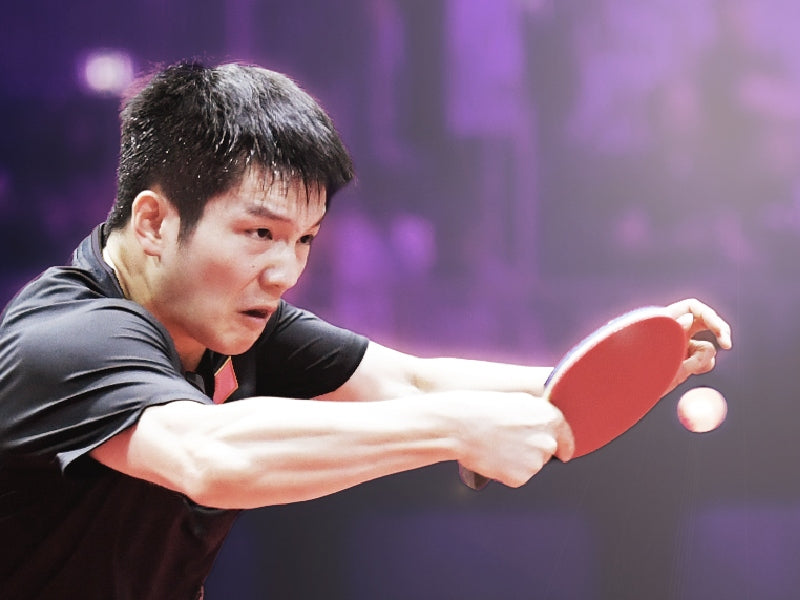
The Mistake Clinic: Serve Return Strategies in Table Tennis
When it comes to table tennis, the serve return can often make or break your game. It’s a skill that combines anticipation with precise placement, and mastering it can elevate your play to new heights. In this masterclass, I'll guide you through the common mistakes players make and outline strategies for developing your anticipation and placement skills.
Common Missteps in Serve Return
Let's start by diagnosing some of the common mistakes players make when returning serves:
- Standing flat-footed, causing a delayed reaction to serves.
- Misjudging spin and speed, leading to weak or flawed returns.
- Failing to observe the opponent's serve cues and tendencies.
- Returning serves with a predictable placement, making it easy for opponents to counter.
Mastering Anticipation
Anticipation is your ability to read your opponent and predict the trajectory and spin of their serves. This skill is crucial, as it allows you to prepare early and set up a strategic return. Here's how you can improve your anticipation:
1. Watch for Cues
Before the ball even leaves your opponent's paddle, learn to identify visual cues. These could be their stance, the angle of their paddle or even subtle shifts in their body positioning.
2. Develop Pattern Recognition
Players often fall into specific serve patterns or habits. Spend time observing your opponent during warm-up or early in the match to identify these patterns.
3. React Accordingly
Once you've honed in on these cues and patterns, adjust your stance and paddle angle accordingly. Over time, this will enable you to read serves with greater accuracy.
Perfecting Placement
Once you've mastered anticipation, the next step is to improve where you place the ball upon return. Proper placement can disrupt your opponent's strategy and immediately put you on the offensive.
1. Aim for Corners
Targeting the corners of the table forces your opponent to move and can open up the rest of the table for follow-up shots.
2. Mix Up Spin
Using topspin, underspin, or sidespin in your return not only changes the pace but confuses the opponent's rhythm and reaction.
3. Incorporate Variability
Maintain unpredictability by varying the speed and placement of your returns across different serves.
Drills to Enhance Serve Returns
| Drill Name | Description | Objective |
|---|---|---|
| Spin Recognition | Have a partner serve with varying spins. Focus on identifying spin type based on paddle action. | To improve spin anticipation. |
| Placement Targeting | Place targets on the table (corners/sidelines) and focus on returning serves to these areas. | To enhance placement accuracy. |
| Paddle Angle Reaction | Practice returning by varying your paddle angle to counteract different spins. | To develop reactive adjustments. |
Conclusion
Remember, mastery in serve return happens over time with diligent practice and analysis. Commit to rectifying the common mistakes, sharpen your anticipation, and focus on strategic placement. With these strategies, you’ll have the tools needed to gain the upper hand in your matches and make your returns a formidable weapon.

































Share:
Mental Toughness: Developing Resilience and Focus in Competitive Cricket
Offensive Play Development: Creating Effective Attacking Patterns in Football