
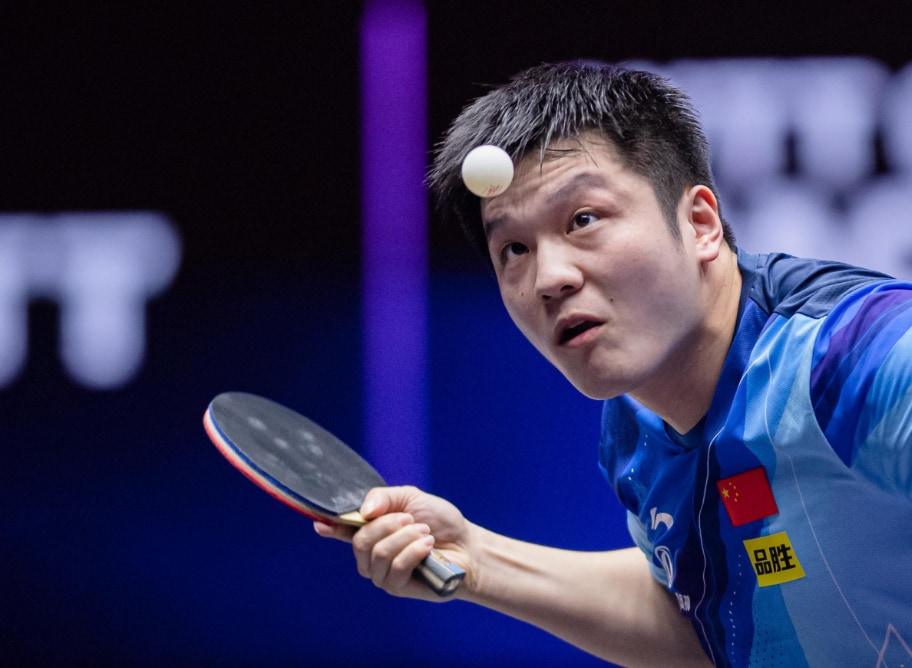
Welcome to this masterclass on mastering spin techniques in table tennis, where we'll delve deep into the art of using spin for control and deception. Spin is what adds magic to your game, creating opportunities to outmaneuver opponents with skillful variations and acute precision.
Understanding Spin: The Basics
Let's start with the basics: spin refers to the rotation of the ball as it's propelled towards your opponent. The key types of spin are topspin, backspin, sidespin, and corkscrew spin. Mastering these spins requires more than just understanding their physics. It's all about how you integrate them into your gameplay to control the pace, direction, and bounce of the ball.
Topspin
Topspin is the most common type of spin which makes the ball dip, allowing you to hit with power and still keep the ball on the table. To execute this, brush the top of the ball with a forward motion using your paddle, generating forward rotation. This technique is crucial when playing aggressive offensive strokes.
Backspin
By brushing the underside of the ball with a downward motion, you generate backspin. This spin is effective for defensive strokes and pushing, keeping the ball low and challenging for the opponent to lift over the net.
Sidespin
Sidespin is less common but highly deceptive. As its name suggests, it involves imparting spin to the side, which can curve the ball in the air, especially during serves. Brush the side of the ball, and you will find the ball moving sideways after the bounce - perfect for breaking an opponent's rhythm.
Corkscrew Spin
This is a more advanced technique that combines high-speed sidespin with topspin. It requires skillful wrist action and is usually employed in serves to create unpredictable bounces.
Integrating Spin into Tactical Play
To truly master spin, it's essential to integrate it into your tactical play. Here’s my playbook for using spin to control the game and deceive opponents:
Table Positioning
The position and distance from the table affect how spin will impact your shot. Staying close allows for rapid fire counters and varied angles, while stepping back can give you time to prepare heavier spins.
Serve and Return
A spin-heavy serve can set the tone for the rally. Utilize side and corkscrew spins to confound opponents, forcing them to make difficult returns. In terms of returning, reading the spin is paramount – watch your opponent’s paddle angle and the ball's flight carefully.
Drills for Spin Mastery
Mastering spin requires consistent and deliberate practice. Below are drills you can incorporate into your training routine:
| Drill | Description | Focus |
|---|---|---|
| Spin Serve | Practice serving with maximum spin: vary between topspin, sidespin, and corkscrew. | Improving serve variation and deception. |
| Counter Topspin | Partner drills to counter topspin with your own spin shot. | Enhancing control under pressure. |
| Backspin Defense | Focus on pushing and chopping against topspin attacks during controlled rallies. | Defensive resilience. |
| Sidespin Rally | Engage in rallies emphasizing sidespin shots, alternating between forehands and backhands. | Rhythmic play and anticipation. |
Mindset for Mastery
Finally, mastery of spin in table tennis isn’t just about physical skills—it’s about cultivating a strategic mindset. Study your opponents, predict their responses, and adapt your spins accordingly. It’s this blend of physical prowess and mental acuity that will elevate your game from good to exceptional.
Conclusion
Remember, becoming a master of spin is not an overnight achievement. It requires patience, dedication, and a willingness to experiment with different techniques. Commit yourself to understanding the nuances of each spin, refining your technique, and integrating it thoughtfully into your gameplay. With time and practice, you’ll not only gain control and precision but also the ability to deceive opponents and dictate the flow of every match you play.



































































Share:
Stickhandling Skills for Improved Puck Control
Serve Variations: Developing Effective and Deceptive Serves in Table Tennis