
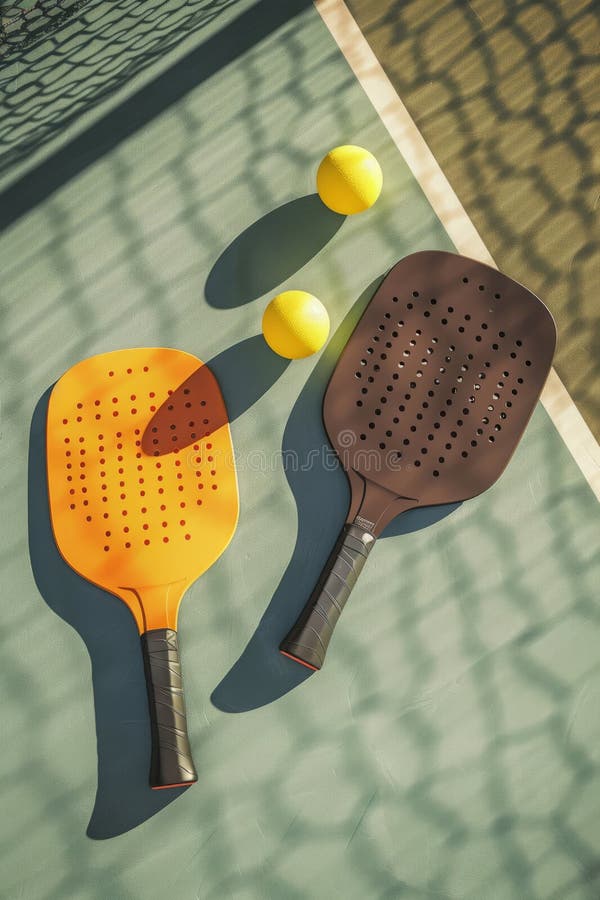
Welcome to the Mistake Clinic, where we delve into the nuances of the dink shot in Pickleball, that seemingly simple, yet profoundly strategic play. As your guide in this journey, I’ll share my insights and knowledge to enhance your understanding and execution of this critical skill.
The Power of the Dink Shot
Let me tell you, the dink shot is more than just a play; it’s a cornerstone of Pickleball strategy. A well-placed dink shot can disrupt your opponent's rhythm, setting you up for a point-winning volley or forcing an unexpected error on their part. Imagine having a tool that consistently keeps your opponent on their toes—it's the dink.
Common Mistakes and How to Avoid Them
Beginners and even intermediate players often fall into common traps with dink shots. One mistake is hitting the ball too high, giving opponents an easy put-away. Alternatively, players might hit the ball too hard, which defeats the purpose and opens up the court for your opposition. These errors stem from improper technique and lack of control, areas we will specifically address.
Perfecting Your Dink Shot Technique
To master the dink, we must fine-tune our touch. It all begins with adjusting your grip to a soft paddle hold, allowing for better control. Focus on gently pushing the ball over the net with a smooth, calm motion. The key here is finesse, not force.
Drill Table for Your Success
| Drill | Description | Objective |
|---|---|---|
| Wall Dinks | Stand five feet from wall, practice hitting softly. | Develop control and accuracy. |
| Partner Dinks | Face a partner at the kitchen line, exchange gentle dinks. | Refine touch under pressure. |
| Target Practice | Place targets in the kitchen and aim softly for bullseye. | Enhance precision of dink placements. |
Strategic Placement and Control
Once the basics are clear, it’s time to think strategically. When dinking, consider directing shots towards your opponent's weaker side or aiming to disrupt their positioning. Always be vigilant for opportunities to transition into an aggressive stance after a successful dink.
Dinking in Different Situations
The dynamics of a game change constantly, but your dink must remain adaptable. If you find yourself on the defensive, use the dink to slow down the game and reset your position. Offensively, it becomes a tool to draw your opponents closer to the net, setting up a lob or passing shot.
Final Thoughts: Evolving With Experience
Like any skill, mastering the dink revolves around practice and presence of mind. As you develop, pay attention to how opponents react. Use these observations to refine your strategy. Remember, the perfect dink shot is more art than science. Embrace learning from both your successes and failures.
Equipped with these strategies and approaches, it’s time for you to head to the court and put theory into practice. May your dinks be stealthy, strategic, and above all, successful!


















































Share:
Conditioning Drills: Enhancing Speed and Stamina for Boxing Performance
Tactical Formation Optimization: Developing Effective Team Structures for Enhanced Performance in Football