
Welcome to the Ultimate Wicketkeeping Masterclass
As a master coach, I've spent countless hours on the field honing the skills required for effective wicketkeeping. Wicketkeeping is an art form, a discipline that combines agility, anticipation, and a pair of very reliable hands. Today, let’s delve into the essential techniques and gear setup to elevate your wicketkeeping game, focusing on the critical skills of stumping and catching.
The Gear & Setup Guide
Having the right equipment is half the battle won. For wicketkeepers, it’s critical to choose gear that supports agility and protection. Let’s discuss what you should focus on:
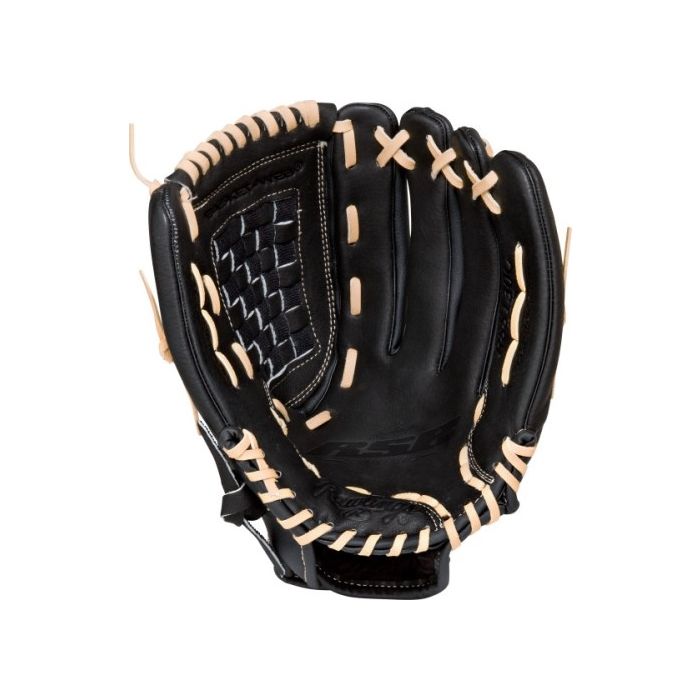
- Gloves: A keeper’s gloves are their primary tool. Opt for gloves that have quality padding and perfect grip on the inner palm. The fit should be snug yet comfortable to allow flexibility.
- Pads: Lightweight pads that offer maximum protection without hindering movement are vital.
- Helmet: Given the proximity to the batsman, a helmet with a grill is imperative for safety.
- Inners: Don’t underestimate the importance of good inner gloves to reduce sweat and ensure better grip.
A proper gear setup not only increases your performance but also decreases the risk of injury. Focus on gear that accommodates your style of play, whether you play close up or at a distance from the stumps.
Stumping Techniques
Stumping requires lightning-fast reflexes and an anticipatory mind. Here are some key techniques to sharpen your stumping skills:
- Anticipation: Read the batsman's movements. Watch their feet closely and react swiftly to exploit any misstep.
- Positioning: Keep your legs slightly apart, and body weight forward. Your eyes should be level with the bails to ensure a clear view and minimize reaction time.
- Soft Hands: When collecting the ball, your hands must be relaxed to absorb the ball smoothly and quickly whip it back towards the stumps.
Catching Techniques
Catching behind the stumps is a critical aspect of wicketkeeping. Mastering it means turning almost every opportunity into a dismissal:
- Eye on the Ball: Always keep your focus on the ball, especially with spinners and pacers changing pace.
-
Footwork: Quick lateral movements are necessary. Practice sidestepping and get comfortable with your initial movement being towards the ball.
- Gather and Cushion: Bring your hands together smoothly, cushioning the catch to diminish impact and retain control of the ball.
Practice Drills
Integrating specific drills into your practice can greatly enhance your efficiency as a wicketkeeper. Here's a table of recommended drills:
Drill Name Description Focus Area Shadow Stumping Practice without a ball by mimicking the stumping action at various speeds. Reflexes, Speed Cone Drills Set up cones and improve movement between them, focusing on sharp turns and quick starts. Footwork, Agility High Catch Practice Use a bowling machine or a partner to throw high balls. Practice adjusting to the varying angles and speeds. Catching, Hand-Eye Coordination Reflex Catching Have a partner throw quick, varying deliveries either side to practice fast reflexes. Reflexes, Response Time Conclusion
Wicketkeeping is a demanding yet rewarding role. By refining your techniques in both stumping and catching, wearing the right gear, and integrating effective drills, you'll not only become a more confident wicketkeeper but a game-changer for your team. Remember, even a millisecond's improvement in your reaction time can be the difference between securing a win or not. Keep practicing, keep evolving, and most importantly, enjoy the journey.

























































































Share:
Footwork Efficiency: Improving Movement Dynamics for Enhanced Performance in Table Tennis
Mental Resilience: Developing Psychological Strategies for Handling Pressure in Cricket