
Welcome to Squash
Squash is an exhilarating racquet sport that combines skill, speed, and strategy. Often played on an indoor court, squash is not just a test of physical prowess but also mental agility. This beginner masterclass aims to compare various aspects of squash to help you understand, appreciate, and ultimately master this riveting sport.
Understanding the Basics: Rules and Equipment
Rules of the Game
The objective of squash is simple: hit the ball against the front wall, ensuring that it stays within valid bounds until the opponent fails to return it before the second bounce. Despite its simplicity, the sport is known for its dynamism and strategic depth.
Essential Equipment
To get started with squash, you’ll need some basic equipment. Here's a comparison of the essential items:
| Equipment | Purpose | Recommended Features |
|---|---|---|
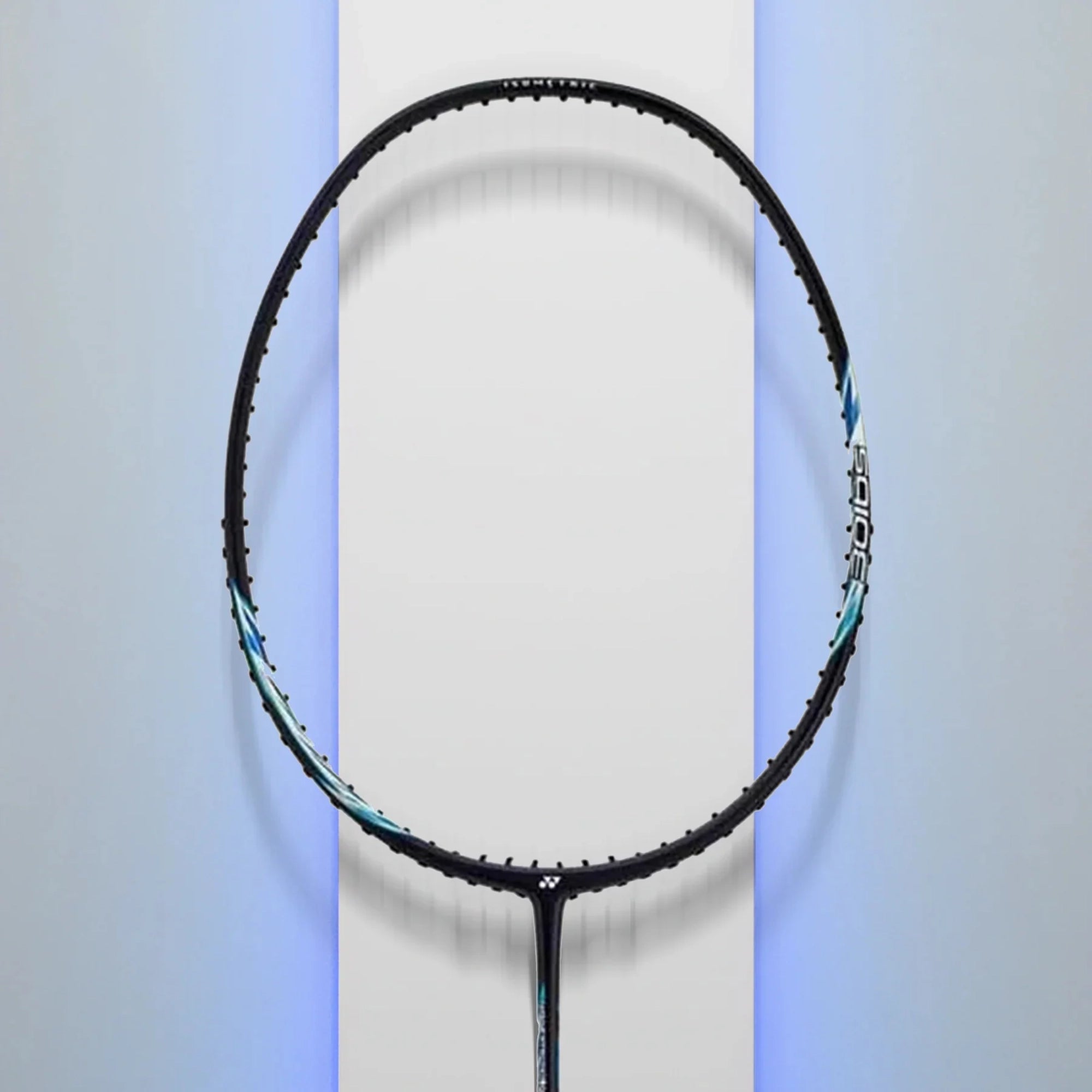
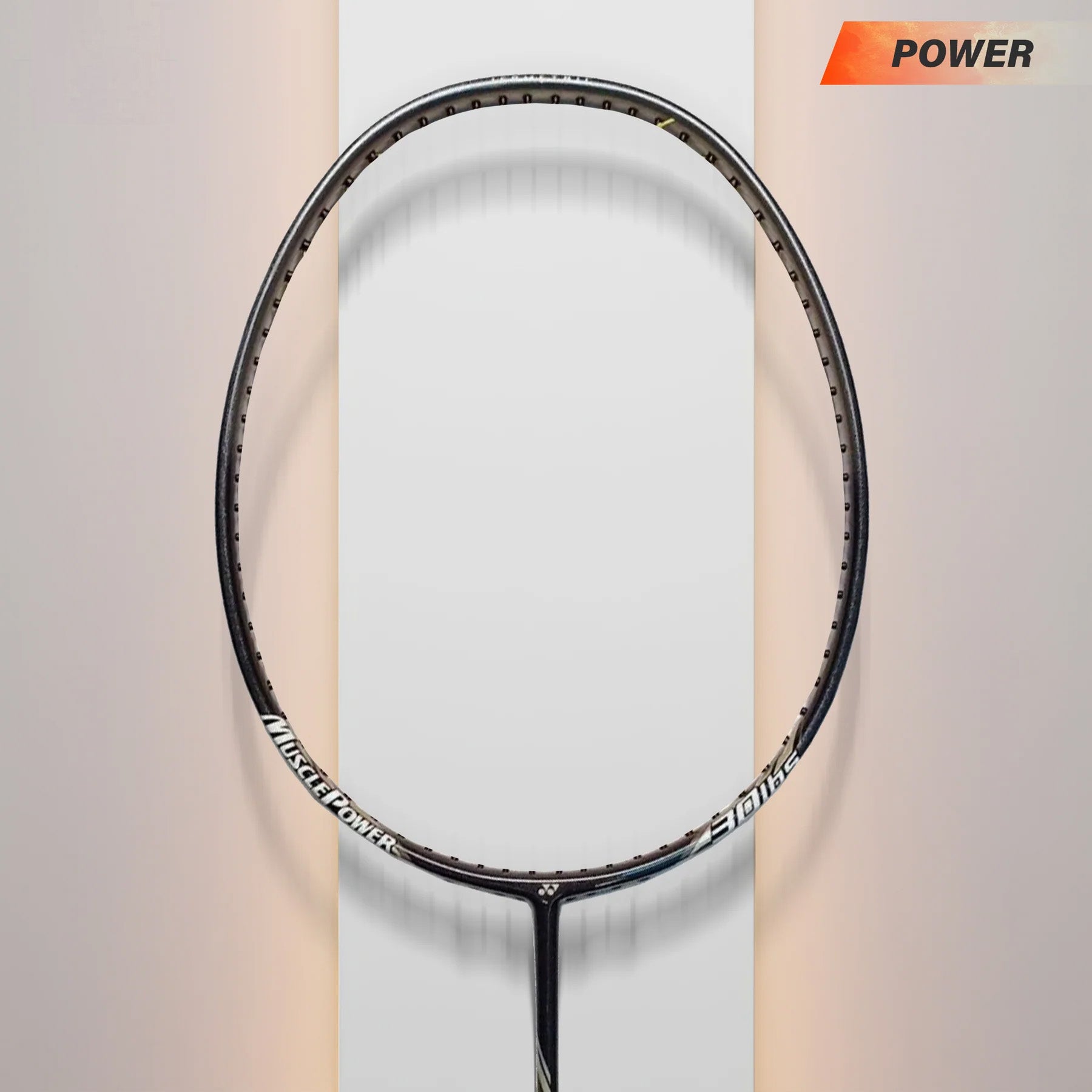
| Racquet | To strike the ball effectively | Lightweight, balanced frame, good grip |
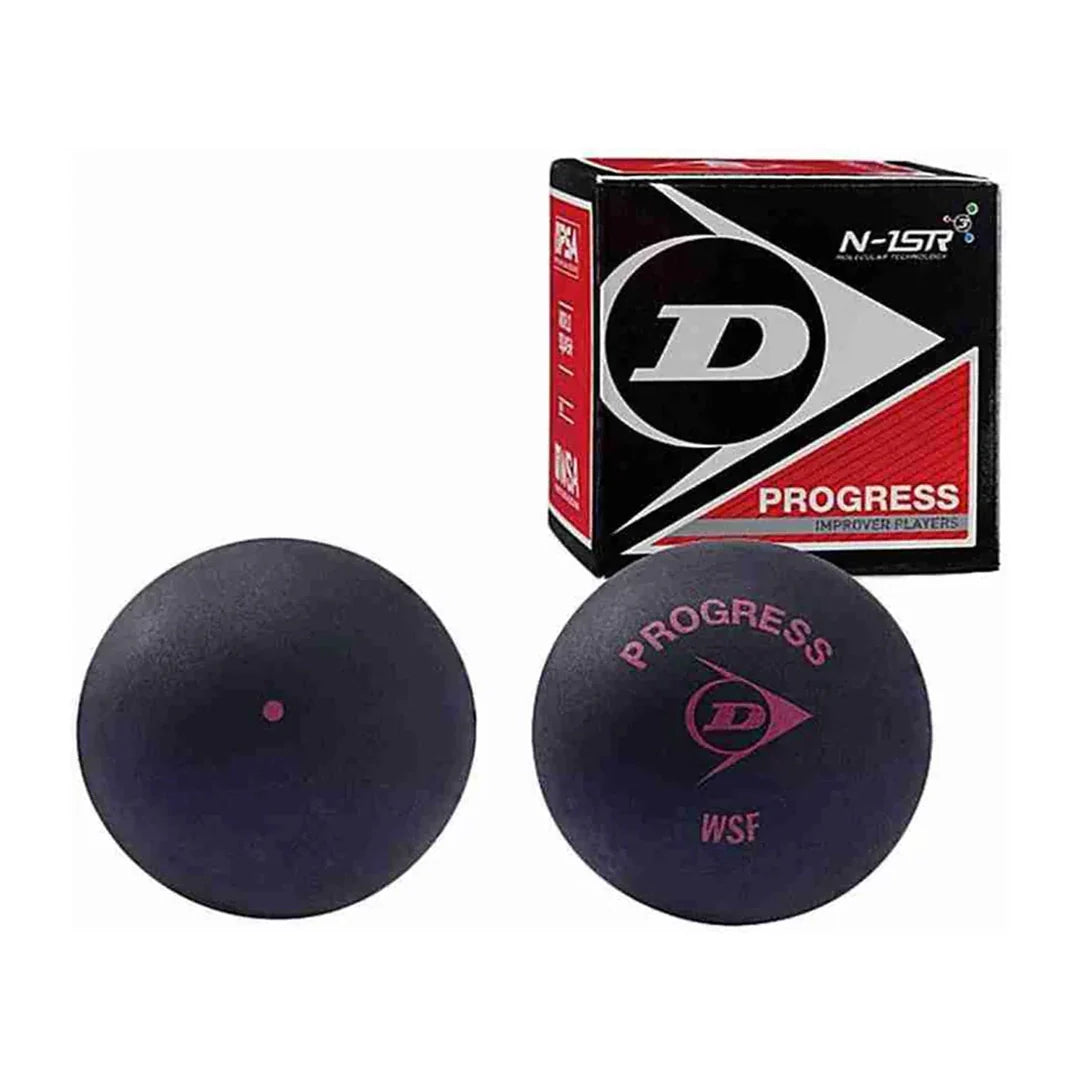
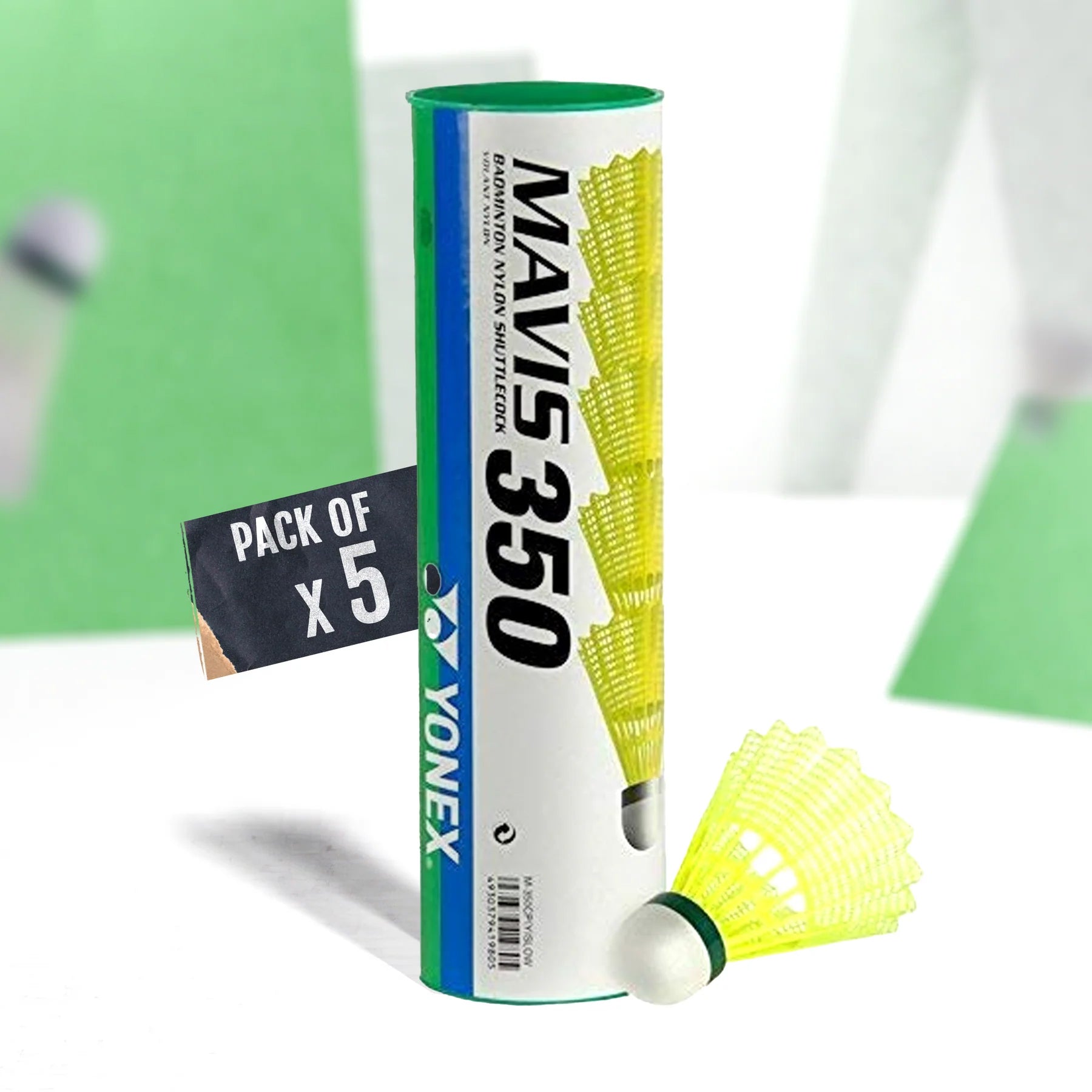
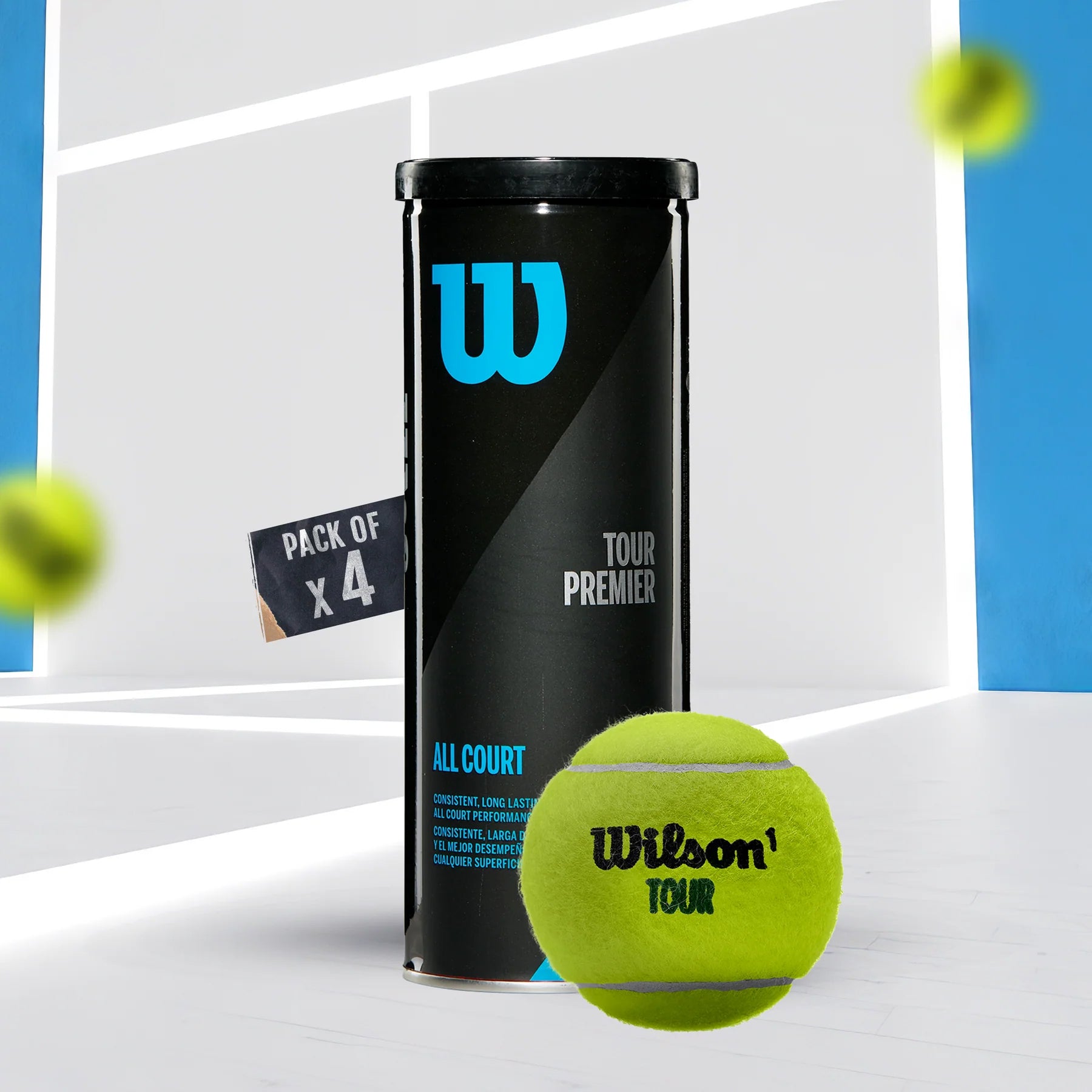
| Ball | To rally and score points | Varied speed (single/double dot), durability |
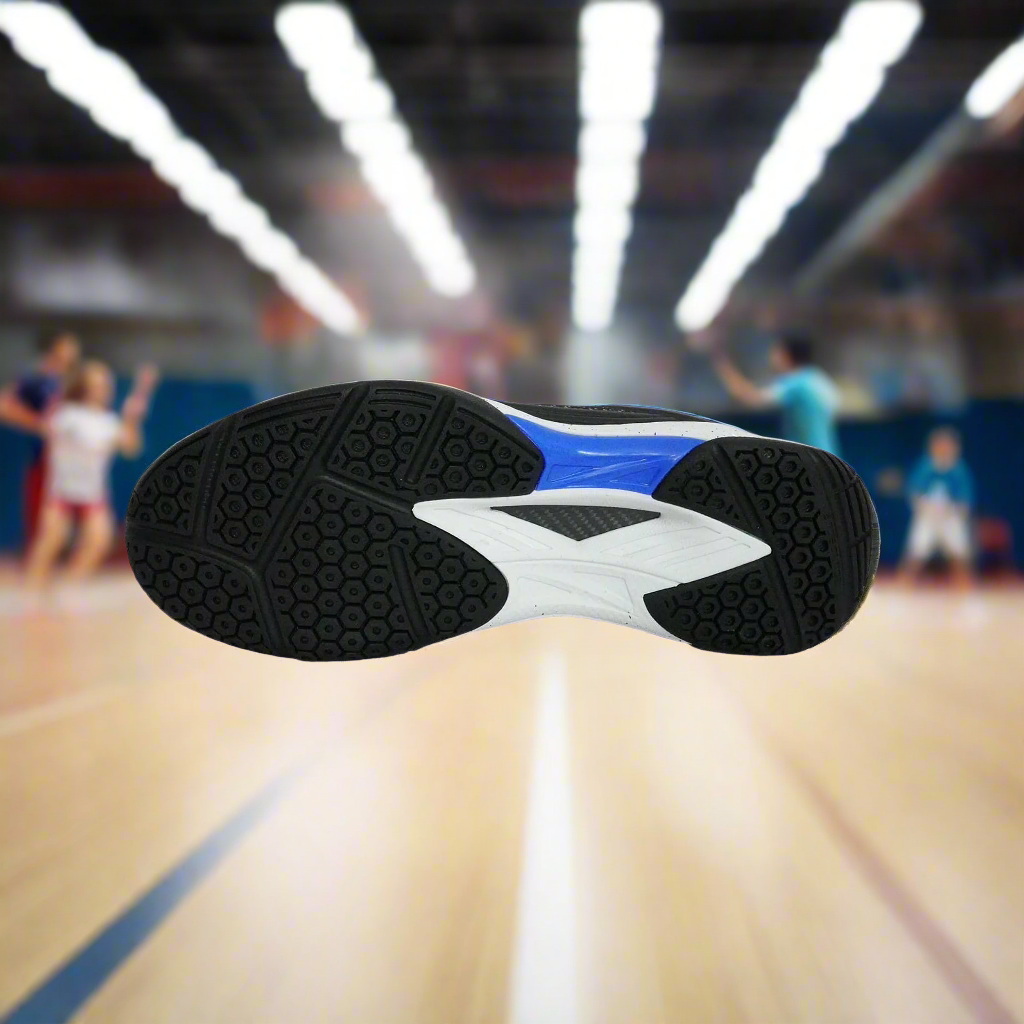
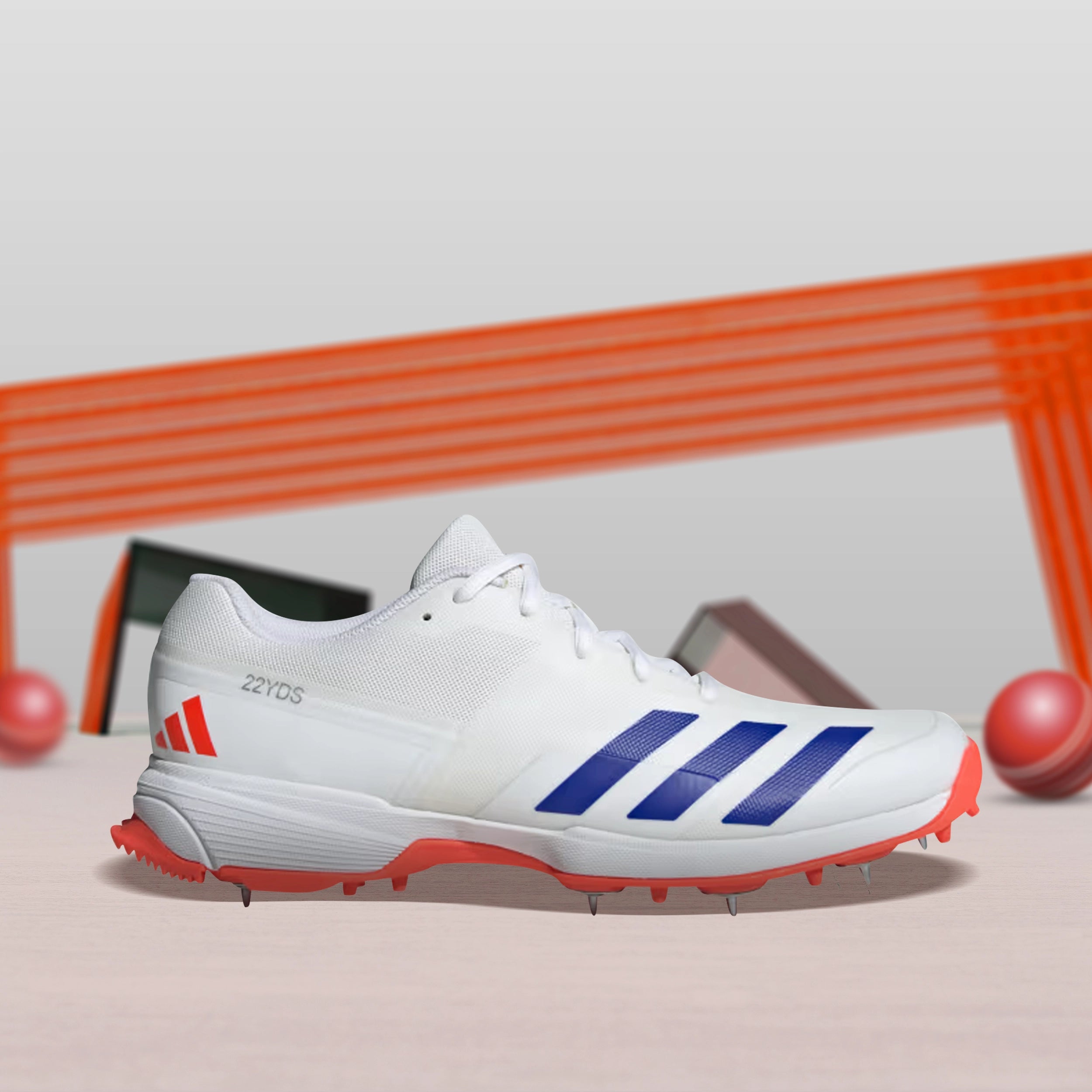
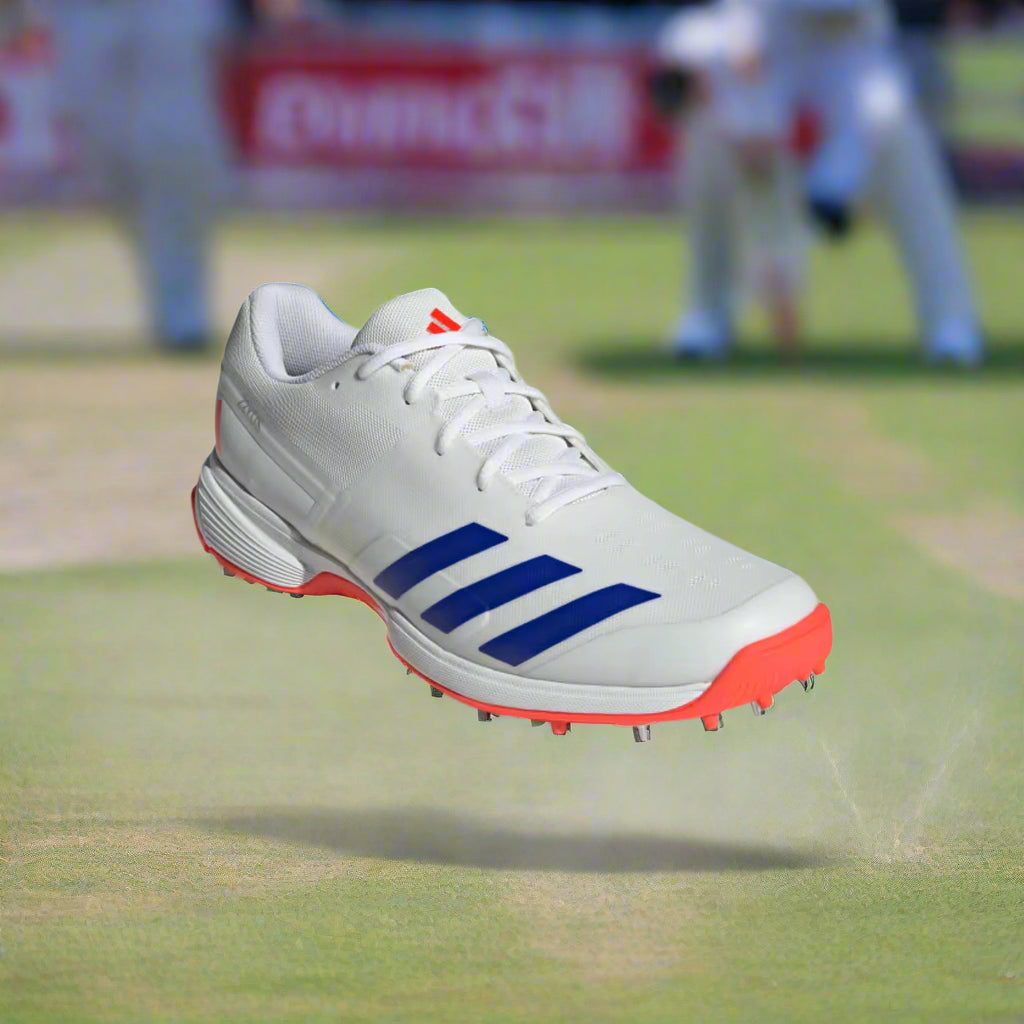
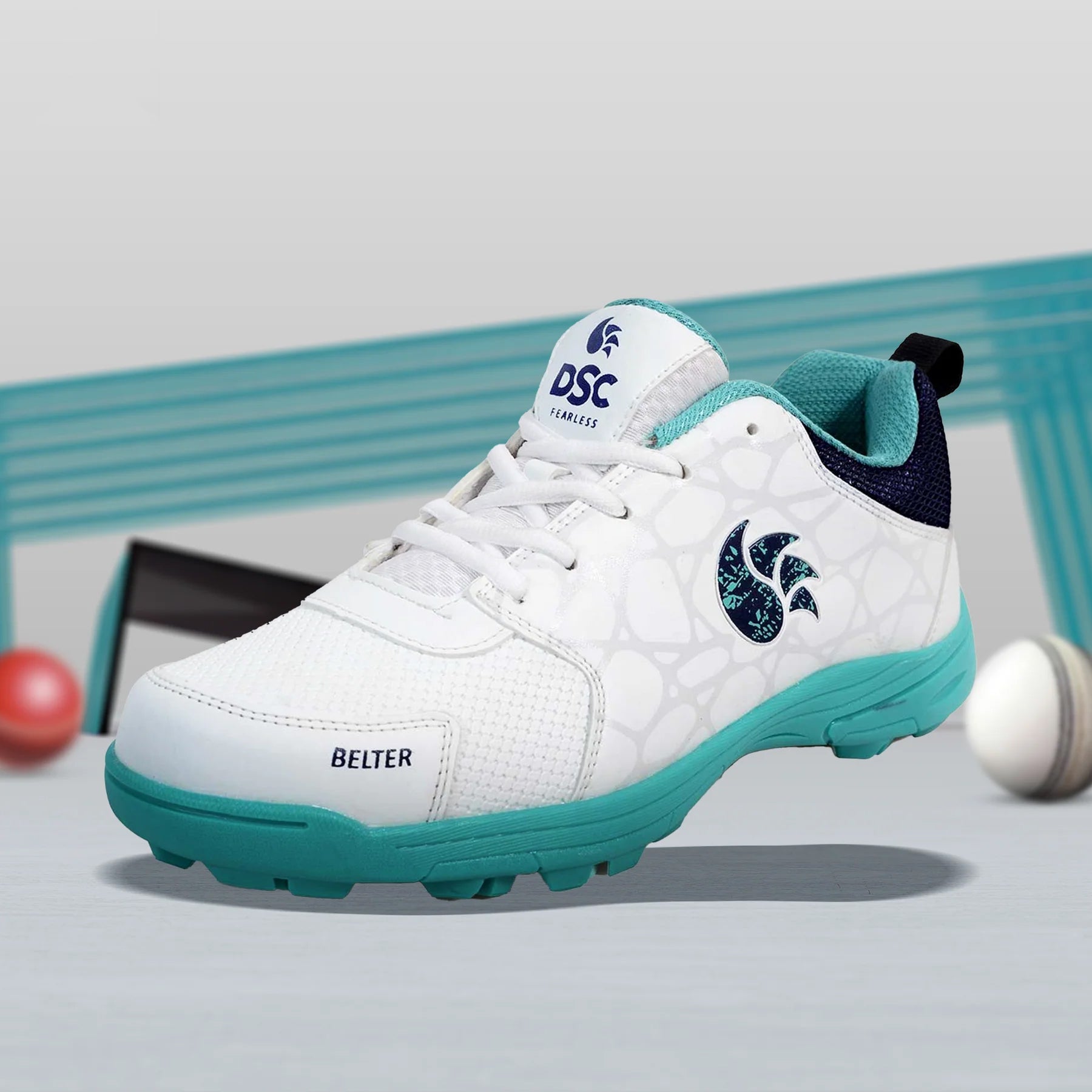
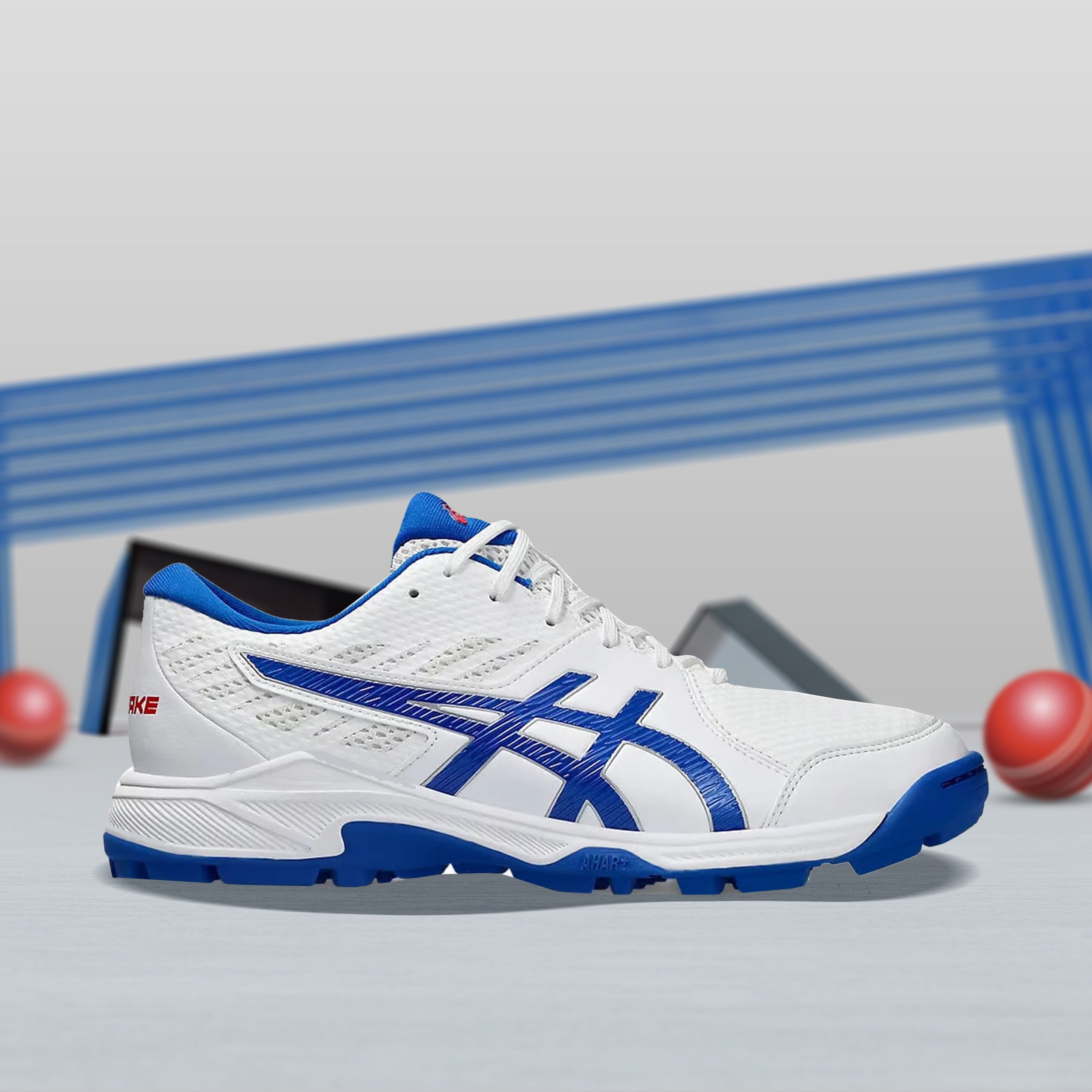
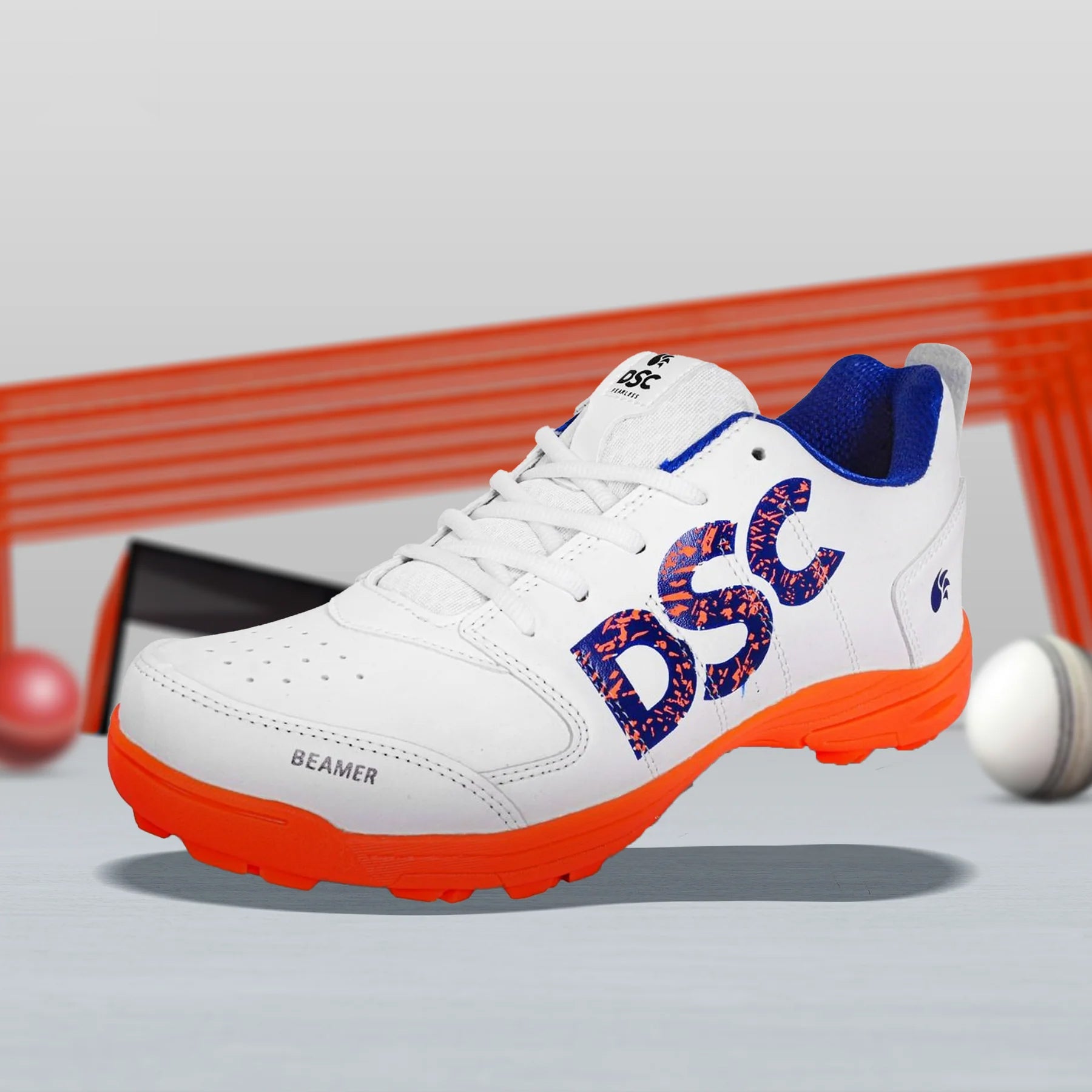
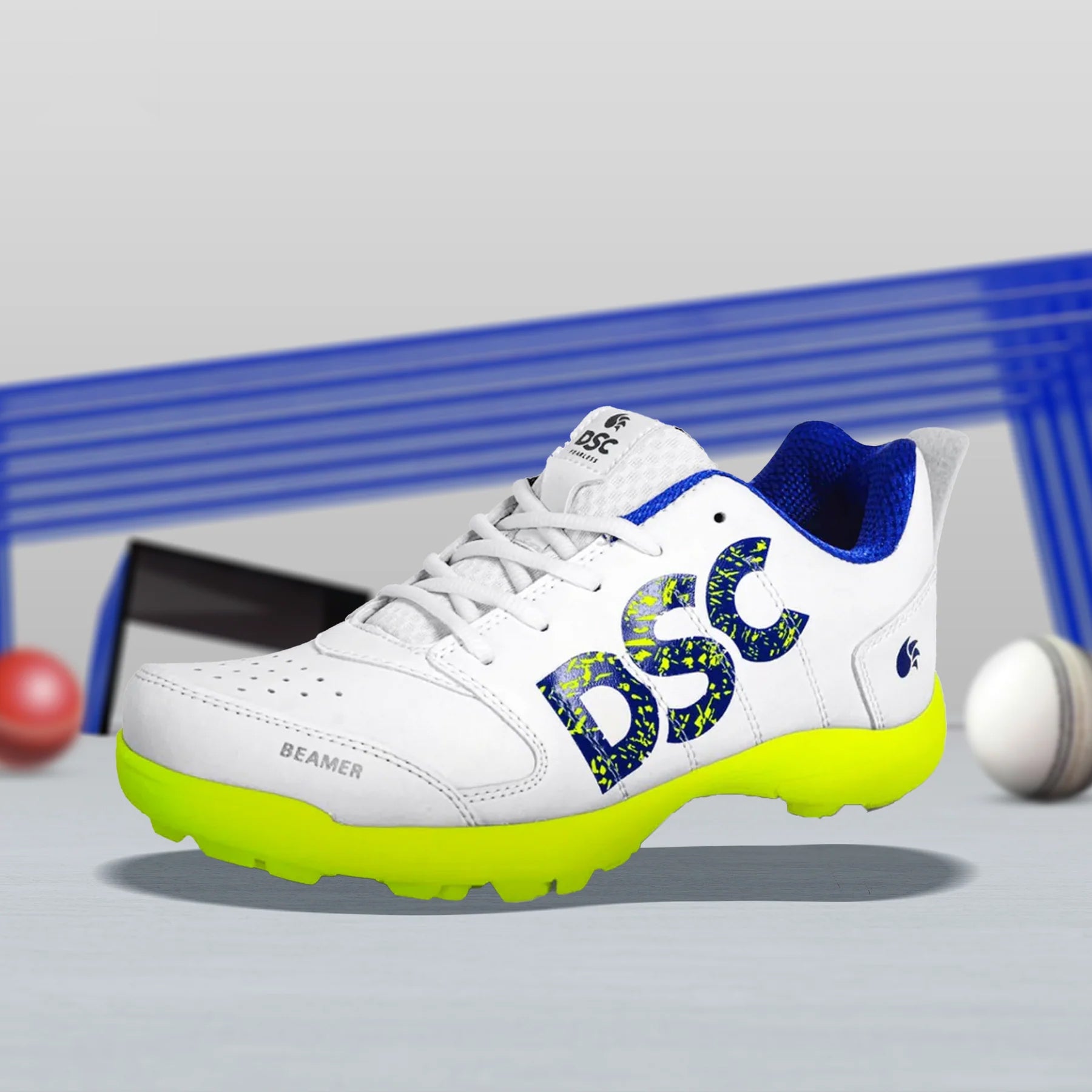
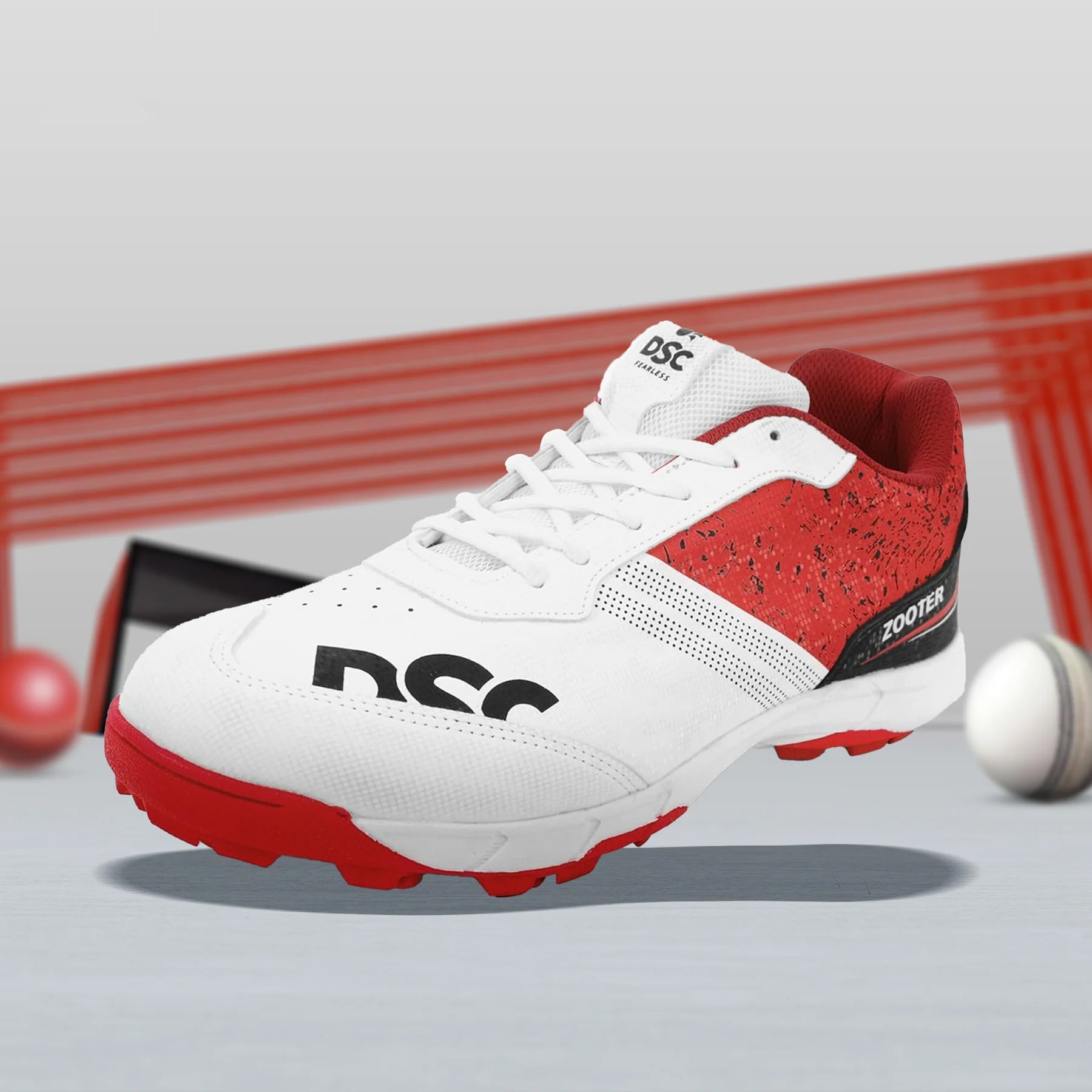
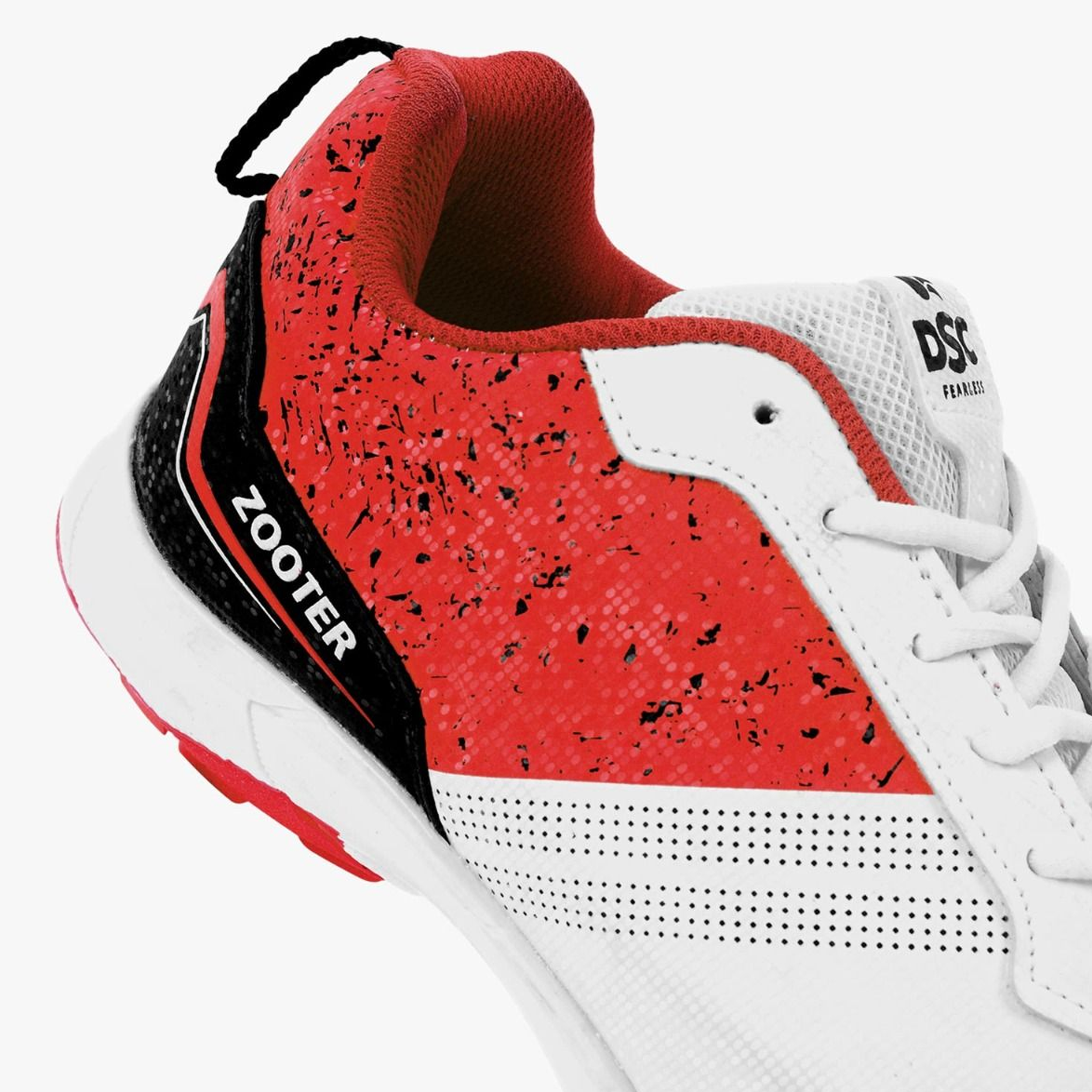
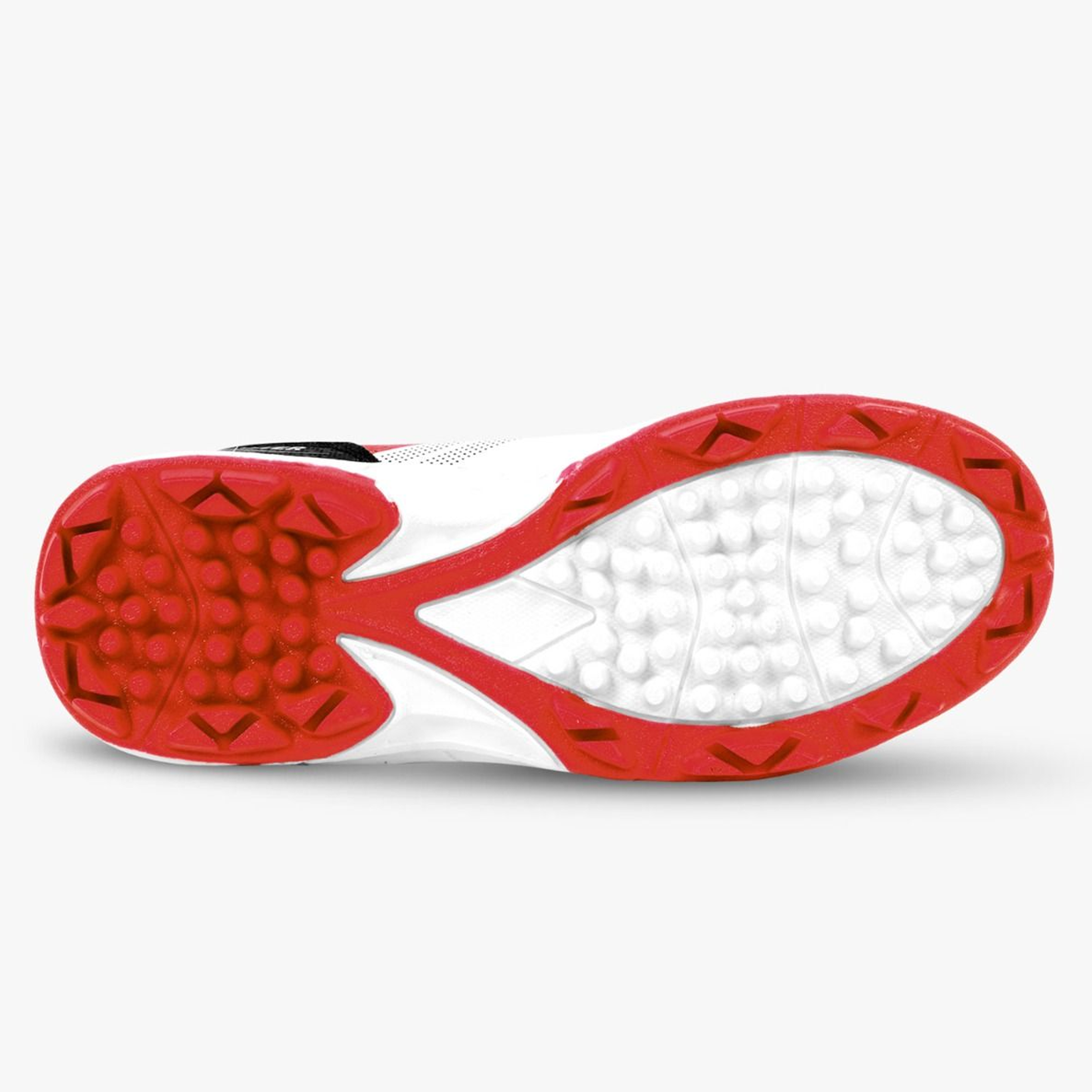
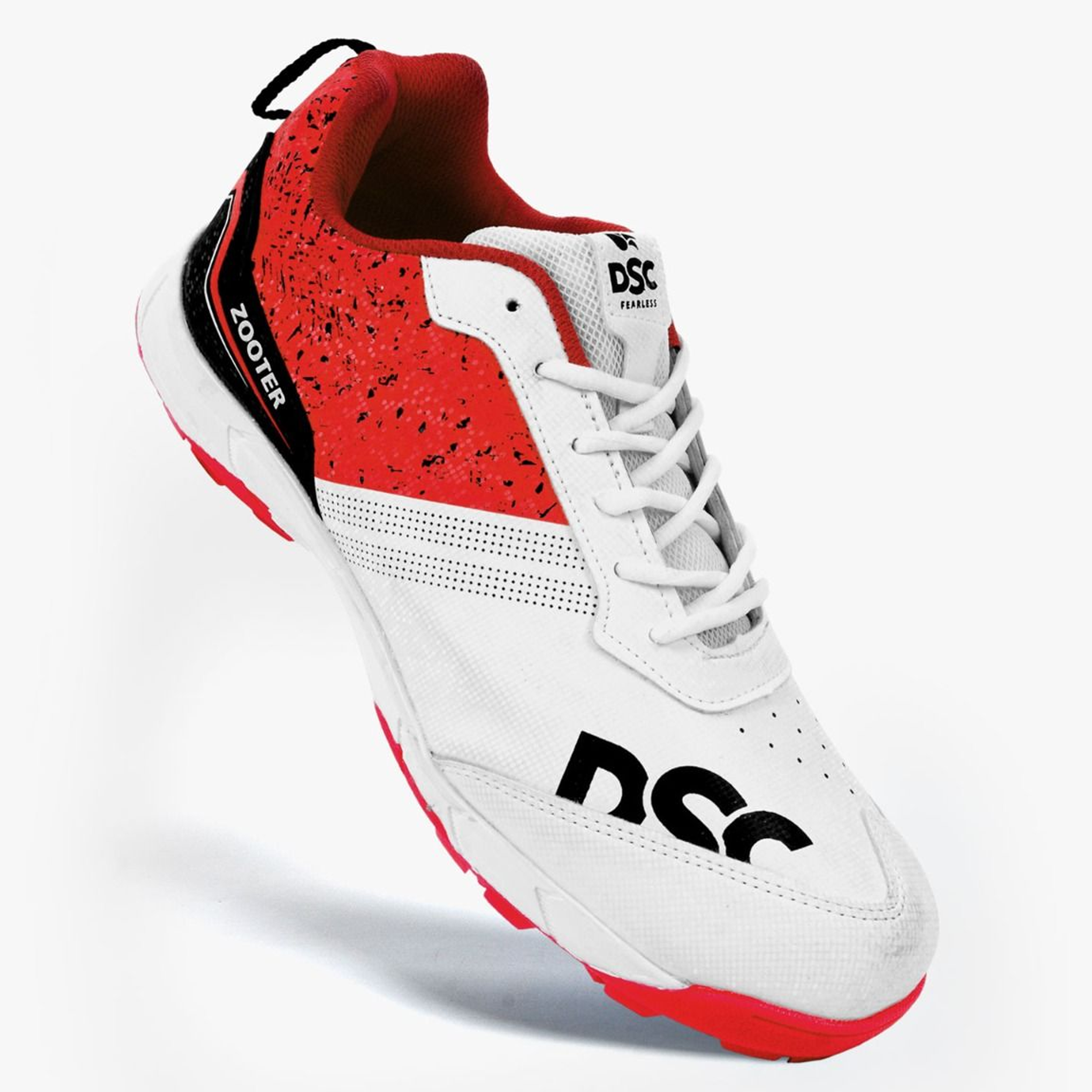
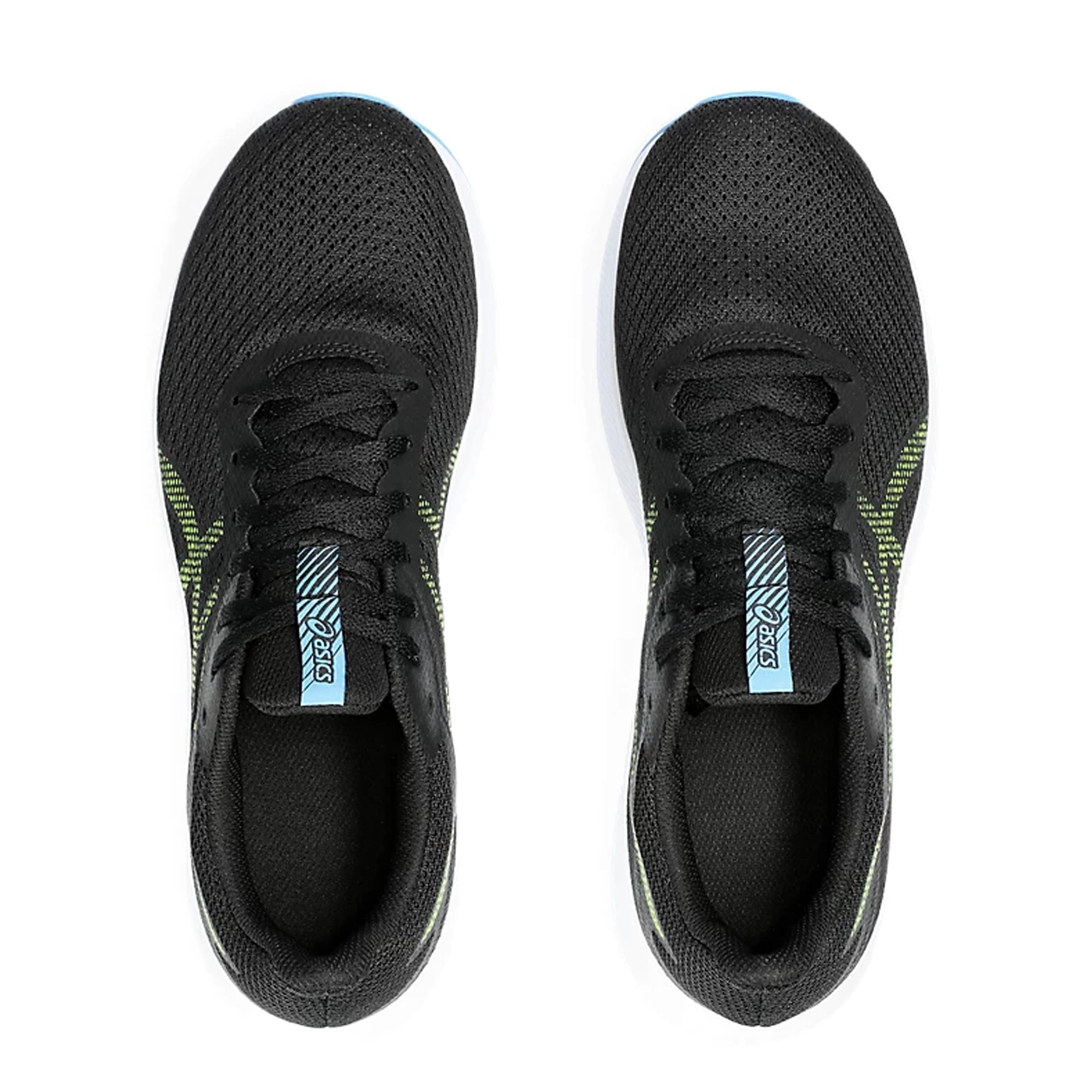
| Shoes | For movement and agility | Non-marking sole, good support |
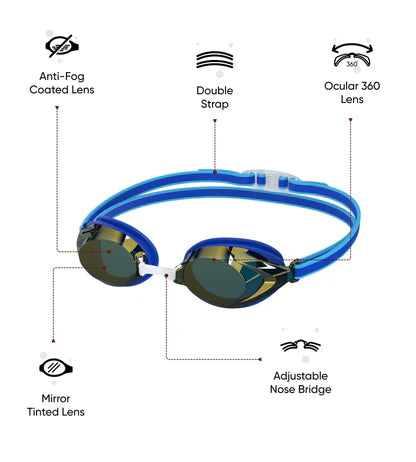
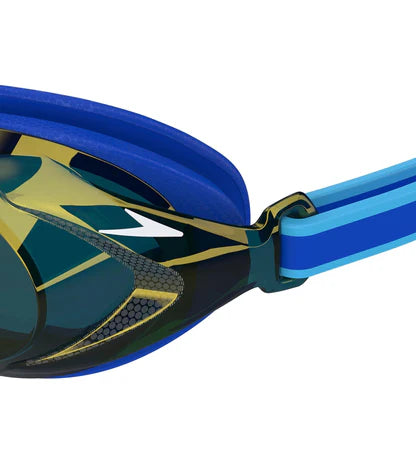
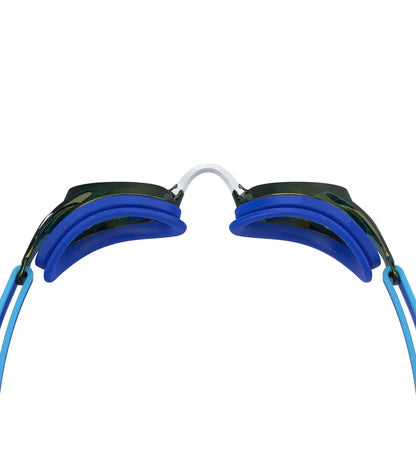
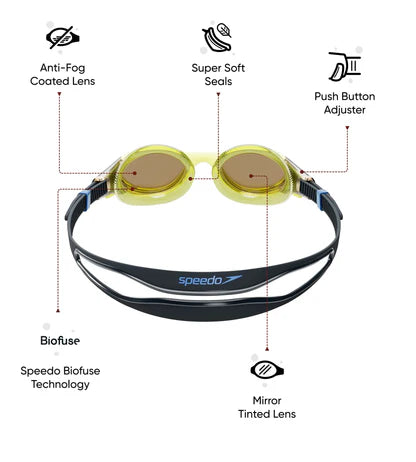
| Eyewear | To protect the eyes | Impact-resistant, clear vision |
Basic Techniques: Serve and Rally
Every sport has its foundational techniques, and squash is no exception. Mastering the serve and rally is key to gaining a competitive edge.
The Serve
Serves in squash set the rhythm of the game. As a beginner, focus on a consistent underhand or forehand serve that lands high on the front wall, ideally landing deep in the opponent’s service box. Remember to vary your serve to keep the opponent guessing.
Rally Techniques
Once the serve is made, the rally begins. Key shots include the drive, boast, and drop. Each shot has its own strategic purpose, whether it be maintaining control or applying pressure by forcing your opponent to cover more court area. Consistency and control are paramount at this stage.
Fitness and Form: The Key to Improvement
Building Endurance
Squash is highly demanding physically. Cardiovascular fitness plays a crucial role. Incorporating cardio exercises such as running, cycling, or interval training will enhance your on-court performance and endurance.
Focus on Form
Good form translates into effective shots. Practicing your footwork, managing court space efficiently, and maintaining the right posture during swings can significantly enhance your gameplay.
Mind Over Matter: Developing Strategy
Understanding Opponent's Weaknesses
Observing your opponent's weaknesses and capitalizing on them is an essential skill. Beginners should focus on a balanced game plan while gradually learning to exploit opponent weaknesses.
Anticipation and Reaction
Squash is as much about anticipation as it is about reaction. Developing the ability to foresee your opponent's shots can greatly sharpen your defensive and offensive strategies.
Joining the Squash Community
As you progress, consider joining local squash clubs or communities. Engaging with fellow enthusiasts not only enriches your experience but provides invaluable opportunities for learning and growth.
Conclusion
Starting with squash can be an immensely rewarding journey. Each element of the sport, from equipment and techniques to fitness and strategy, offers a unique challenge and opportunity for growth. Embrace the learning curve, and you'll find yourself developing not only as a squash player but as an athlete, strategizing and thriving in the fast-paced world of squash.
















































































Share:
The Historical Tapestry and Lasting Legacy of Skating
Mastering Modern Sportswear: A Beginner's Guide to LifeStyle Apparel