
Introduction to Nutrition
Welcome to the world of nutrition. For those venturing into sports or looking to enhance their athletic performance, understanding nutrition is crucial. The right diet can not only improve energy levels but also synergize with your training efforts for optimal results.
Why Nutrition Matters for Athletes
Nutrition plays a pivotal role in sports performance. It helps athletes maintain energy levels, enhance recovery, and sustain peak performance. With the right nutrients, athletes can optimize their body's functionality, from building muscle to improving endurance.
Key Components of Sports Nutrition
Before diving into specifics, let’s break down the primary components of sports nutrition:
- Macronutrients: Include carbohydrates, proteins, and fats. They are the primary energy source and help with muscle recovery.
- Micronutrients: Vitamins and minerals play a critical role in energy production and metabolic efficiency.
- Hydration: Essential for maintaining performance, as even minimal dehydration can impact athletic capabilities.
Comparing Nutritional Strategies: Finding What Works for You
Finding the right nutrition strategy can be daunting, especially with the plethora of information available. Here, we compare three popular approaches to help you identify the best fit for your needs:
| Approach | Key Benefits | Potential Pitfalls | Ideal For |
|---|---|---|---|
| High-Carb Diet | Increases glycogen stores for endurance sports, quick energy supply. | Potential for weight gain, not suitable for sports requiring rapid weight changes. | Endurance athletes (e.g., marathon runners, cyclists). |
| High-Protein Diet | Supports muscle repair and growth, helps with body composition. | Risk of excessive calorie intake, kidney strain if not monitored. | Strength and resistance trainers (e.g., bodybuilders). |
| Keto Diet | Fat adaptation can enhance long-duration energy supply, helps with weight management. | Initial adaptation phase, potential loss of muscle mass without careful planning. | Athletes looking for weight management (e.g., weight-class athletes). |
Hydration: The Unsung Hero
Hydration often takes a back seat but is equally essential. Muscles need water to contract effectively and support metabolic processes. Sports drinks, offering a mix of water, electrolytes, and energy, can be particularly beneficial during long or intense sessions.
Choosing the Right Hydration Strategy
- For short-term exercises (less than an hour), water is sufficient.
- For longer exercises, consider sports drinks for electrolyte replenishment.
- Monitor urine color as a hydration gauge. A pale yellow indicates adequate hydration.
Supplements: Friend or Foe?
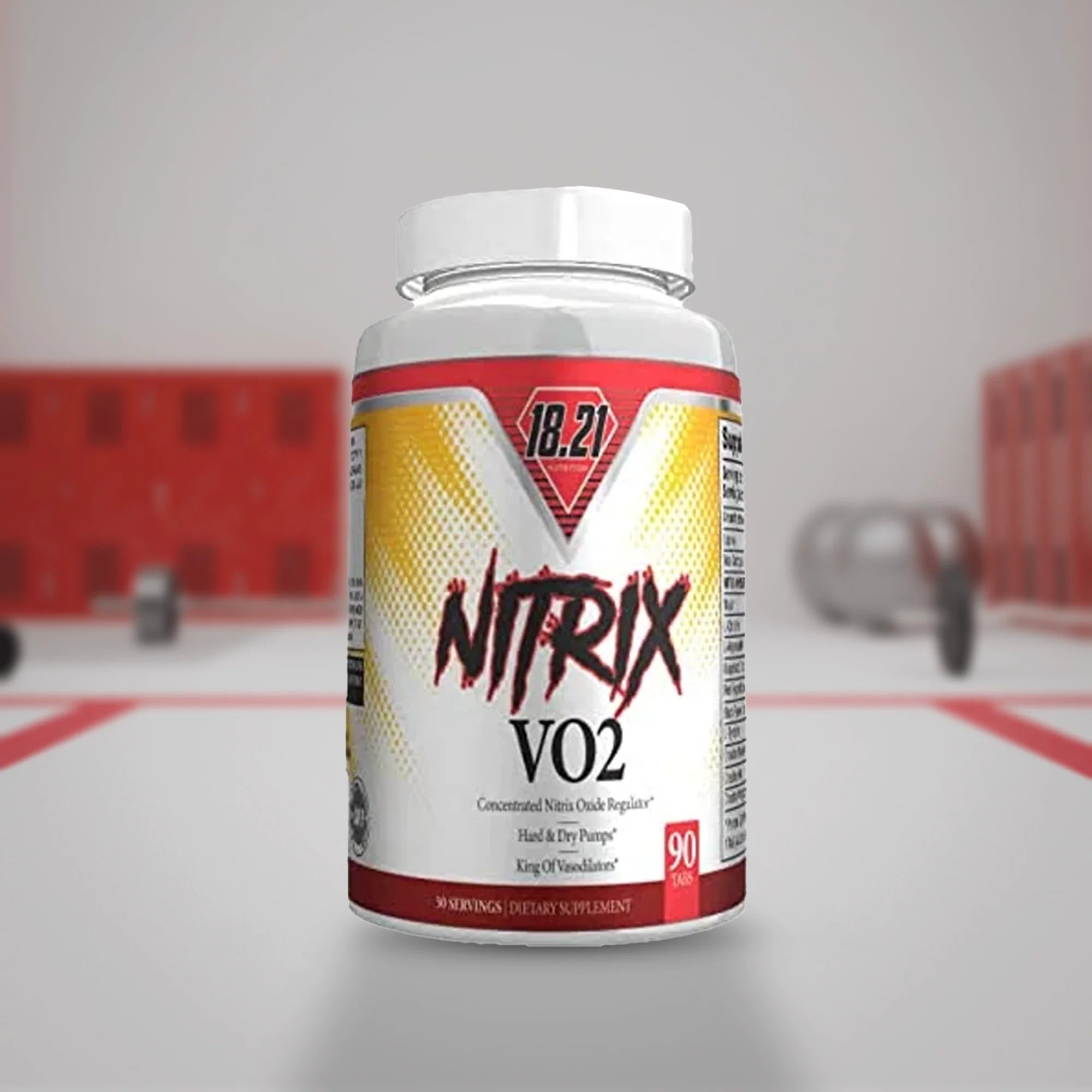
Supplements can provide a beneficial edge but are not a substitute for a balanced diet. Popular choices include protein powders, BCAAs, and creatine. Ensure supplements are third-party tested to confirm quality and efficacy.
Who Should Consider Supplements?
Athletes with specific gaps in their diet, those with high nutrient demands, or individuals on the go who might need a convenient nutrition source.
Personalization: Tailoring Nutrition to Your Needs
Every athlete is unique, with different demands based on sport, body composition, and personal goals. Consider consulting a nutritionist to craft a personalized plan that aligns with your lifestyle, budget, and goals.
Conclusion: Empowering Your Athletic Journey
Understanding and implementing a nutritional plan that complements your training regimens is essential for maximizing athletic potential. Don't be afraid to test and adjust—what works for one person might not work for another. Remember, the right nutritional strategy will empower you to break past personal benchmarks and unleash your full potential in your chosen sport.





















































































































Share:
A Beginner's Masterclass on Running: Your Ultimate Comparison Guide
The Ever-Evolving World of Table Tennis: A Deep Dive into History and Legacy