

Squash is a fast-paced racquet sport that blends agility, strategy, and precision. It has gained a large following globally, and with its easy-to-access setup, it’s becoming a popular choice for fitness enthusiasts. In this beginner masterclass, we will delve into the fundamentals of Squash, uncovering the equipment needed, basic techniques, and strategic insights.
Squash: A Brief Overview
Squash is played in a four-walled court with a small, hollow rubber ball. Despite its straightforward setup, this sport is an intense cardiovascular workout, demanding players to possess excellent hand-eye coordination and quick reflexes.
Essential Gear for Beginners
To start playing squash, beginners need minimal equipment, which includes a squash racquet, balls, suitable footwear, and protective eyewear. Here's a breakdown of these essentials:
| Equipment | Function | Recommended Features |
|---|---|---|
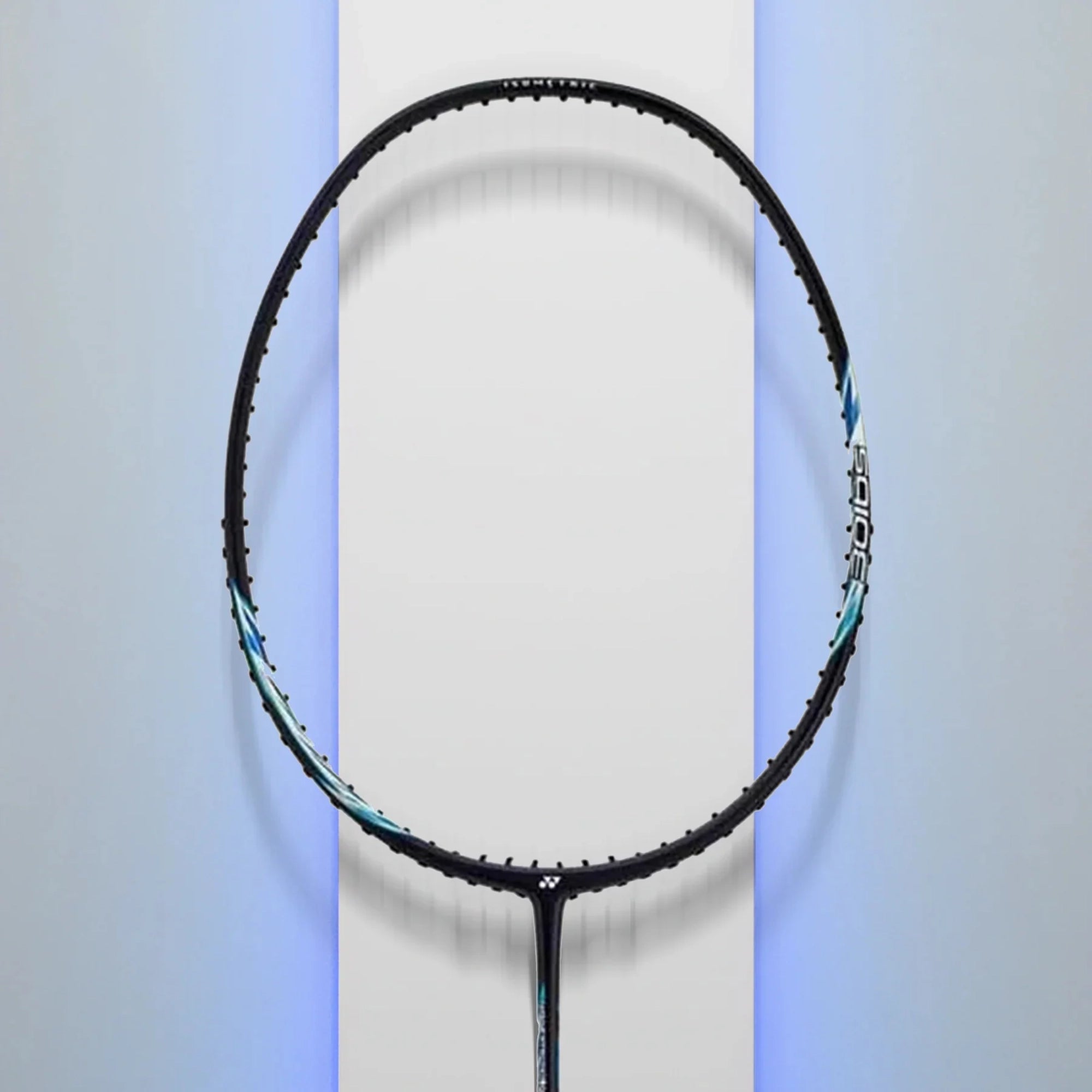
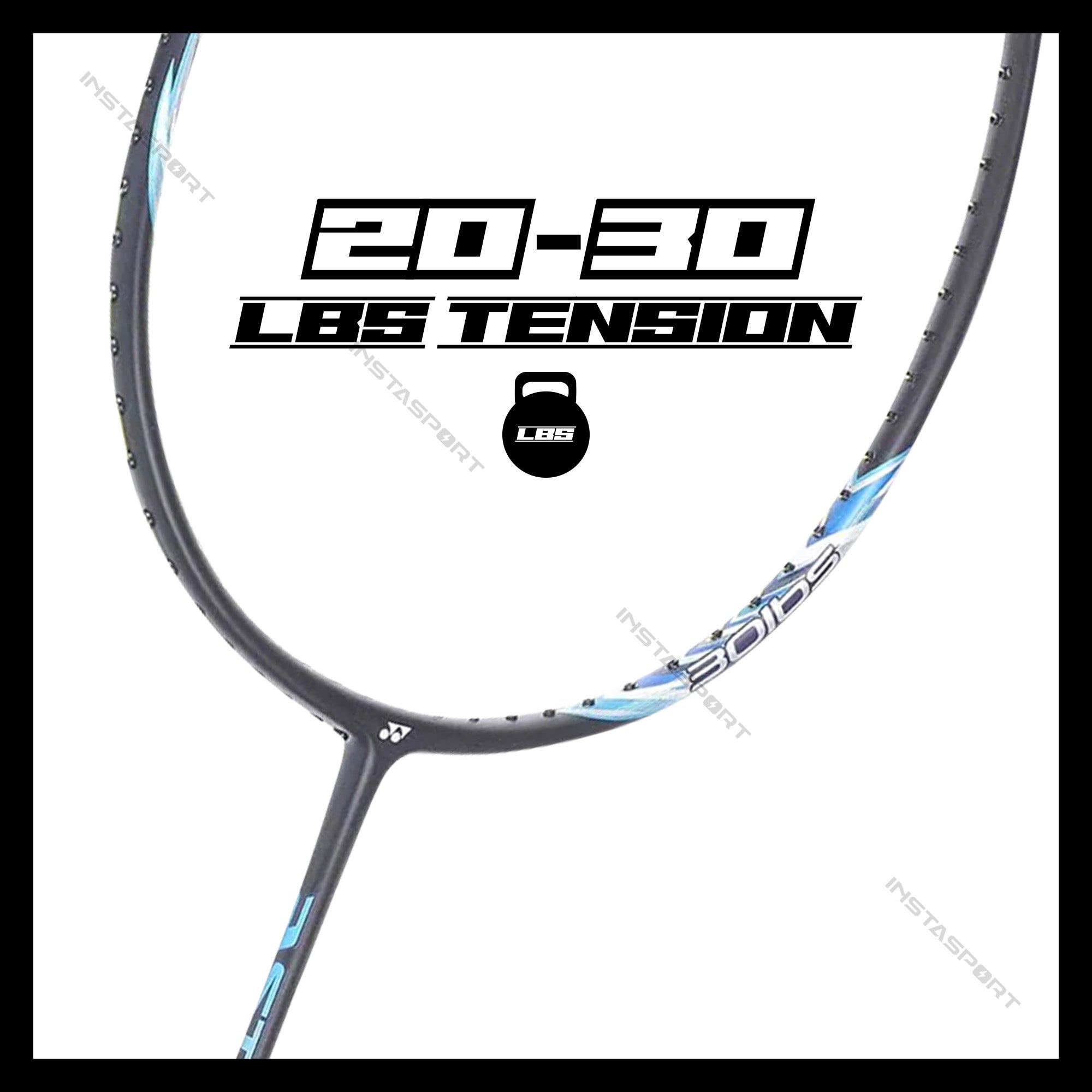
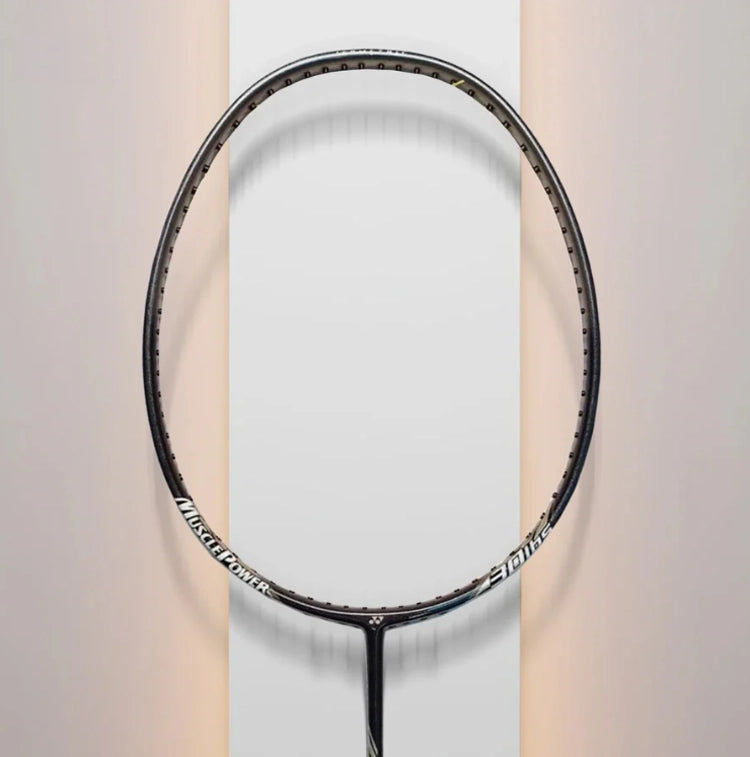
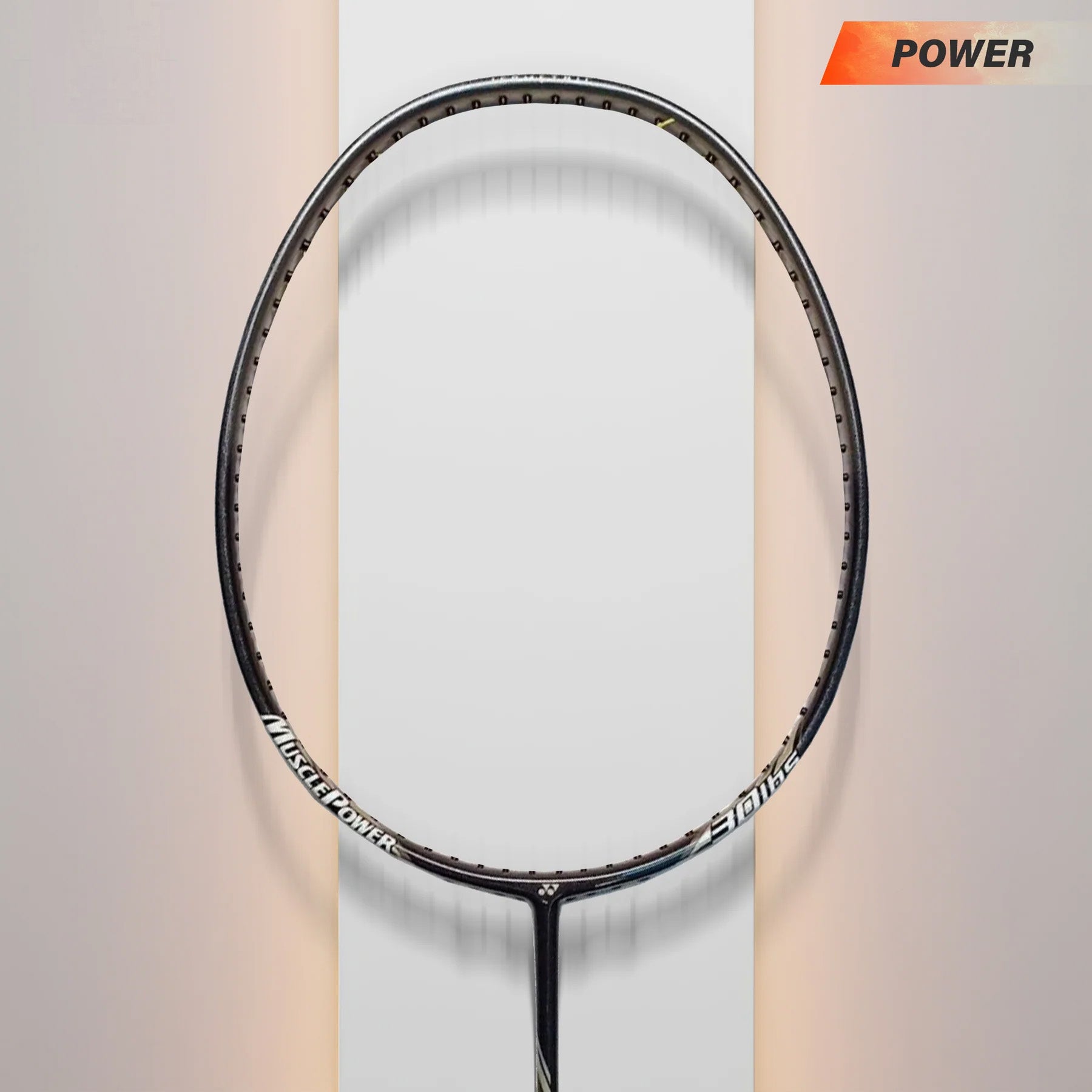
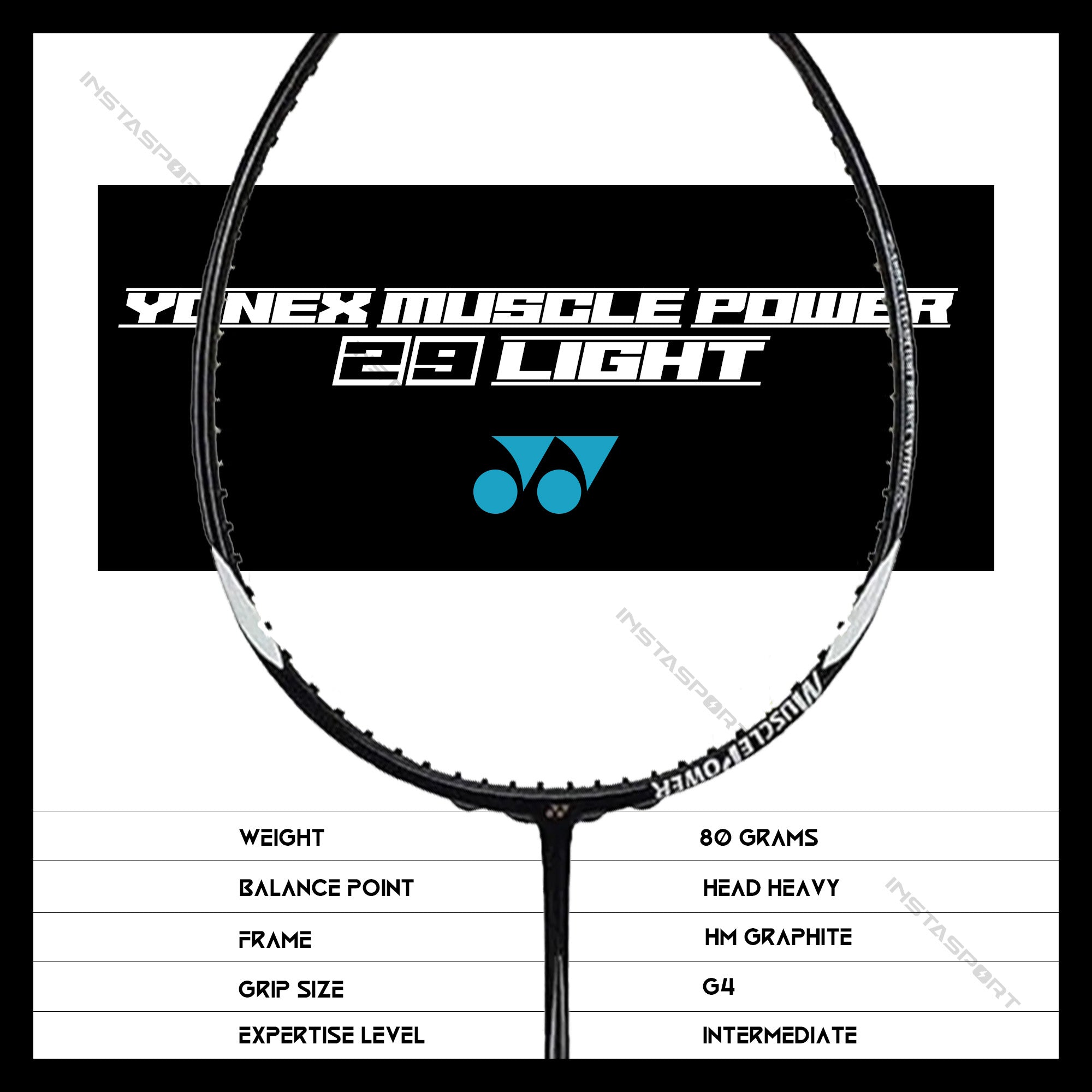
| Squash Racquet | Used to strike the ball | Lightweight, approximately 140-170 grams, head size around 500 sq.cm |
| Squash Balls | Varies in speed and bounce for different skills | Double yellow dot for advanced play; single yellow or blue dot for beginners |
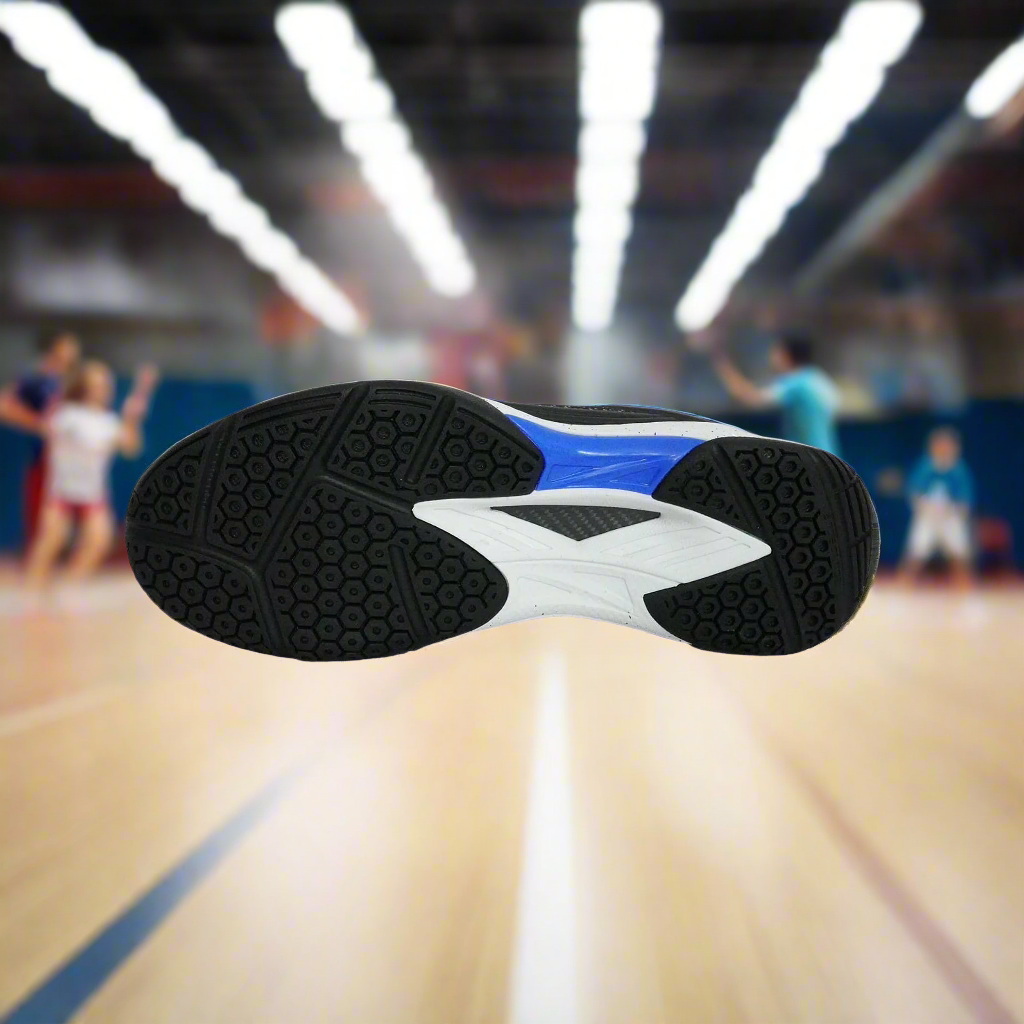
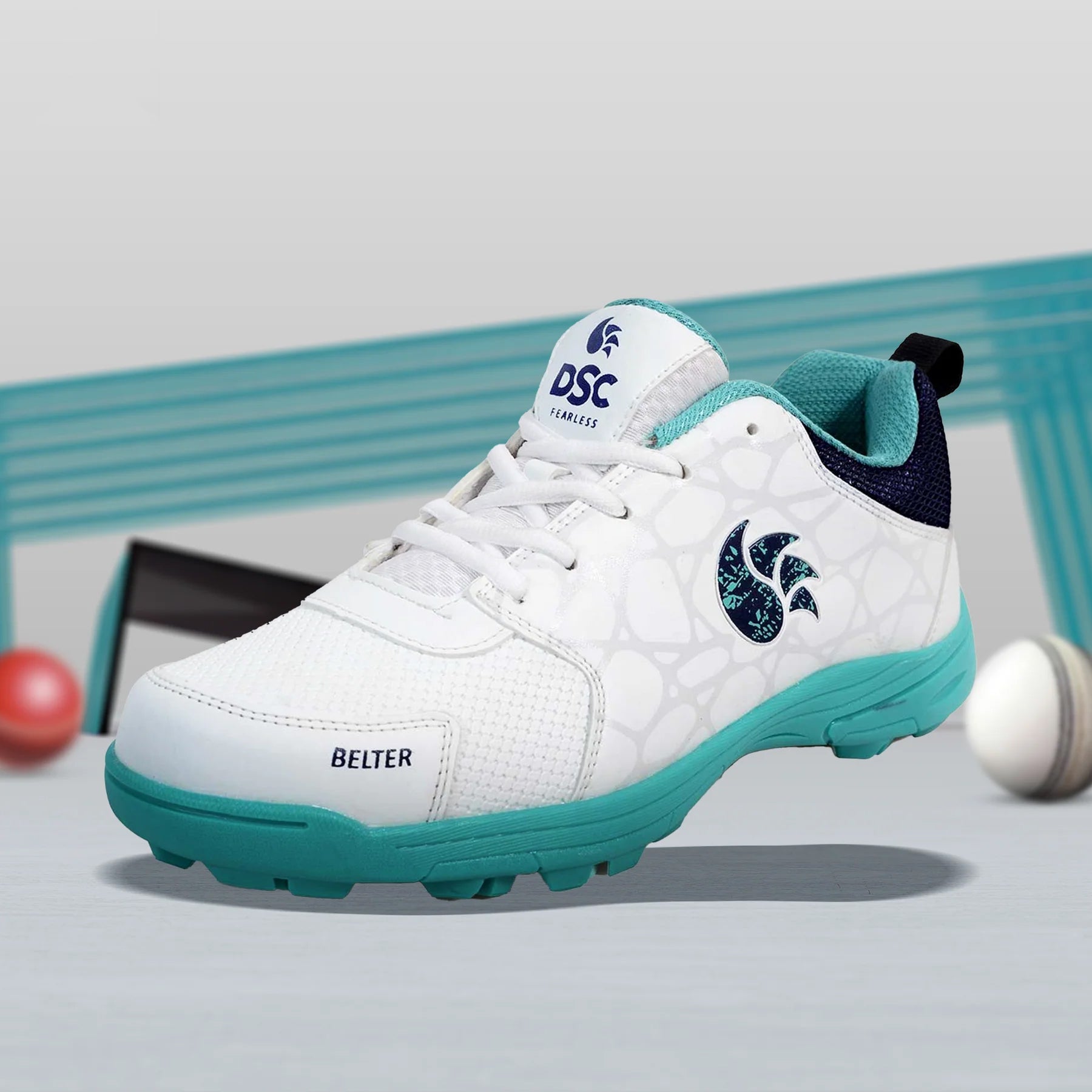
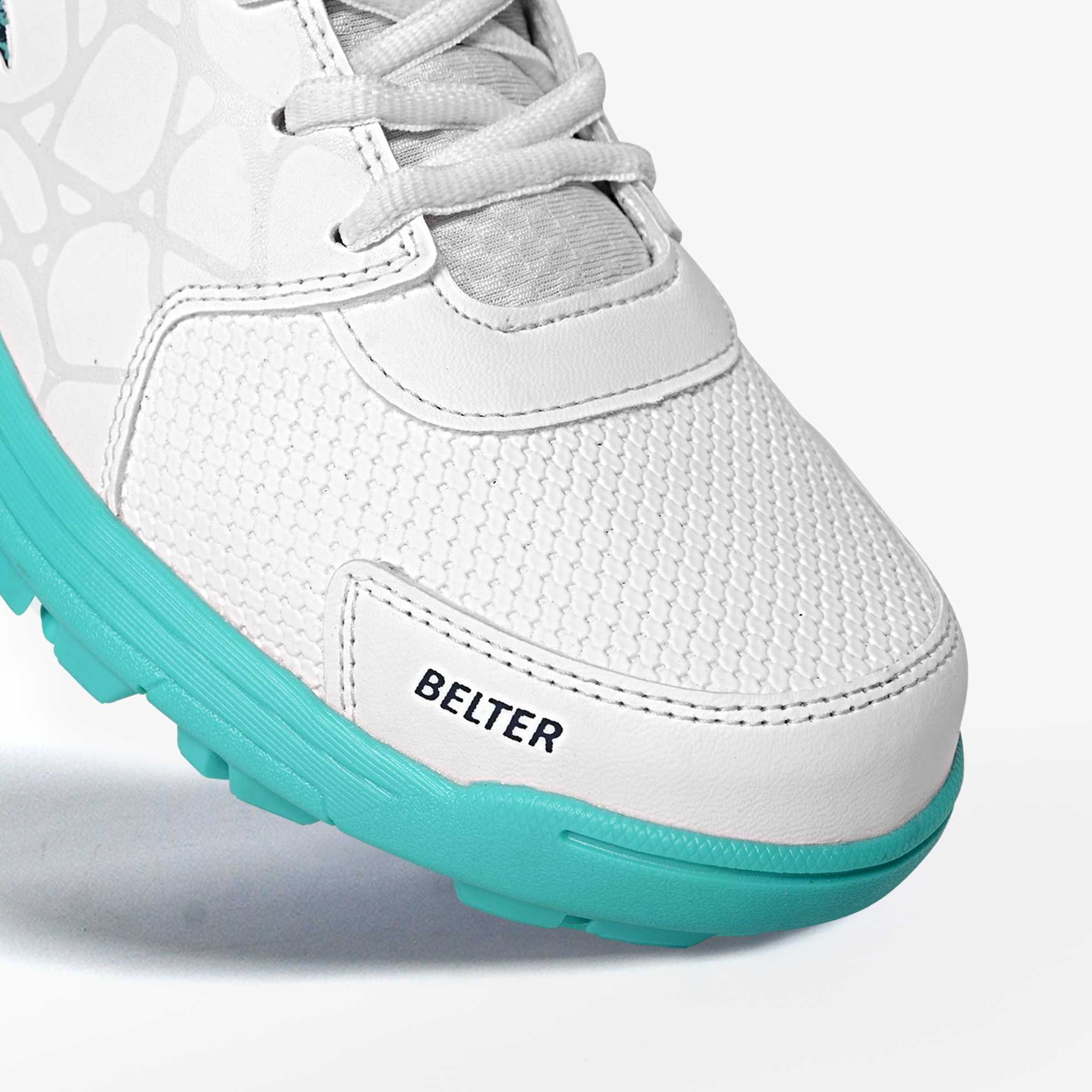
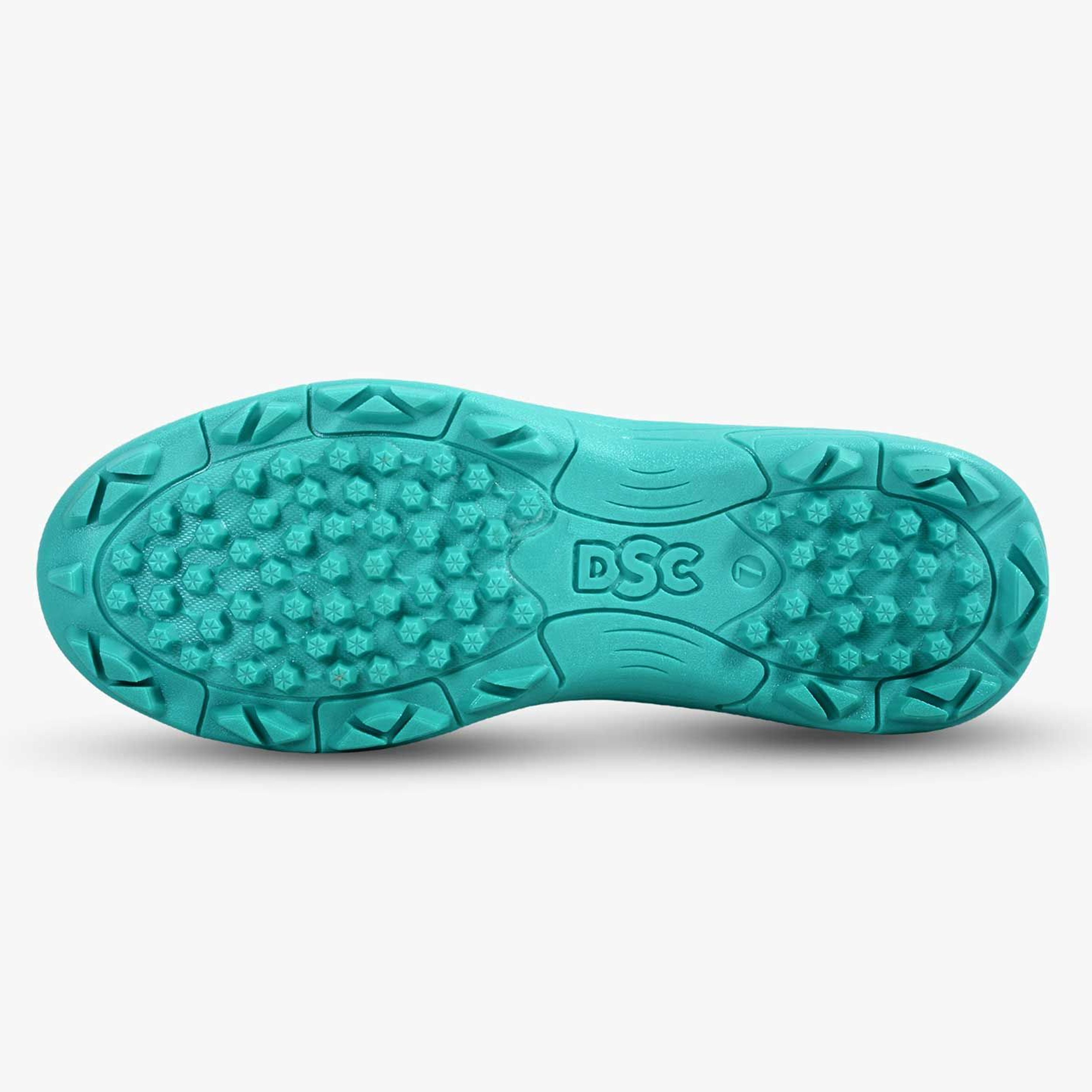
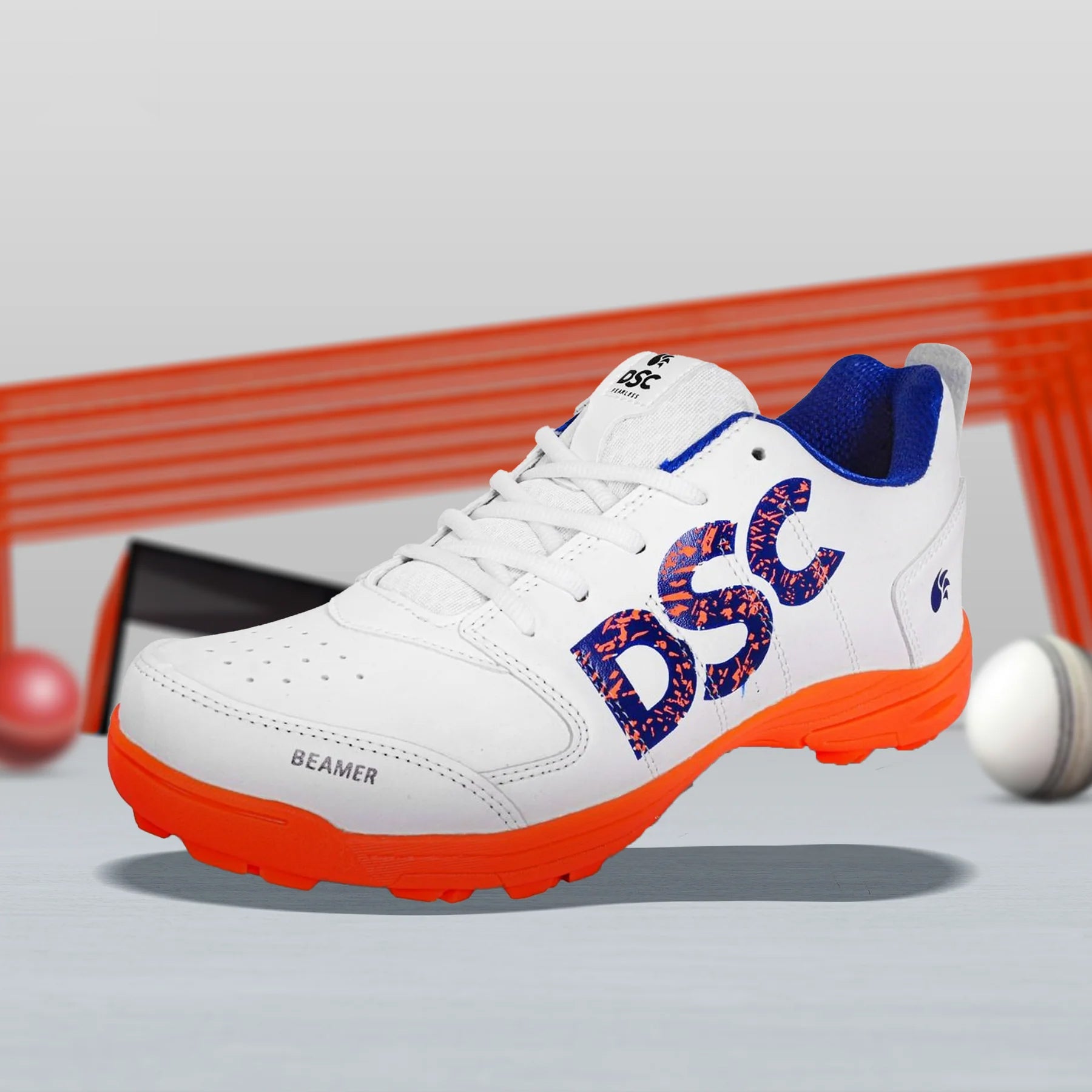
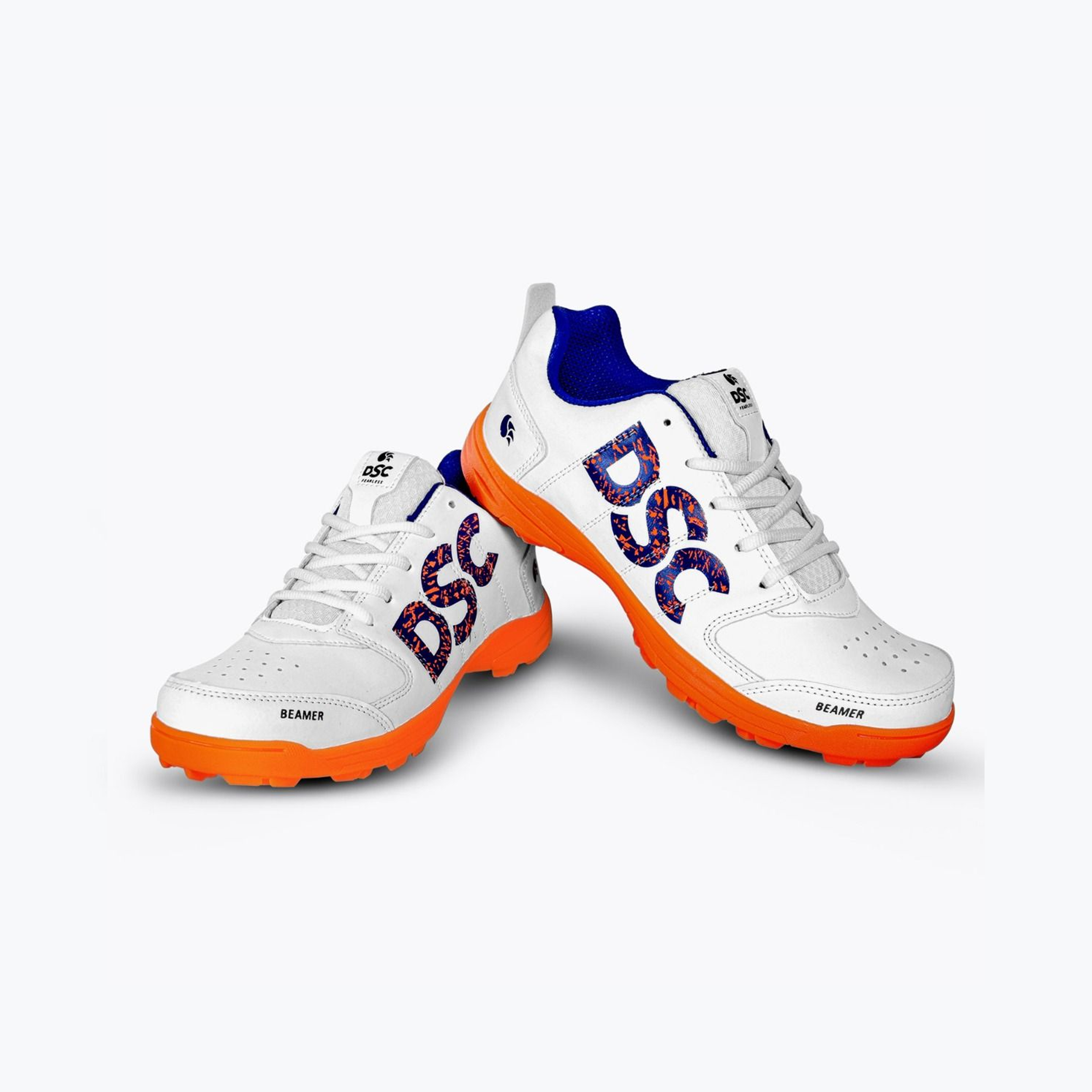
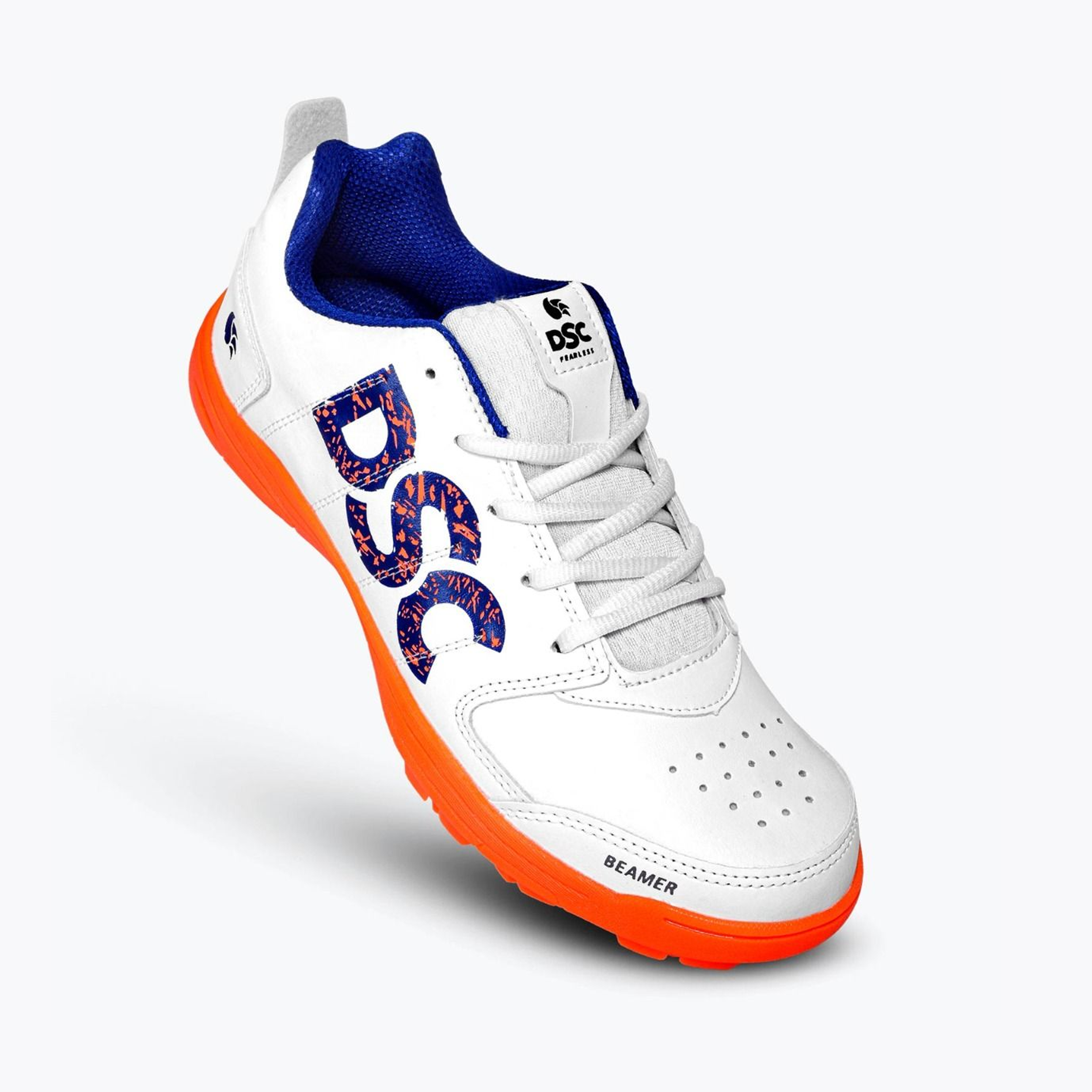
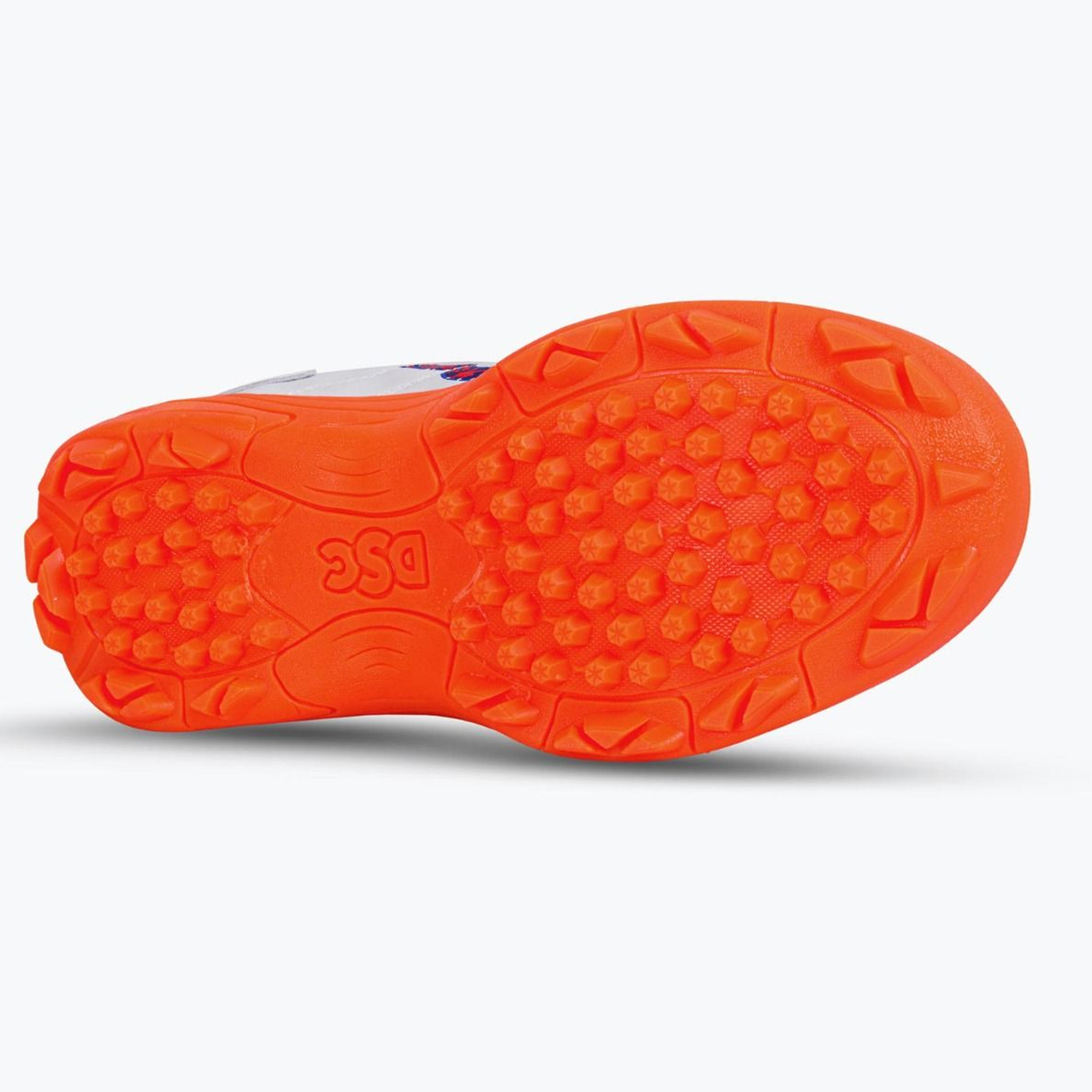
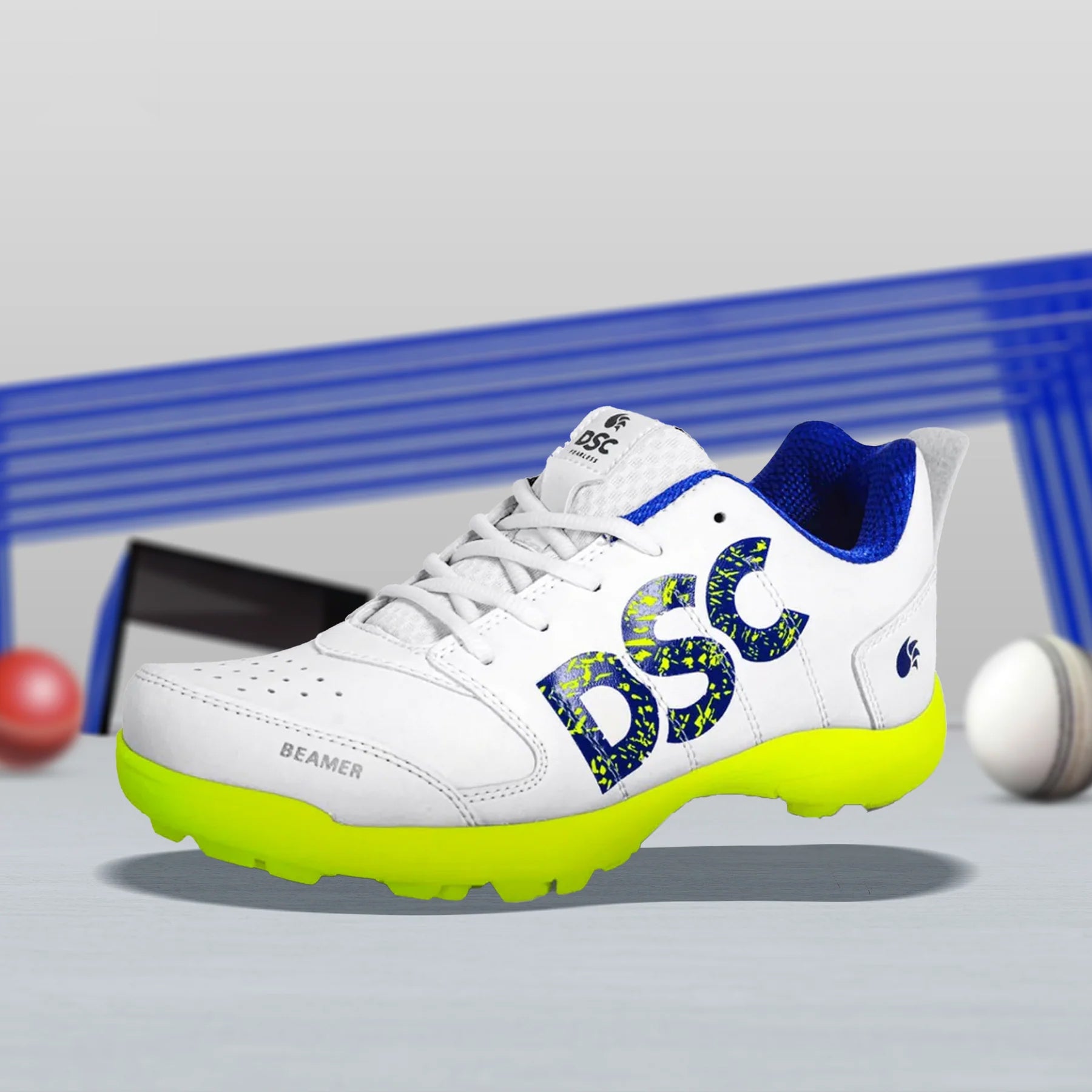
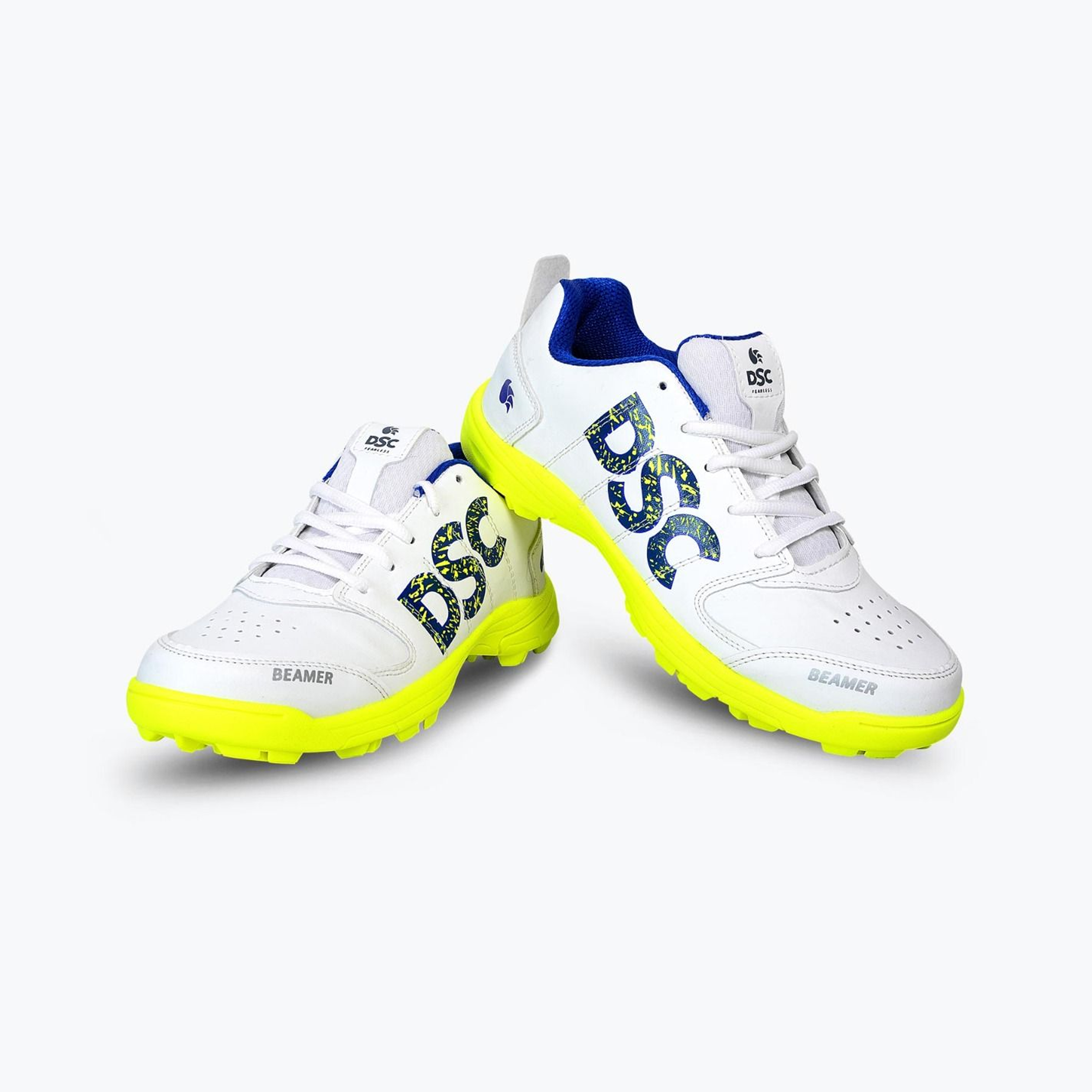
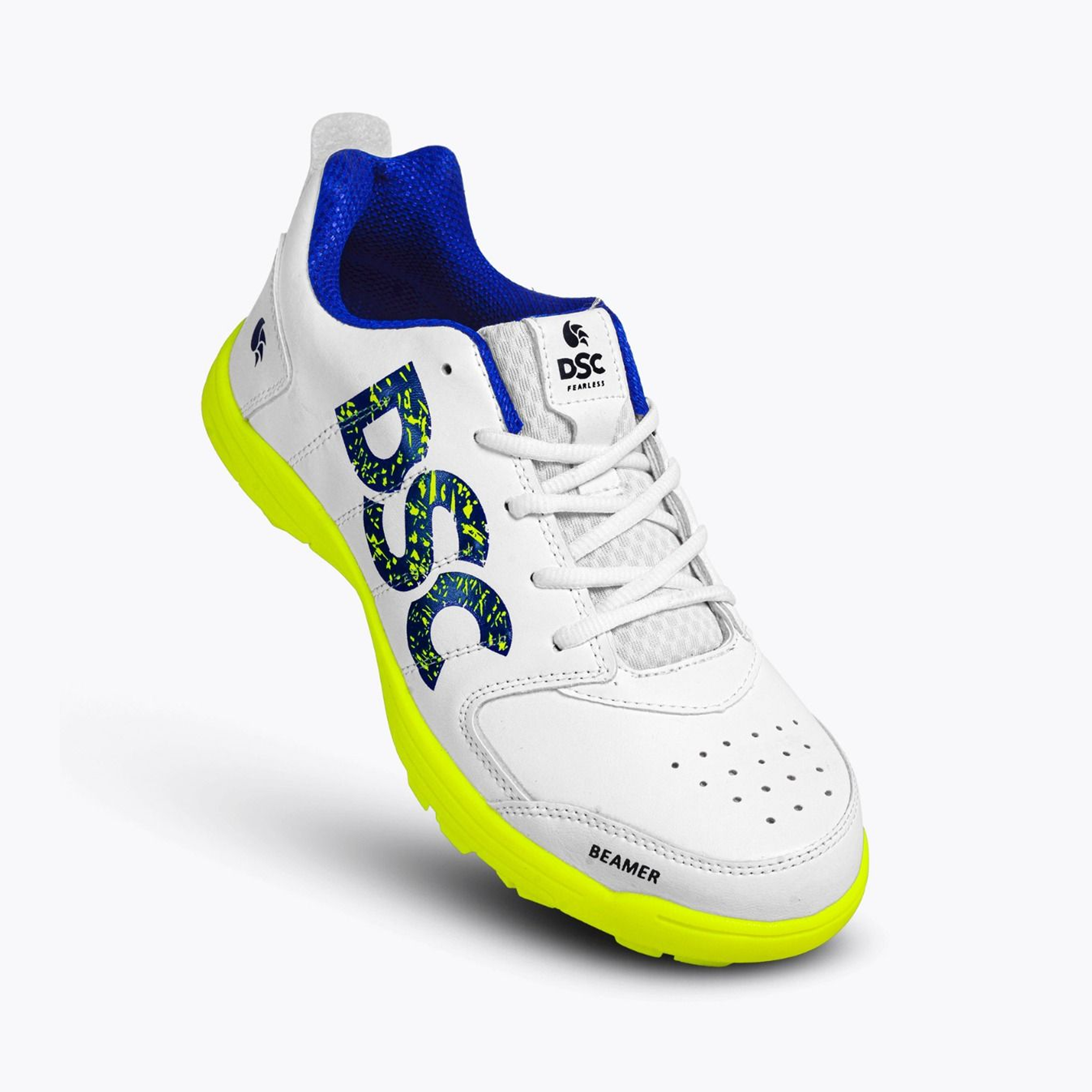
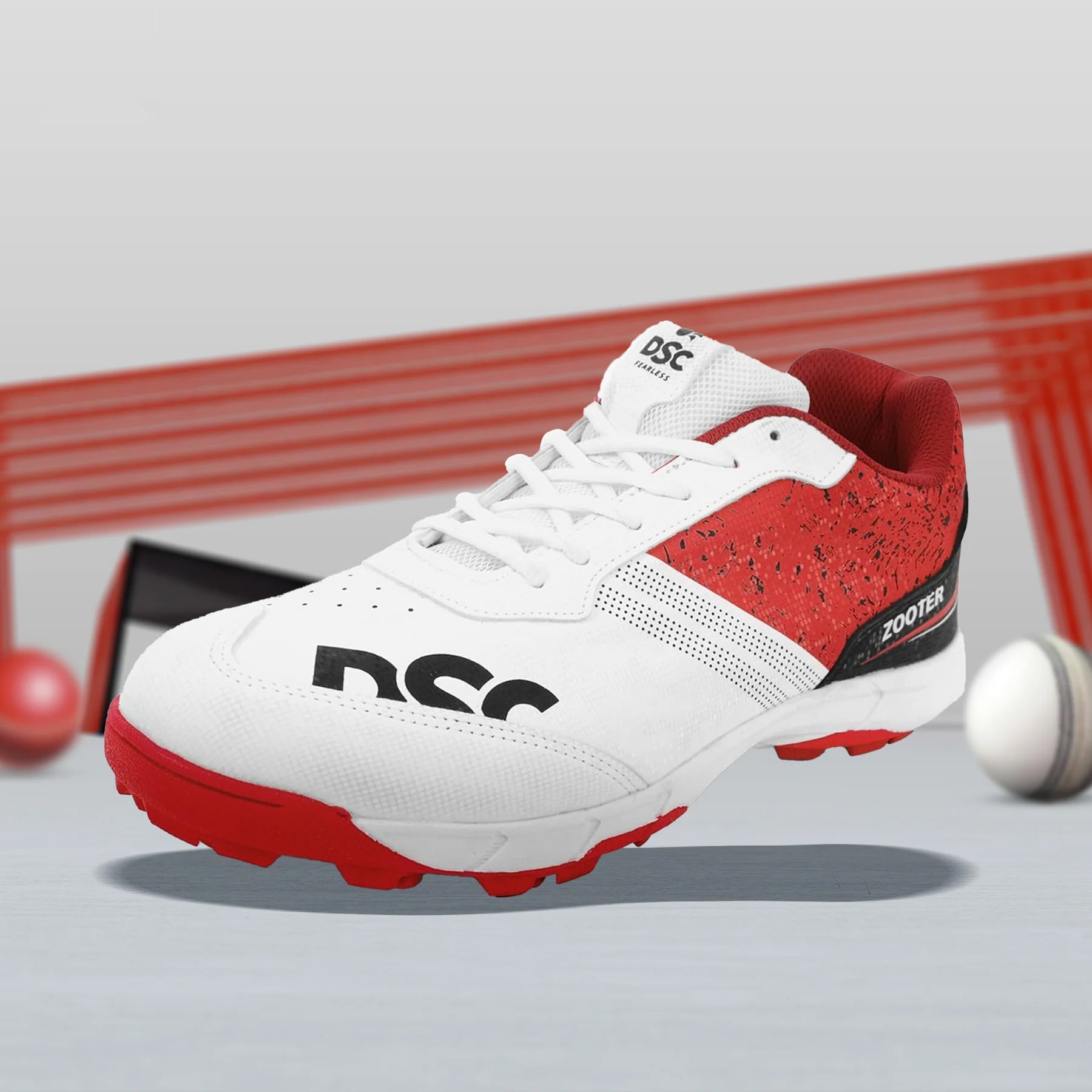
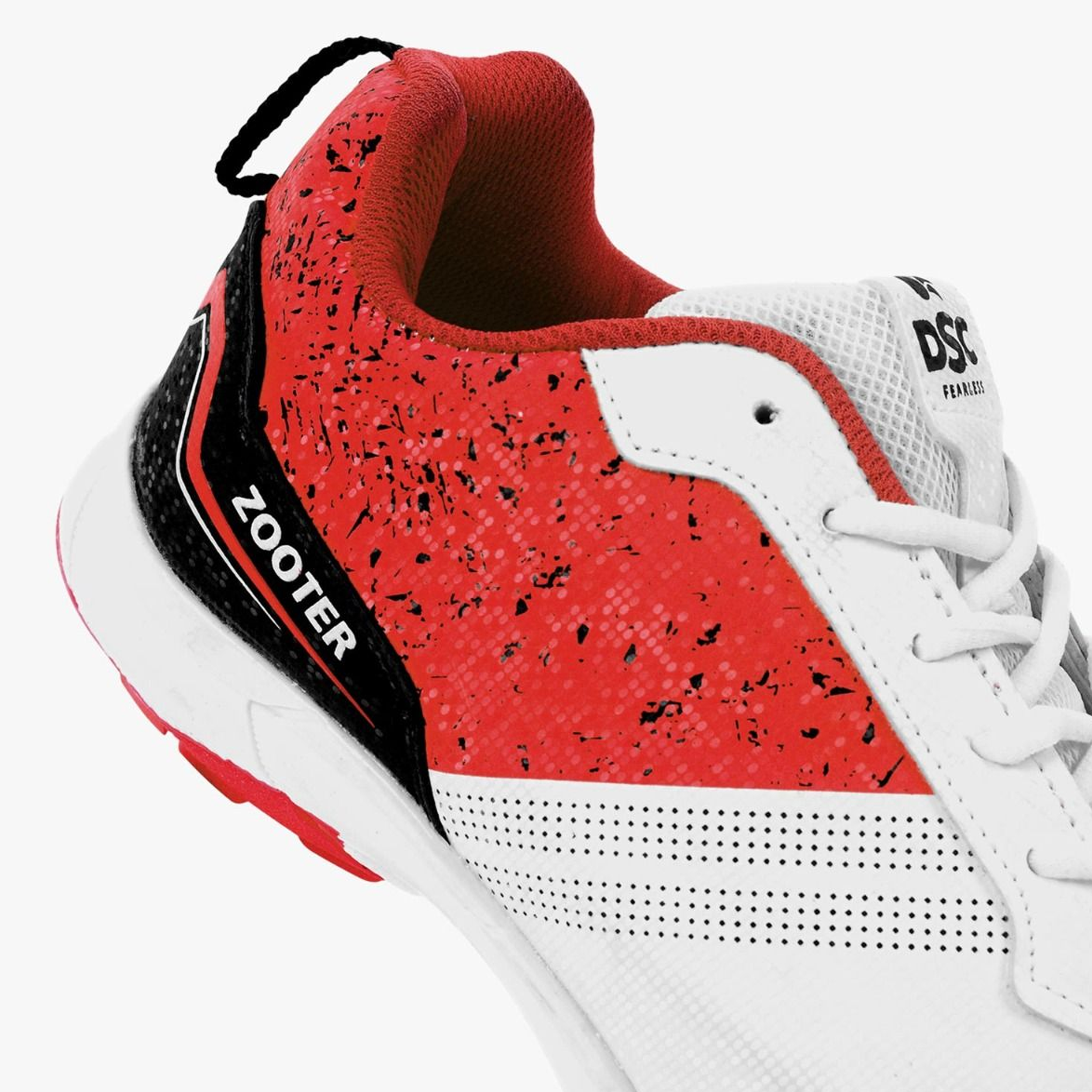
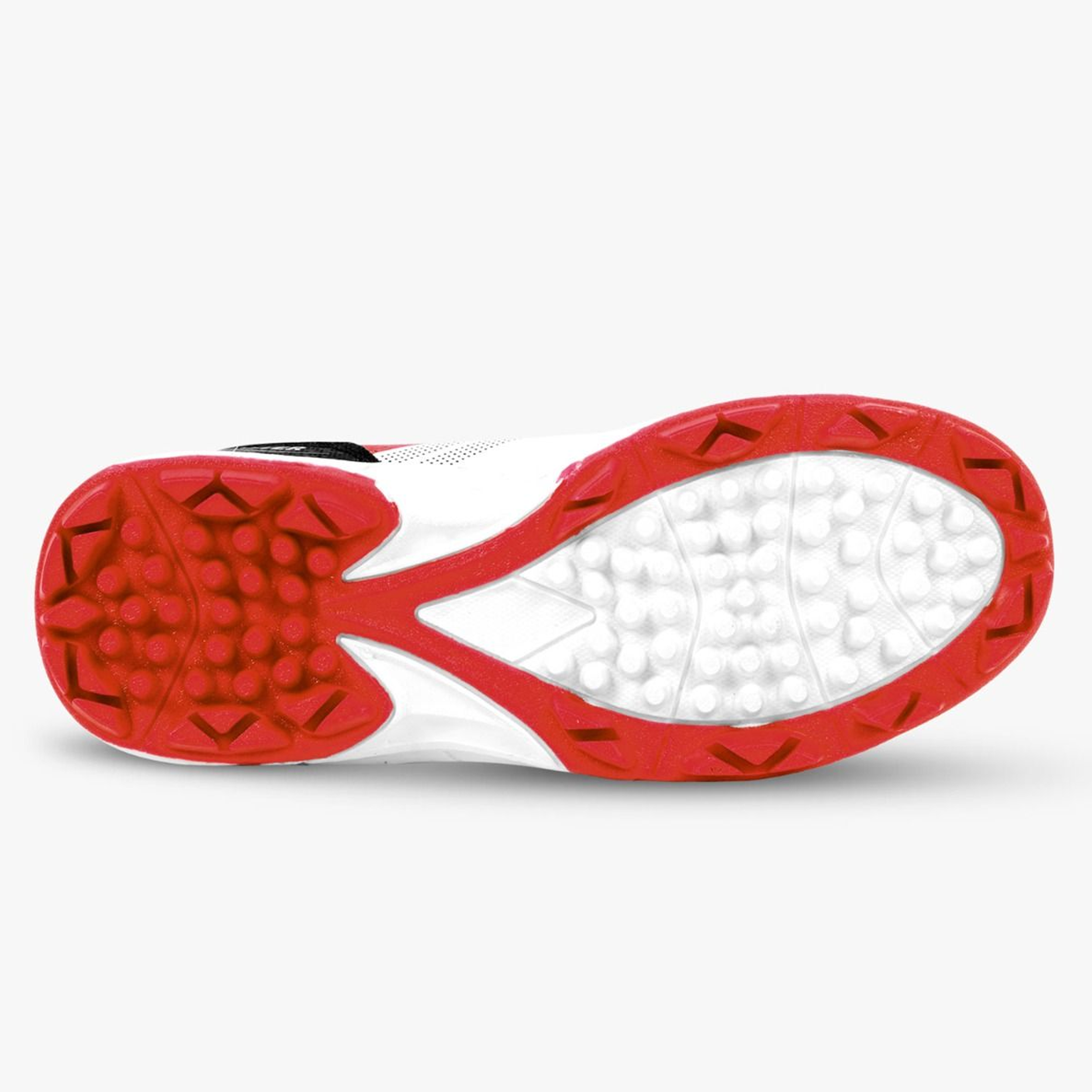
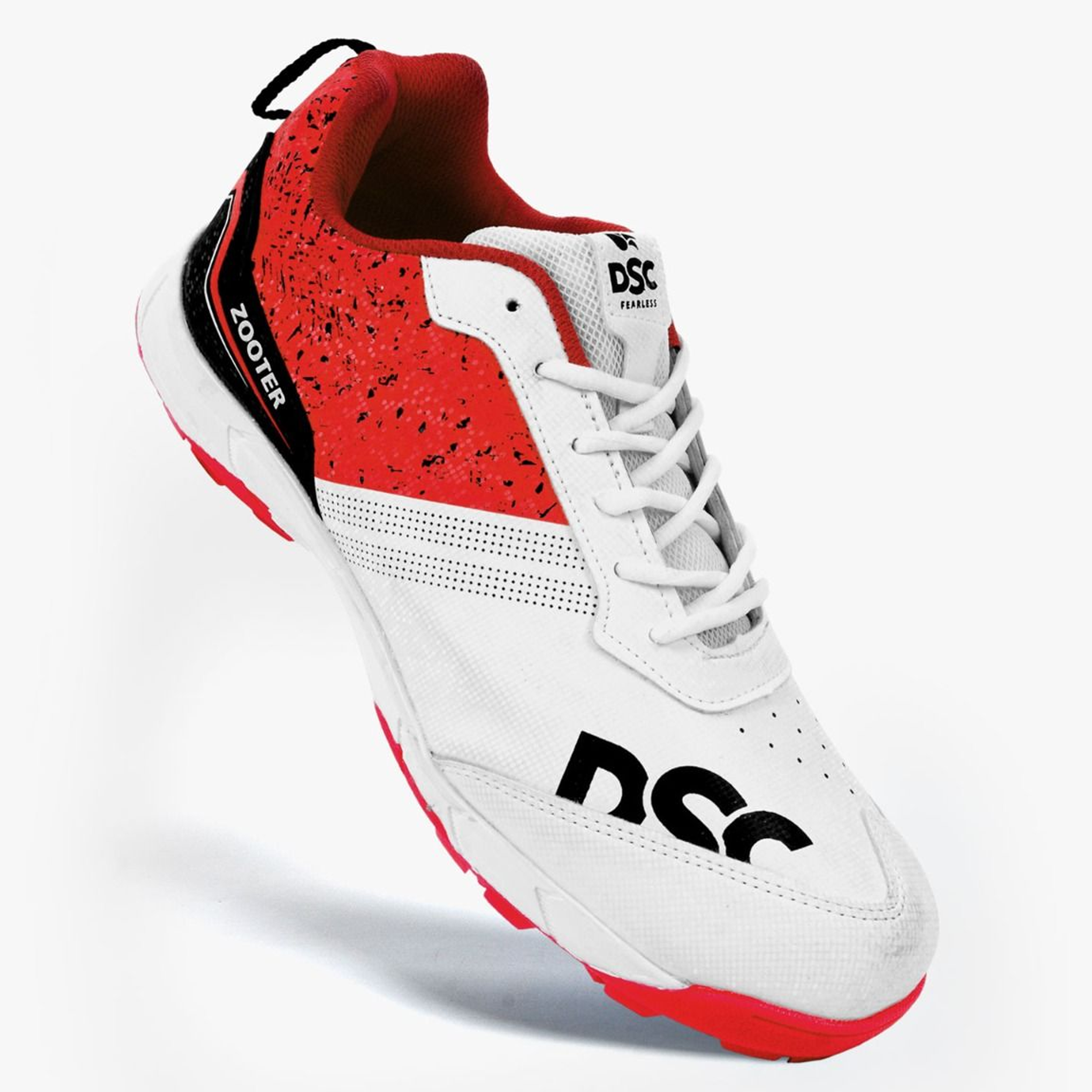
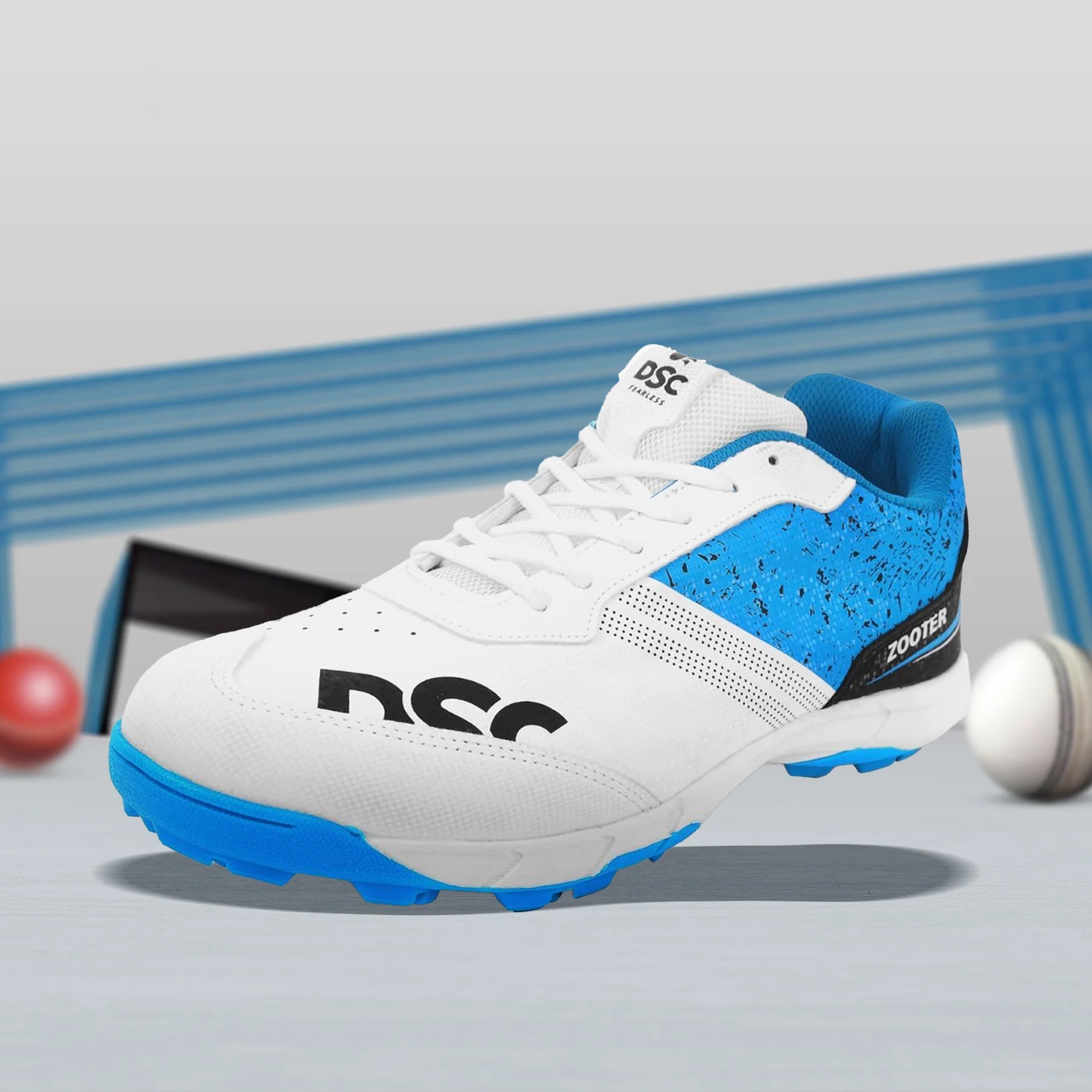
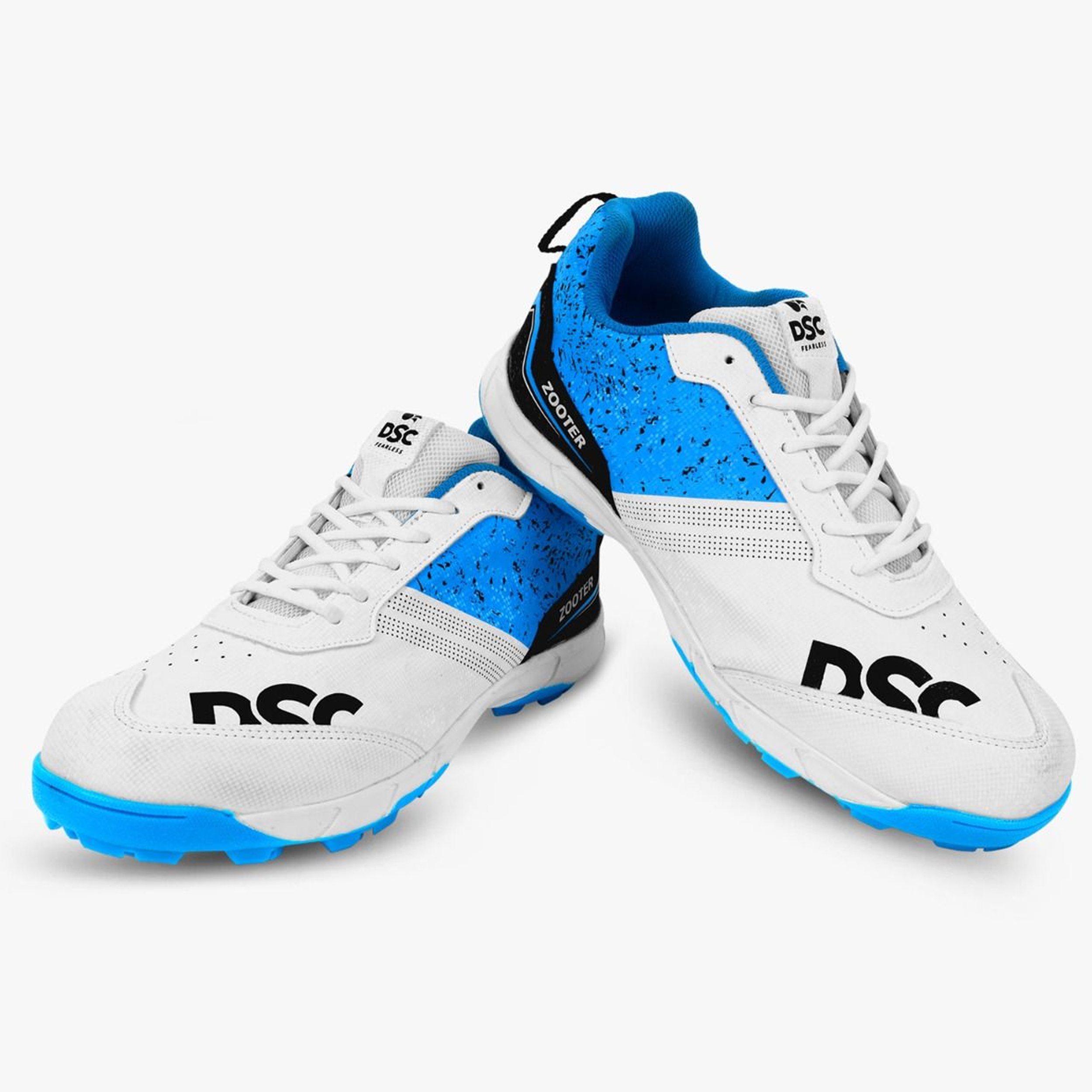
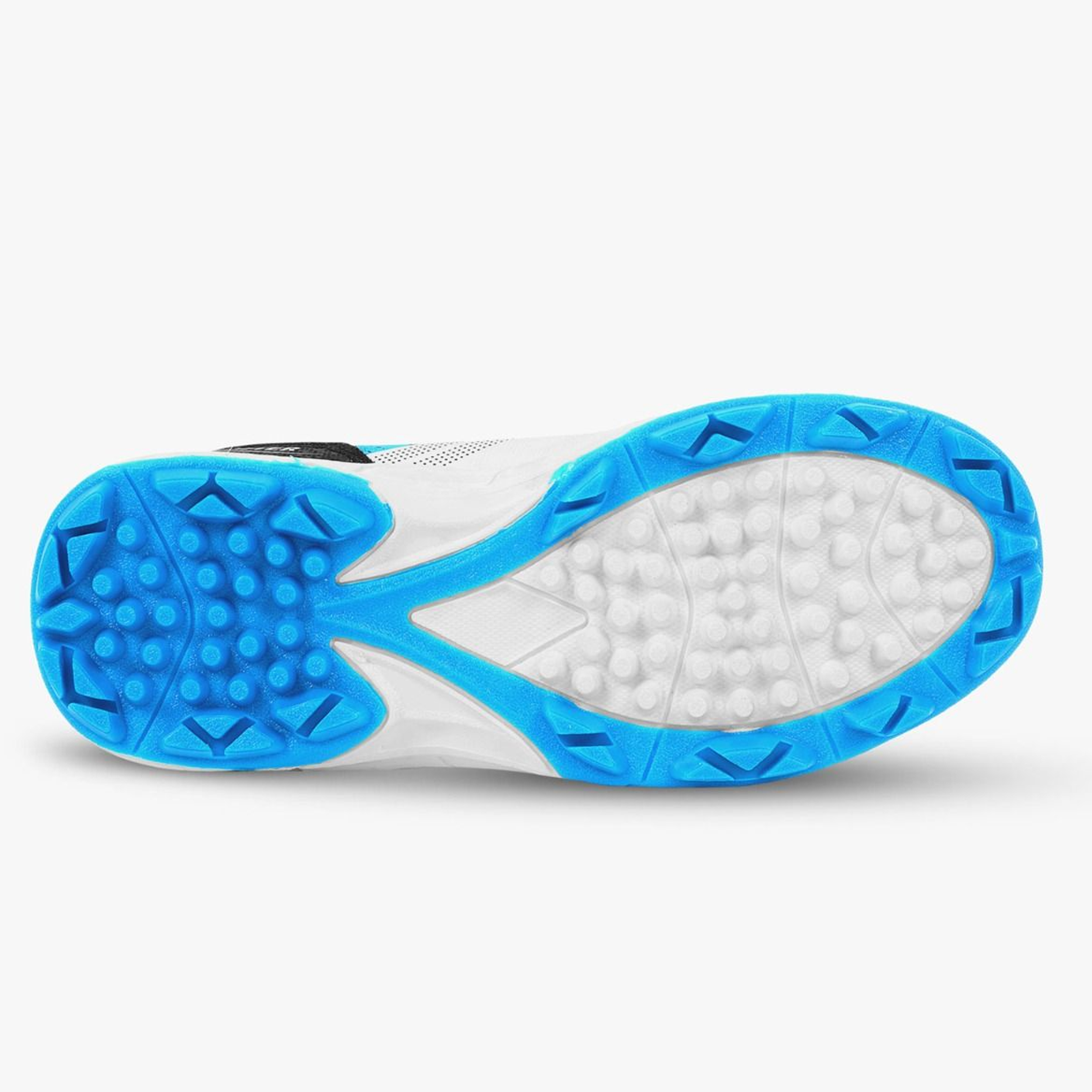
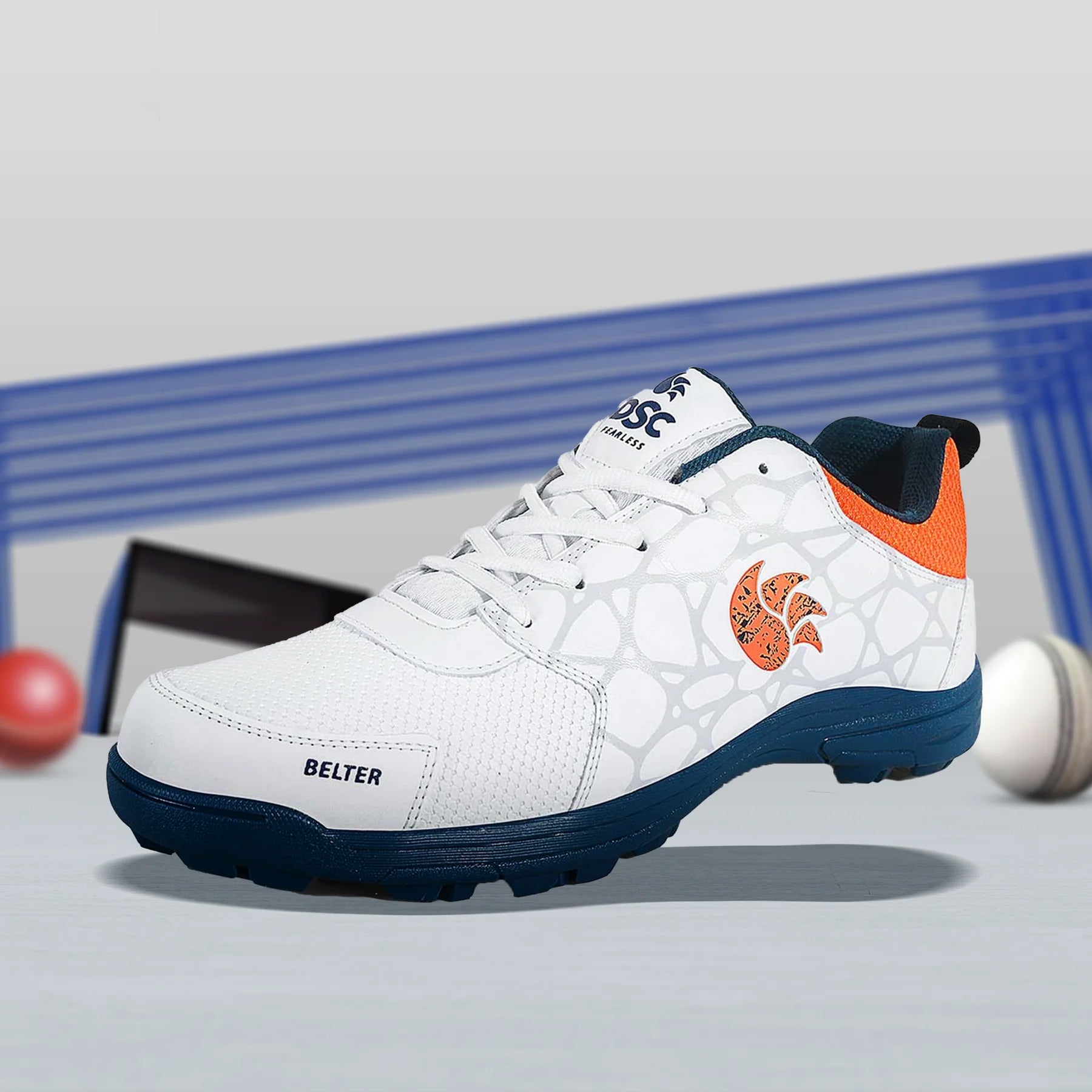
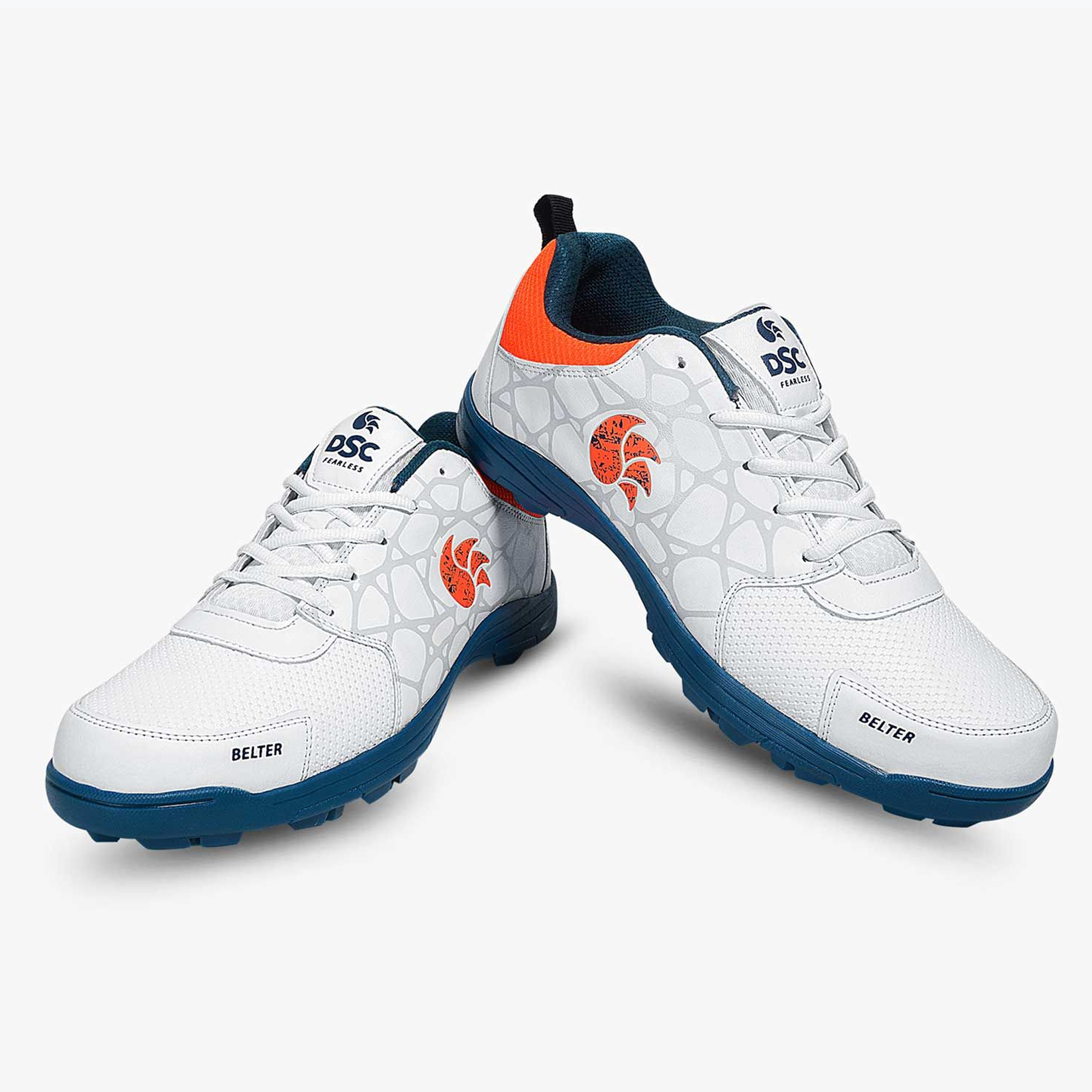
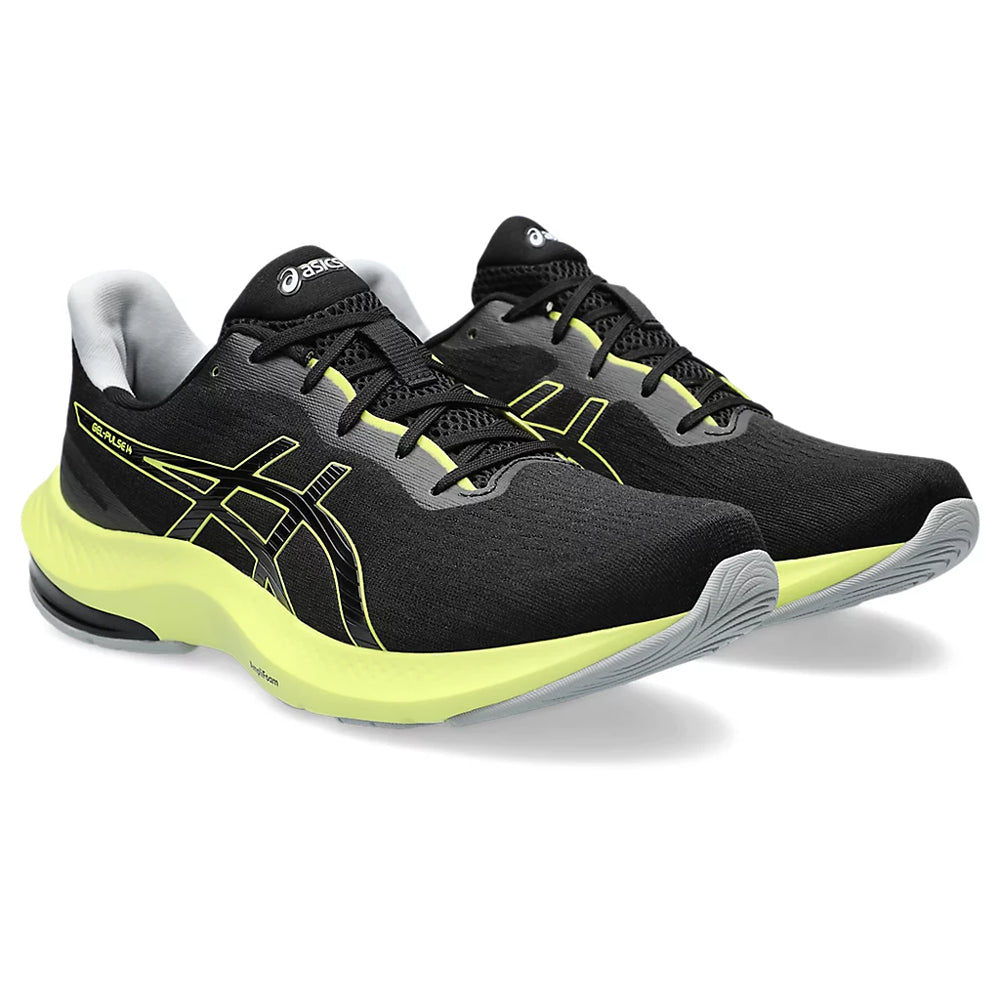
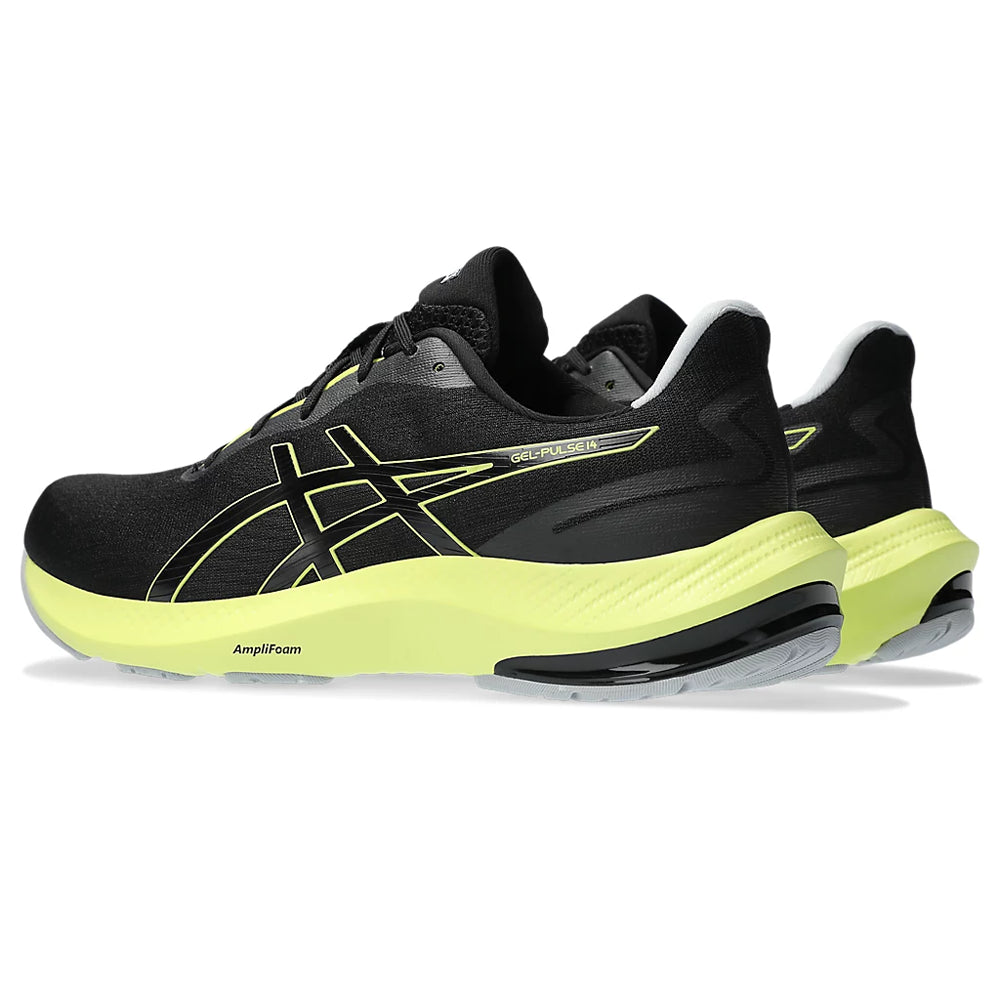
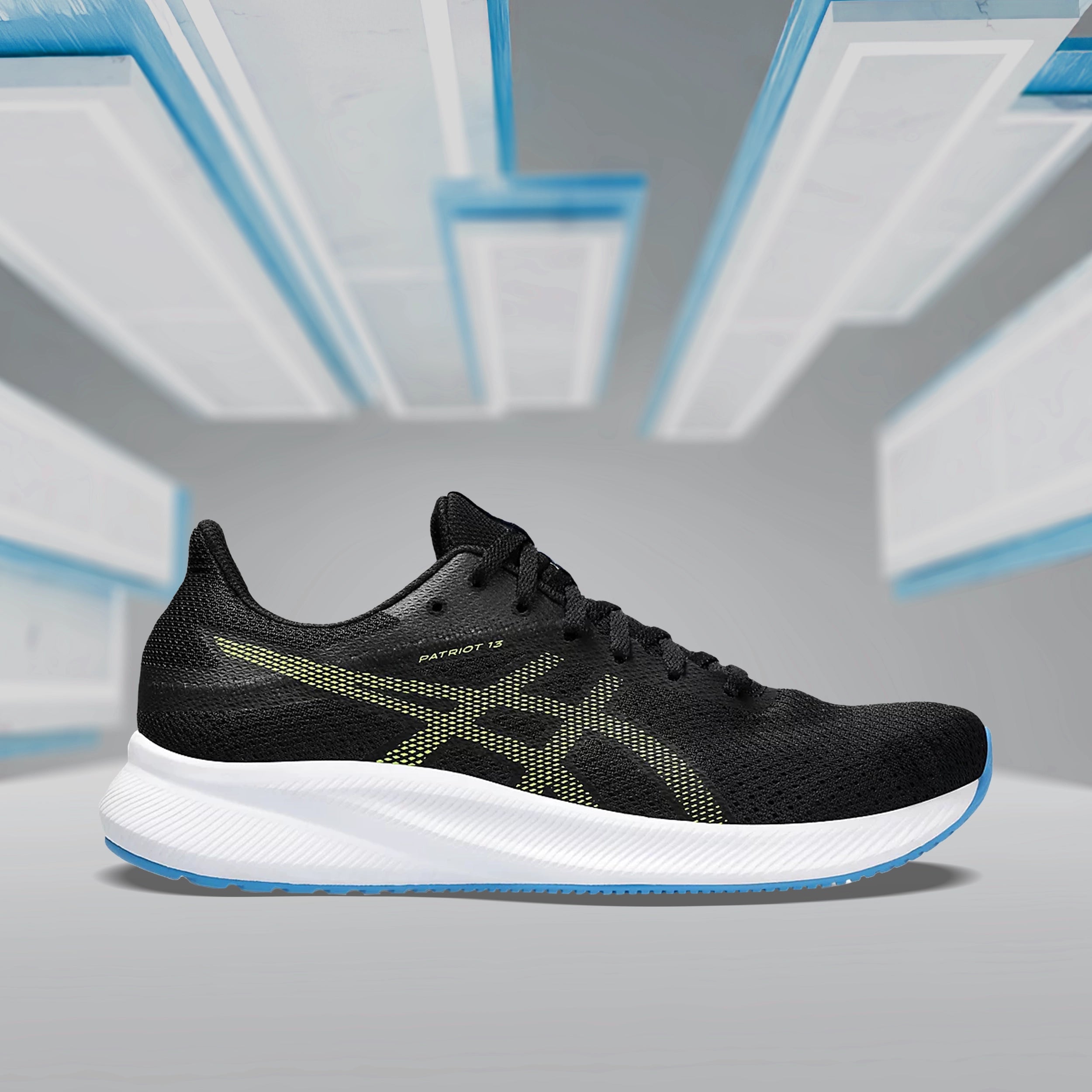
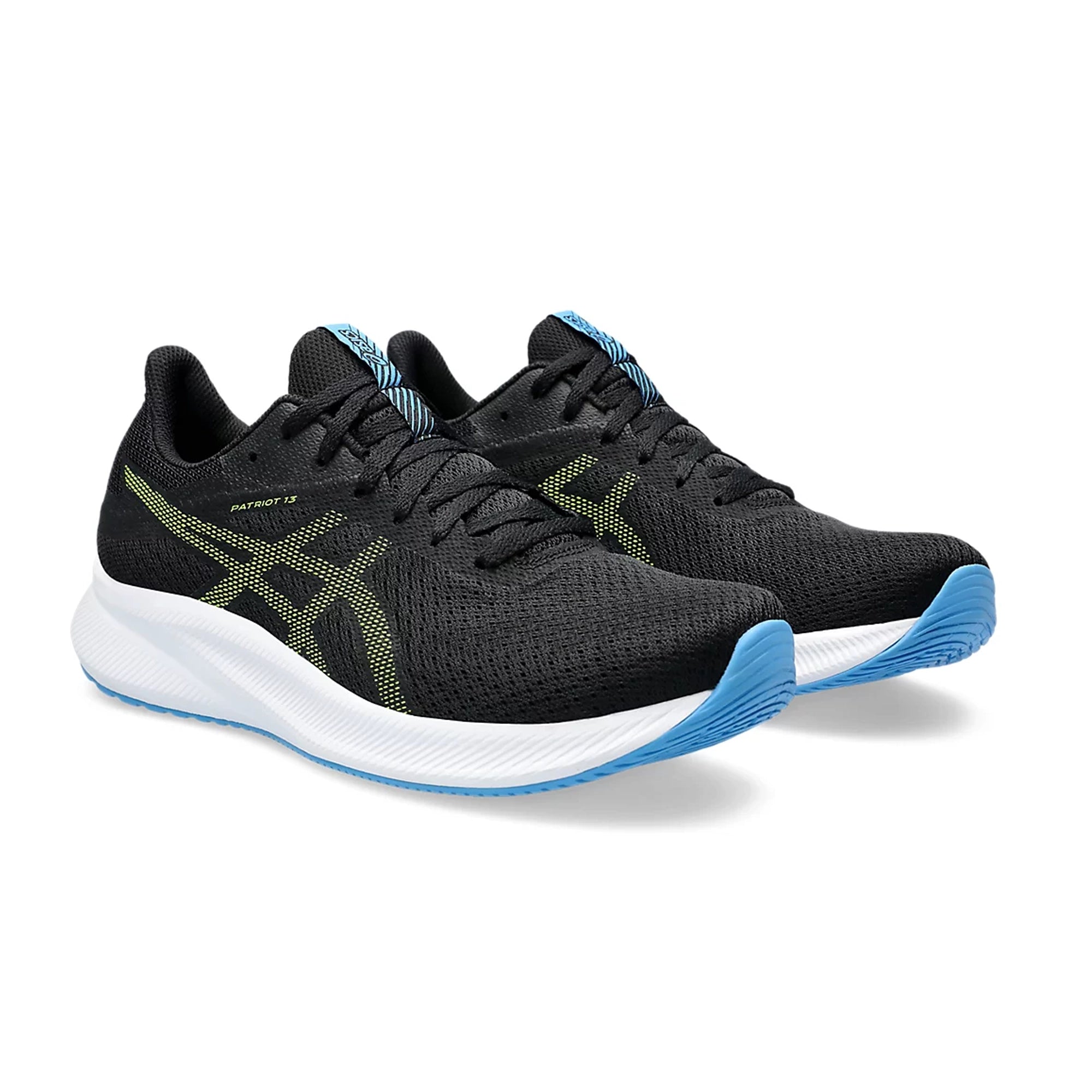
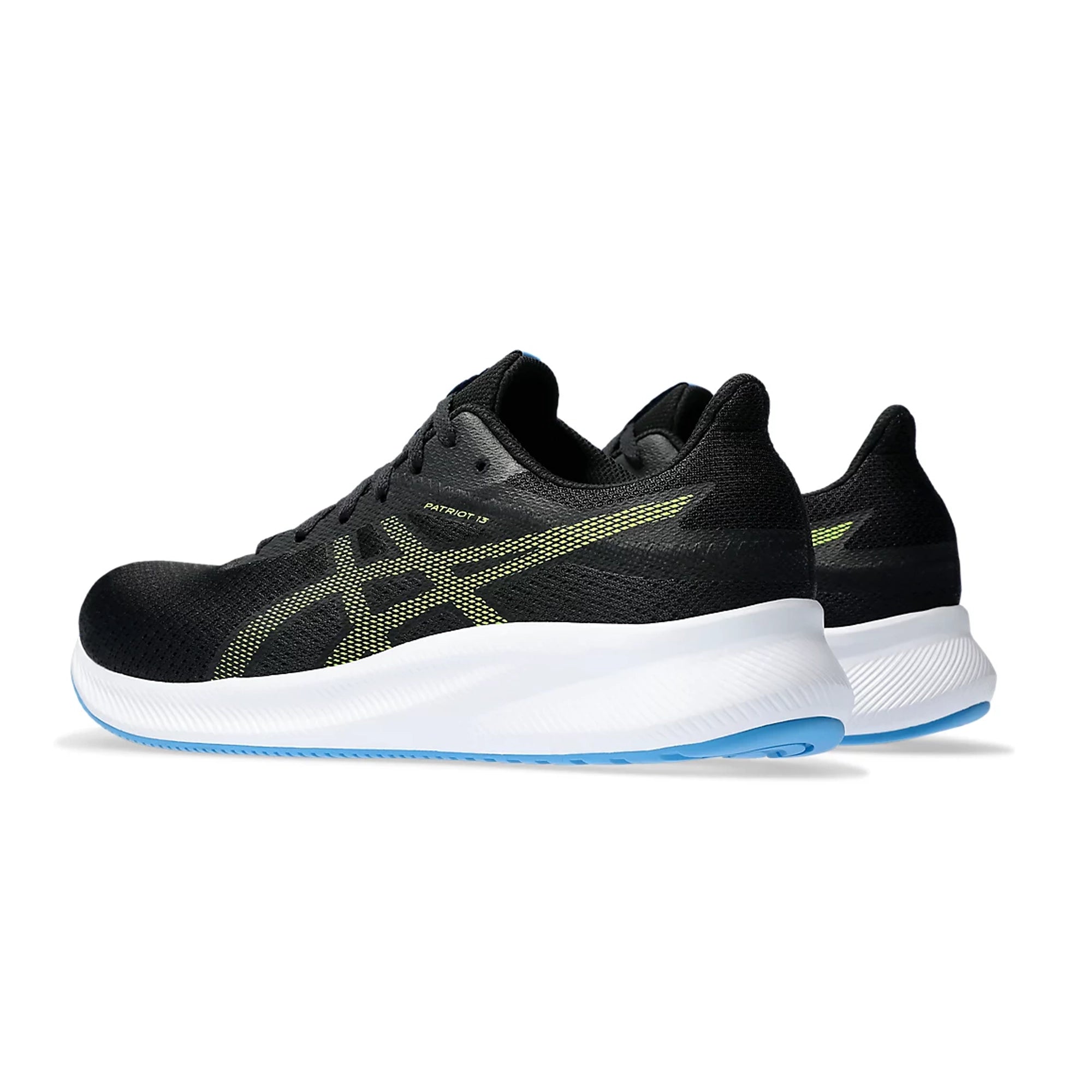
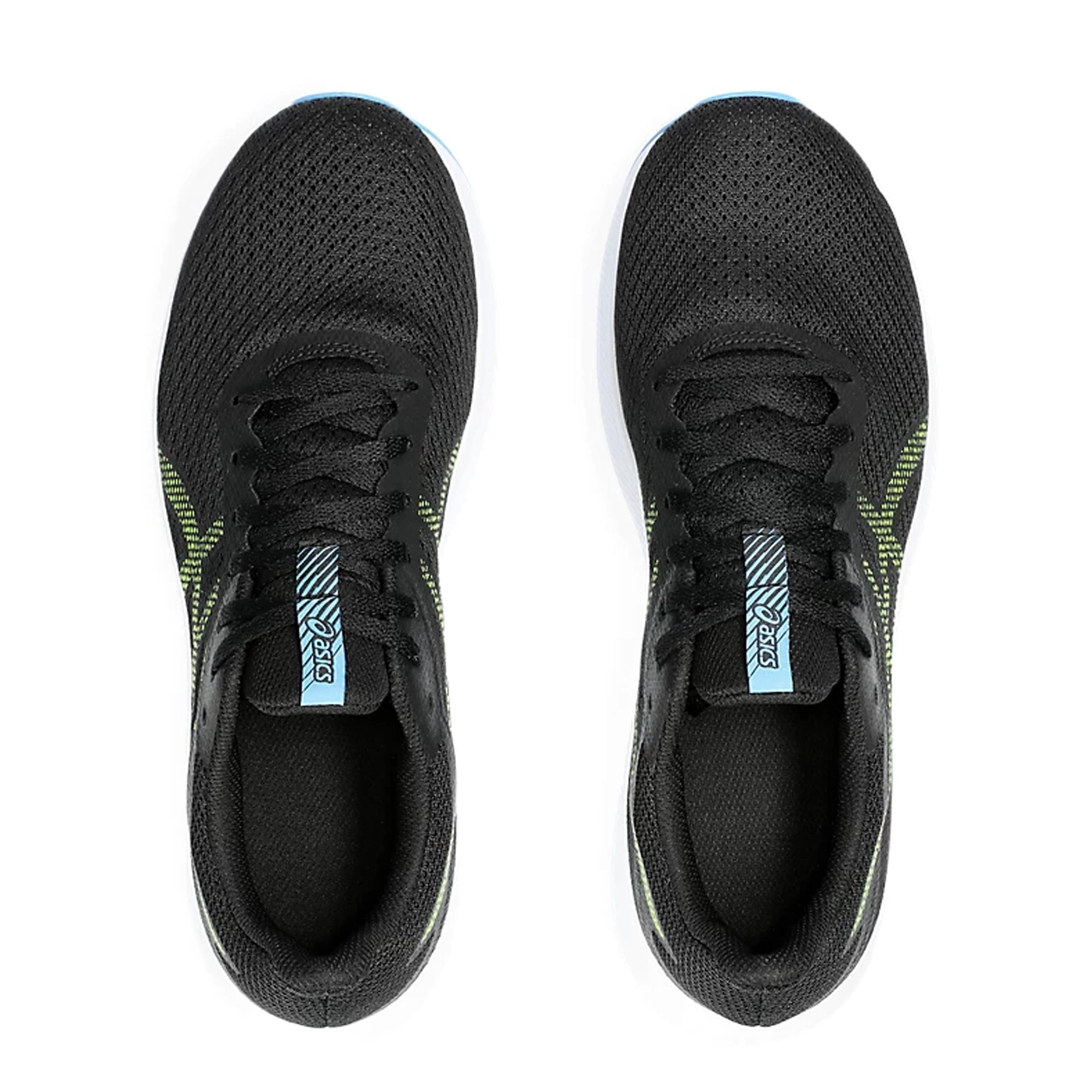
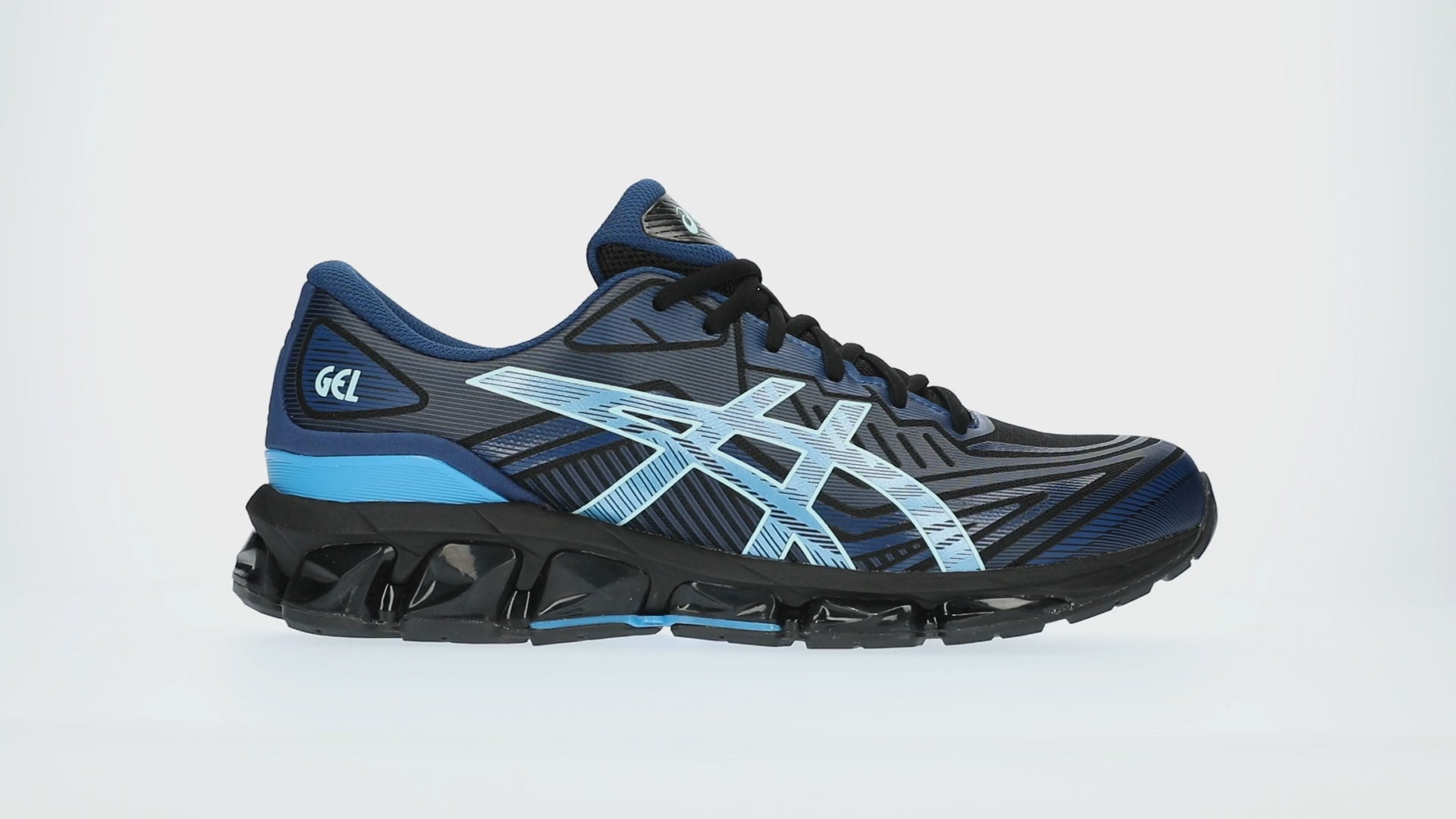
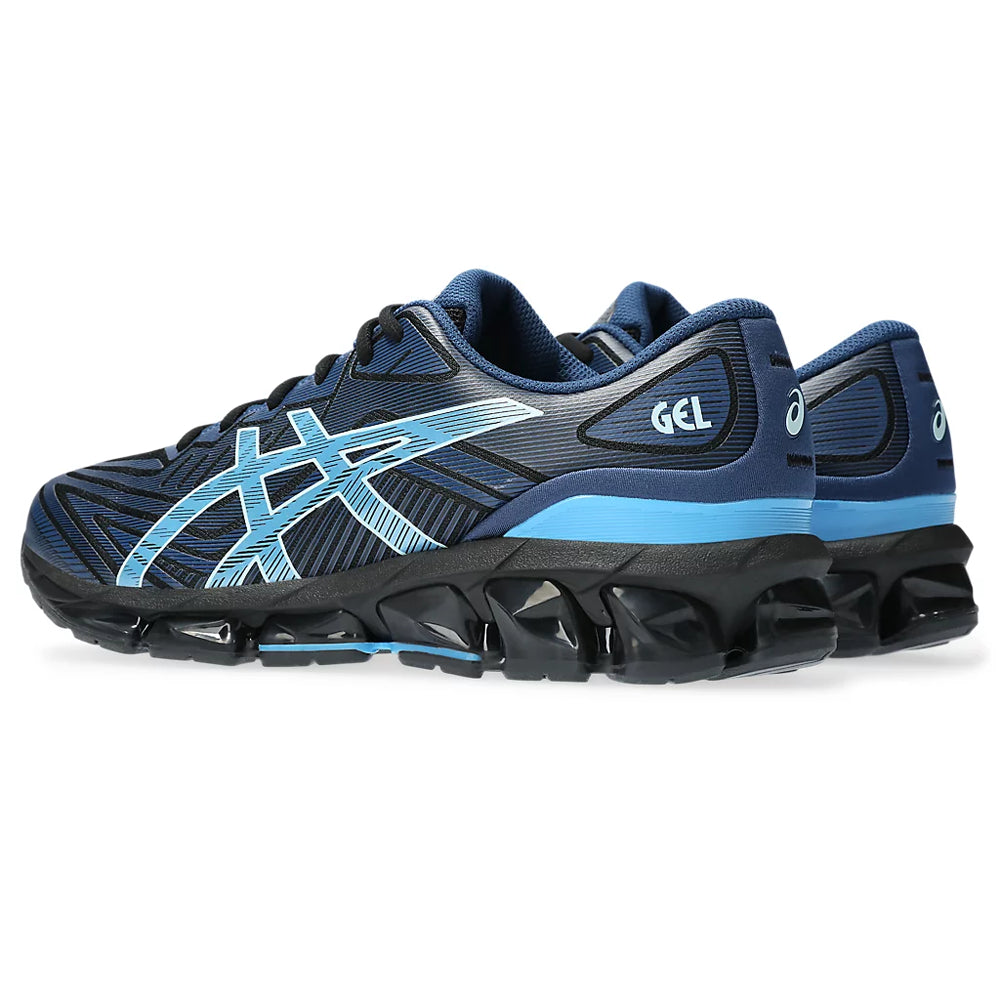
| Footwear | Provides grip and ankle support | Non-marking sole, cushioning, and good lateral support |
| Protective Eyewear | Ensures eye safety | Polycarbonate lenses, anti-fog coating |
Mastering the Basics: Techniques and Strokes
Understanding the basic techniques is imperative for every player. Squash includes several strokes that players must practice to gain confidence on the court. Below are some pivotal strokes:
Forehand & Backhand Drives
The forehand and backhand drives are fundamental because they are the building blocks for other shots. Proper grip and footwork are essential here.
Volleying: Keeping the Ball in Play
Volleying is crucial to keep pressure on your opponent, requiring adeptness in anticipation and quick reflex action.
The Drop Shot: Making Angles Work
The drop shot challenges opponents by reducing the amount of court they have to cover. It's perfect for scoring surprise points during gameplay.
Game Strategies for Beginners
Successful squash players implement strategies emphasizing both offensive and defensive plays. Here are a few tactics for beginners to consider:
Control the 'T'
The 'T' is the prime position at the center of the court where the lines meet. Controlling the 'T' allows you to dictate rallies effectively.
Effective Use of Angles
Utilizing the full court by playing off the side walls can create difficult angles for your opponents, thus offering strategic advantage.
Physical and Mental Preparation
Like many sports, squash requires strong mental acuity and physical fitness. Here’s how beginners can prepare themselves:
Physical Conditioning
Strength, agility, flexibility, and endurance are crucial elements. Incorporating exercises focusing on these can drastically improve on-court performance.
Mental Resilience
Concentration and the ability to remain calm under pressure are vital for squash success. Techniques like visualization and mindfulness can enhance focus and reduce in-game stress.
The Exciting Path Ahead
Mastering squash enables players to enjoy its competitive yet enjoyable nature, offering excellent fitness benefits. As beginners progress, engaging in match play becomes routine, alongside analyzing skill development and strategizing further enhancements.
Starting with firm foundational knowledge and deliberate practice, new players can quickly find improvement and satisfaction from engaging in squash. Whether for fitness or sport, squash is a versatile activity that promises both personal and athletic growth. Embarking on the squash journey is a rewarding endeavor—take the leap today!

























































Share:
The Evolution of Skating: From Ancient Ice to Modern Streets
Discover LifeStyle Sports Gear: A Beginner's Guide to Essential Equipment