
Introduction to Swimming
Swimming is not only a life-saving skill but also a highly rewarding sport that enhances physical fitness and mental well-being. For beginners, stepping into the water might seem daunting, but with the correct guidance and understanding, swimming can transform into a lifelong passion. This beginner masterclass will walk you through the essentials, helping you glide through the water with confidence.
The Basics of Swimming
Health Benefits
Swimming is a full-body workout that engages multiple muscle groups and improves cardiovascular health. It not only fosters muscle endurance but also enhances lung capacity and overall flexibility. Moreover, swimming is a low-impact activity, reducing stress on the joints and making it accessible to individuals with varying levels of physical ability.
Essential Swimming Gear
Before diving in, it's crucial to equip yourself with the right gear. Essential items include:
- Swimsuit: Opt for a comfortable, well-fitted swimsuit that allows for free movement.
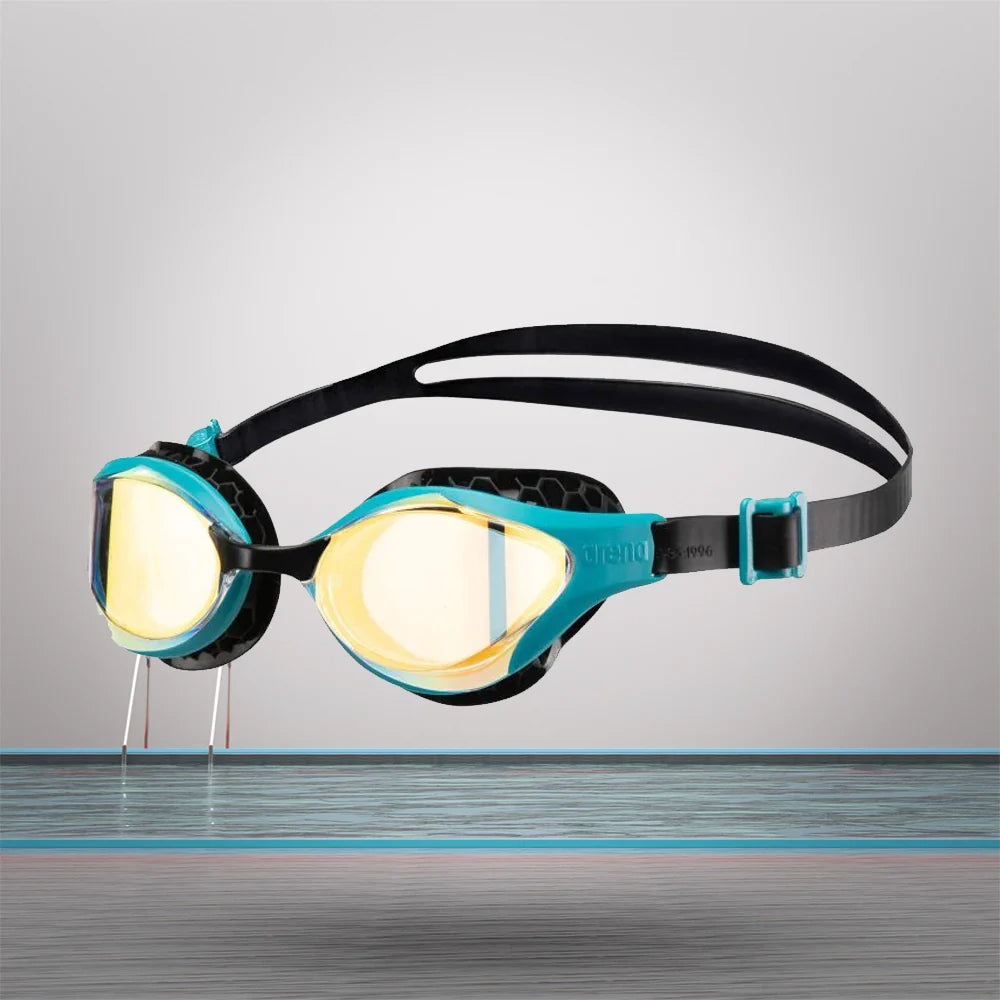
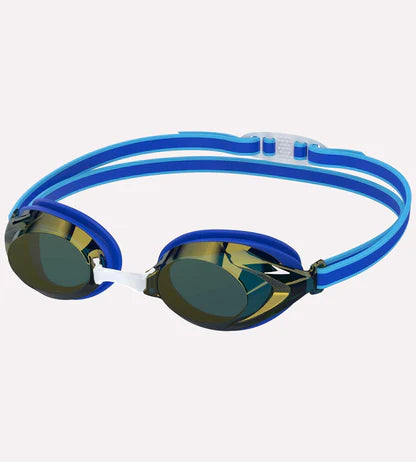
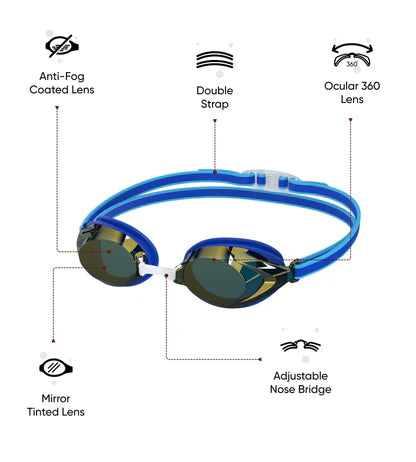
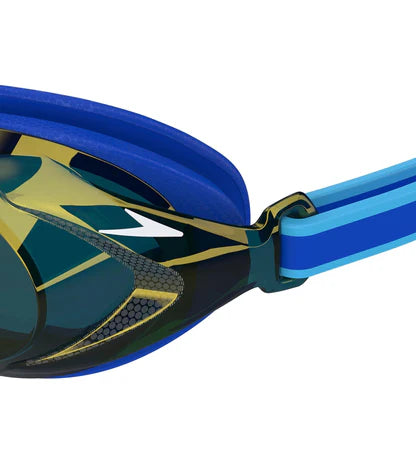
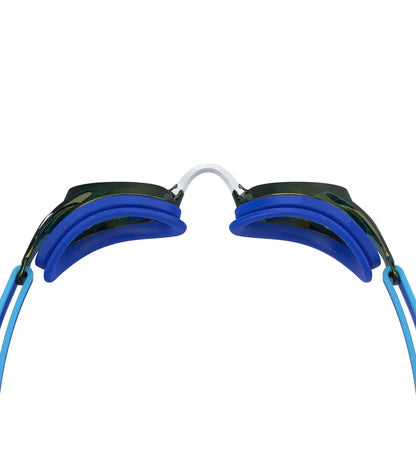
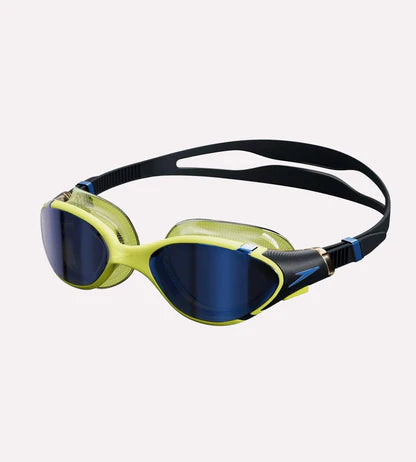
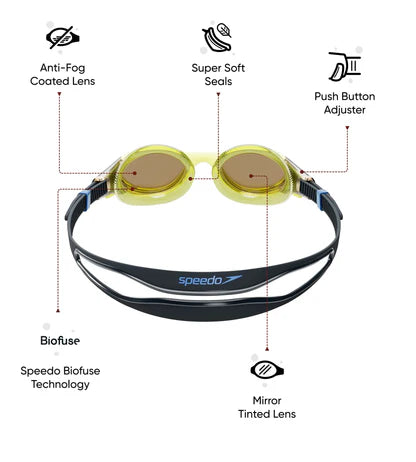
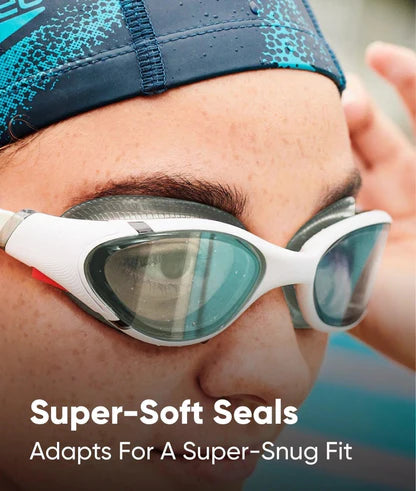
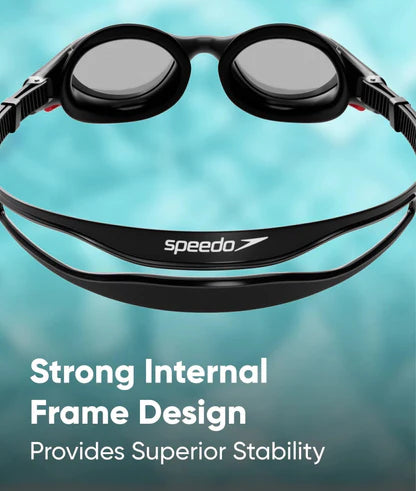
- Goggles: Protect your eyes from chlorine and improve underwater visibility.
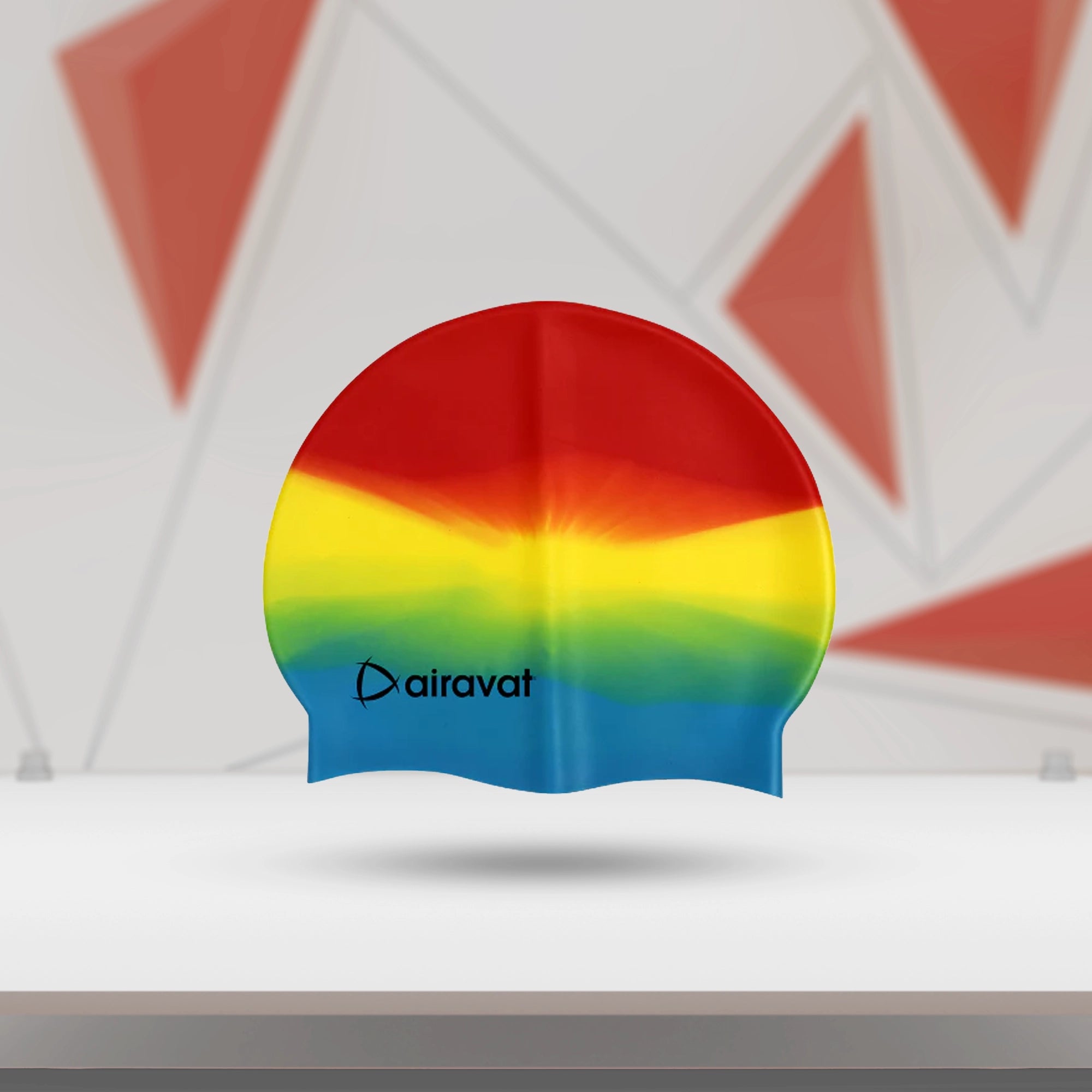
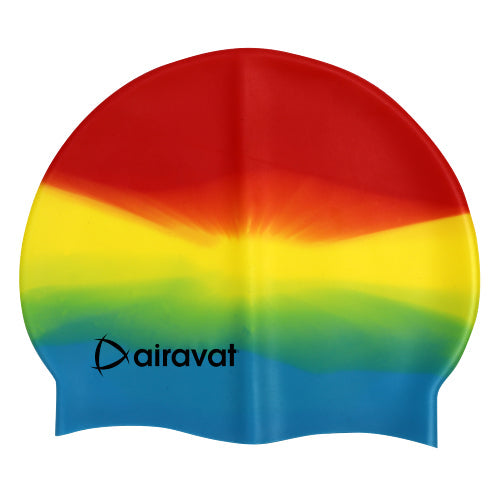
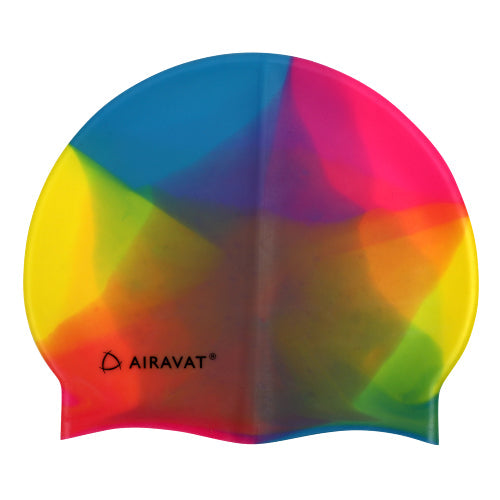
- Swim Cap: Keeps hair out of your face and reduces drag.
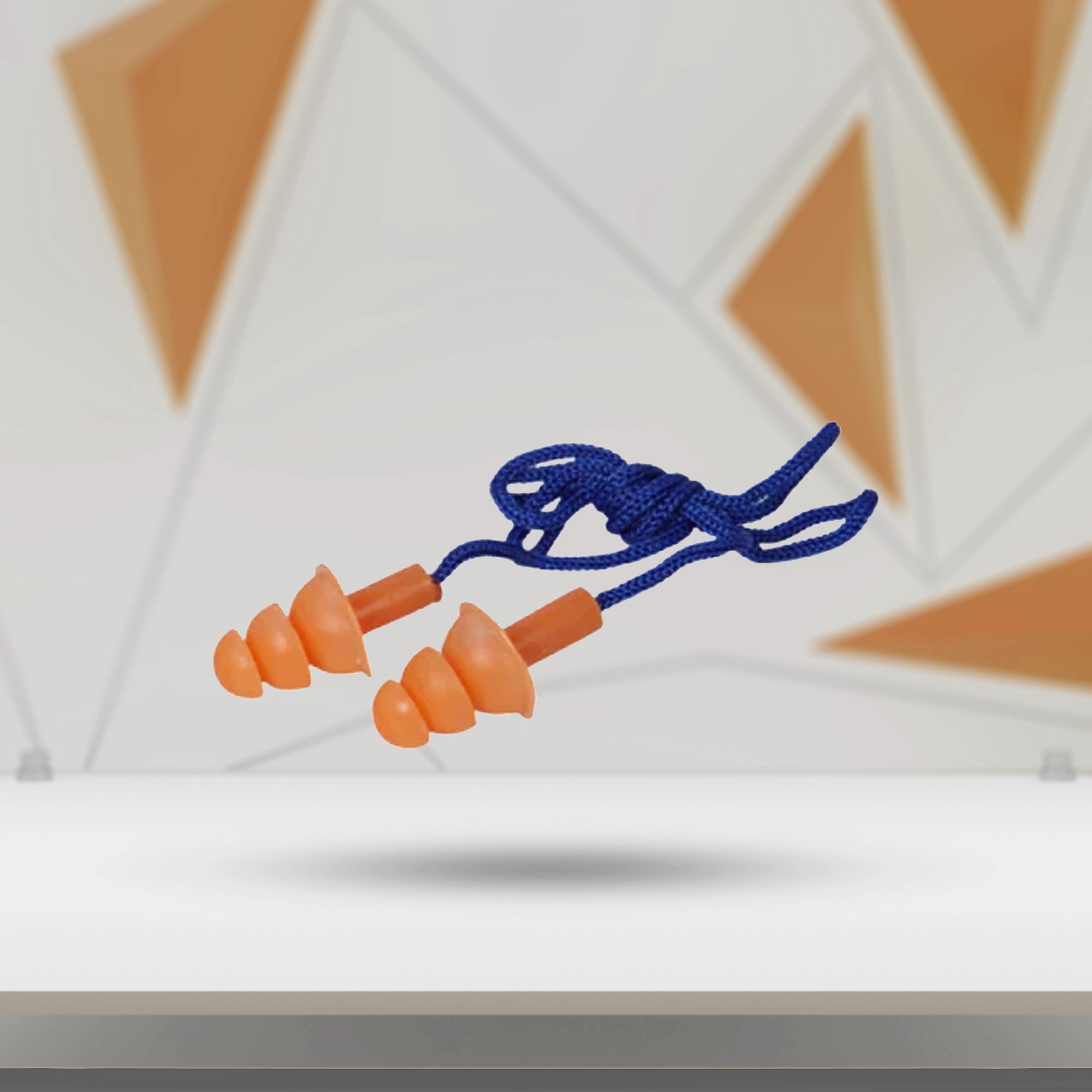
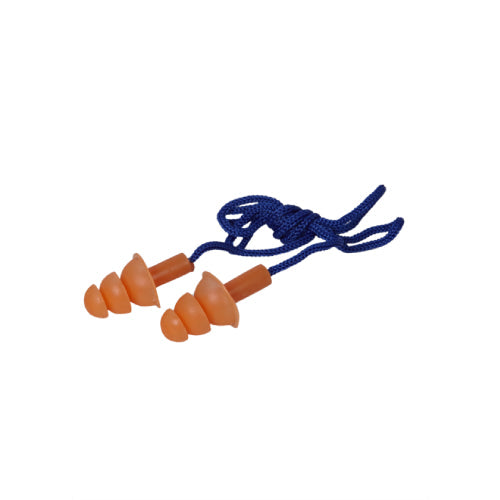
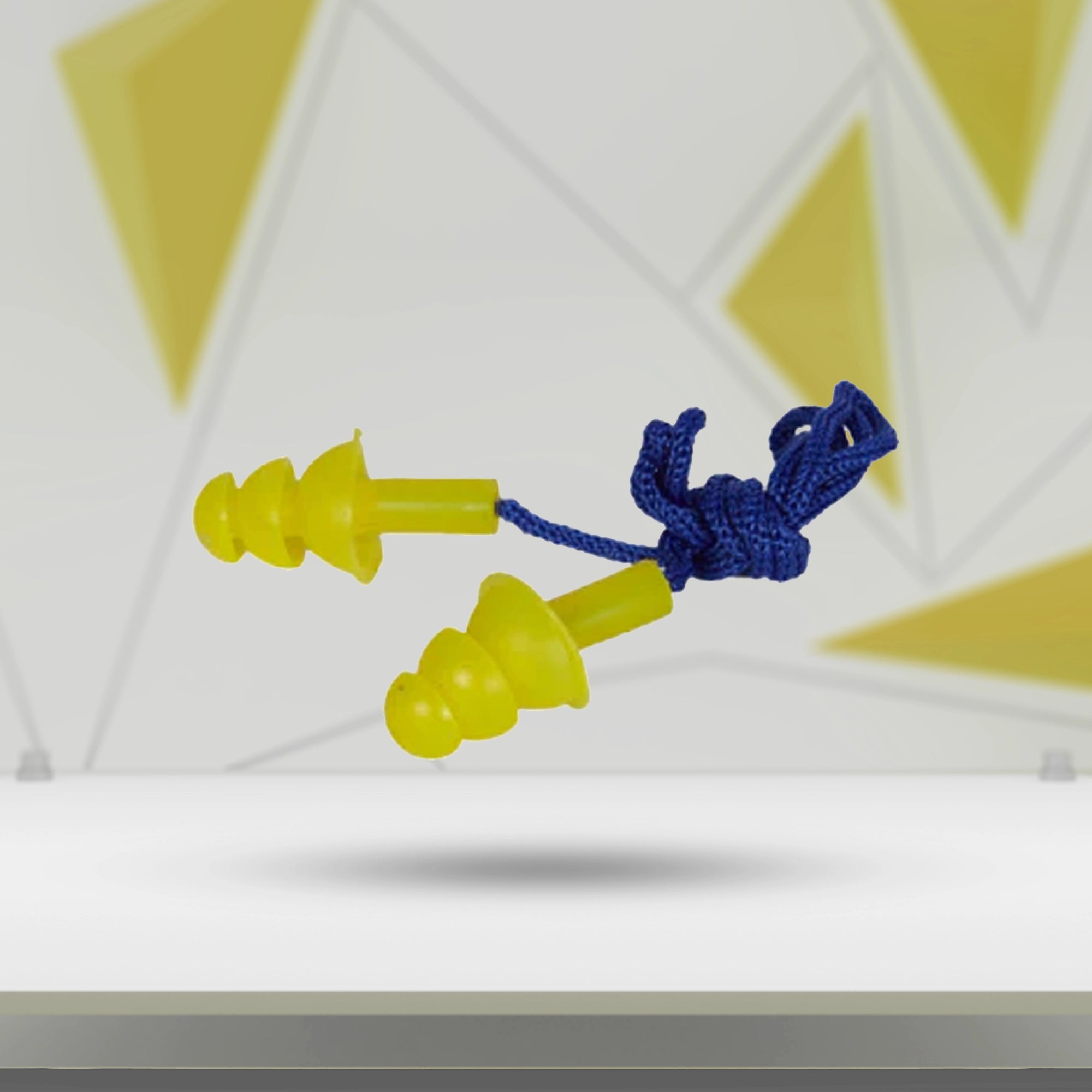
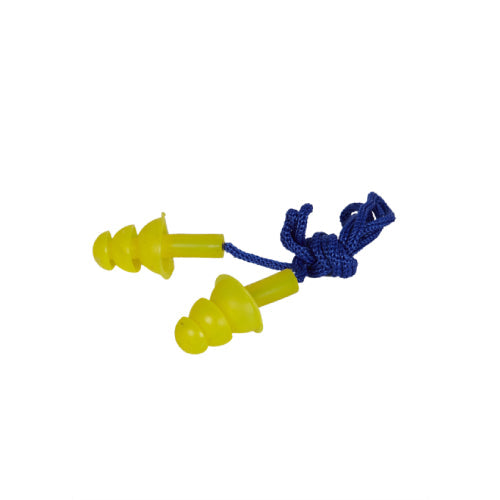
- Earplugs/Nose Clip: Optional for those sensitive to water entering ears or nostrils.
Fundamental Techniques
Body Position
A streamlined body position is the foundation of all swimming strokes. Keep your body horizontal and aligned from head to toe, reducing drag and allowing you to glide effortlessly through the water.
Breathing Techniques
Mastering breathing is pivotal. Learn to exhale completely underwater and inhale quickly when your head turns to the side.
Basic Strokes
- Freestyle: Known for its efficiency, this stroke involves alternating arms while kicking with flutter kicks.
- Backstroke: Performed on your back, it requires a steady flutter kick and back-and-forth arm movements.
- Breaststroke: A slower-paced stroke characterized by a frog-like kick and a sweeping arm movement.
- Butterfly: An advanced stroke with simultaneous overhead arm movements and a powerful dolphin kick.
Comparison of Basic Strokes
| Stroke | Description | Difficulty Level | Common Uses |
|---|---|---|---|
| Freestyle | Alternate arm strokes with flutter kicks | Beginner | Races, casual swimming |
| Backstroke | Back-and-forth arm motion with steady kicks | Intermediate | Races, fitness training |
| Breaststroke | Frog-like kick and sweeping arm motion | Beginner | Leisure swimming, races |
| Butterfly | Simultaneous arm movement with dolphin kick | Advanced | Competitive swimming |
Overcoming Common Challenges
Fear of Water
Many beginners battle aquaphobia, which can be overcome by gradual exposure and relaxation techniques in shallow waters.
Improving Strokes
Regular practice focusing on technique, breathing, and kicks is essential. Consider lessons from a certified instructor alongside self-training.
Training and Improvement
Setting Goals
Identify short-term and long-term goals to maintain motivation. Whether it’s swimming a certain number of laps or mastering a specific stroke, goals give direction to your training.
Incorporating Drills
Drills target specific aspects of swimming, such as kick practice with a kickboard, pull drills with a buoy, or stroke-specific drills to refine techniques.
Tracking Progress
Documenting your improvements in endurance, speed, or technique can be encouraging. Utilize apps or maintain a swim diary to track milestones.
Conclusion
Swimming is not just a sport or safety skill; it's a pervasive journey that offers physical, mental, and emotional growth. With this beginner's masterclass, we've unravelled the basic strokes, essential gear, and training techniques to turn novice swimmers into confident aquatic enthusiasts. Dive in today and embark on a transformative path with swimming.



























Share:
Pedal Power: Exploring the History and Legacy of Cycling
The Ultimate Running Guide: A Masterclass for Beginners